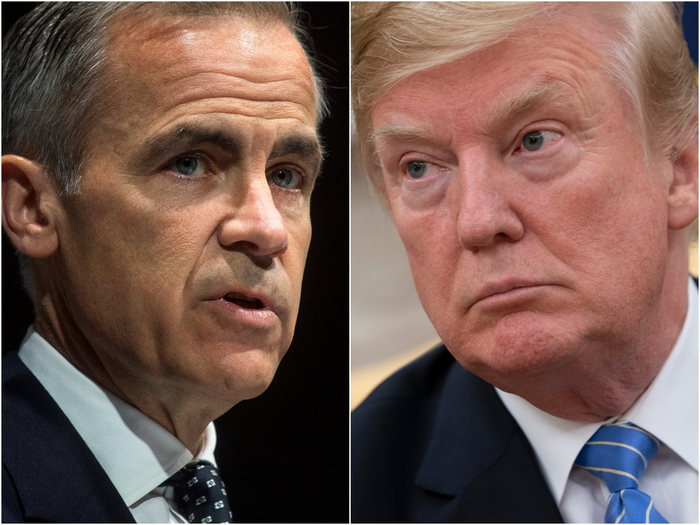
Trump Threatens Canada With 100% Tariffs Over China Deal/ Newslooks/ WASHINGTON/ J. Mansour/ Morning Edition/ President Trump threatened Canada with 100% tariffs over its new trade agreement with China. The warning escalates tensions between Trump and Canadian Prime Minister Mark Carney. Trump accuses Canada of helping China bypass U.S. tariffs, revoking Carney’s role in his “Board of Peace.”
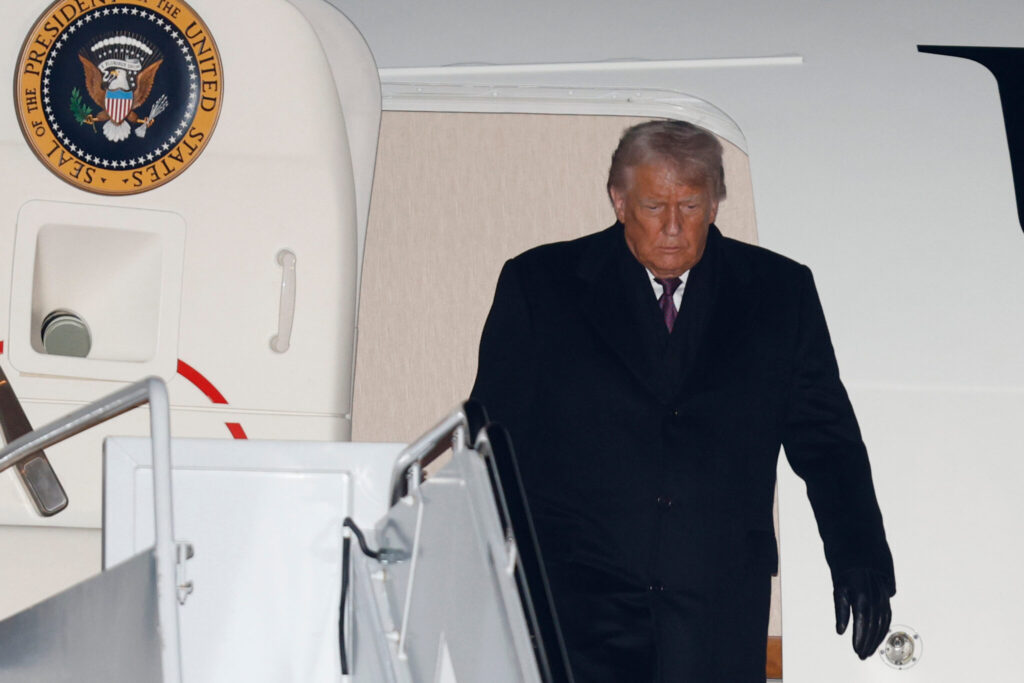
Trump Canada Trade Rift Quick Looks
- Trump threatens 100% tariffs on Canadian imports.
- Canada strikes tariff-lowering deal with China.
- Trump accuses Canada of enabling Chinese goods access.
- Prime Minister Carney remains silent amid rising tensions.
- Trump revokes Carney’s invitation to Board of Peace.
- US-Canada relationship strained over Greenland and NATO disputes.
- Carney pushes back against Trump’s autocratic rhetoric.
- Trump hints at absorbing Canada as 51st state.
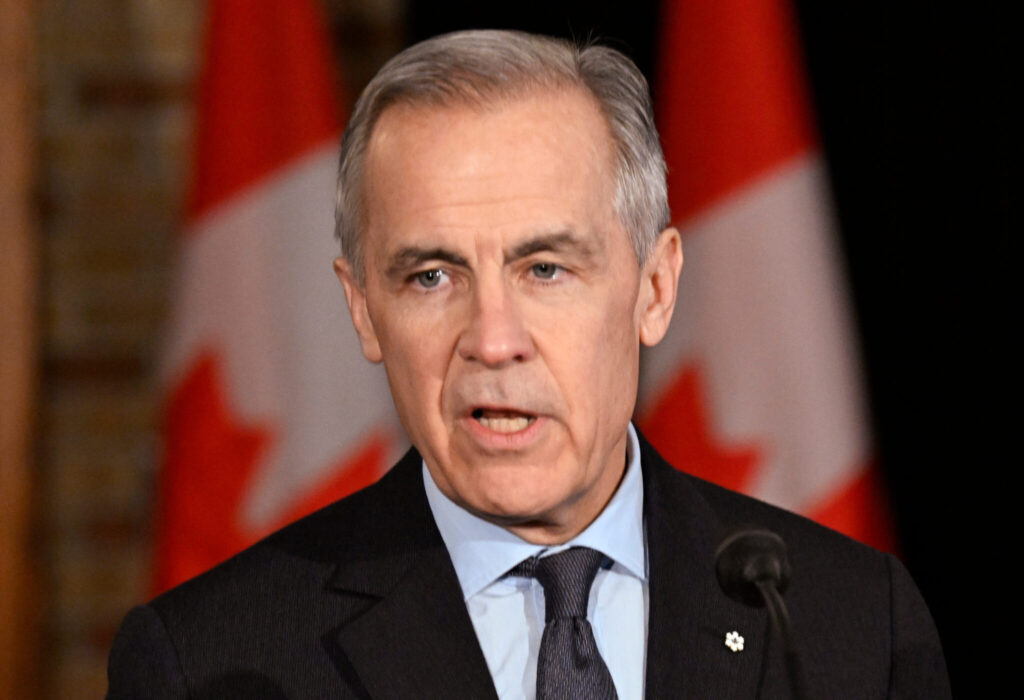
Deep Look: Trump Threatens Tariffs as US-Canada Tensions Escalate
President Donald Trump intensified his trade war rhetoric on Saturday by threatening to impose a 100% tariff on Canadian imports if Prime Minister Mark Carney moves forward with a newly signed trade agreement with China. This ultimatum underscores a rapidly deteriorating relationship between the two North American leaders, driven by diverging visions for global trade and governance.
In a post on his social media platform, Trump warned, “If Prime Minister Carney thinks he is going to make Canada a ‘Drop Off Port’ for China to send goods and products into the United States, he is sorely mistaken.” His comments came just days after Canada finalized a trade pact with China that lowers tariffs on electric vehicles in exchange for reduced duties on Canadian agricultural exports.
Ironically, Trump initially lauded the deal, calling it “a good thing” and suggesting it aligned with strategic economic objectives. However, Carney’s increasingly independent stance on foreign policy — particularly his criticisms of Trump’s global leadership style — appears to have changed the dynamic. Carney’s refusal to endorse Trump’s geopolitical moves, including his aggressive attempt to gain control over Greenland, has not gone unnoticed.
Adding to the strain, Trump revoked Carney’s invitation to join the “Board of Peace,” an initiative the White House says is meant to resolve global conflicts but which critics view as an attempt to bypass traditional institutions like the United Nations.
This diplomatic spat escalated further at the World Economic Forum in Davos, Switzerland, where Trump claimed, “Canada lives because of the United States.” Carney quickly rebuffed the assertion, stating, “Canada thrives because we are Canadian,” and emphasized his country’s commitment to pluralism, rule of law, and democratic values.
Carney has emerged as a prominent voice for nations seeking alternatives to what he called “hard power diplomacy.” In recent speeches, he has urged “middle powers” to form alliances based on shared values rather than bowing to superpower pressure. “If you’re not at the table, you’re on the menu,” he said during his Davos appearance, signaling a possible shift in global alignment away from U.S. influence.
Back in Washington, Trump’s threat of tariffs marks yet another example of his America First strategy at play. His administration has shown no hesitation in penalizing allies he perceives as stepping out of line — even longstanding partners like Canada.
The timing of Trump’s threats is also notable. With a mandatory review of the U.S.-Mexico-Canada Agreement (USMCA) looming later this year, the White House’s willingness to spark a bilateral trade crisis could complicate efforts to renew or amend the pact.
The White House has also hinted that Canada’s cooperation with China on electric vehicles might compromise national security interests, especially as the U.S. pushes forward with its own manufacturing goals under the “Golden Dome” defense initiative.
Meanwhile, Trump’s previous remarks that Canada could be considered for inclusion as the “51st state” — along with Greenland and Venezuela — have only inflamed the situation further. Though largely seen as bluster, such statements have raised serious concerns about the future of U.S.-Canada relations under Trump’s leadership.
As of Saturday, Carney’s office has not issued an official response to Trump’s latest tariff threats.
The standoff presents a clear picture of how Trump’s second-term foreign policy differs from traditional diplomacy. Personal loyalty, transactional deals, and nationalist rhetoric continue to define his administration’s posture — even at the cost of alienating close allies.