

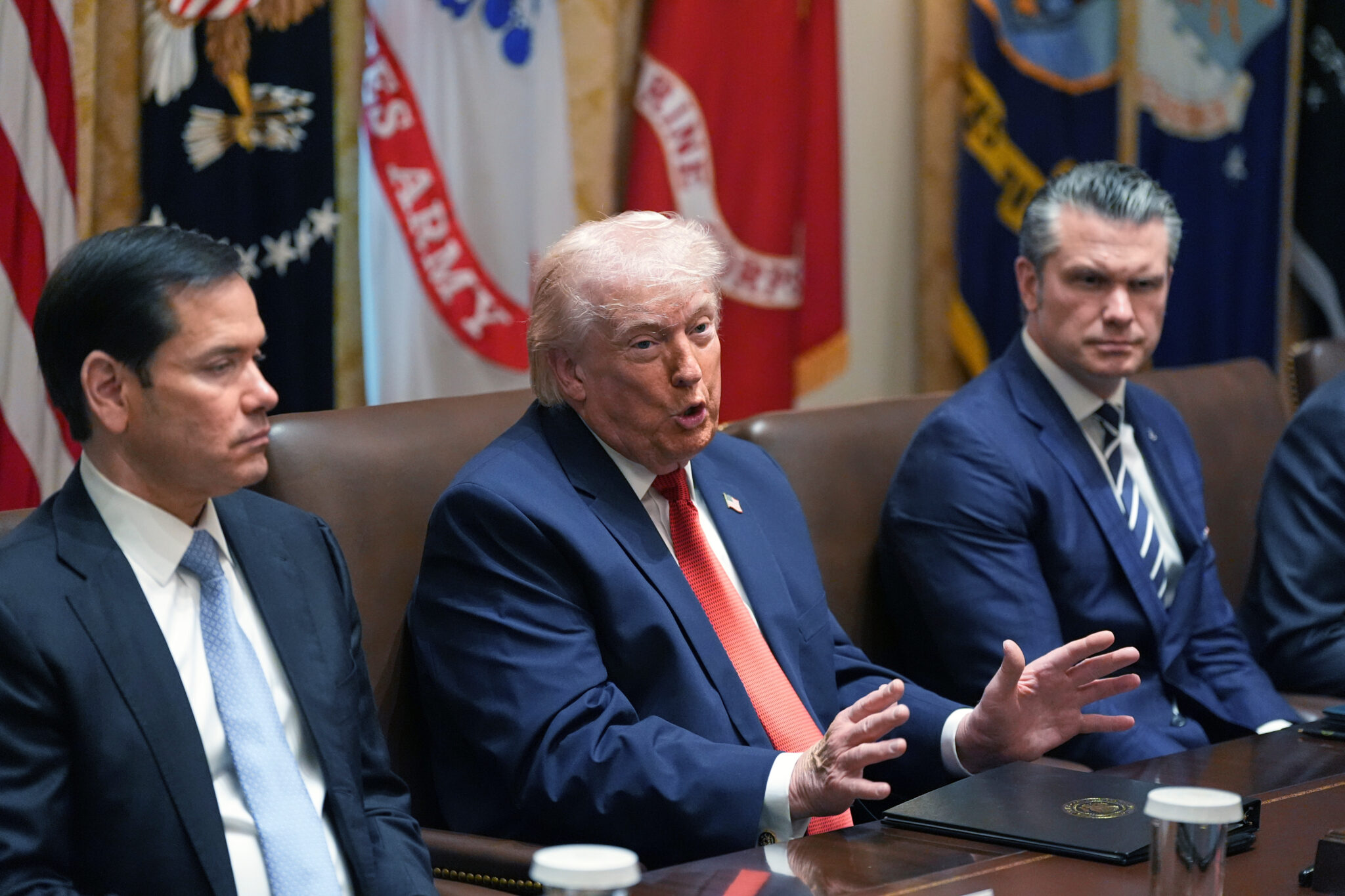
Trump Threatens Iran Infrastructure as War Escalates/ Newslooks/ WASHINGTON/ J. Mansour/ Morning Edition/ President Donald Trump warned the U.S. could destroy Iran’s energy and water infrastructure if a peace deal isn’t reached soon. Iran launched new attacks across Israel and Gulf nations while U.S. and Israeli forces intensified strikes. Oil prices surged as fears of a broader Middle East energy crisis and global instability grew.
Trump Threatens Iran Infrastructure Quick Looks
- Trump threatens destruction of Iran energy and water infrastructure
- Iran attacks Israel, Kuwait, Saudi Arabia, and UAE targets
- U.S. considers seizing Iran’s Kharg Island oil hub
- Strait of Hormuz tensions threaten global oil supplies
- NATO intercepts Iranian missile over Turkey
- UN peacekeepers killed in Lebanon amid Hezbollah fighting
- Oil prices jump nearly 60% since war began
- Over 1,900 killed in Iran, casualties rise across region
Deep Look: Trump Threatens Iran Infrastructure as Middle East Conflict Intensifies
DUBAI — President Donald Trump warned Monday that the United States could target Iran’s critical civilian infrastructure — including energy facilities and desalination plants — if negotiations to end the escalating Middle East conflict fail to produce results soon. The threat marked one of the most aggressive statements yet as violence spreads across multiple countries and global energy markets react nervously.
Trump posted on social media that “great progress” was being made diplomatically, but warned that if a deal is not reached “shortly,” the U.S. could broaden its military campaign dramatically. Potential targets mentioned included power plants, oil wells, Iran’s key Kharg Island export terminal, and desalination plants that provide drinking water to large civilian populations.
The Strait of Hormuz — one of the world’s most critical oil shipping lanes — remains at the center of tensions. Roughly one-fifth of global oil supply passes through the narrow waterway during normal conditions. Trump demanded the immediate reopening of the strait and warned of further escalation if shipping disruptions continue.
Iran Attacks Expand Across Region
While diplomatic rhetoric intensified, fighting continued across the Middle East. Iran launched strikes targeting key infrastructure across Israel and Gulf nations.
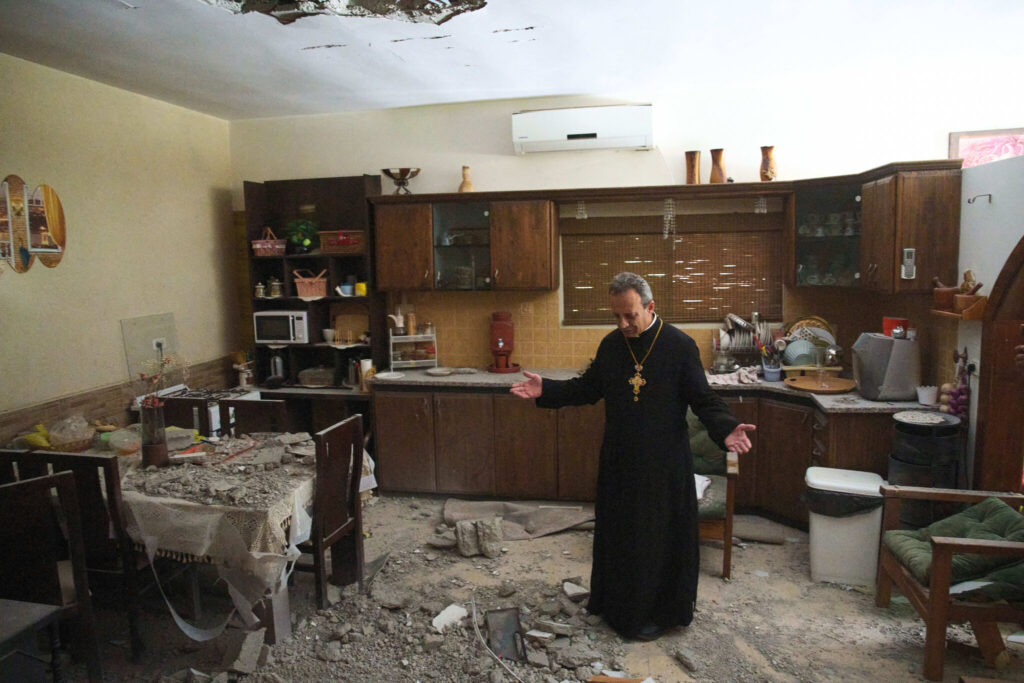
In Kuwait, an Iranian missile struck a power and desalination facility, killing one worker and injuring 10 soldiers, according to state media reports. Saudi Arabia intercepted five missiles aimed at its oil-rich Eastern Province. Meanwhile, air defenses in the United Arab Emirates intercepted a missile over Dubai, producing a visible fireball in the sky.
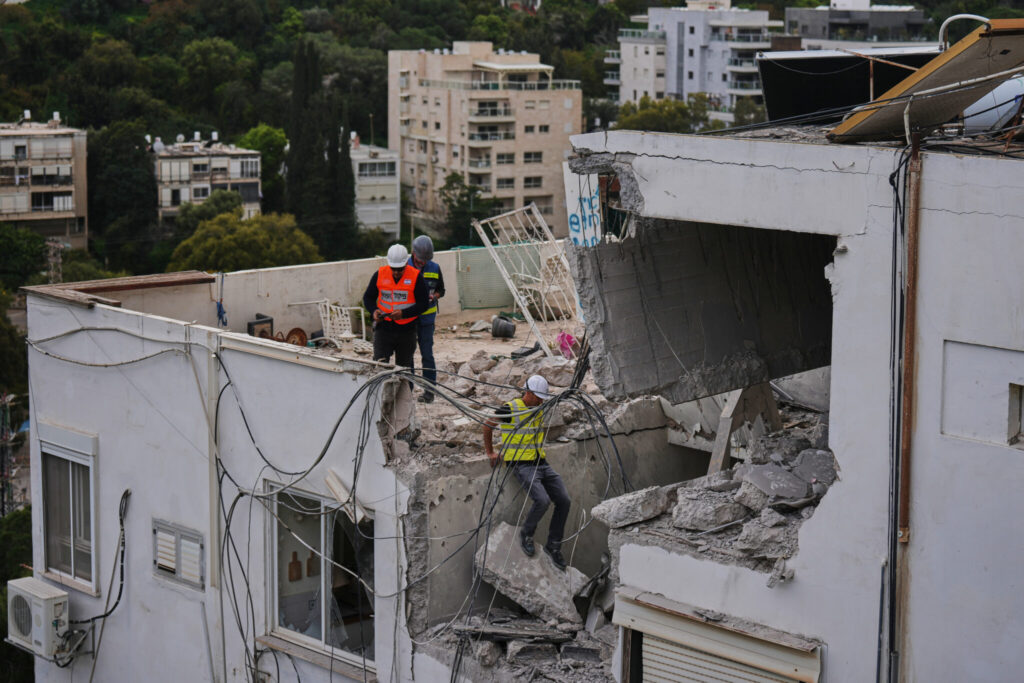
Israel also reported renewed attacks near its main nuclear research center, while its military intercepted drones launched from Yemen by Iran-backed Houthi rebels. Israeli forces responded with a new wave of strikes targeting Iranian military infrastructure in Tehran and beyond.
Explosions were reported across Iran’s capital, and Iranian state media confirmed damage to a petrochemical plant in Tabriz following an airstrike.
U.S. Considers Seizing Iran Oil Hub
In comments to the Financial Times, Trump suggested the U.S. might attempt to seize Kharg Island — Iran’s primary oil export terminal.
“Maybe we take Kharg Island, maybe we don’t,” Trump said, adding that his preference would be to “take the oil in Iran.”
The proposal signals a dramatic escalation that could draw wider regional involvement. Iran warned that any U.S. ground operation would trigger a broader conflict, including potential mining of the Persian Gulf and attacks on Gulf nations hosting U.S. forces.
Iranian officials rejected Washington’s proposals, calling them “excessive, unrealistic and irrational.” Tehran also denied direct negotiations despite reports of mediation efforts involving Pakistan.
Iran’s parliament speaker Mohammad Bagher Qalibaf issued a stark warning, saying Iranian forces were ready to confront U.S. troops if deployed.
Civilian Impact Growing
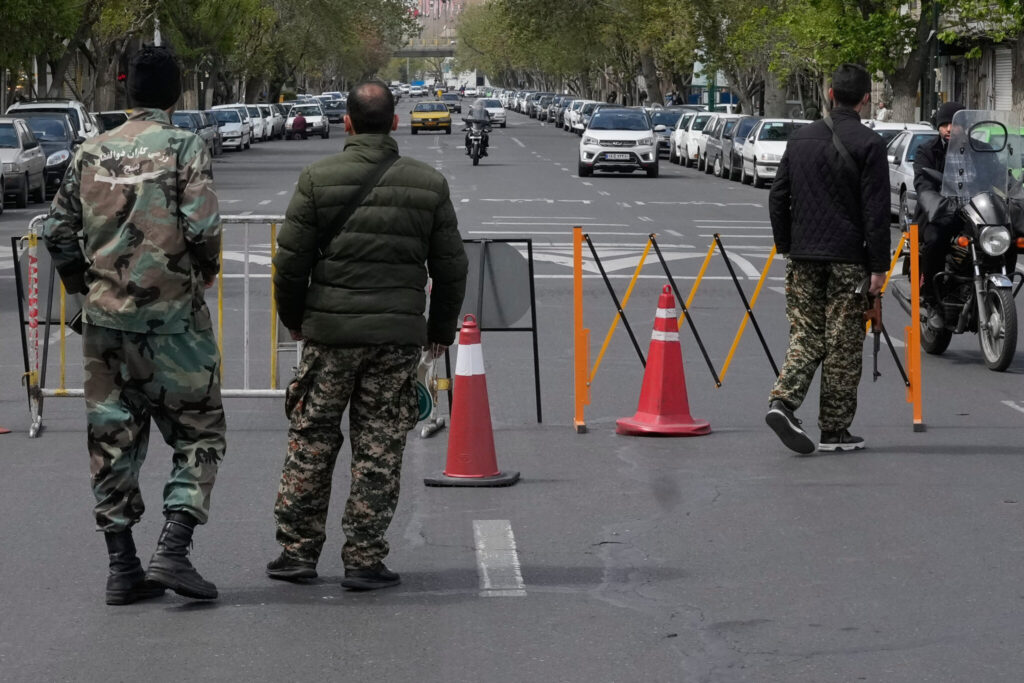
Residents inside Iran reported power outages following nearby strikes. A 22-year-old resident near Tehran described fear as electricity was cut overnight.
“I thought they’d hit the power plants and we wouldn’t have power anymore,” he said anonymously due to security concerns.
Legal experts note that targeting civilian infrastructure such as energy facilities and desalination plants is heavily restricted under international law. Such strikes must meet strict criteria and avoid excessive civilian harm, or they could be considered war crimes.
Lebanon Fighting Escalates
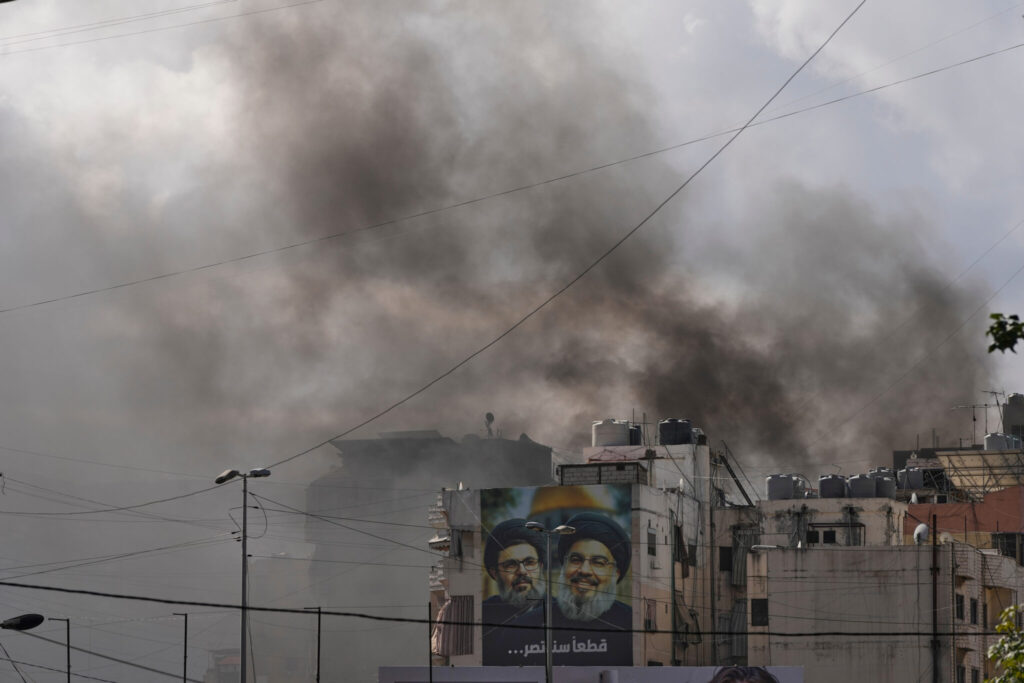
Violence also intensified in Lebanon, where Israeli forces continue battling Hezbollah.
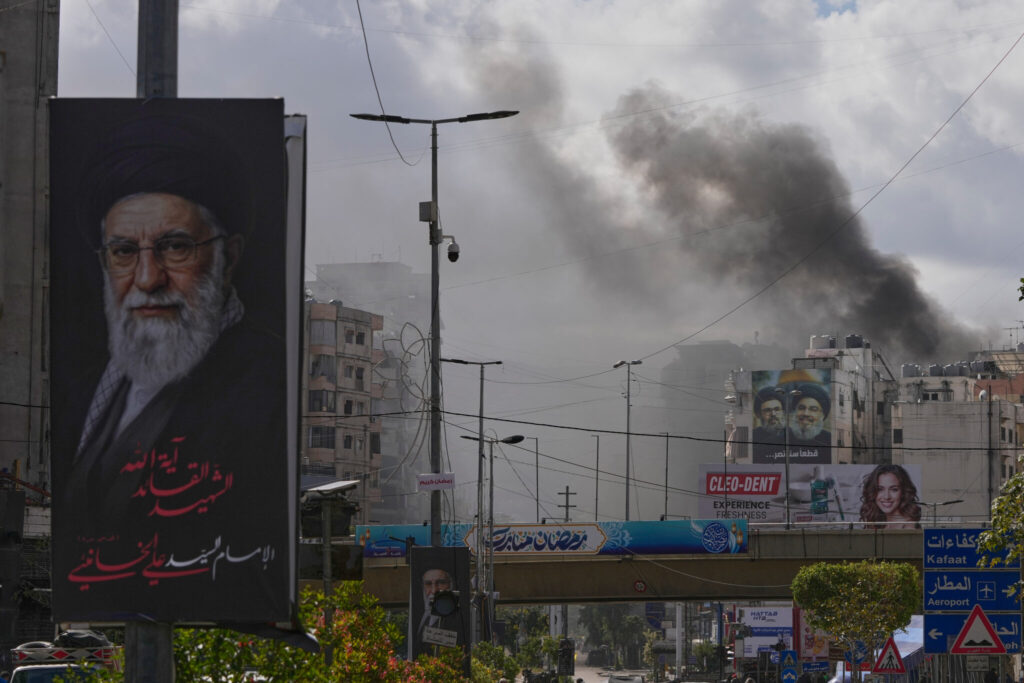
The United Nations peacekeeping mission UNIFIL reported three peacekeepers killed within 24 hours. An Israeli airstrike in a Beirut suburb killed one person and injured 17 others, including four children.
Israeli Prime Minister Benjamin Netanyahu announced plans to expand military operations in southern Lebanon, widening the existing security buffer zone.
Rising Casualties Across Region
The conflict’s human toll continues to grow:
- More than 1,900 killed in Iran
- 19 killed in Israel
- Two dozen killed across Gulf states and West Bank
- Over 1,200 killed in Lebanon
- More than 1 million displaced in Lebanon
- Six Israeli soldiers killed
- 13 U.S. service members killed
Global Energy Crisis Concerns
Iran’s attacks on regional energy infrastructure and disruptions to the Strait of Hormuz have triggered fears of a global energy crisis. Oil, natural gas, and fertilizer supplies are all at risk.
Brent crude oil climbed to roughly $115 per barrel Monday — nearly 60% higher than when the conflict began.
Trump also claimed Iran agreed to allow 20 oil tankers through the Strait of Hormuz starting Monday as a “sign of respect,” though there was no immediate confirmation those ships had begun moving.
Markets remain volatile as analysts warn the conflict could expand further if diplomacy fails.
The escalating confrontation now stretches across Iran, Israel, Lebanon, Gulf states, and surrounding regions — raising fears of a prolonged and destabilizing war that could reshape global energy markets and geopolitical alliances.






You must Register or Login to post a comment.