

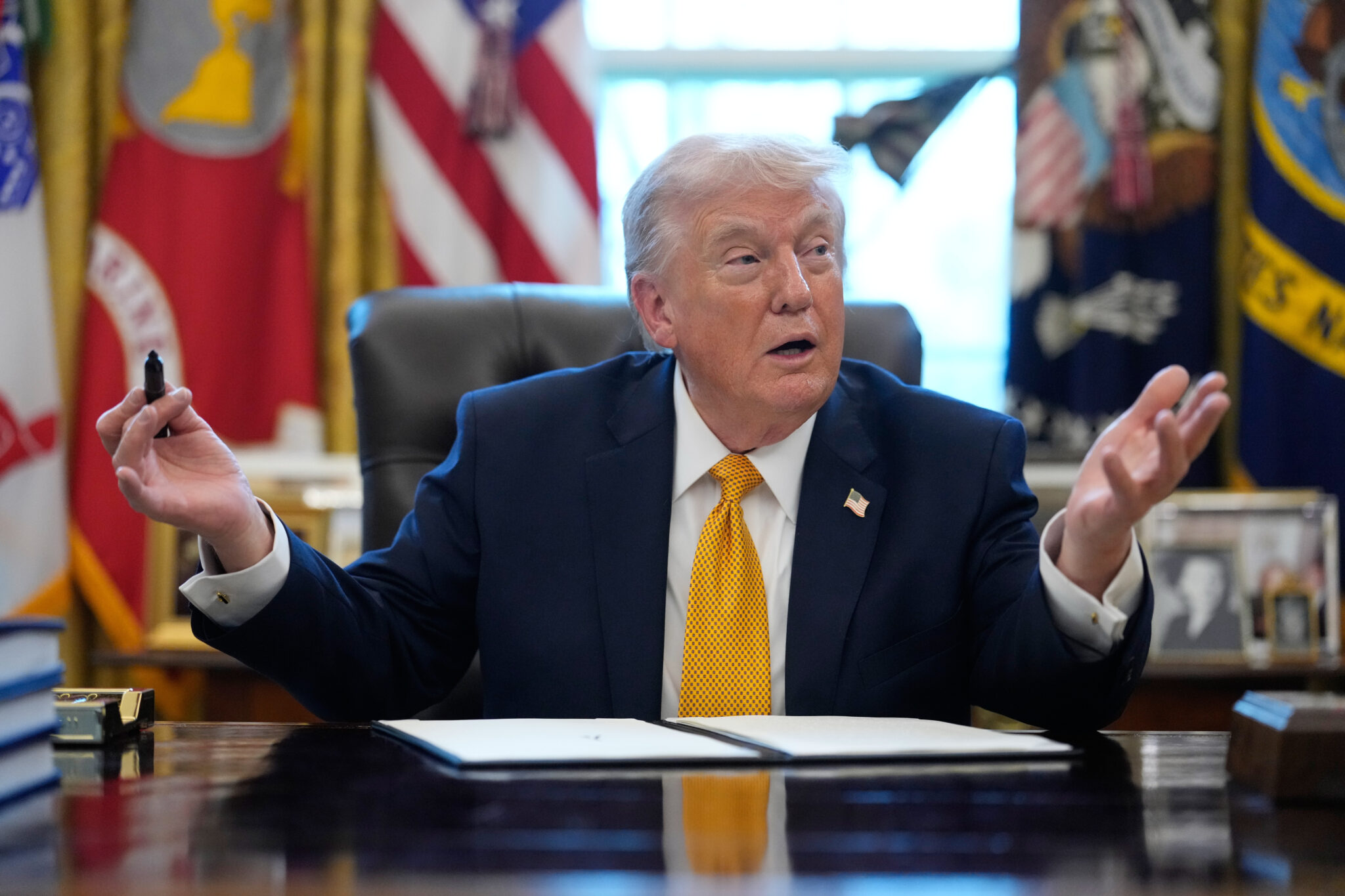
Trump Threatens Iran South Pars Strike After Qatar Attack/ Newslooks/ WASHINGTON/ J. Mansour/ Morning Edition/ President Donald Trump warned the U.S. could strike Iran’s South Pars gas field if Iran attacks Qatar again. The threat came after Iran hit Qatari energy infrastructure following an earlier strike on South Pars, the world’s largest natural gas field. The escalation has shaken global energy markets, damaged LNG facilities, and raised fears of a broader regional conflict.
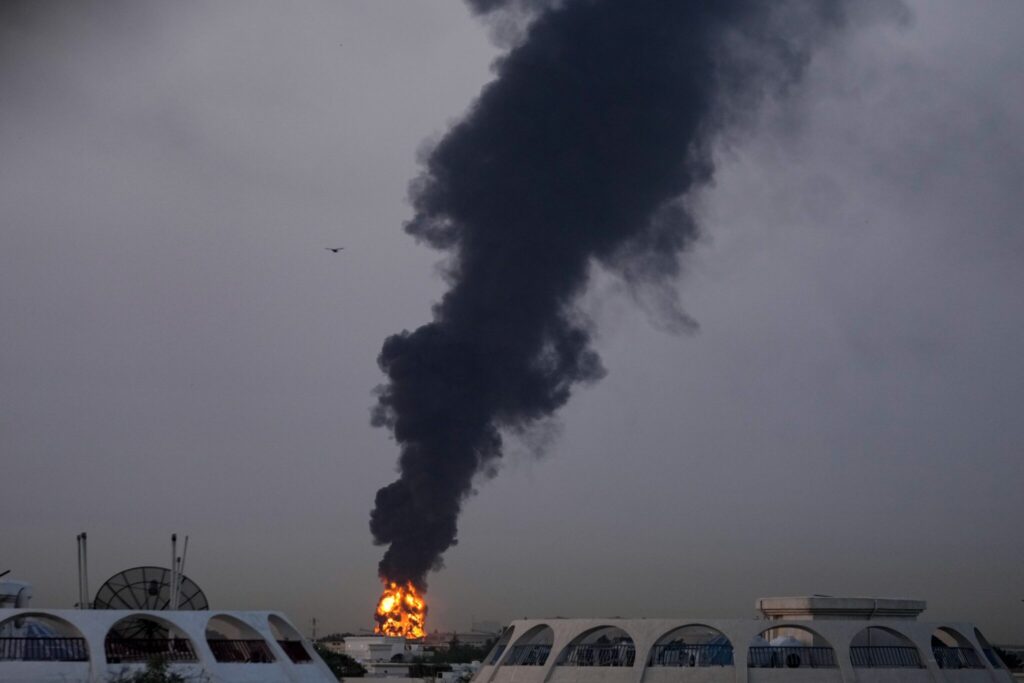
Trump South Pars threat Quick Looks
- Trump said Israel would not attack South Pars again unless Iran strikes Qatar another time.
- He warned the U.S. would massively destroy the field if Iran targeted Qatar again.
- South Pars is shared by Iran and Qatar and is considered the world’s largest natural gas field.
- The field is critical to Iran’s domestic energy system and household fuel supply.
- Iran retaliated after a strike on South Pars by attacking Gulf energy infrastructure, including Qatar’s Ras Laffan complex.
- Qatar reported extensive damage at LNG sites after Iranian missile strikes.
- The damage could cut deeply into Qatar’s LNG export capacity for years.
- Oil prices surged as traders reacted to attacks on energy assets and shipping risks in the Gulf.
Deep Look: Trump Threatens Iran South Pars Strike After Qatar Attack
President Donald Trump has escalated the rhetoric around the Iran war by warning that the United States could strike Iran’s South Pars gas field if Tehran attacks Qatar again, tying future U.S. military action directly to the safety of one of the world’s most important energy producers. The warning came after Iranian missiles hit Qatar and after an earlier strike on South Pars, the giant offshore field shared by Iran and Qatar in the Persian Gulf. Trump said Israel would make no more attacks on South Pars, but added that if Iran targeted Qatar again, the U.S. would retaliate by destroying the field.
The threat matters because South Pars is not just another strategic site. It is the Iranian side of the world’s largest natural gas reserve, a field that underpins much of Iran’s electricity generation, heating supply, and broader domestic energy system. The field is central to daily life and industrial activity inside Iran. A strike serious enough to disable it would go far beyond military signaling and could inflict lasting damage on civilian energy access inside the country.
The broader conflict around South Pars has already spilled into neighboring Gulf states. After the initial strike on the Iranian gas field, Iran retaliated by launching attacks on energy infrastructure across the region, including facilities in Qatar, Saudi Arabia, the United Arab Emirates, and Kuwait. Qatar’s Ras Laffan Industrial City, one of the most important LNG hubs in the world, was hit in the fallout. Reports described extensive damage and fires at Qatari gas sites, underscoring how quickly the war has moved from military targets to the energy infrastructure that powers the global economy.
The consequences for global energy markets have been immediate. Damage in Qatar could sideline a significant share of the country’s LNG export capacity for years, a major disruption for customers in Europe and Asia that rely on Qatari gas. Any long-term outage would not only strain global gas supply but also raise costs for importers and deepen fears of a prolonged energy shock.
Oil markets have also reacted sharply. Prices surged as traders priced in the risk of more strikes on Gulf production and shipping. The concern is not limited to fixed infrastructure. The Strait of Hormuz remains under intense pressure, with shipping disruptions and attacks on vessels adding to fears that the region’s main export corridor for oil and gas could become even more dangerous. Since a large share of the world’s seaborne energy passes through that route, every new missile strike or ship attack increases the global economic stakes.
Trump’s warning also highlights a tension in the public narrative around U.S. involvement. He said the United States knew nothing about the South Pars strike, though reports indicated Washington had been informed about Israel’s plans and did not participate. That distinction may matter politically, but strategically the effect is similar: the United States is now publicly linking its own red lines to Iran’s attacks on Gulf energy sites and signaling a willingness to hit core Iranian infrastructure if those red lines are crossed again.
Regional and international reactions have reflected the seriousness of that shift. Gulf Arab states have condemned Iranian attacks on civilian and energy facilities, while other world leaders have warned that reprisal attacks are reckless and risk expanding the war. Analysts have cautioned that attacks on liquefied natural gas infrastructure represent a dangerous expansion of the conflict because those facilities are far harder and slower to repair than many other energy assets. That means the damage can outlast the fighting itself, affecting civilians, economies, and energy consumers far beyond the Middle East.
The story is no longer only about battlefield momentum or political messaging. It is now about whether the war will keep moving deeper into the systems that power homes, factories, shipping lanes, and national budgets. South Pars has become both a symbol and a fault line in that escalation. Trump’s threat may be intended as deterrence, but it also makes clear that one more strike on Qatar could trigger an even more destructive phase of the conflict, with consequences for Iran’s energy base and the wider world economy.




You must Register or Login to post a comment.