Trump Threatens SNAP Funds Over State Data Disputes/ Newslooks/ WASHINGTON/ J. Mansour/ Morning Edition/ The Trump administration is threatening to withhold SNAP administrative funds from states that refuse to share immigration-related data on beneficiaries. Over 20 states and D.C. are suing to block the move, citing legal overreach and privacy concerns. USDA officials argue the data is vital to uncovering fraud, but critics say the policy is unjustified and politically motivated.
SNAP Funding Threat Quick Looks
- USDA may cut administrative funds to states not sharing recipient data
- Over 22 states and D.C. are suing to block the federal demand
- Data request includes immigration status and personal details
- USDA cites need to curb fraud; critics call it politically charged
- A federal judge temporarily blocked enforcement in affected states
- SNAP benefits not impacted — only administrative funds at risk
- Experts argue there’s no legal basis to withhold such funds
- Majority of compliant states are Republican-led
Deep Look: Trump Administration Pressures States on SNAP Data, Threatens Funds Cut
WASHINGTON (AP) — The Trump administration has ignited a new battle with Democratic-led states by threatening to cut off funding used to manage the Supplemental Nutrition Assistance Program (SNAP) unless those states agree to share detailed information about recipients, including immigration status.
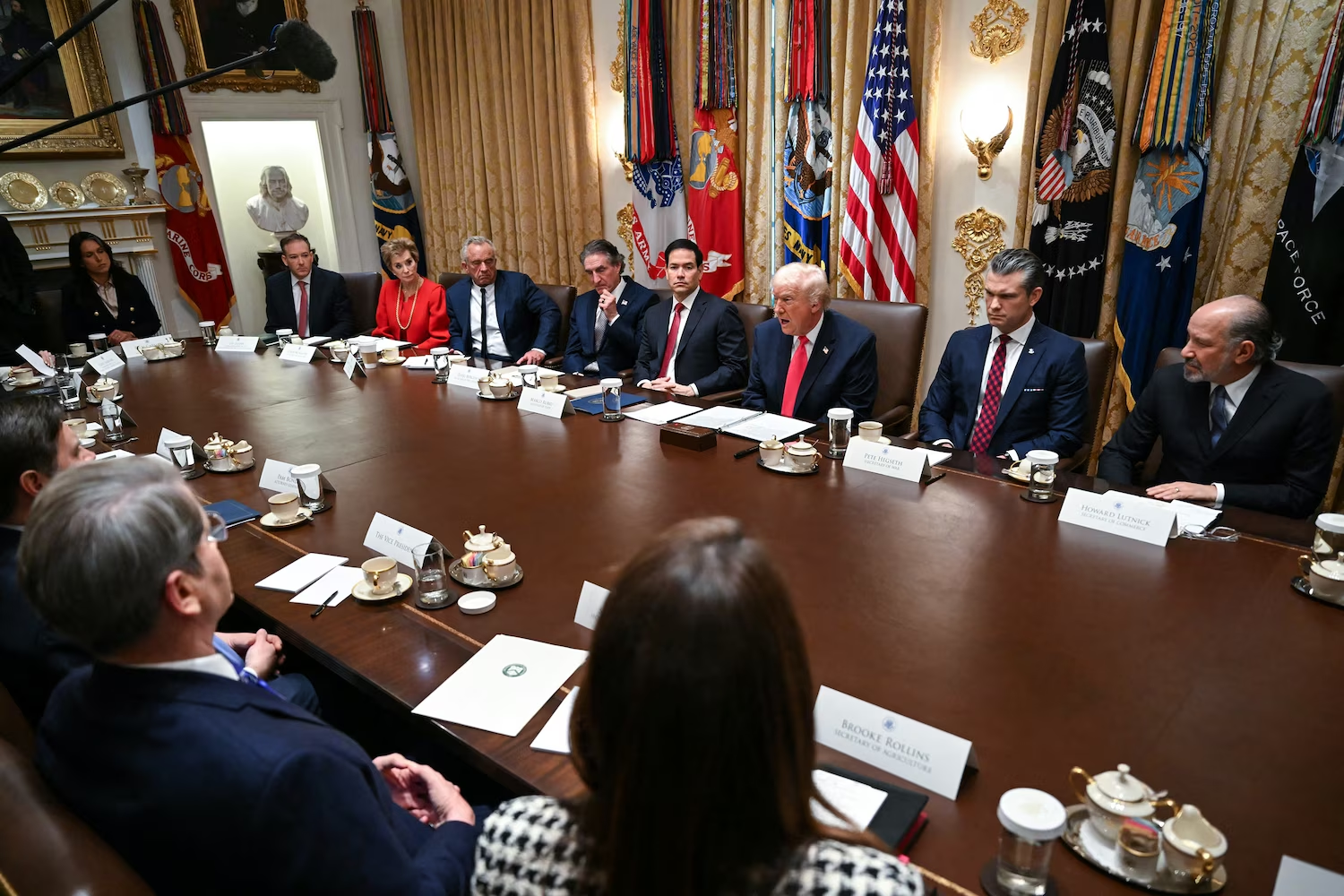
Speaking at a Cabinet meeting on Tuesday, Agriculture Secretary Brooke Rollins said states that refuse to comply with the U.S. Department of Agriculture’s data-sharing demands will see their administrative funding withheld starting next week. The demand affects funds used to operate the food assistance program — not the benefits themselves — but could seriously disrupt the program’s infrastructure in non-compliant states.
“Democrat states are blocking a key fraud prevention effort by withholding vital data,” Rollins said, claiming the initiative would protect taxpayers and ensure SNAP support reaches only those who qualify.
Legal Challenges and Federal Court Intervention
The federal demand has already sparked legal action. Twenty-two states, along with the District of Columbia, filed lawsuits earlier this year in response to a USDA request made in February. Their objections center on privacy concerns and the unprecedented nature of the request. A federal judge in San Francisco has temporarily barred the administration from collecting the data, pending further legal review.
The USDA doubled down last week, sending a formal letter demanding compliance by December 8. On Tuesday, the agency reiterated its intent: “If states fail to comply, USDA will move forward with a formal warning and may revoke their administrative funds.”
While federal law allows the USDA to withhold some administrative funding if states violate certain regulations, many legal experts argue this situation doesn’t meet the criteria.
“There’s no statutory authority to withhold these particular funds under these conditions,” said David Super, a Georgetown law professor and expert on federal nutrition programs.
What’s at Stake for SNAP and the States
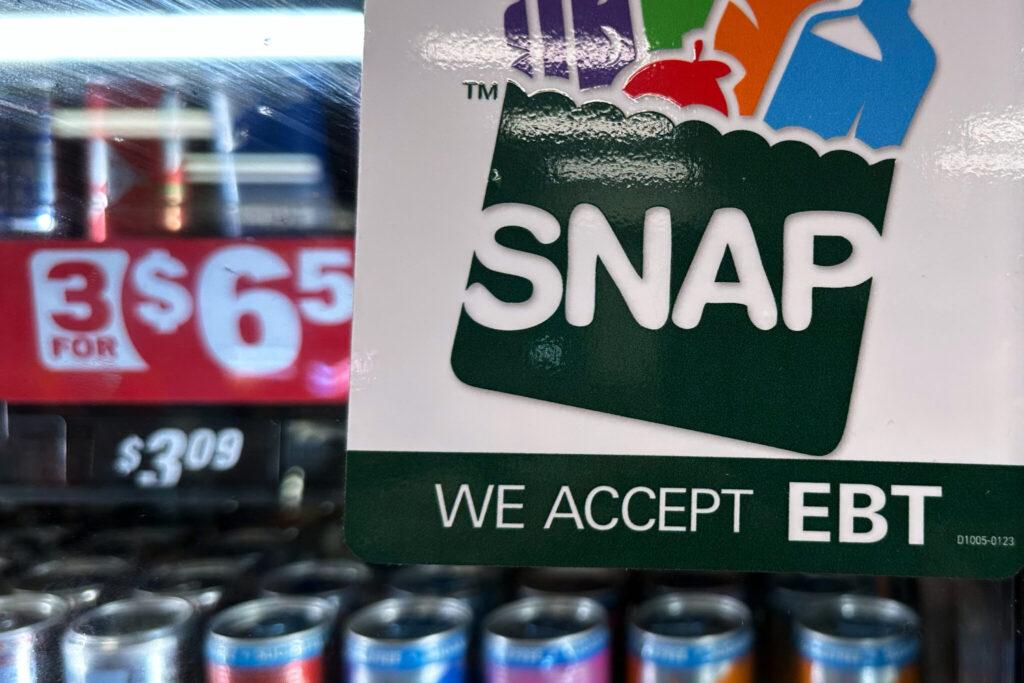
SNAP, which helps nearly 42 million low-income Americans buy food, is a $100 billion-a-year program. Although benefits are fully funded by the federal government, administration costs are shared with the states. On average, individuals receive about $190 per month in food assistance — about $6 per day.
Withholding administrative funding could severely impair the ability of states to process applications, monitor eligibility, and maintain program operations. Some policy advocates fear that the increased burden could lead some states to reduce their participation or withdraw entirely.
States are prohibited from redirecting benefit funds to cover administrative costs, making the threatened cuts potentially devastating.
Trump Officials Cite Fraud Concerns
Rollins defended the data request by citing fraud concerns. She claimed data from cooperating states showed that 186,000 deceased individuals and over 500,000 duplicate beneficiaries were receiving aid. However, the USDA has not released detailed figures or independent verification of these claims.
“We’re not trying to take food away from the needy,” Rollins said. “We’re making sure that fraudsters don’t exploit the system. We need state cooperation to do that.”
According to the USDA, 28 states and Guam have complied with the request. Most of those states are Republican-led, with North Carolina as a notable exception due to its Democratic governor.
Experts caution that while SNAP fraud exists, the most prevalent forms involve organized criminal activity like identity theft and counterfeit benefit cards — not fraudulent applications from legitimate recipients.
Political Ramifications and Congressional Pushback
Democratic lawmakers are pushing back hard. Rep. Jahana Hayes (D-CT), a co-sponsor of legislation aimed at blocking recent changes to SNAP, criticized the USDA’s tactics.
“People just trying to feed their families are not the villains here,” Hayes said. “This administration is weaponizing food policy and bypassing congressional oversight to push a political agenda.”
The Trump administration has increasingly politicized SNAP in recent years. New work requirements rolled out in 2025 now apply to individuals aged 55–64, as well as homeless and disabled people, further tightening eligibility.
The program briefly made headlines earlier this year when a government shutdown nearly halted November benefits. Legal battles temporarily halted payments before the shutdown ended and funding resumed.
SNAP at the Center of a National Debate
The Trump administration’s threat to withhold administrative funds marks the latest flashpoint in a larger battle over federal authority, state autonomy, and immigration enforcement. Critics argue the real aim is to pressure blue states into aligning with the administration’s broader immigration and welfare reform goals.
Meanwhile, food banks across the country continue to face rising demand, and advocates warn that instability in SNAP administration could leave vulnerable families in limbo.
As the December 8 compliance deadline looms, the standoff highlights the growing tension between federal oversight and state-level resistance — and the high stakes for millions of American families depending on food assistance.