

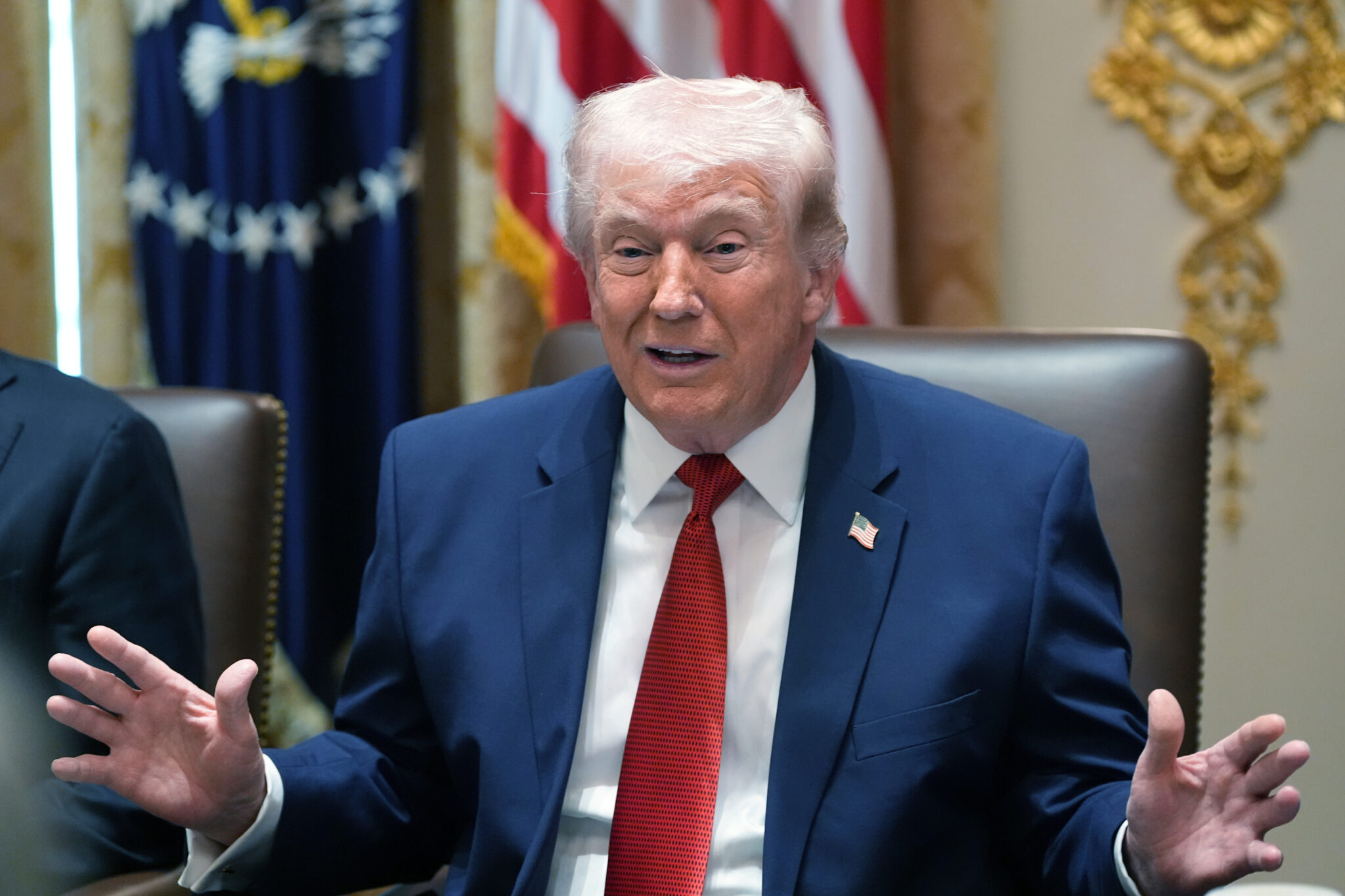
Trump to Allies ‘Go Get Your Oil’ as Iran War Drives Oil Prices Higher/ Newslooks/ WASHINGTON/ J. Mansour/ Morning Edition/ President Donald Trump criticized U.S. allies for not supporting the Iran war. Oil prices surged above $100 after Iran restricted the Strait of Hormuz. New strikes across the Middle East escalated tensions and global market volatility.
Trump Iran War Oil Prices Quick Looks
- Trump criticizes allies over Iran war support
- Oil prices rise above $107 per barrel
- Strait of Hormuz disruption drives fuel costs
- Iran drone hits Kuwaiti oil tanker
- U.S. strikes Iranian nuclear-linked city
- France, Spain, Italy limit U.S. military access
- Israel strikes Beirut and southern Lebanon
- Gas prices surpass $4 per gallon in U.S.
Deep Look: Trump Voices Frustration as Iran War Pushes Oil Prices Higher
DUBAI, United Arab Emirates — President Donald Trump expressed growing frustration Tuesday with U.S. allies unwilling to expand their involvement in the Iran war, as global oil prices surged and fuel costs climbed above $4 per gallon in the United States.
Trump took to social media following a new round of military strikes, telling allied nations to “go get your own oil” after they declined deeper participation in the conflict.
“You’ll have to start learning how to fight for yourself,” Trump wrote, criticizing countries that refused to support U.S. operations. “Iran has been, essentially, decimated. The hard part is done. Go get your own oil!”
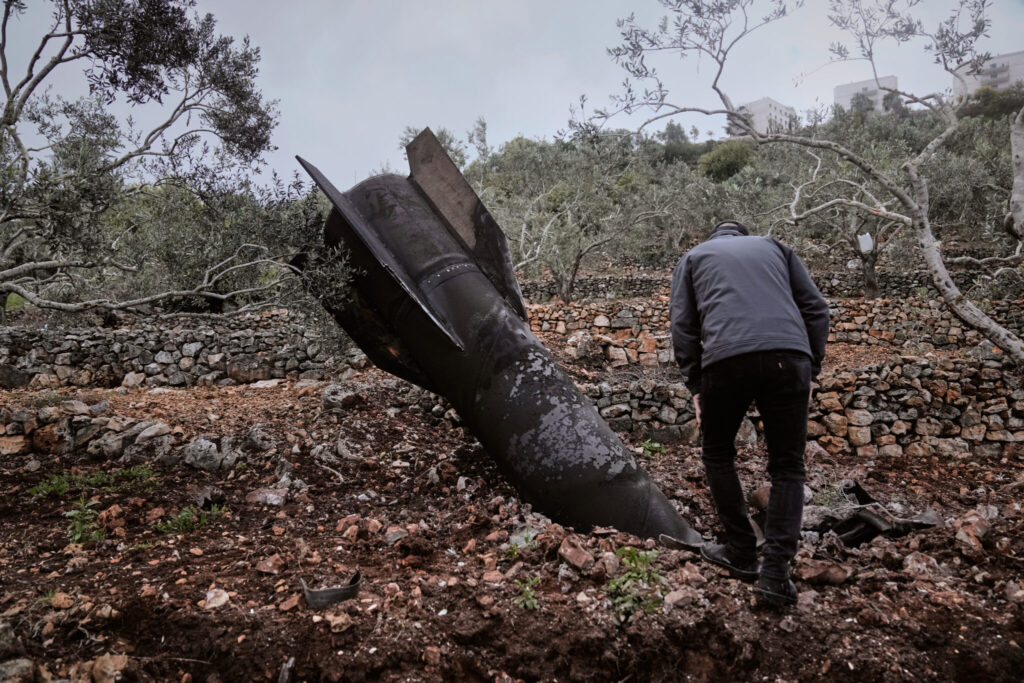
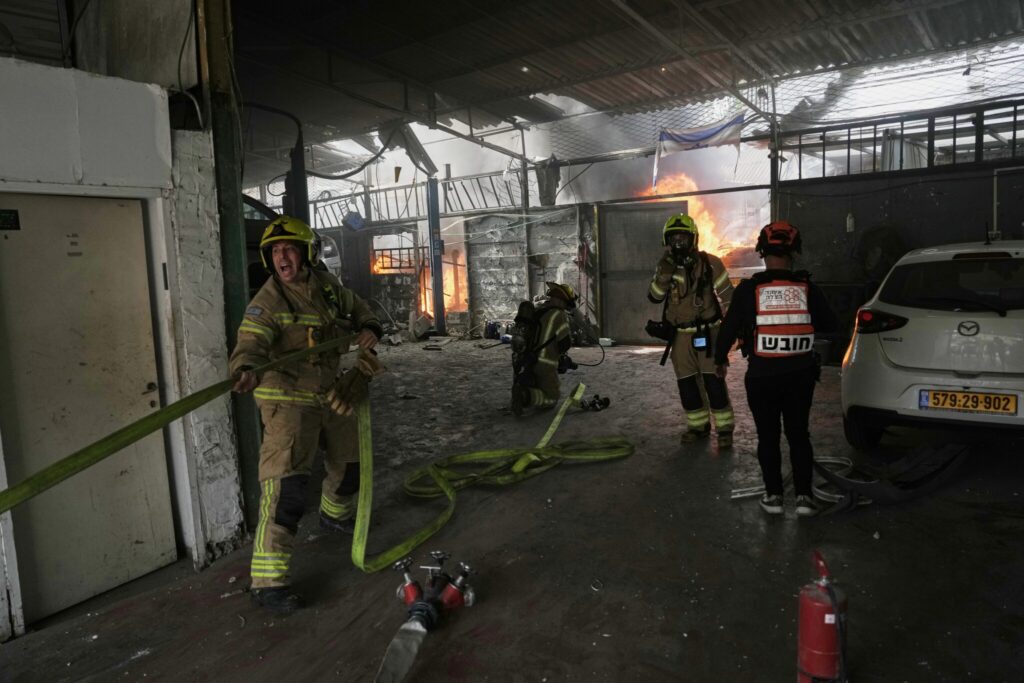
The comments came after U.S. forces struck a city tied to one of Iran’s main nuclear facilities, producing a large explosion, while Iran retaliated by targeting a Kuwaiti oil tanker in the Persian Gulf.
War Intensifies Across Middle East
The conflict, now in its fifth week, has escalated with multiple strikes across the region. The latest military activity included:
- U.S. strikes on Iran’s Isfahan region
- Iranian drone attack on Kuwaiti oil tanker near Dubai
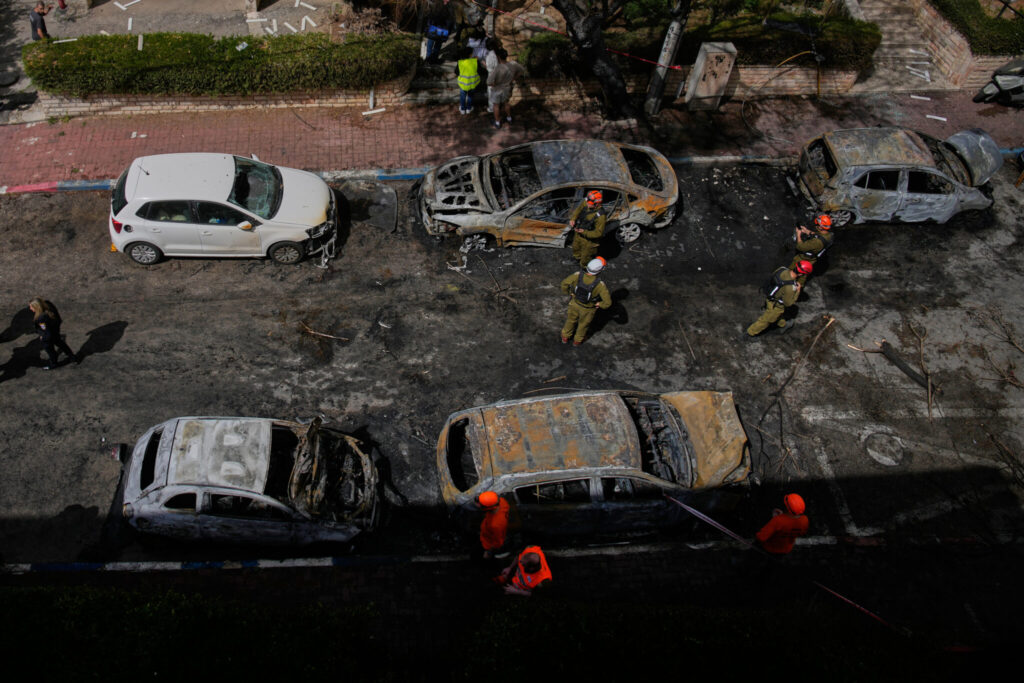
- Israeli strikes targeting Hezbollah-linked infrastructure in Beirut
- Missile interceptions in Saudi Arabia and Bahrain
The conflict has killed more than 3,000 people and disrupted global energy supplies, sending markets into volatility.
Iranian authorities report more than 1,900 deaths within the country, while Israel has reported 19 fatalities. Additional casualties have been reported in Lebanon, Gulf states, and the West Bank.
Strait of Hormuz Disrupts Oil Markets
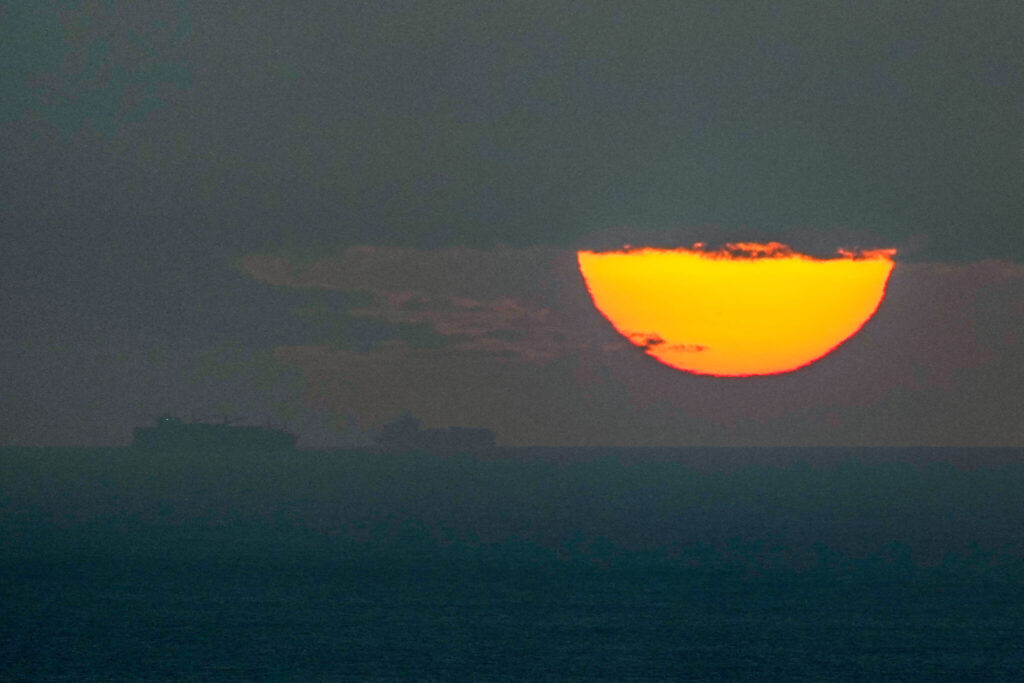
Iran’s effective closure of the Strait of Hormuz — through which roughly one-fifth of global oil typically flows — has driven oil prices sharply higher.
Brent crude hovered around $107 per barrel Tuesday, up more than 45% since the war began Feb. 28.
The disruption has pushed:
- U.S. gas prices above $4 per gallon
- Global energy costs higher
- Inflation concerns worldwide
- Stock market volatility
Iran has also targeted energy infrastructure, further tightening supply.
Trump Targets European Allies
Trump specifically criticized France for restricting U.S. military flights carrying supplies to Israel.
“The U.S.A. will REMEMBER!!!” Trump wrote, calling France “VERY UNHELPFUL.”
France has allowed limited use of its Istres base but only under conditions that aircraft would not participate in strikes.
Spain has closed its airspace to U.S. warplanes, while Italy recently denied access to the Sigonella air base in Sicily for aircraft heading toward the Middle East.
Italy’s Defense Minister Guido Crosetto later clarified that U.S. forces can still use Italian bases under certain conditions.
Israel Expands Operations in Lebanon
Israel confirmed new strikes targeting Hezbollah infrastructure in Beirut and announced plans to control territory south of the Litani River.
Israel entered southern Lebanon after Hezbollah launched missiles into northern Israel following the start of the broader war.
Lebanese officials report more than 1,200 deaths and over 1 million displaced people amid the ongoing fighting.
Nuclear Concerns in Isfahan
Satellite imagery suggests Iran may have moved highly enriched uranium to a facility near Isfahan before the latest strikes.
Analysts believe the materials may include uranium enriched to 60% purity — close to weapons-grade levels.
Trump has warned that if Iran does not reopen the Strait of Hormuz or agree to a ceasefire, the United States could expand attacks to include:
- Kharg Island oil export hub
- Desalination plants
- Additional military targets
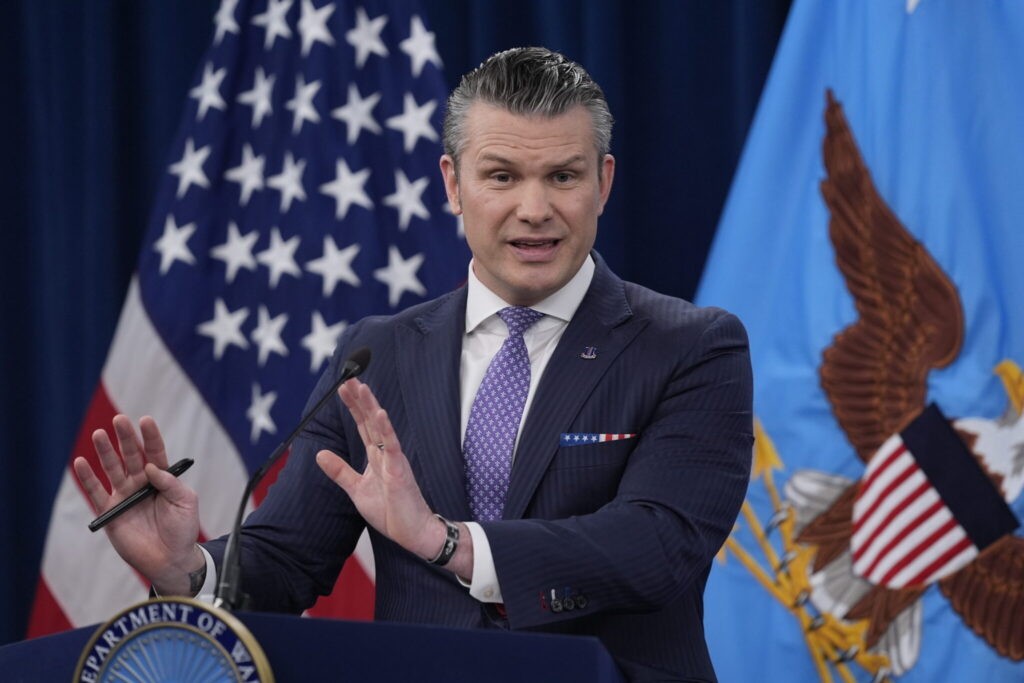
Defense Secretary Pete Hegseth declined to rule out further escalation, saying negotiations remain ongoing but military pressure continues.
Regional Attacks Continue
Iran’s drone attack on a Kuwaiti tanker near Dubai sparked a fire that was later extinguished. No oil spill was reported.
Additional developments included:
- Explosions heard in Dubai
- Missile interceptions in Saudi Arabia
- Air raid sirens in Bahrain
- Iranian missile warnings in Israel
Casualties continue to mount across the region, including 13 U.S. service members killed and 10 Israeli soldiers killed in Lebanon.
Global Impact Expands
The ongoing conflict is increasingly affecting global energy markets, international alliances and regional security.
With oil prices elevated and tensions rising, the conflict’s economic and geopolitical consequences are expected to continue shaping global markets in the weeks ahead.





You must Register or Login to post a comment.