

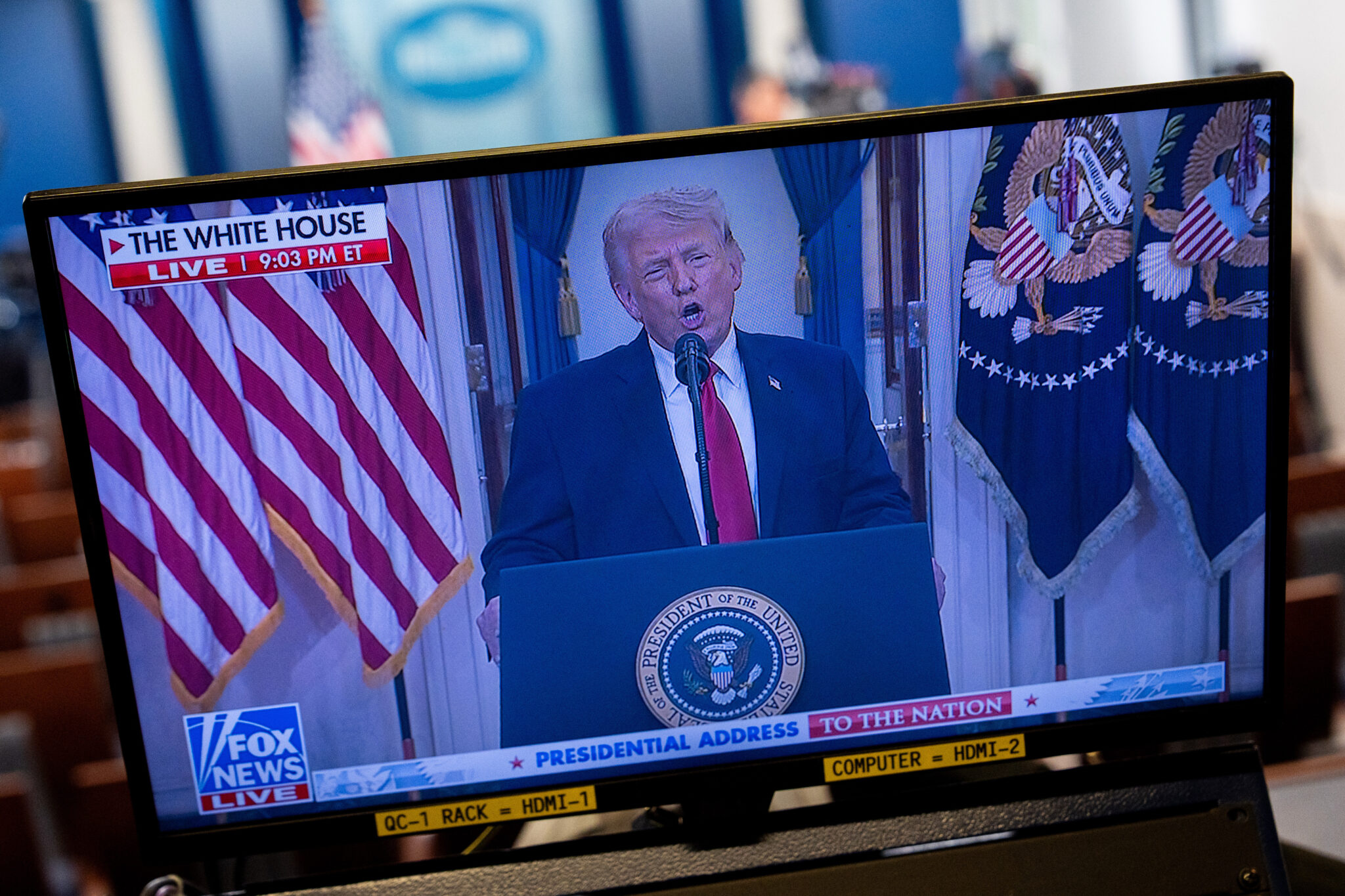
Trump Urges Skeptical Americans to Give Iran War More Time/ Newslooks/ WASHINGTON/ J. Mansour/ Morning Edition/ President Donald Trump urged Americans to remain patient as the Iran war continues without a clear end date. Polls show rising skepticism and concerns over gas prices and economic impacts. Trump pledged continued military pressure while avoiding plans for ground troop deployment.
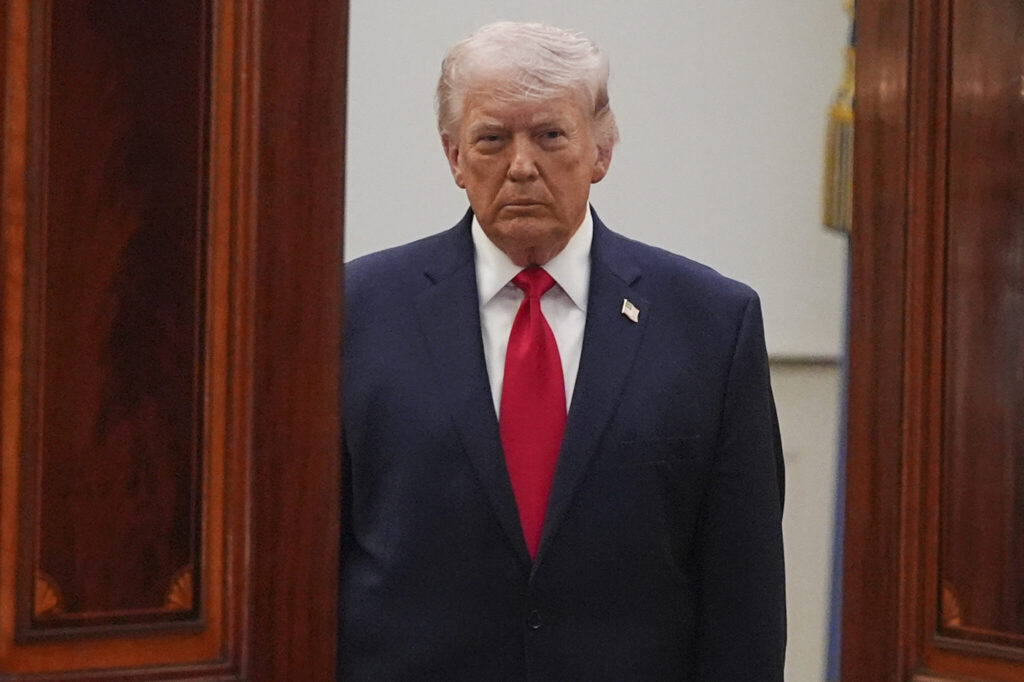
Trump Iran War Speech Quick Looks
- Trump asks Americans for more time
- War now more than one month long
- No clear timeline for conflict ending
- Oil prices surge following escalation warning
- Poll shows majority believe war went too far
- Gas price concerns rising among Americans
- Trump avoids ground troop deployment plans
- Democrats criticize lack of clear strategy
- Iran still launching strikes in region
- Trump threatens Iranian energy infrastructure
- No new diplomatic negotiations announced
- Markets react with volatility and uncertainty
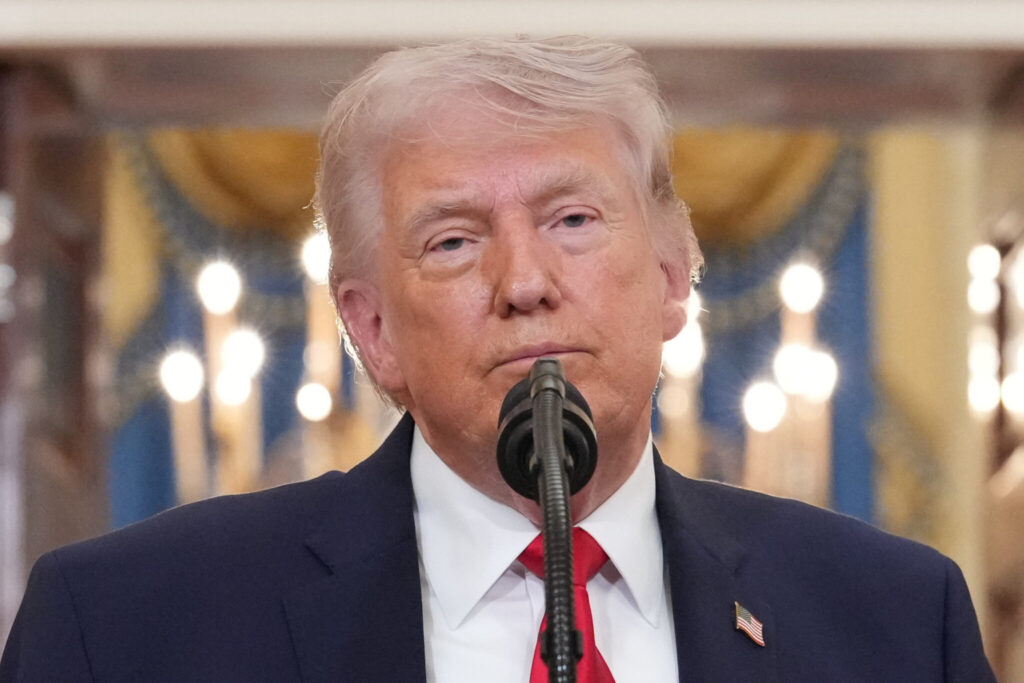
Deep Look: Trump Urges Patience As Iran War Faces Growing Skepticism
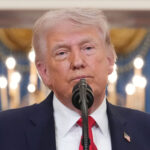
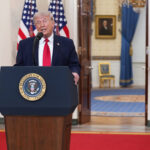
WASHINGTON — President Donald Trump used his first major address since launching military operations against Iran to reassure Americans that U.S. objectives will be completed “shortly,” while urging a skeptical public to remain patient as the conflict stretches into its second month.
In Wednesday evening’s address, Trump adopted a more measured tone than in recent days, when he had delivered increasingly aggressive rhetoric. However, his promise to “finish the job” did little to calm financial markets, which reacted with rising oil prices and falling Asian stocks after he warned the United States would continue striking Iran “very hard” over the coming weeks.
Trump did not provide new details about potential negotiations with Iran or outline a concrete endgame strategy. He also avoided criticizing NATO allies for failing to assist in reopening the Strait of Hormuz — a critical global oil shipping route — despite earlier signals from White House officials that the issue would be addressed.
The president said U.S. forces would intensify operations for the next two to three weeks but did not specify how long the conflict might ultimately last. Instead, he appealed directly to Americans for patience.
“We are in this military operation, so powerful, so brilliant, against one of the most powerful countries for 32 days,” Trump said. “This is a true investment in your children and your grandchildren’s future.”
Public Skepticism Growing
Trump’s appeal comes as public support for the war appears to be weakening. An AP-NORC poll conducted in mid-March found that 59% of Americans believe U.S. military action in Iran has gone too far.
Economic concerns are also rising. According to the same poll, 45% of Americans are extremely or very concerned about being able to afford gasoline in the coming months. That marks a significant increase from 30% shortly after Trump’s reelection, when he promised to lower costs and strengthen the economy.
As Trump deploys additional warships and troops to the Middle East, Americans are increasingly worried about both the financial and human costs of the conflict.
Trump attempted to put the conflict into historical context by referencing past wars, including World War I, World War II, Korea, Vietnam, and Iraq, noting that American conflicts have historically lasted months or years.
Domestic Pressure Mounts
Hours before delivering his address, Trump acknowledged growing domestic pressure during a private White House Easter gathering. He suggested the United States could potentially seize Iran’s oil resources but lamented that Americans appear unwilling to support a prolonged effort.
“They want to see it end,” Trump said, reflecting on public sentiment. “People in the country sort of say, ‘Just win… Just win. Come home.’”
The president said he understood those concerns but emphasized the long-term benefits of completing the mission.
Democratic Criticism Intensifies
Democrats quickly criticized Trump’s address, arguing he failed to present a coherent strategy for ending the conflict or reopening the Strait of Hormuz.
Sen. Chris Murphy of Connecticut said Trump’s speech lacked grounding in reality and warned that Iran continues to project power despite U.S. strikes.
Murphy argued that the United States risks spending billions, losing lives, and destabilizing the global economy without achieving clear objectives.
The Strait of Hormuz remains a key concern. Iran has effectively restricted shipping through the vital waterway, pushing oil prices higher and rattling global markets.
Trump urged allies to purchase more U.S. oil and help secure the strait, but critics say he launched the conflict without consulting international partners and is now asking for global assistance to manage the fallout.
No Ground Troops Planned
Trump avoided signaling any imminent deployment of U.S. ground troops. Instead, he emphasized air and missile strikes as the primary military strategy.
He also downplayed concerns about Iran’s stockpile of highly enriched uranium, suggesting it would take months for Iran to retrieve material buried under rubble from earlier U.S. bombing campaigns.
Trump said the U.S. is monitoring Iranian nuclear sites using satellite surveillance.
“If we see them make a move, even a move for it, we’ll hit them with missiles very hard again,” Trump said.
Continued Escalation Possible
Trump also warned that the U.S. could target Iran’s energy infrastructure if negotiations fail, including electricity generation plants. He noted that Iran’s oil facilities remain untouched but suggested they could be targeted if necessary.
“We have not hit their oil… but we could hit it,” Trump said.
Despite the warnings, Trump did not outline diplomatic steps toward a ceasefire or a clear end to the conflict.
As the war enters its second month, the president faces growing skepticism at home, volatility in global markets, and continued resistance from Iran — leaving questions about the duration and outcome of the conflict unresolved.



You must Register or Login to post a comment.