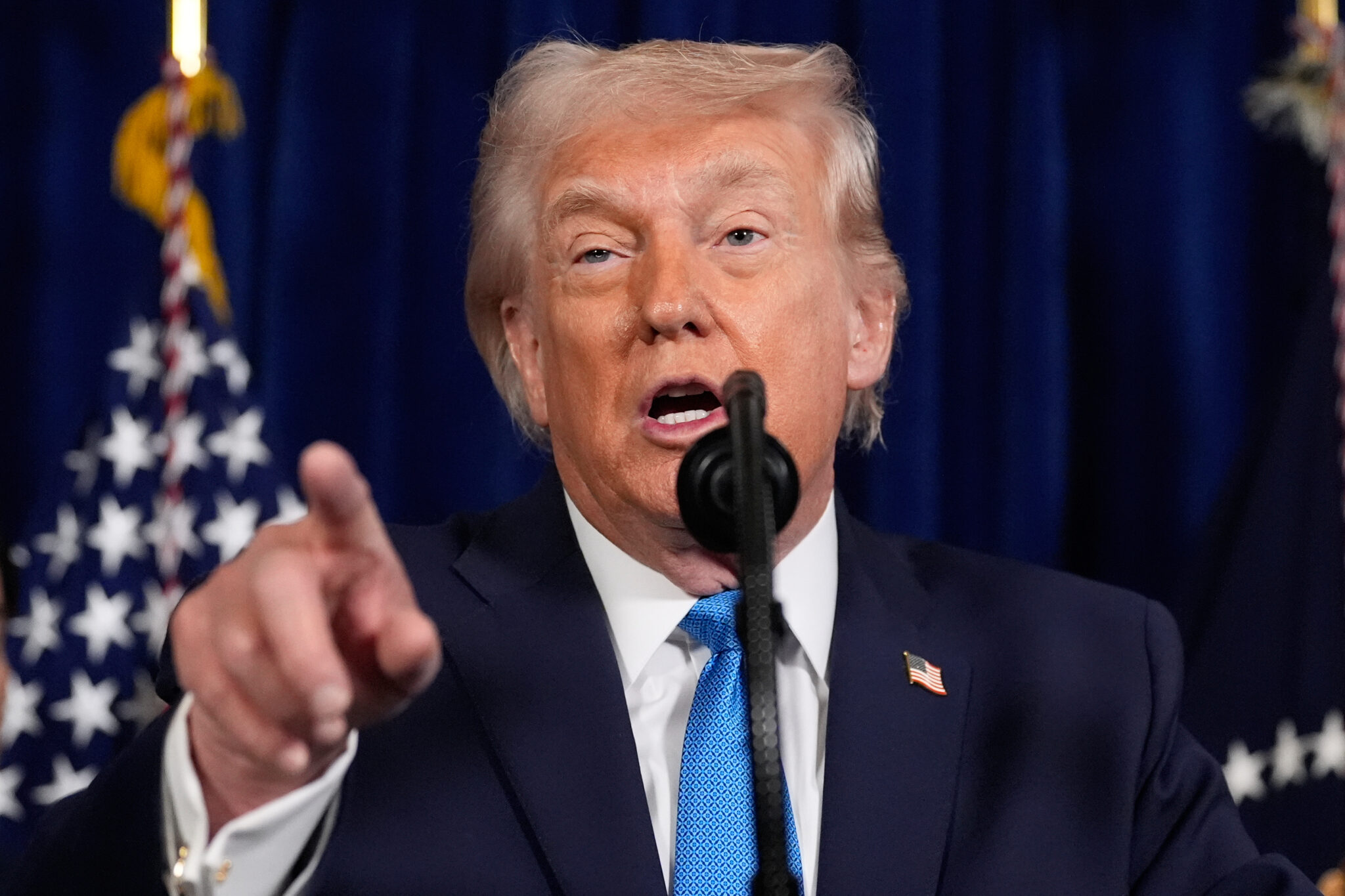
Trump: US to Get 30M to 50M Oil Barrels from Venezuela at Market Price/ Newslooks/ WASHINGTON/ J. Mansour/ Morning Edition/ Donald Trump announced the U.S. will receive up to 50 million barrels of oil from Venezuela. The deal follows a controversial military raid capturing Nicolás Maduro. Political fallout continues as international leaders and U.S. citizens react to unfolding events.
Venezuela Oil Deal Quick Looks
- Trump says Venezuela will send 30–50 million barrels of oil to the U.S.
- Oil priced at market rate, potentially worth $2.8 billion
- Proceeds said to benefit people in both nations
- Deal follows controversial U.S. raid capturing Maduro
- 24 Venezuelan and 32 Cuban officials reportedly killed
- U.S. oil companies invited to White House meeting
- Chevron, Exxon, ConocoPhillips expected to attend
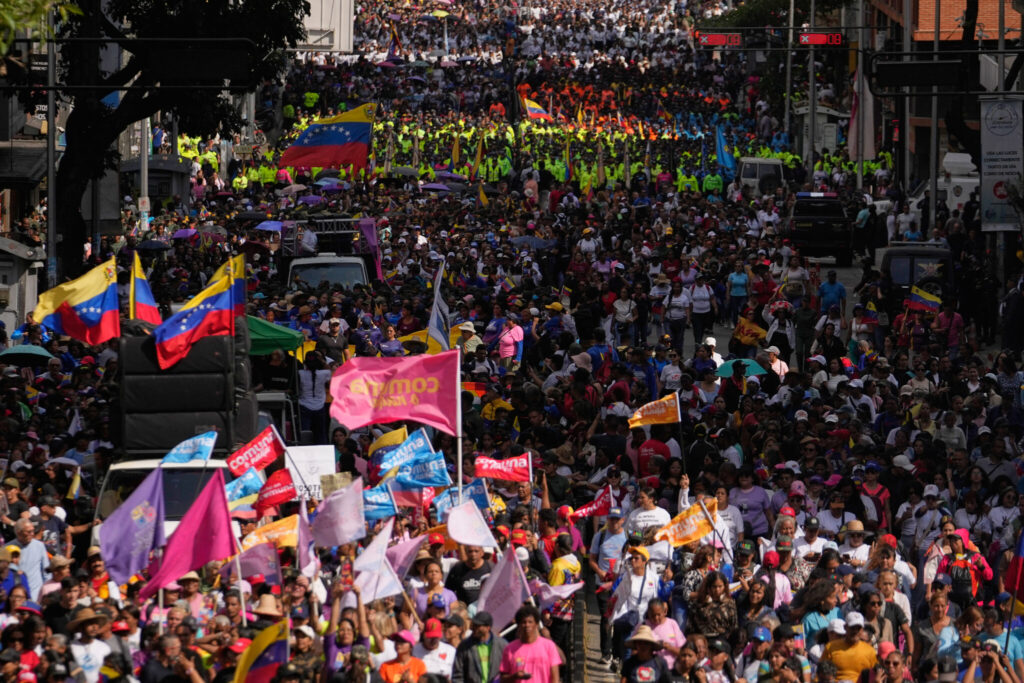
- Caracas streets erupt in protests and government displays
- Polls show divided American opinion on Maduro’s capture
- Venezuela’s oil production lags despite vast reserves
Trump: US to Get 30M to 50M Oil Barrels from Venezuela at Market Price
Deep Look
President Donald Trump revealed Tuesday that Venezuela will provide the United States with between 30 million and 50 million barrels of oil, purchased at market value. The deal, valued at potentially $2.8 billion based on current oil prices, arrives in the immediate aftermath of a high-stakes U.S. military operation in Caracas that resulted in the capture of Venezuelan President Nicolás Maduro.
Trump emphasized that the funds from the oil sale would “benefit the people” of both countries, though specifics were not disclosed. This move signals the administration’s continuing effort to engage Venezuela’s vast oil reserves while pushing for greater American involvement in its struggling energy sector.
On Friday, the White House is scheduled to host a meeting with major U.S. oil companies, including Chevron, ConocoPhillips, and ExxonMobil, to discuss opportunities in Venezuela. This meeting underscores Washington’s strategic interest in reasserting its influence over Latin American energy politics, especially following recent geopolitical shifts.
The announcement came on the same day Venezuela’s government confirmed that at least 24 of its security personnel were killed during the U.S. raid to apprehend Maduro. Cuba, whose personnel were also stationed in Venezuela, reported 32 of its military and police officers died in the attack. These revelations have triggered strong rhetoric and public mourning across Caracas.
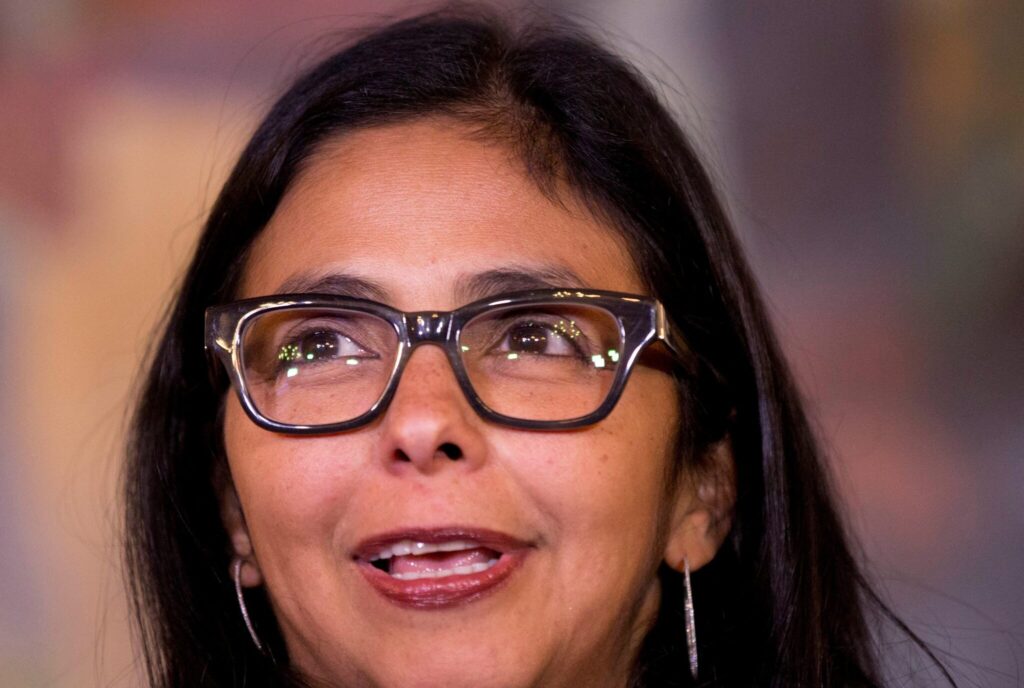
Delcy Rodriguez, Venezuela’s acting president, responded defiantly to Trump’s pressure to align Venezuela with U.S. interests. Speaking at a government assembly, she rejected foreign interference, stating, “My destiny is not determined by them, but by God.”
Attorney General Tarek William Saab called the deaths a potential “war crime,” saying prosecutors would investigate. The military posted a tribute video online, vowing justice and the restoration of Maduro to power, while calling the attack an affront to national sovereignty.
Despite being home to the world’s largest known oil reserves, Venezuela’s daily oil production is only about one million barrels, far behind the United States’ 13.9 million. The disparity is due to years of underinvestment, sanctions, and internal mismanagement. The country’s economic instability has made it both a challenge and a potentially valuable opportunity for foreign investors.
Meanwhile, ExxonMobil’s offshore oil development in neighboring Guyana has rekindled long-standing territorial disputes. Venezuela has sought to annex the Essequibo region, citing historical claims. Rodriguez and other officials have openly criticized Exxon’s operations and accused Guyanese leaders of collaborating against Venezuelan interests. Lawmakers in Caracas even proposed banning companies working in Guyana from operating in Venezuela.
Trump, addressing criticism of the raid from Democratic lawmakers, claimed credit for what he described as a successful operation that his predecessors failed to execute. He noted that President Joe Biden’s administration had also prioritized Maduro’s arrest, even offering a $50 million reward last year for information leading to his capture.
“They’ve been after this guy for years,” Trump said during a Republican House retreat. “At some point, they should say, ‘You did a great job.’”
Public reaction in the U.S. has been mixed. According to a Washington Post and SSRS poll, Americans are divided: about 40% support the military action, while an equal percentage oppose it. Nearly 90% of respondents agreed that Venezuelans should determine their own government.
Maduro, who pleaded not guilty to drug trafficking charges in a U.S. court on Monday, was taken alongside his wife in a surprise raid on a heavily guarded compound. The presence of Cuban guards at the site further complicated the international response.
Internationally, the operation has stirred concern about possible U.S. expansionist ambitions. Trump recently suggested acquiring Greenland and warned Colombia of potential military action over drug trafficking. These declarations have raised alarms in Latin America and Europe.
Colombia’s Foreign Affairs Minister Rosa Villavicencio announced a formal diplomatic protest in response to Trump’s comments labeling the Colombian president a “sick man” involved in drug production. Villavicencio reiterated Colombia’s commitment to fighting drug trafficking and expressed hope for restoring productive U.S. relations.
In Europe, leaders from France, Germany, Italy, Spain, Poland, and the UK issued a joint statement with Denmark defending Greenland’s autonomy. “Greenland belongs to its people,” they stated, opposing any foreign interference.
The full scope of the oil deal’s impact remains to be seen. While the immediate benefit to U.S. energy supply is modest—just over two days’ worth of usage—it marks a significant shift in U.S.-Venezuela relations. More importantly, it opens the door to increased U.S. investment in Venezuelan energy, if the political situation stabilizes.
For now, the situation remains tense, with questions surrounding Venezuela’s political future, U.S. strategic intentions in the region, and the role of global oil markets in shaping diplomacy.