Trump Vows to Use Insurrection Act to ‘Put an End’ to Minneapolis Protests/ Newslooks/ WASHINGTON/ J. Mansour/ Morning Edition/ President Trump threatens to invoke the Insurrection Act to deploy troops amid ongoing protests over federal immigration enforcement in Minneapolis. Demonstrations have intensified following a federal officer shooting and the earlier death of a woman during an ICE operation. Legal challenges, state criticism, and calls for federal restraint continue to grow.
Trump Threatens Insurrection Act Quick Looks
- Trump warns he may invoke the Insurrection Act amid Minneapolis unrest
- Statement made after a federal officer shot a man during an arrest
- Protests have surged since an ICE agent fatally shot Renee Good
- Demonstrations have included tear gas, clashes with federal agents
- Minneapolis officials call the situation “unsustainable”
- DHS reports over 2,000 arrests made in Minnesota since December
- Lawsuits challenge federal tactics; judge allows time for responses
- Pentagon mobilizing military lawyers to support immigration enforcement
- ICE agent involved in Good’s killing reportedly suffered internal injury
- Good’s family has hired Romanucci & Blandin to investigate
Trump Vows to Use Insurrection Act to ‘Put an End’ to Minneapolis Protests
Deep Look
MINNEAPOLIS — President Donald Trump on Thursday threatened to invoke the Insurrection Act, a rarely used federal law that would allow him to deploy U.S. troops or federalize the National Guard to quell ongoing protests in Minneapolis tied to federal immigration enforcement operations.
Trump’s warning came after clashes between protesters and federal agents intensified in the city. Earlier in the week, a federal officer shot a man in the leg during an attempted arrest after allegedly being attacked with a shovel and a broom handle. That incident added to local tensions, coming just days after a federal immigration agent fatally shot Renee Good, a Minneapolis woman, on January 7 — sparking widespread outrage and unrest.
In a post on social media, Trump wrote that if Minnesota’s political leaders failed to stop what he described as “professional agitators and insurrectionists” targeting Immigration and Customs Enforcement (ICE) agents, he would implement the Insurrection Act to “quickly put an end to the travesty.”
The statement marked a significant escalation in rhetoric from the White House, where Trump has repeatedly criticized state and local leaders for alleged inaction in the face of protest activity tied to federal immigration operations.
Protests, Clashes, and Federal Response
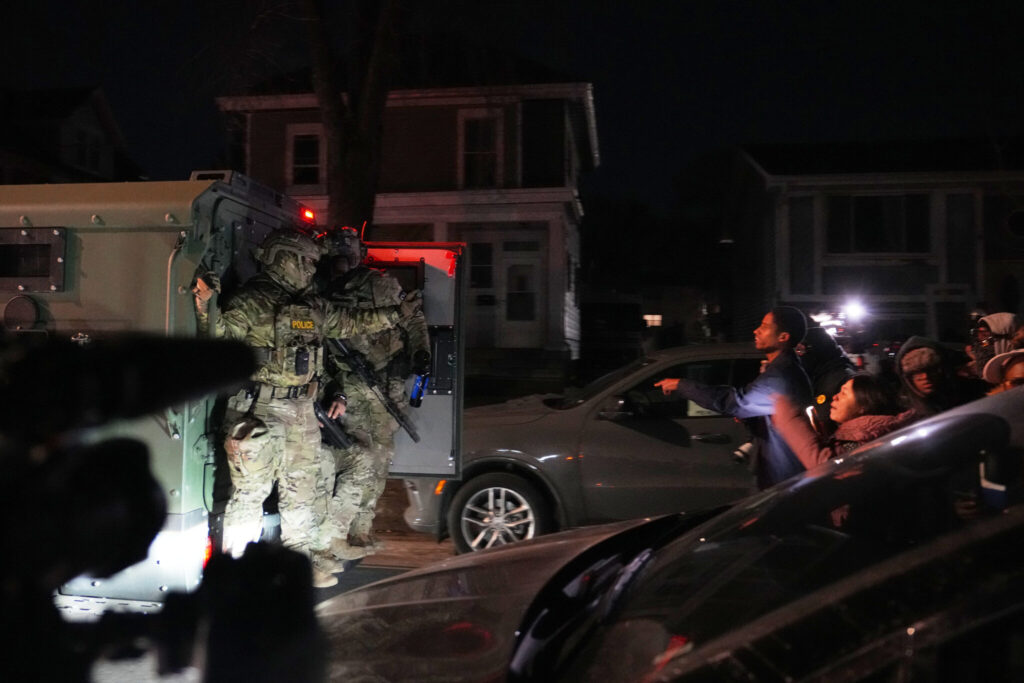
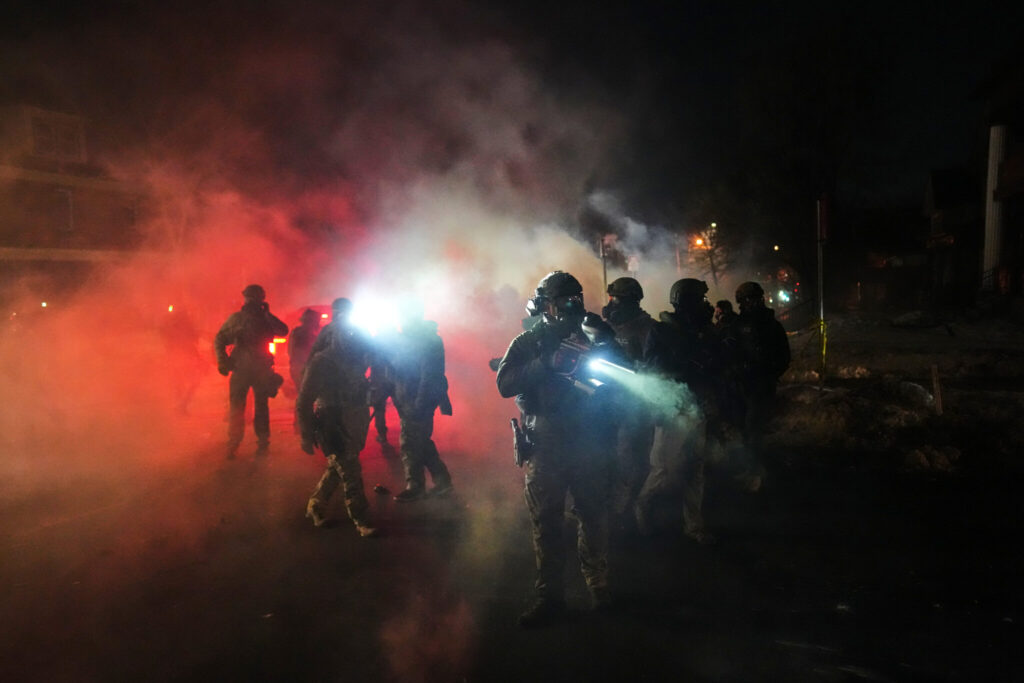
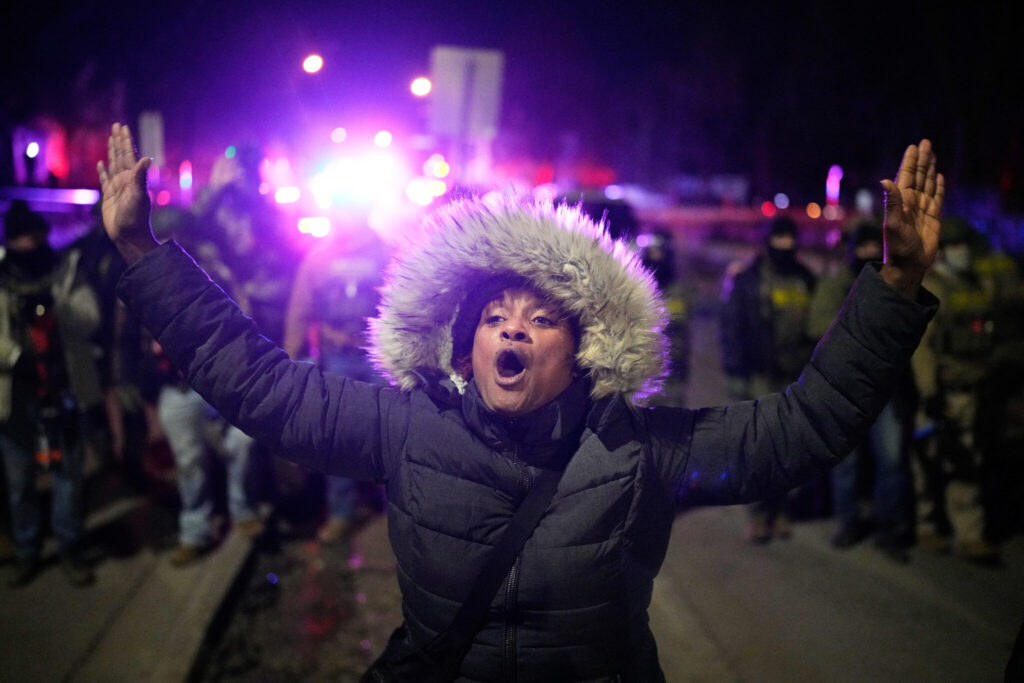
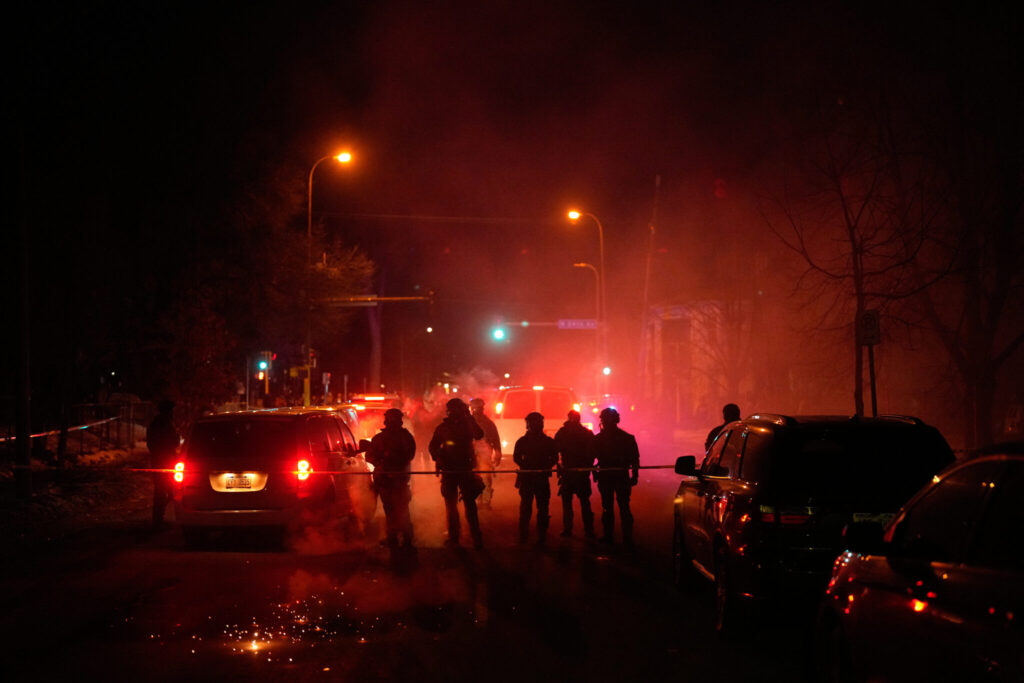
On Wednesday night, smoke and chaos filled Minneapolis streets near the scene of the recent shooting as federal agents in gas masks fired tear gas and crowd control munitions into a small group of demonstrators. Protesters responded by throwing rocks and launching fireworks. Police labeled the gathering an unlawful assembly, urging people to disperse.
Although tensions eased by Thursday morning, the protests have become a near‑daily reality in the city. Demonstrators have vocally opposed the expanded presence of ICE and other federal officers — deployed as part of a nationwide immigration enforcement surge — and have demanded that federal agents leave the Twin Cities.
Minneapolis Mayor Jacob Frey described the situation as untenable, saying the city is caught between a massive federal presence and its own limited police force. Frey characterized the federal operation as “an invasion” that has scared residents and overwhelmed local authorities, who remain responsible for everyday public safety.
The Department of Homeland Security (DHS), which oversees ICE, stated that federal law enforcement officers have made more than 2,000 arrests in Minnesota since early December and said they will not retreat from enforcement efforts.
Sequence of the Latest Shooting
According to DHS, federal agents attempted to arrest an individual from Venezuela who was in the United States illegally. The person allegedly fled in a vehicle, collided with a parked car, and then fled on foot. When officers caught up, the agency says, two additional people exited a nearby apartment and all three began assaulting an agent. Fearing for his safety, the officer fired a defensive shot that struck the man in the leg. The other two suspects were taken into custody. Minneapolis officials confirmed the wounded man was hospitalized with non‑life‑threatening injuries.
Legal Battles and Court Action
Lawyers representing Minnesota and the cities of Minneapolis and St. Paul are pressing federal courts to halt the immigration crackdown and federal use of force. During a Wednesday hearing, Assistant Attorney General Brian Carter urged for a pause to reduce tensions, but U.S. District Judge Katherine Menendez declined to issue an immediate restraining order. She set a deadline of Monday for the Justice Department to formally respond while also noting the complexity and seriousness of the issues raised.
Judge Menendez is also overseeing a separate case challenging how ICE and federal agents interact with protesters and observers. A decision in that lawsuit may be released later this week.
In a televised address prior to the most recent shooting, Minnesota Governor Tim Walz called the situation a “campaign of organized brutality” by the federal government, saying it “defies belief” and is no longer just about immigration enforcement.
Pentagon Mobilizes Legal Support
In an unusual step, the Pentagon is preparing to send judge advocate general (JAG) officers — military lawyers — to Minneapolis to assist the Justice Department. According to reports, the Department of Defense is seeking 40 JAG officers, with 25 set to work as special assistant U.S. attorneys on immigration enforcement matters. The Pentagon confirmed it is supporting the Justice Department but did not provide further specifics.
Critics, including former military JAGs, warn that pulling military lawyers from core duties could weaken legal support for service members across the armed forces.
Update on Agent in Good Shooting
New details have emerged about Jonathan Ross, the ICE officer who killed Renee Good. A Homeland Security official, speaking on condition of anonymity, told The Associated Press that Ross suffered internal bleeding during the incident. The agency has not disclosed how or when the injury was identified or its severity. Video from the scene shows Ross walking without difficulty after the shooting.
Homeland Security Secretary Kristi Noem has defended the officer’s decision to fire on Good, claiming he was struck by her vehicle and acted in self‑defense — a narrative strongly contested by Minneapolis officials.
Family Seeks Independent Investigation
Good’s family has retained Romanucci & Blandin, the Chicago law firm that represented the family of George Floyd, to conduct an independent investigation into her death. The firm says it will publicly share findings as the review proceeds and argues that Good was following orders when she was shot.
The firm emphasized that Good and her family do not want her death turned into a political weapon, but instead remembered as a life “as an agent of peace.”