

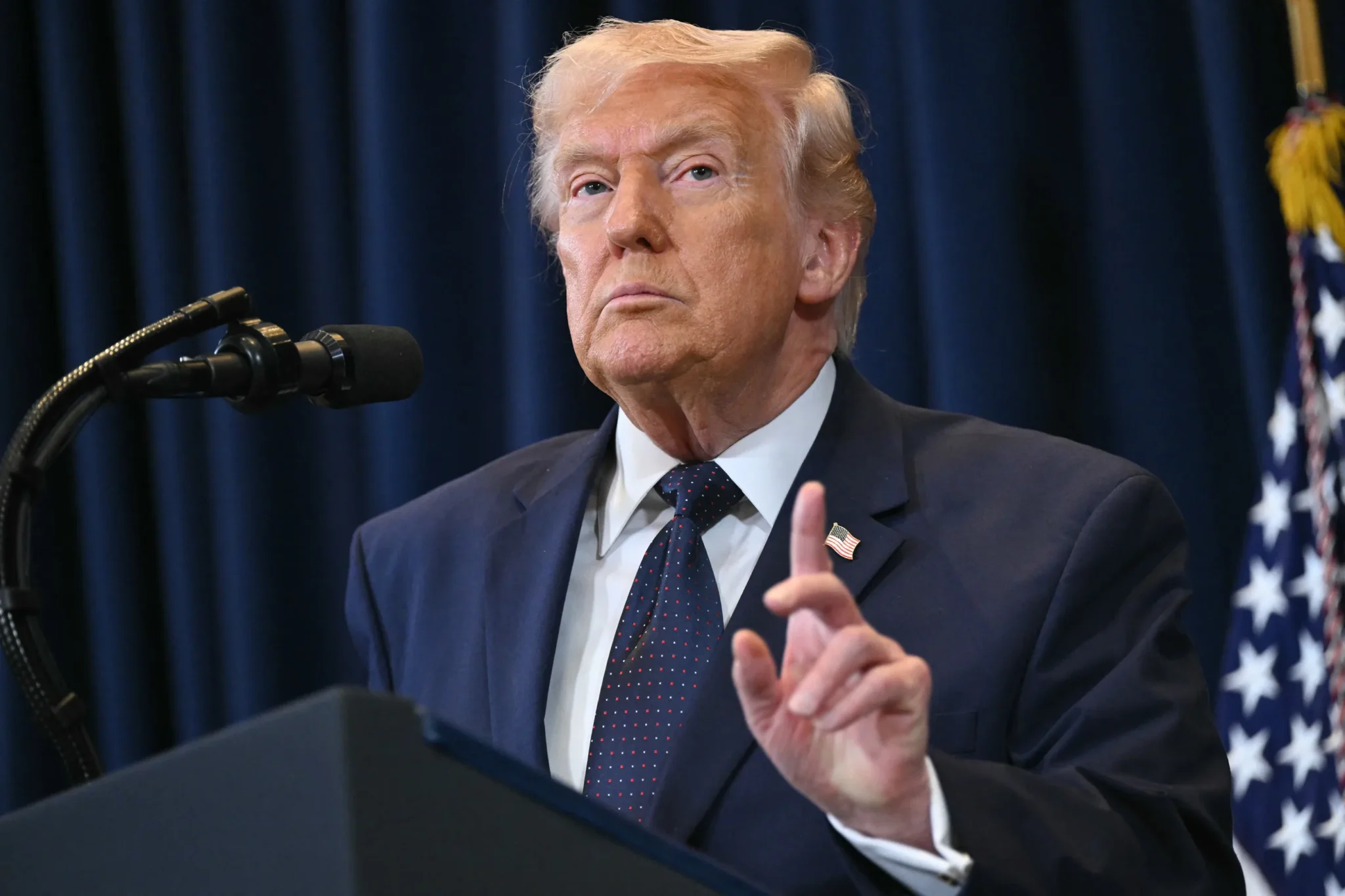
Trump Warns NATO of ‘Very Bad Future’ If Allies Don’t Secure Strait of Hormuz/ Newslooks/ WASHINGTON/ J. Mansour/ Morning Edition/ President Donald Trump warned NATO allies of a “very bad future” if they refuse to help secure the Strait of Hormuz. The warning comes as the war involving Iran disrupts global oil flows and raises energy prices. European governments remain cautious as Washington pushes for a multinational naval mission.
Trump NATO Strait of Hormuz Warning Quick Looks
- Trump urges NATO allies to help reopen Strait of Hormuz.
- Warns alliance could face “very bad future” without cooperation.
- Waterway carries about 20% of global oil shipments.
- Iran moved to restrict the strait during its conflict with U.S. and Israel.
- Trump says countries benefiting from Gulf oil must help secure it.
- U.S. proposes allies contribute minesweepers and naval escorts.
- European governments remain cautious about expanding naval missions.
- The crisis raises economic and geopolitical stakes for NATO and EU partners.
Deep Look: Trump Warns NATO of ‘Very Bad Future’ If Allies Don’t Secure Strait of Hormuz
President Donald Trump has issued a stark warning to NATO allies, saying the military alliance could face a “very bad future” if member countries refuse to help secure the strategic Strait of Hormuz amid the ongoing war involving Iran.
In an interview published by the Financial Times, Trump argued that countries benefiting from oil shipments traveling through the Persian Gulf must take responsibility for protecting the vital maritime corridor.
“It’s only appropriate that people who are the beneficiaries of the strait will help to make sure that nothing bad happens there,” Trump said, underscoring his administration’s push for broader international involvement in keeping the shipping lane open.
Strategic Waterway at Center of Global Tensions
The Strait of Hormuz is one of the world’s most important energy chokepoints. Approximately one-fifth of global oil transported by sea moves through the narrow passage connecting the Persian Gulf with the Gulf of Oman.
Since the outbreak of the war between the United States, Israel, and Iran, the Iranian government has taken steps to restrict traffic through the strait. The move has sent shockwaves through energy markets and pushed oil prices sharply higher worldwide.
Iran’s actions are widely viewed as an attempt to exert economic pressure on Washington and Israeli Prime Minister Benjamin Netanyahu, as the conflict drags on.
The possibility of prolonged disruptions to shipping through the strait has heightened concerns among global markets, governments, and energy companies.
Trump Pushes NATO to Share Burden
Trump said NATO countries should play a larger role in securing the waterway, suggesting that European allies have the naval capabilities necessary to assist in the mission.
According to the president, allied nations could deploy naval assets such as minesweepers — specialized vessels used to detect and neutralize naval mines — to help ensure safe passage for commercial shipping.
Europe maintains significantly larger minesweeper fleets than the United States, which Trump cited as a reason allies should contribute more resources to the effort.
“Whatever it takes,” Trump said when asked what type of support Washington expects from allied countries.
In recent days, the U.S. president has mentioned several nations that could potentially join a maritime coalition in the region, including China, France, Japan, South Korea, and the United Kingdom.
Renewed Criticism of NATO
Trump’s comments also reflect his longstanding criticism of NATO and his view that the United States carries too much of the alliance’s defense burden.
During the interview, Trump said the United States had supported European allies during recent geopolitical crises, including Russia’s invasion of Ukraine, and suggested it is now time for NATO partners to reciprocate.
“We’ve been very sweet,” Trump said, arguing that Washington had provided significant assistance to Europe and now expects allied cooperation in securing global energy routes.
The remarks echo similar criticisms Trump made during his previous presidency, when he repeatedly called on NATO members to increase defense spending and share more responsibility for collective security.
European Governments Remain Hesitant
European leaders have responded cautiously to the White House’s push for a broader international naval mission in the Persian Gulf.
German Foreign Minister Johann Wadephul expressed skepticism about expanding Europe’s role in securing the strait, suggesting that deploying additional forces may not necessarily improve regional security.
Meanwhile, foreign ministers from the European Union met in Brussels to discuss a proposal by EU foreign policy chief Kaja Kallas to increase the number of ships assigned to the bloc’s maritime mission in the region.
While European governments recognize the importance of maintaining open shipping lanes, many remain wary of becoming more deeply involved in a conflict that could escalate further.
China Also Faces Pressure
Trump has also urged China to play a role in helping restore shipping through the Strait of Hormuz.
The pressure comes ahead of a potential summit between Trump and Chinese President Xi Jinping, which had been scheduled for later this month in Beijing.
Trump indicated that his visit to China could be postponed if progress is not made on securing the waterway and stabilizing global oil flows.
China is one of the world’s largest importers of crude oil and relies heavily on energy shipments traveling through the strait.
High Stakes for Global Energy Markets
With roughly 20% of global oil shipments passing through the Strait of Hormuz, any prolonged disruption could have far-reaching consequences for international energy markets and economic stability.
Trump’s renewed push for NATO involvement highlights the growing urgency among Western leaders to keep the waterway open and prevent further escalation in the Middle East.
At the same time, the cautious response from European governments underscores the delicate balance between maintaining global energy security and avoiding deeper military entanglement in the region.
As diplomatic discussions continue, the future of the strait — and NATO’s role in securing it — remains a critical issue shaping global politics and economic stability.





You must Register or Login to post a comment.