

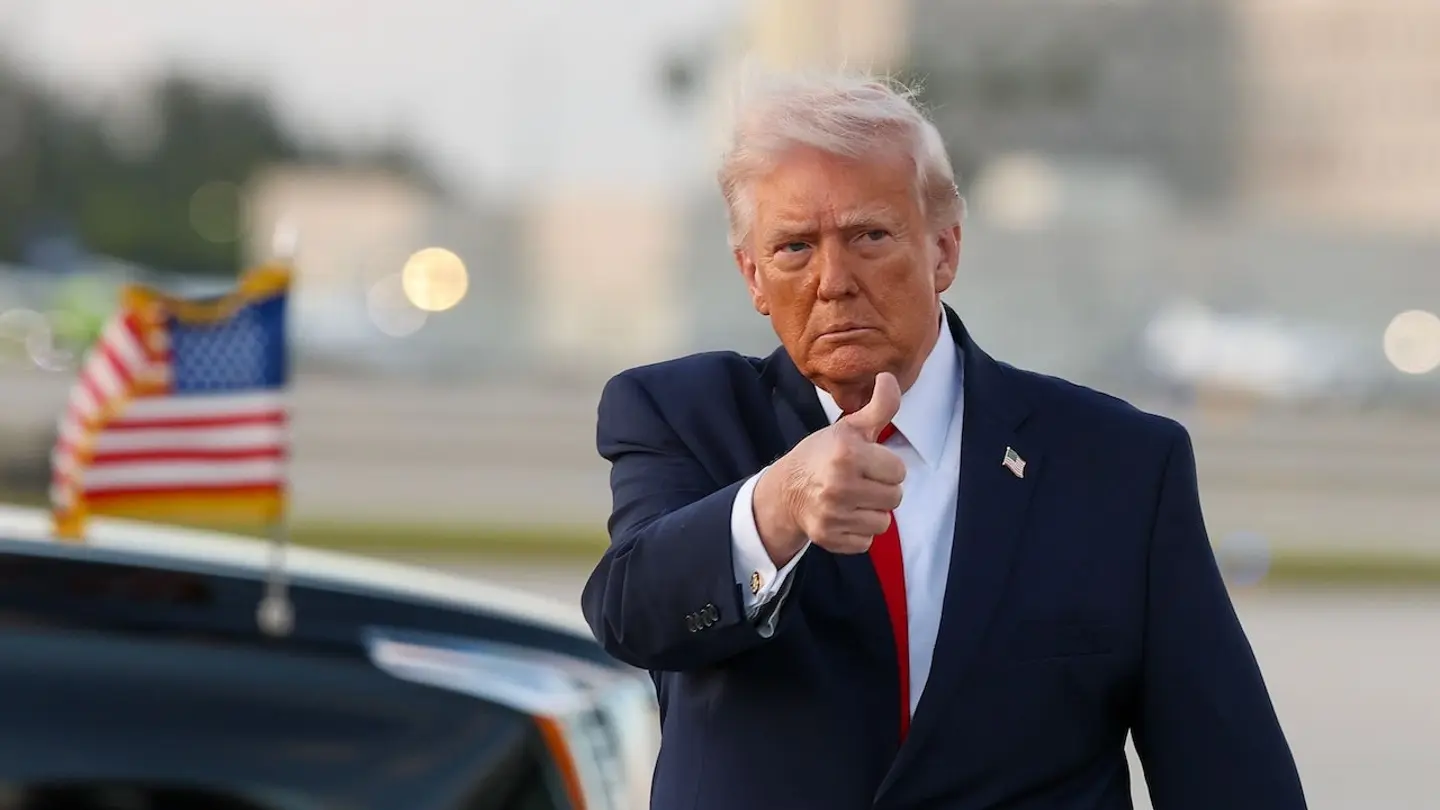
Trump Warns US Will ‘Destroy’ Iranian Warships Near Blockade/ Newslooks/ WASHINGTON/ J. Mansour/ Morning Edition/ President Donald Trump warned Iranian warships would be destroyed if they approach the U.S. blockade of Iranian ports. Iran responded by placing forces on maximum alert and threatening retaliation. The standoff raises fears of escalating conflict and global economic disruption.
Trump Iran Blockade Quick Looks
- U.S. begins blockade of Iranian ports
- Trump warns Iranian ships will be destroyed
- Iran places forces on maximum combat alert
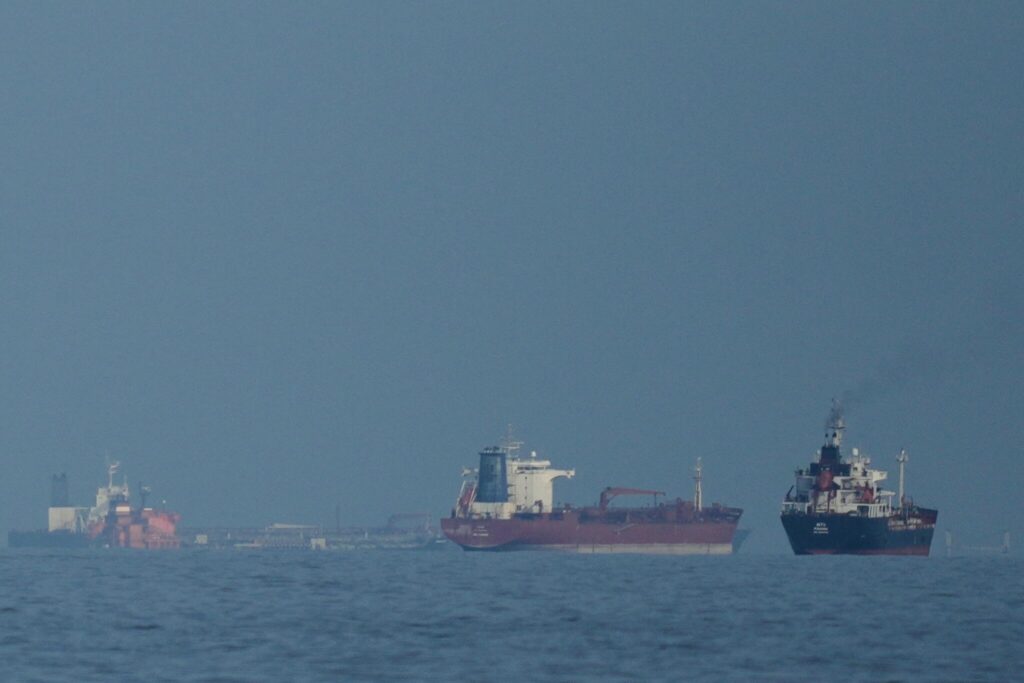
- Strait of Hormuz traffic begins thinning
- War enters seventh week
- Ceasefire set to expire April 22
- Global markets react to tensions
- Iran threatens Gulf ports
- Europe calls for navigation protection
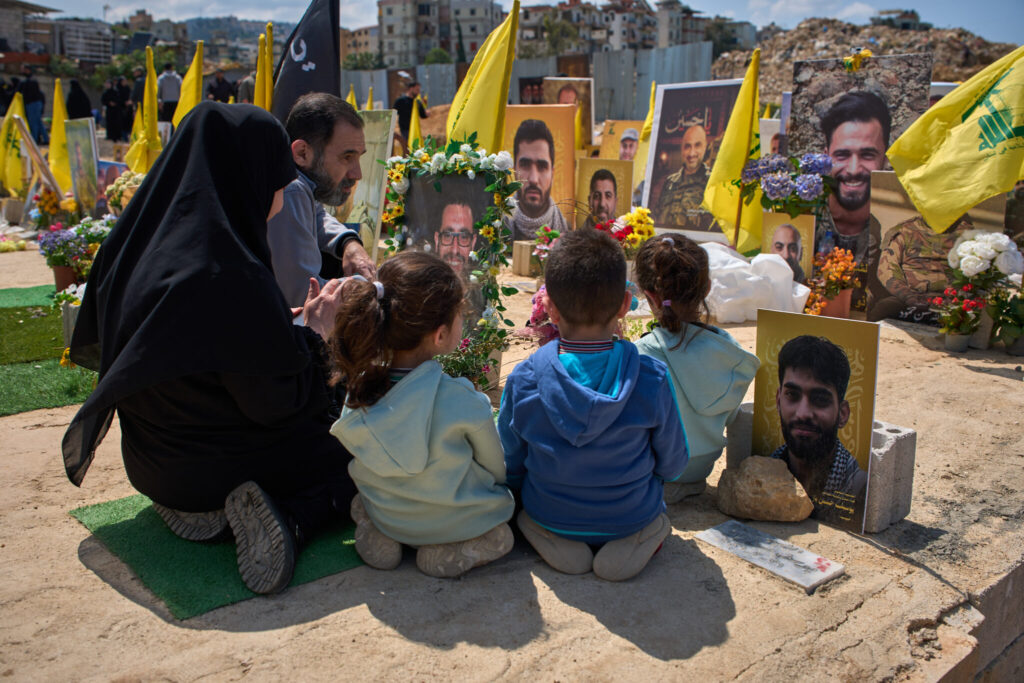
- Israel intensifies fighting in Lebanon
- Thousands killed since conflict began
- Diplomatic talks continue amid tensions
Deep Look: Trump Threatens Iranian Warships as Blockade Escalates Conflict
President Donald Trump issued a stark warning Monday, saying any Iranian warships that approach U.S. forces enforcing a blockade of Iranian ports would be destroyed, escalating tensions in an already volatile Middle East conflict.
The U.S. military announced it would begin blocking vessels entering or leaving Iranian ports and coastal areas, a move designed to pressure Tehran during ongoing hostilities. The decision followed the collapse of ceasefire negotiations over the weekend and raised fears of renewed fighting when the current truce expires April 22.
Trump delivered the warning in a social media post shortly after the blockade was expected to begin.
“Warning: If any of these ships come anywhere close to our BLOCKADE, they will be immediately ELIMINATED,” Trump wrote, adding that the response would be “quick and brutal.”
Iran Responds With Military Alert
Iran quickly reacted, placing its armed forces on maximum combat alert. The country’s acting defense minister warned that any aggression would trigger a harsh and decisive response.
The escalating rhetoric signals a dangerous standoff as both nations position forces in the Persian Gulf and surrounding waters.
Iran has already threatened ports across the Persian Gulf and Gulf of Oman, expanding concerns beyond the immediate conflict zone.
Global Shipping Disruptions Begin
Ship-tracking data indicated that traffic through the Strait of Hormuz began slowing even before the blockade officially took effect. The waterway is one of the world’s most important energy routes, handling a significant portion of global oil shipments.
The U.K. Maritime Trade Operations confirmed that maritime access restrictions were affecting Iranian ports and coastal areas.
The slowdown in shipping raised immediate concerns about energy prices and supply chains worldwide.
International Reactions Grow
World leaders expressed concern over the potential economic fallout.
- Qatar warned maritime routes should not be used as bargaining tools
- France and the United Kingdom planned talks on protecting shipping
- Russia criticized the blockade’s economic impact
- European Union leaders stressed freedom of navigation
European Commission President Ursula von der Leyen emphasized that stability in the region is critical for global markets.
Conflict Expands Beyond Iran
Israel also reported rocket and drone attacks targeting northern Israeli territory.
An Israeli military official said Lebanon has become the primary operational focus during the ceasefire with Iran.
Lebanese President Joseph Aoun expressed hope that upcoming negotiations with Israel could lead to a ceasefire.
War’s Growing Toll
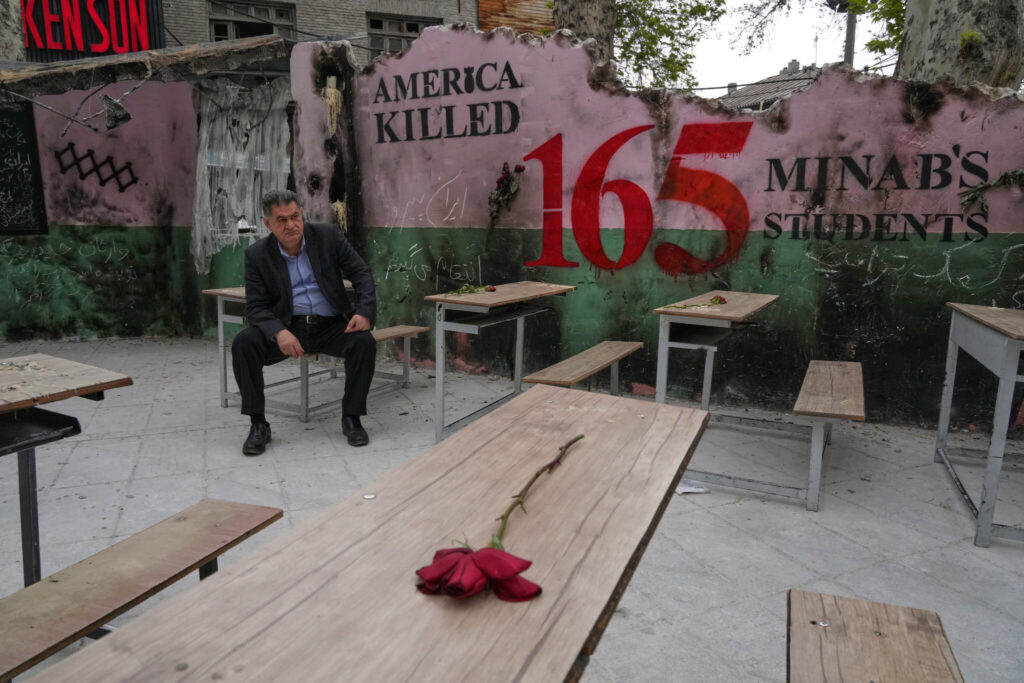
The conflict, now entering its seventh week, has already caused significant casualties and damage across the region. Thousands have been killed, and infrastructure has been damaged in multiple countries.
The breakdown of ceasefire talks increases uncertainty about whether fighting could soon resume.
Economic Concerns Mount
Global markets are closely monitoring developments, as disruptions to Middle East shipping routes could drive higher energy prices and inflation.
Oil markets have already shown volatility, and further escalation could deepen economic uncertainty.
Uncertain Path Forward
With the ceasefire set to expire April 22, diplomatic efforts continue alongside military positioning.
Key developments to watch:
- Blockade enforcement
- Iranian naval response
- Ceasefire negotiations
- Oil price volatility
- Regional military activity
The coming days could determine whether tensions ease through diplomacy or escalate into broader conflict.





You must Register or Login to post a comment.