


Trump White House Ballroom Faces Approval Despite Court Halt/ Newslooks/ WASHINGTON/ J. Mansour/ Morning Edition/ President Trump’s proposed White House ballroom is expected to win planning approval despite a judge halting construction. The $400 million project faces legal challenges over presidential authority and historic preservation concerns. Design changes were introduced ahead of the vote as opposition from critics continues.

Trump White House Ballroom Quick Looks
- $400 million White House ballroom proposed
- National Capital Planning Commission expected to approve
- Federal judge halts construction pending congressional review
- East Wing demolished for ballroom project
- 90,000-square-foot ballroom planned
- Design changes announced before vote
- Critics oppose major White House structural change
- Project funded partly by private donations
- Security upgrades funded with public money
- Legal fight may delay construction timeline
- Trump aims to complete project before 2029
- Largest White House structural change in decades

Deep Look: Trump White House Ballroom Moves Toward Approval Despite Legal Fight
WASHINGTON — President Donald Trump’s controversial White House ballroom project is expected to receive approval from a key federal planning agency Thursday, just days after a federal judge ordered construction halted unless Congress authorizes the project.
The National Capital Planning Commission, responsible for approving development on federal land in the Washington area, is proceeding with its vote despite Tuesday’s ruling from U.S. District Judge Richard Leon. Commission officials said the court order halts construction activity but does not prevent the agency from reviewing or approving the design.
Still, the legal battle threatens to delay one of Trump’s most ambitious legacy projects — a sweeping expansion of the White House grounds that would mark the largest structural change to the presidential residence in more than 70 years.
Trump has pushed aggressively to advance the project, hoping to complete it before the end of his term in early 2029. The ballroom is part of a broader effort by the president to reshape Washington landmarks during his presidency.
Design Changes Introduced Before Vote
Ahead of Thursday’s expected approval, the White House submitted revised design plans for the 90,000-square-foot ballroom. The changes include removing a large staircase from the south side of the structure and adding an uncovered porch on the west side.
Critics had previously argued the staircase was oversized and impractical, as it lacked access points at the top. A White House official said Trump made the changes after considering feedback from planning officials, design reviewers, and public comments.
Lead architect Shalom Baranes is expected to present additional refinements during the commission’s meeting. Officials said further adjustments were made to the exterior design.
The ballroom’s scope and cost have grown significantly since Trump first announced the project last summer. Initially framed as a replacement for temporary tents used for events, the ballroom is now estimated to cost about $400 million.
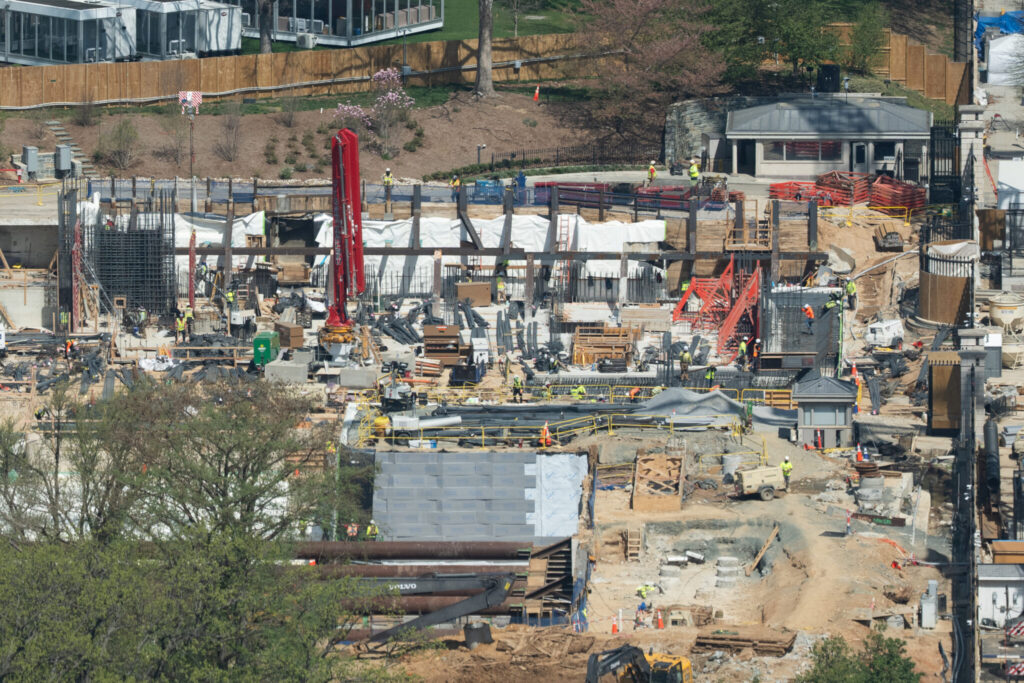
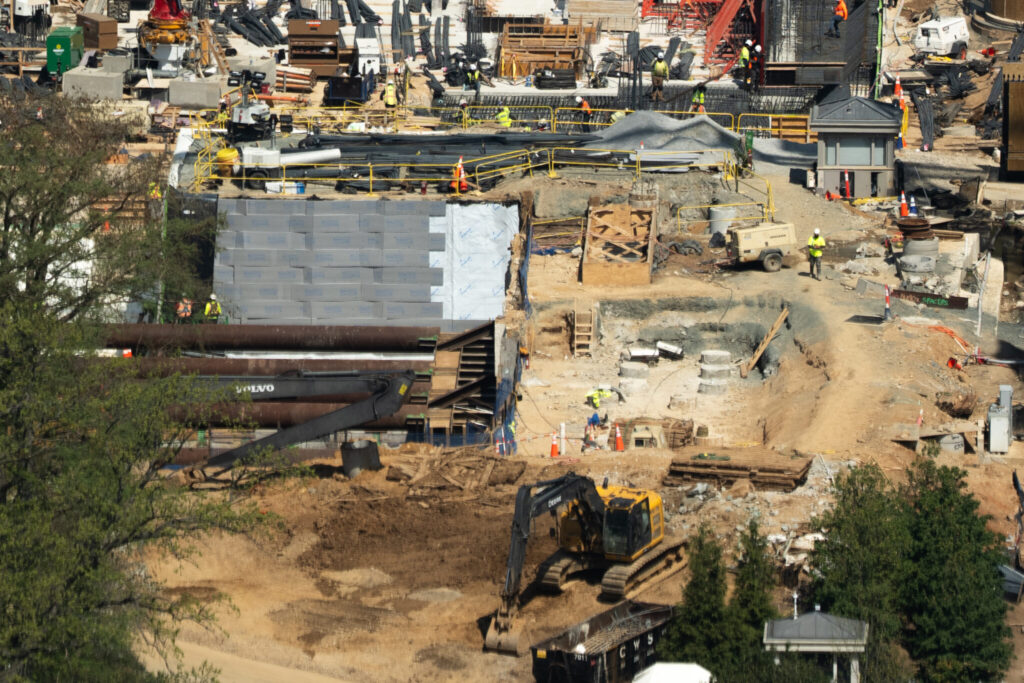
Trump ordered the demolition of the East Wing last October with little advance notice, clearing space for construction. Site preparation and underground work have continued since then, though above-ground construction is expected to begin no earlier than April.
Court Ruling Challenges Presidential Authority
The legal dispute centers on whether Trump has the authority to proceed without congressional approval.
The National Trust for Historic Preservation filed a lawsuit after demolition of the East Wing began, arguing that Congress must approve major structural changes to the White House.
Judge Richard Leon sided with the preservation group, ruling that Trump likely lacks the authority to proceed independently. In his decision, Leon emphasized that the president serves as steward of the White House rather than its owner.
“The President of the United States is the steward of the White House for future generations of First Families,” Leon wrote. “He is not, however, the owner.”
The judge’s order allows two weeks before construction must halt, while permitting continued work related to security upgrades.
Despite the ruling, construction activity continued Wednesday, with cranes and crews working at the site where the East Wing once stood.
Funding and Political Controversy
Trump has said the ballroom will be funded primarily through donations from wealthy individuals and corporations, including contributions from himself. However, taxpayer funds are being used for underground bunkers and enhanced security infrastructure.
The 12-member National Capital Planning Commission is chaired by White House aide Will Scharf, who supports the project. Trump also appointed several members of the commission, raising concerns among critics about political influence over the approval process.
Public opposition has been strong. The commission postponed its vote from March to April due to an unusually high number of public comments — most opposing the project.
Critics argue the ballroom would significantly alter the historic White House complex. Supporters say it would modernize facilities and improve the ability to host diplomatic events.
Congressional Approval Still Uncertain
Trump has disputed the need for congressional approval, noting that previous White House construction projects did not require lawmakers’ authorization.
“We built many things at the White House over the years. They don’t get congressional approval,” Trump told reporters following the judge’s ruling.
Congressional leaders have not publicly commented on the project, and lawmakers are currently on spring recess.
Even if the planning commission approves the ballroom, the legal challenges and potential congressional review could slow progress on the project.
With Trump aiming to complete the ballroom before leaving office, the outcome of the legal fight could determine whether the project becomes a defining architectural legacy — or another stalled presidential initiative.






You must Register or Login to post a comment.