Trump: Zelenskyy ‘Hasn’t Read’ US-Authored Proposal to End Russia-Ukraine War/ Newslooks/ WASHINGTON/ J. Mansour/ Morning Edition/ President Donald Trump expressed frustration that Ukrainian President Volodymyr Zelenskyy has not read a recent U.S.-led proposal to end the Russia-Ukraine war. While Trump suggested Russia may approve of the deal, Zelenskyy reportedly remains uncommitted. Ongoing negotiations and battlefield violence underscore the high stakes of reaching a resolution.
Zelenskyy Peace Proposal Quick Looks
- Trump says Zelenskyy hasn’t reviewed U.S. proposal
- Russia tentatively open, but no public endorsement
- Trump urges Ukraine to cede territory for peace
- Zelenskyy claims Ukraine committed to genuine diplomacy
- Russia welcomes U.S. strategic shift toward cooperation
- Kellogg: peace deal hinges on Donbas, nuclear plant
- UK, France, Germany to meet Zelenskyy in London
- Russian strikes kill 4, target Ukraine’s power grid

Deep Look: Trump Frustrated as Zelenskyy Delays Peace Proposal Review
KYIV, Ukraine — U.S. President Donald Trump expressed disappointment over Ukrainian President Volodymyr Zelenskyy’s apparent delay in reviewing a proposed peace deal, crafted by U.S. negotiators, aimed at ending the ongoing war with Russia.
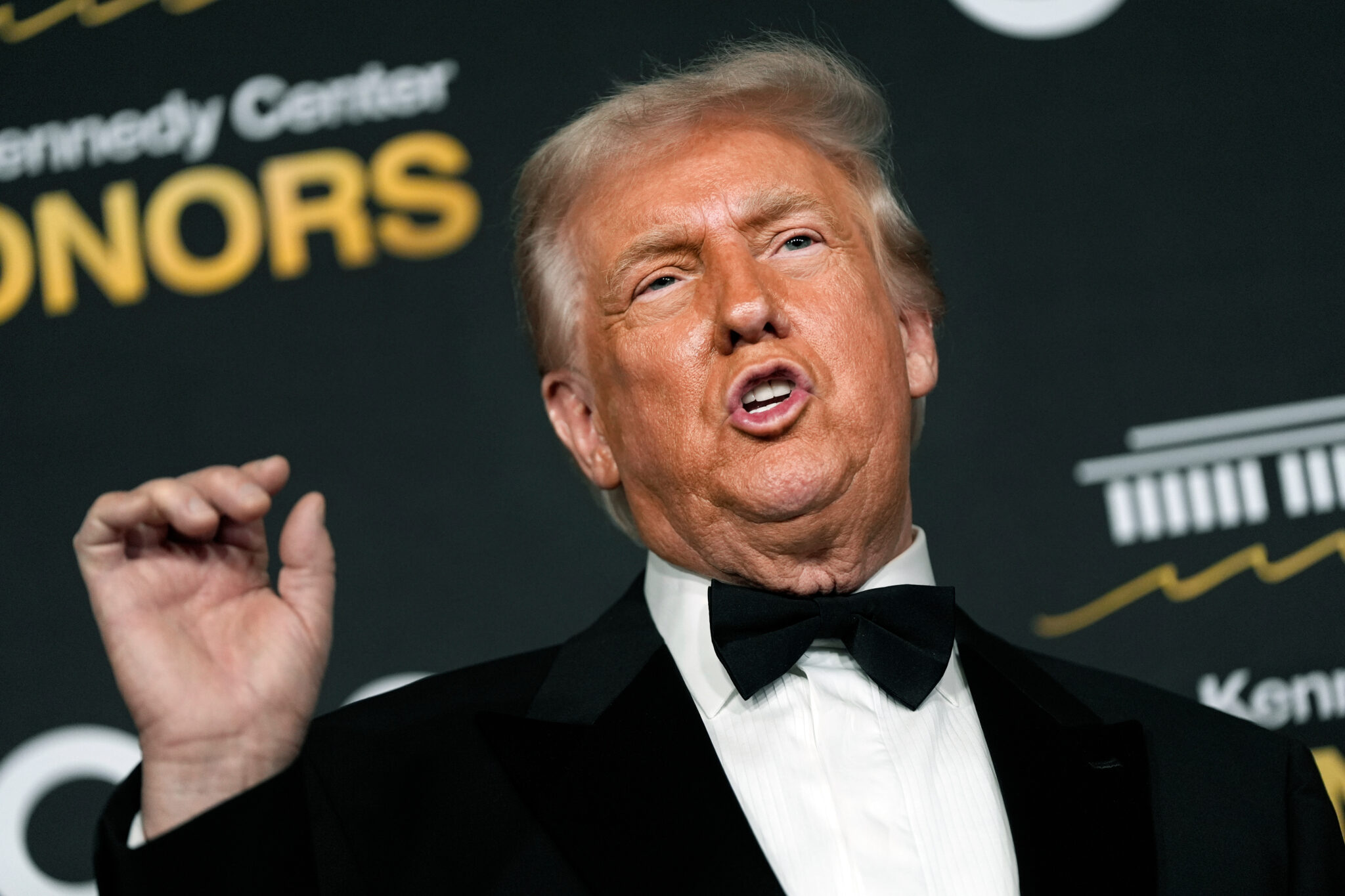
Speaking to reporters at the Kennedy Center Honors event on Sunday evening, Trump stated that Zelenskyy had not yet read the proposal, even though others in his administration had shown interest. “His people love it,” Trump claimed, referring to the Ukrainian delegation, “but he hasn’t. Russia is, I believe, fine with it, but I’m not sure that Zelenskyy’s fine with it.”
This comment followed the conclusion of three days of intense U.S.-Ukrainian negotiations held in Florida. While there has been no formal response from Zelenskyy regarding the deal’s contents, he acknowledged that he had a substantial phone call with the U.S. team involved in the discussions. On social media, Zelenskyy reaffirmed Ukraine’s readiness to continue working sincerely with the U.S. to reach a peaceful resolution.
Trump’s remarks highlight the complex and often tense diplomatic dynamic between Washington, Kyiv, and Moscow. The former president has had a fluctuating relationship with Zelenskyy, shaped by his strong belief that the war is a financial and human drain on U.S. interests. Since returning to the presidency, Trump has consistently argued that Ukraine should make territorial concessions to Russia to bring the conflict to an end.
Russian President Vladimir Putin has not formally endorsed the U.S. plan either. Despite Trump’s assertion that Russia is open to the proposal, Putin previously commented that several aspects of the deal were not workable, even though the initial draft was seen by some observers as being favorable to Moscow.
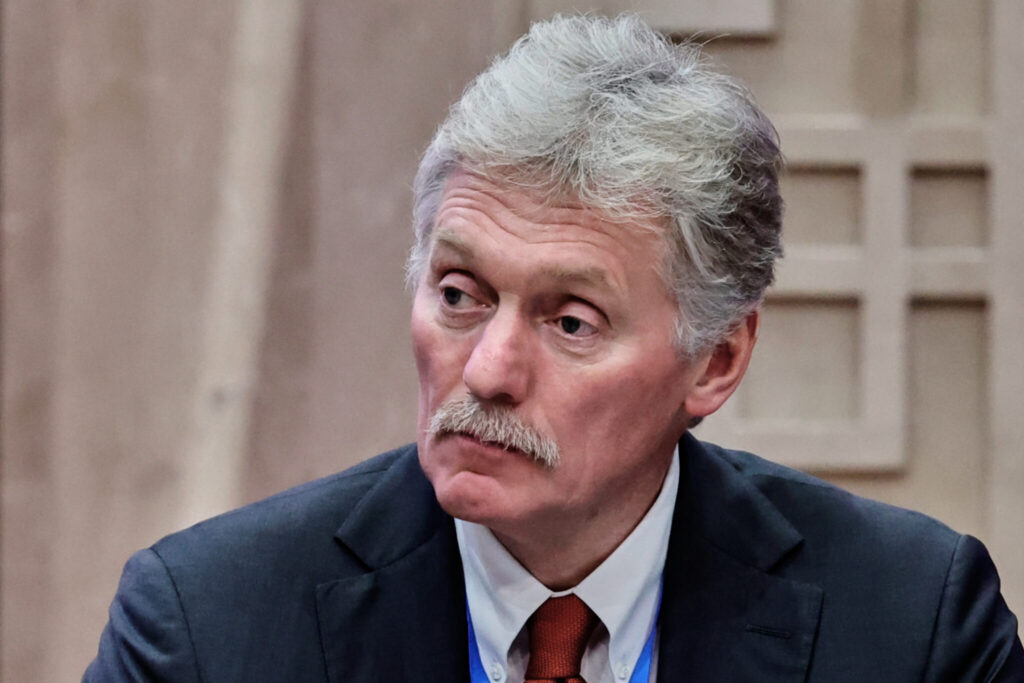
Adding to the diplomatic backdrop, the Trump administration recently released a new national security strategy. According to Kremlin spokesperson Dmitry Peskov, Russia views the document positively. Speaking to Russia’s state-run TASS news agency, Peskov noted that the new U.S. stance emphasizes reduced confrontation and a willingness for dialogue.
“There are statements there against confrontation and in favor of dialogue and building good relations,” Peskov said. He expressed hope that the document would open the door to improved cooperation between Moscow and Washington, especially on resolving the Ukraine conflict.
The U.S. national security document outlines the need to restore strategic stability with Russia and includes the end of the war in Ukraine as a top foreign policy priority.
Keith Kellogg, Trump’s outgoing envoy to Ukraine, also addressed the situation at the Reagan National Defense Forum on Saturday. He suggested that peace talks are near completion, saying, “we’re in the last 10 meters.” However, he identified two major sticking points: territorial control of the Donbas region and oversight of the Zaporizhzhia Nuclear Power Plant.
Currently, Russia controls most of Donbas, including the Donetsk and Luhansk regions. These, along with two other southern regions, were annexed by Moscow three years ago — actions widely condemned by the international community. The Zaporizhzhia plant, Europe’s largest nuclear facility, has remained under Russian control since the early phase of the invasion and has been offline, requiring external power to prevent nuclear disaster.
Kellogg, whose term concludes in January, was not directly involved in the Florida negotiations but has remained publicly optimistic about a diplomatic breakthrough.
Meanwhile, military conflict on the ground continues to disrupt any potential diplomatic progress. As the latest round of peace discussions ended, Ukraine suffered a series of deadly Russian attacks.
A drone strike in the northern Chernihiv region claimed one life on Saturday night. In central Ukraine, the industrial city of Kremenchuk was targeted by a combination of drone and missile attacks, causing widespread power and water outages. The city houses one of Ukraine’s largest oil refineries, making it a frequent target of Russian military action.
Additionally, shelling in the Kharkiv region on Sunday left three dead and 10 wounded, according to the regional prosecutor’s office. Ukrainian authorities accused Russia of intensifying attacks aimed at undermining civilian infrastructure as winter sets in.
Ukraine and its Western allies have repeatedly condemned such strikes, accusing Russia of turning energy deprivation into a weapon of war. With the war now entering its fourth winter, millions of Ukrainians face another season without guaranteed access to electricity, heating, or water.
Amid these developments, international diplomatic efforts continue. On Monday, leaders from the United Kingdom, France, and Germany are expected to meet with Zelenskyy in London. The agenda likely includes both military support and discussions on the U.S. peace proposal.
The situation remains tense, with no immediate breakthrough in sight. However, mounting international pressure and continuing devastation inside Ukraine may push all parties closer to a negotiated settlement.