Trump’s Capture of Maduro Raises Alarming Legal, Constitutional Questions/ Newslooks/ WASHINGTON/ J. Mansour/ Morning Edition/ The U.S. capture of Nicolás Maduro without congressional approval has ignited fierce legal and constitutional debate. Experts say the military operation may violate international law and exceeds executive authority. Congress is preparing a war powers vote to potentially limit future military action against Venezuela.
Maduro Capture Legal Fallout – Quick Looks
- Trump administration claims authority to detain Maduro and run Venezuela
- Legal scholars call the move a violation of international law
- No extradition treaty or congressional authorization supports the seizure
- Operation compared to U.S. arrest of Panama’s Noriega in 1989
- Trump cites drug trafficking as justification for armed conflict
- 35 U.S. boat strikes have killed over 115 since September
- Critics warn of dangerous precedent for global militarized interventions
- Congress prepares war powers vote to curb further actions
Deep Look
Trump’s Capture of Maduro Raises Alarming Legal and Constitutional Questions
The dramatic capture of Venezuelan President Nicolás Maduro by U.S. forces and the Trump administration’s claim it will temporarily govern Venezuela have sparked intense legal scrutiny and revived long-standing debates over presidential war powers.
In a high-stakes military operation conducted under the cover of darkness, U.S. forces seized Maduro and began transporting him to New York aboard a naval vessel to face narco-terrorism conspiracy charges. But legal experts warn that the unprecedented action bypasses both international law and domestic constitutional requirements, potentially setting a dangerous precedent.
“This is clearly a blatant, illegal and criminal act,” said Jimmy Gurule, a Notre Dame Law School professor and former federal prosecutor. “Great deference is given to the president on national security—but that does not mean unfettered authority to do anything.”
No Treaty, No Authorization
The United States has no extradition treaty with Venezuela, and Congress has not authorized any military or law enforcement operation there. That makes the seizure of a foreign head of state not only legally murky but potentially a violation of international sovereignty, according to legal scholars.
Mark Nevitt, a former Navy lawyer now teaching at Emory University School of Law, stated bluntly: “I see no legal basis for us to go into another country and take a leader without an extradition treaty.”
This latest move follows months of military escalation by the U.S. in the region, including attacks on alleged drug trafficking vessels and the seizure of oil tankers. Since September, the U.S. has conducted at least 35 boat strikes, resulting in over 115 deaths.
Michael Schmitt, a former Air Force attorney and professor at the Naval War College, labeled the capture and ongoing operations a clear violation of international law. He added, “Lawyers call it international armed conflict. Lay people call it war.”
Echoes of Noriega – With Key Differences
Maduro’s arrest happened on the 36th anniversary of the U.S. capture of Panamanian strongman Manuel Noriega in 1989. But the comparison may end there. While the Noriega operation centered on the protection of the Panama Canal and American personnel stationed in the country, no comparable direct national security threat exists in the Venezuela case.
Despite that, the Trump administration insists that Venezuela-based drug cartels constitute “unlawful combatants” and has unilaterally declared an “armed conflict” against them — effectively extending war powers without congressional approval.
An internal administration memo from October, obtained by the Associated Press, outlines a new legal rationale: that the flow of narcotics into the United States justifies military engagement. Legal experts argue this expands presidential war powers in unprecedented ways, circumventing traditional checks and balances.
Congress on the Sidelines — For Now
Congress has yet to authorize or prohibit Trump’s military actions, a silence that’s now drawing bipartisan concern. Lawmakers from both parties are questioning the legality and strategic risks of this sudden military assertiveness, especially after it was revealed that U.S. forces killed two survivors of a recent boat attack during a follow-up strike.
The situation has prompted calls for a renewed war powers resolution. Senator Tim Kaine (D-Va.) announced plans to force a vote on legislation that would require explicit congressional approval for any further military action in Venezuela.
“America’s strength comes from our commitment to the rule of law, democratic norms, and constitutional restraint,” said Senator Mark Warner (D-Va.), the Senate Intelligence Committee’s top Democrat. “When we abandon those principles, we weaken our credibility and invite global instability.”
Warner warned that the U.S. could be “greenlighting” authoritarian regimes like China or Russia to follow suit — using military might to remove foreign leaders under vague pretenses.
Briefings, Bipartisanship, and Backlash
Congressional leaders in the so-called “Gang of Eight” were notified early Saturday after operations began, though no prior authorization or consultation was requested.
House Speaker Mike Johnson (R-La.) confirmed that briefings are being scheduled for lawmakers once Congress returns to session. Senate Majority Leader John Thune (R-S.D.) voiced his support for the mission and expressed appreciation for the military’s efforts. Still, he acknowledged that more information is needed.
“I look forward to receiving further briefings on this operation as part of the administration’s broader counternarcotics strategy,” Thune said.
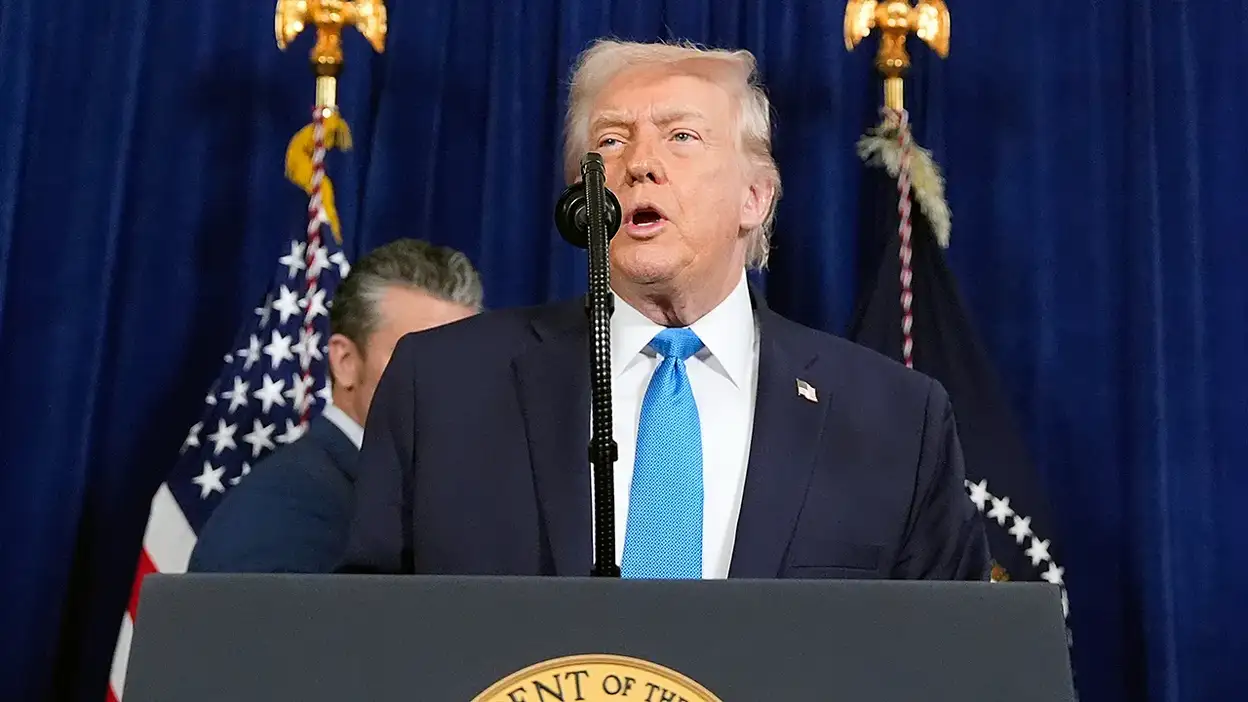
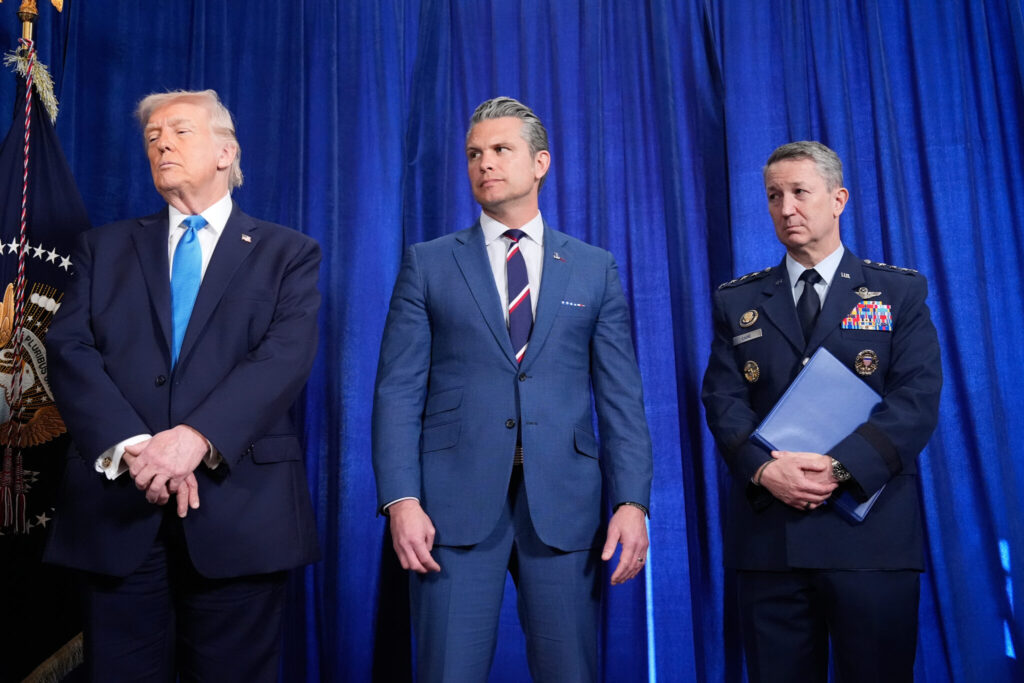
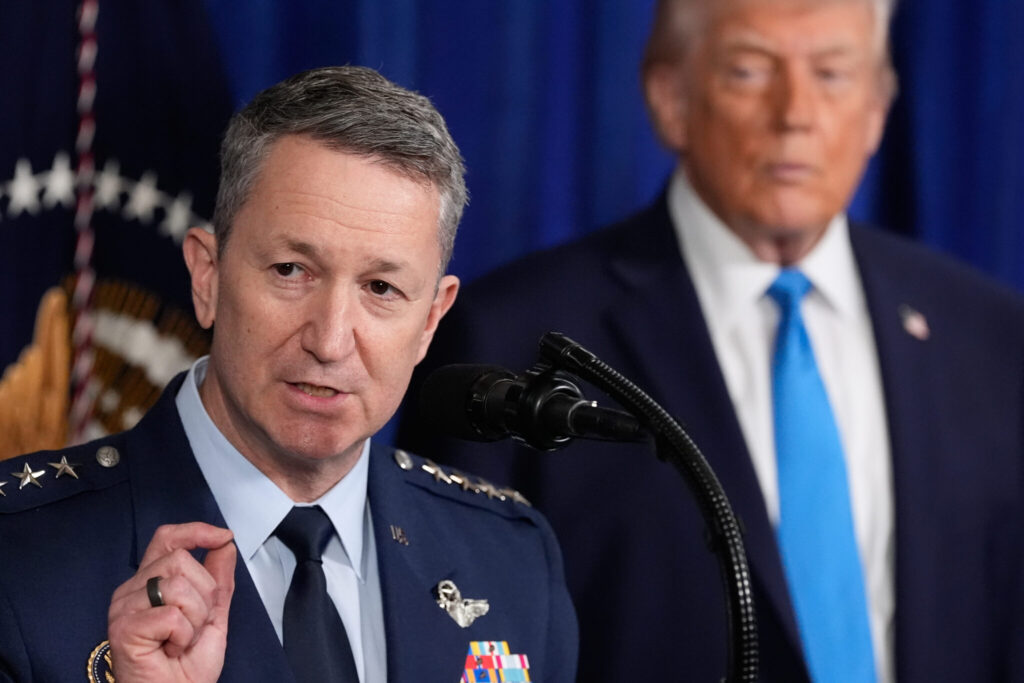
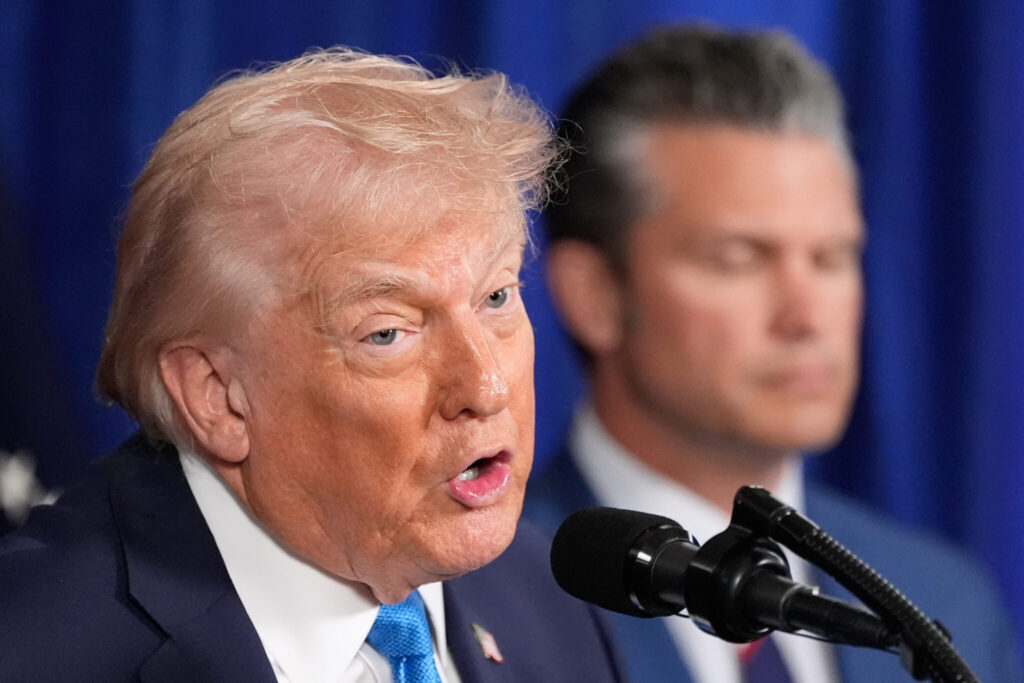
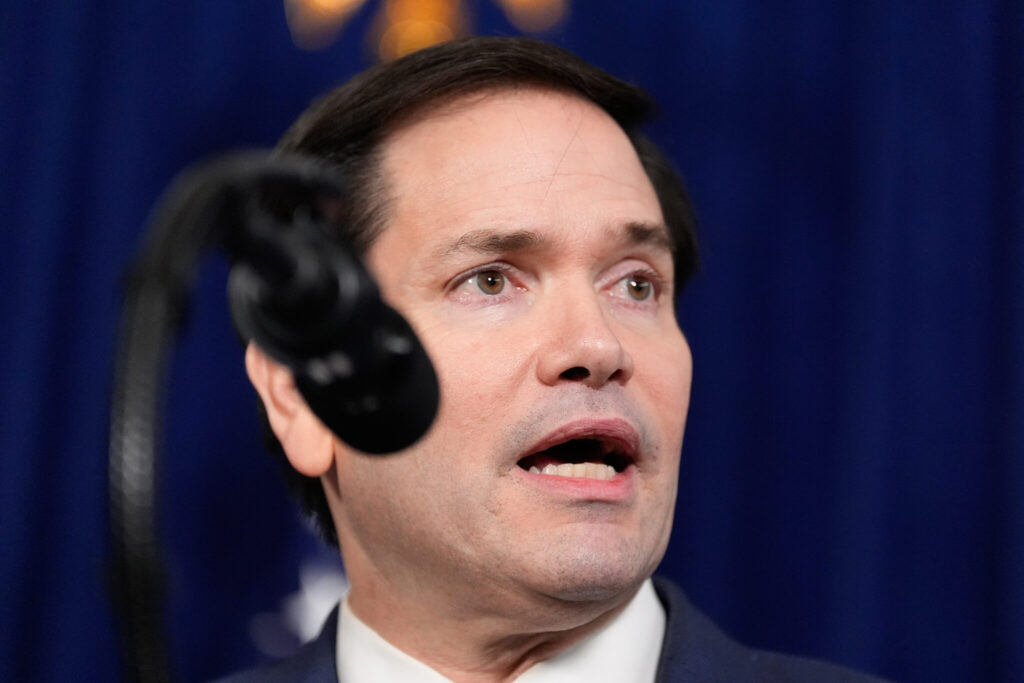
Secretary of State Marco Rubio, a key architect of the administration’s Latin American policy, defended the secrecy surrounding the mission. “Because of the nature of the operation, this couldn’t be shared in advance,” Rubio said at a briefing with President Trump.
While some Republican leaders are standing by Trump, others are increasingly wary of a potentially unconstitutional expansion of executive power, particularly when it involves military action and long-term foreign policy commitments.
Legal Legitimacy at a Crossroads
The legal and constitutional implications of the Maduro capture are profound. While federal courts have occasionally allowed U.S. authorities to detain foreign defendants under extraordinary circumstances — such as in the 1990 abduction of a Mexican doctor who killed DEA agent Enrique “Kiki” Camarena — experts agree those precedents do not extend to the forcible seizure of a sitting head of state without war declarations or international coordination.
With a war powers vote looming and international pressure mounting, the Trump administration may soon have to justify its actions not only to Congress, but also to an American public and a global community watching closely.