

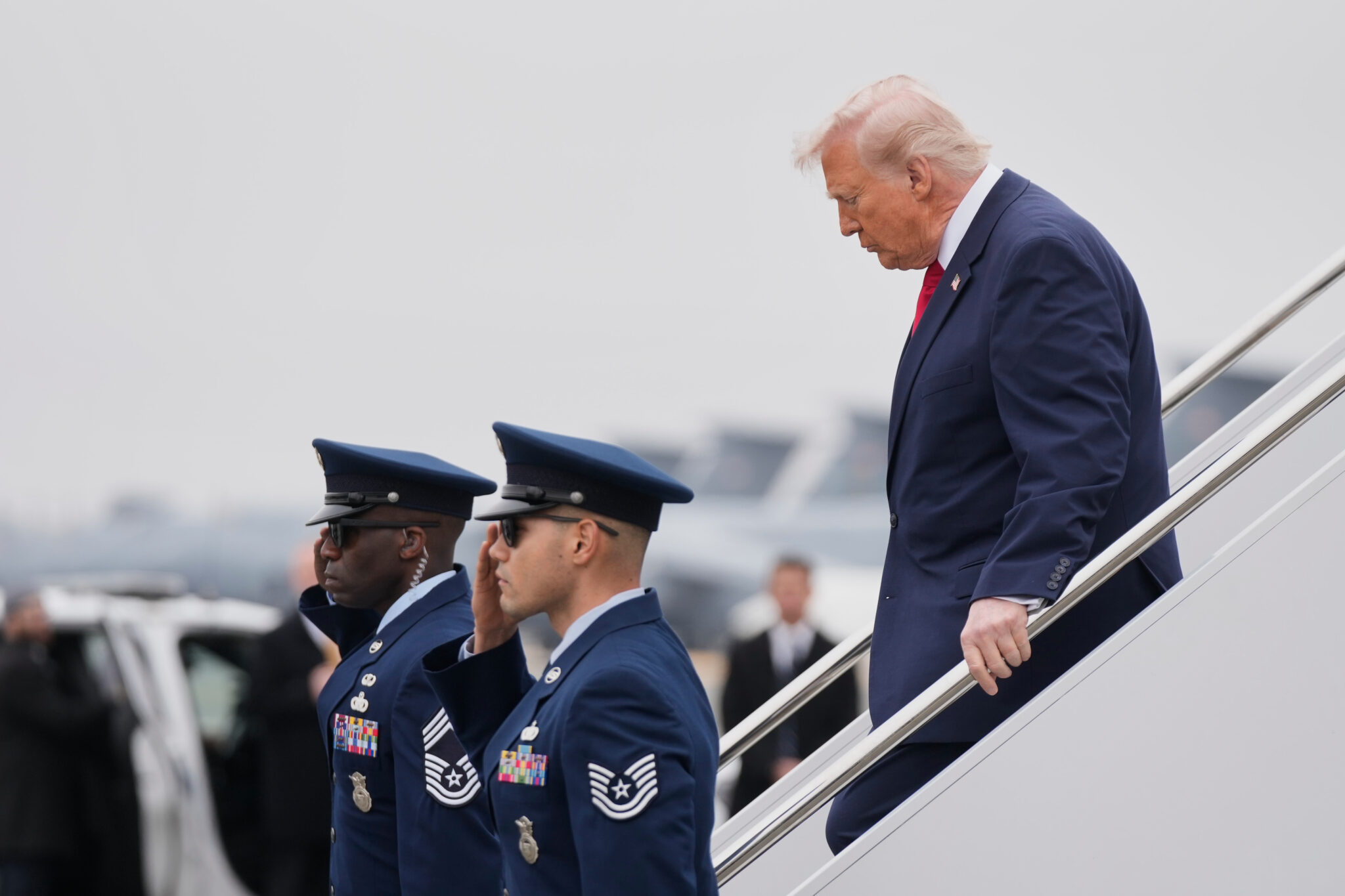
Trump’s Economy Faces Rough 2026 Start Amid Job Losses/ Newslooks/ WASHINGTON/ J. Mansour/ Morning Edition/ Economic data early in 2026 is raising questions about President Donald Trump’s claim of a “roaring” U.S. economy. Job losses, rising gasoline prices tied to the Iran conflict, and a recent stock market decline are fueling uncertainty. The mixed economic signals could influence voter sentiment ahead of the upcoming midterm elections.


Trump Economy Challenges in 2026 Quick Looks
- President Donald Trump promised strong economic growth for 2026.
- Recent data shows 92,000 jobs lost in February, reversing earlier gains.
- Gasoline prices have surged about 19% in one month due to rising oil costs.
- The conflict with Iran has pushed global oil prices higher.
- The Dow Jones Industrial Average has fallen roughly 5% in the past month.
- Economic growth in 2025 was slower than in 2024 under Joe Biden.
- Labor productivity increased, but workers have not seen equivalent wage gains.
- Rising energy costs could push inflation higher again.
- The administration says stronger economic growth is still ahead.
- Economic trends may shape the upcoming U.S. midterm elections.
Deep Look
Trump’s “Roaring Economy” Faces Early 2026 Headwinds
President Donald Trump entered 2026 promising a booming American economy, but the year has begun with mixed signals that challenge that narrative. New economic data on employment, fuel prices, and financial markets suggests the start of the year has been far more uncertain than the president predicted.
During his recent State of the Union address, Trump confidently declared that the U.S. economy was “roaring like never before.” However, the latest indicators show job losses, rising gasoline costs, and a stock market retreat that complicate the administration’s economic messaging.
The gap between Trump’s optimistic forecasts and the current economic data could become a key issue ahead of the upcoming congressional midterm elections, when Republicans will attempt to maintain control of both chambers of Congress.
Job Market Shows Signs of Weakness
Employment figures have become one of the most troubling indicators for the administration.
Earlier in February, Trump celebrated a jobs report showing the economy added 130,000 jobs in January, posting enthusiastically online that America had entered a “Golden Age.”
However, the momentum quickly faded.
The most recent report showed the U.S. economy lost 92,000 jobs in February, while earlier job numbers were revised downward. December’s figures, initially reported as positive, were later adjusted to show a loss of 17,000 jobs.
While month-to-month employment data can fluctuate, economists note that the recent trend suggests growing weakness in the labor market.
Without job growth in the health care sector, the broader economy would have experienced an estimated loss of more than 200,000 jobs since Trump took office in January 2025.
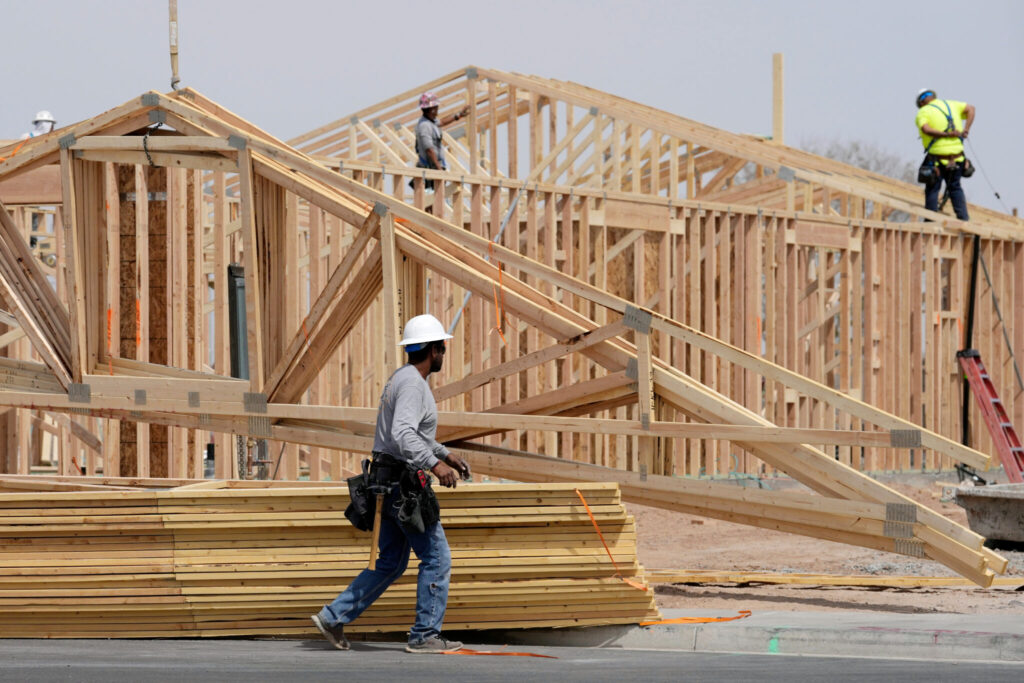
The administration points to gains in construction employment — particularly in non-housing infrastructure — as a potential signal that hiring could strengthen later in the year.
Native-Born Unemployment Edges Higher
Trump has frequently emphasized that his immigration policies would ensure more jobs go to Americans rather than immigrants.
However, recent data complicates that argument.
The unemployment rate for people born in the United States has risen to 4.7%, up from 4.4% a year earlier. That means a larger share of American-born workers are currently seeking employment.
The figures raise questions about whether immigration restrictions alone can meaningfully improve job opportunities for domestic workers.
Rising Gasoline Prices Create New Inflation Pressure
Another challenge for the administration is the rapid rise in gasoline prices.
Trump has repeatedly argued that lowering energy costs would be key to reducing inflation across the economy.
“Slashing energy costs is among the most important actions we can take to bring down prices for American consumers,” the president said during a February speech in Texas.
However, events in the Middle East have complicated that goal.
Military strikes involving the United States, Israel, and Iran that began Feb. 28 have pushed global oil prices higher, increasing fuel costs for consumers.
According to the American Automobile Association, the national average gasoline price has climbed 19% in the past month, reaching roughly $3.45 per gallon.
Investment bank Goldman Sachs warned that sustained high oil prices could push inflation up from 2.4% in January to around 3% by the end of the year.
Despite the surge, the White House believes the impact could be temporary if the conflict stabilizes or oil shipments resume through key shipping routes.
Trump echoed that view on social media, arguing that any price spike would be short-lived.
Stock Market Pullback Raises Questions
The stock market has also shown signs of volatility.
Trump often highlights the performance of the Dow Jones Industrial Average as a measure of economic success, noting that the index previously surpassed 50,000 points, an all-time high.
But the index has since fallen about 5% over the past month, reflecting investor concerns about geopolitical tensions and economic uncertainty.
Despite the decline, stock prices remain higher overall compared with earlier years, and analysts note the market could rebound if the war with Iran subsides and corporate profits remain strong.
The administration has encouraged broader participation in the stock market through initiatives such as proposed “Trump accounts” designed to help families invest for children’s futures.
Still, economists note that market sentiment often differs sharply between Americans who own stocks and those who do not.
According to University of Michigan consumer sentiment surveys, optimism among stock investors rose in February while confidence declined among households without market investments.
Productivity Gains Not Reaching Workers
There is one positive economic signal: productivity.
The U.S. Department of Labor reported that labor productivity in the business sector rose 2.8% in the fourth quarter of 2025.
Higher productivity typically supports long-term economic growth, allowing companies to produce more goods and services with the same amount of labor.
However, economists warn that workers are not necessarily benefiting from those gains.
Labor’s share of national income fell to its lowest level on record last year, according to policy analysts, suggesting the financial benefits of productivity improvements may be flowing primarily to businesses rather than employees.
Economic Comparisons With Biden Administration
Trump has frequently criticized the economic record of his predecessor, Joe Biden, arguing that Biden’s presidency was marked by weak growth and high inflation.
However, the latest economic comparisons complicate that claim.
The U.S. economy expanded at a 2.8% annual rate in 2024, the final year of Biden’s presidency. By contrast, growth slowed to 2.2% in 2025, Trump’s first full year in office.
Inflation, measured by the Federal Reserve’s preferred gauge — the personal consumption expenditures (PCE) price index — registered 2.6% in both 2024 and 2025.
While Trump has avoided the inflation spikes that marked earlier years of the pandemic recovery, he has not yet delivered stronger growth or hiring.
Political Stakes Ahead
With job numbers weakening, fuel prices climbing, and financial markets showing volatility, the early months of 2026 present a complicated economic backdrop for the White House.
The administration continues to argue that stronger growth lies ahead, but the coming months will determine whether the president’s promise of a “roaring economy” becomes reality — or remains an optimistic forecast.






You must Register or Login to post a comment.