Trump’s Greenland Push Spurs Emergency EU Summit/ Newslooks/ WASHINGTON/ J. Mansour/ Morning Edition/ European Union leaders convened an emergency summit in Brussels after President Trump’s threats to seize Greenland and impose tariffs on EU countries. Though Trump reversed his stance, European leaders remain wary of his unpredictability. The summit also addressed Trump’s proposed “Board of Peace,” drawing limited European support.
Transatlantic Tensions Quick Looks
- EU leaders held emergency talks in Brussels after Trump threatened to acquire Greenland.
- Trump withdrew threats of force and tariffs—but skepticism remains.
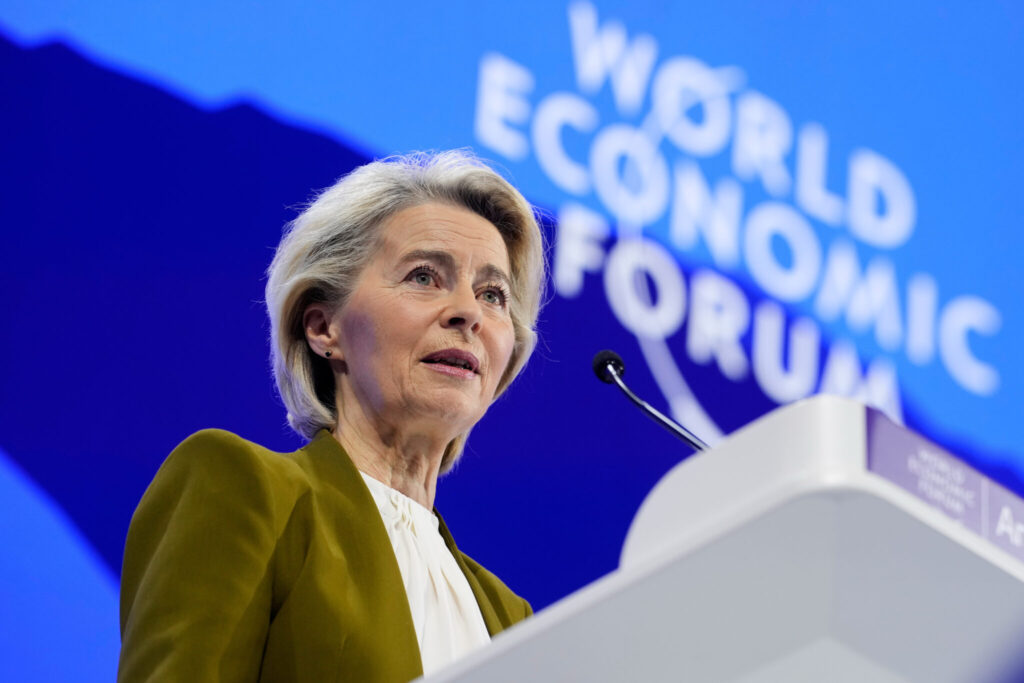
- European Commission President von der Leyen questioned Trump’s reliability on trade.
- Denmark refuses to negotiate sovereignty over Greenland.
- EU lawmakers delayed voting on the July EU-U.S. trade deal.
- The EU is planning a large investment package for Greenland.
- European Council President António Costa said Trump’s behavior threatens EU security and values.
- France, Norway, Sweden, and Slovenia declined Trump’s “Board of Peace” invitation.
- Germany remains cautious, while Hungary accepted the peace board offer.
- Trump threatened tariffs on French wine over Macron’s stance.
Deep Look: EU Leaders Seek New Transatlantic Direction After Trump’s Greenland Reversal
BRUSSELS — European Union leaders gathered for emergency talks on Thursday to reassess their relationship with the United States after two weeks of diplomatic whiplash caused by President Donald Trump’s renewed push to acquire Greenland and his threat to penalize key European allies with tariffs.
Although Trump backed away from his earlier threats on the eve of the summit—saying for the first time he would not use force to seize Greenland and dropping his proposed tariffs against eight EU nations—the damage was already done.
Trump’s unpredictable maneuvering has left the EU searching for a more stable and coherent strategy for dealing with its most powerful NATO partner.
Greenland Dispute Reignites European Caution
Trump’s flirtation with the idea of “acquiring” Greenland, a semi-autonomous Danish territory, triggered immediate diplomatic pushback from Copenhagen. Danish Prime Minister Mette Frederiksen firmly stated that “sovereignty is not negotiable,” reinforcing Europe’s broader stance on respecting territorial integrity—a point increasingly critical as the EU continues to support Ukraine against Russian aggression.
The European Commission’s president, Ursula von der Leyen, addressed the European Parliament earlier this week, expressing deep concern over Trump’s unpredictability and his apparent willingness to renege on the transatlantic trade deal agreed upon in July 2026.
“In politics as in business, a deal is a deal,” von der Leyen told lawmakers. “And when friends shake hands, it must mean something.”
Trade Deal on Hold, EU Strategy Shifts
The lack of transparency surrounding the hasty “framework agreement” that reportedly led Trump to back down on his Greenland ambitions has done little to reassure European leaders. With no official details released, the European Parliament has suspended its vote on the July trade deal.
Von der Leyen also announced that the European Commission is preparing “a massive European investment surge in Greenland,” aimed at strengthening its economy and infrastructure—an economic counterweight to U.S. interest in the Arctic island.
The Commission is simultaneously developing a new European security strategy that would increase the bloc’s independence, both militarily and economically, from the U.S.
“Board of Peace” Gets Cool Reception in Europe
Trump’s proposed “Board of Peace,” introduced at the World Economic Forum in Davos, also loomed large at the Brussels meeting. Initially pitched as a group of world leaders overseeing the Gaza ceasefire, the board has morphed into something broader—and more controversial.
Trump has suggested that the board could one day replace certain functions of the United Nations, an idea that alarmed many in Europe. While Hungary accepted the invitation, other EU countries—such as France, Sweden, Norway, and Slovenia—have declined to participate.
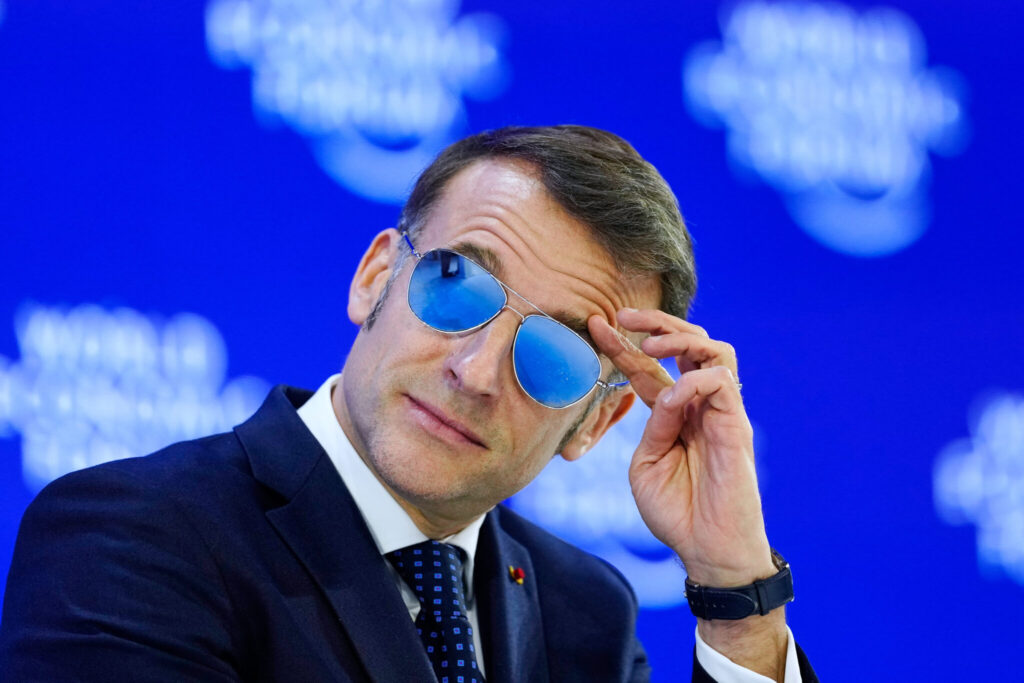
French President Emmanuel Macron has remained noncommittal, prompting Trump to threaten punitive tariffs on French wine and champagne in retaliation. “I’ll put a 200% tariff on his wines and champagnes and he’ll join,” Trump reportedly said.
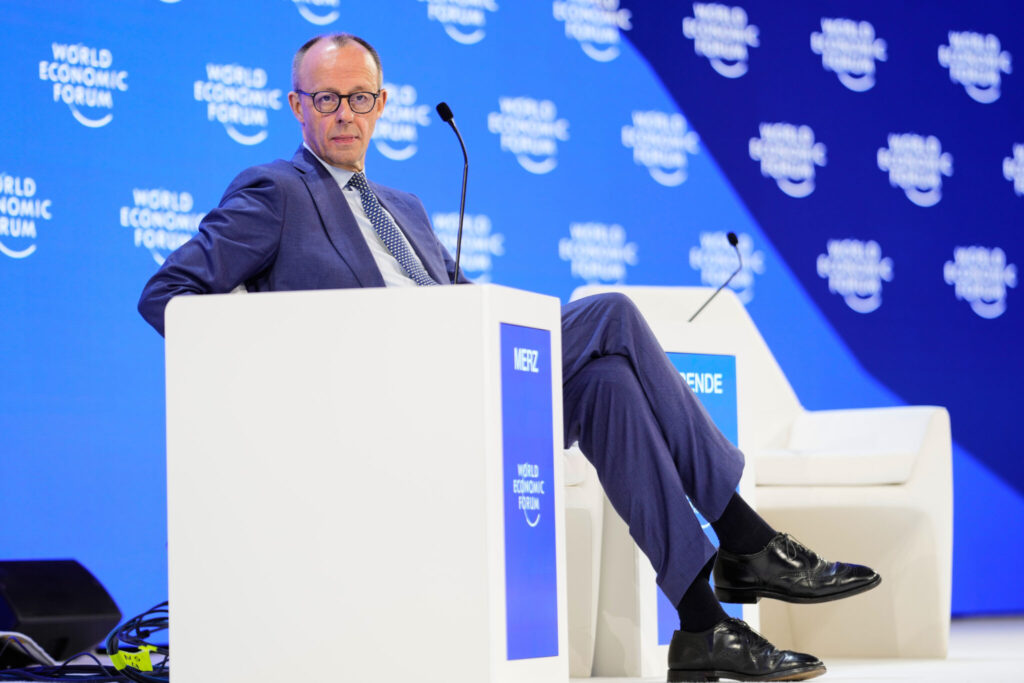
Germany has offered only a vague response, wary of further antagonizing its NATO ally while navigating its own internal debates on European defense autonomy.
EU Seeks Unity Amid U.S. Instability
European Council President António Costa, who chaired the summit, stated that Trump’s erratic behavior poses a fundamental challenge to Europe’s security, values, and prosperity.
“All three dimensions are being tested in the current moment of transatlantic relations,” Costa told leaders. He emphasized that EU countries remain united in their commitment to international law and national sovereignty—principles they see as threatened not only by Russia in Ukraine but by Trump’s actions regarding Greenland.
Costa said the EU would uphold these values even when challenged by its allies, signaling a new willingness to push back against Washington.
A Turning Point in EU-U.S. Relations?
Trump’s “America First” approach, now in its second term, has triggered strategic recalibrations across Europe. From NATO burden-sharing disputes to trade threats and now territorial provocations, European leaders increasingly see the need to prepare for a long-term transatlantic relationship that could become more transactional and less predictable.
Von der Leyen warned lawmakers that Europe is at a crossroads. “Should tariffs come, we are fully prepared to act, if necessary, with unity, urgency and determination,” she said.
Polish Prime Minister Donald Tusk echoed that sentiment in a social media post, declaring, “Appeasement is always a sign of weakness. Europe cannot afford to be weak—neither against its enemies, nor its ally.”
For now, the EU is signaling it will respond to U.S. threats not with capitulation, but with coordinated strategy, resilience, and a reaffirmed commitment to multilateralism.