

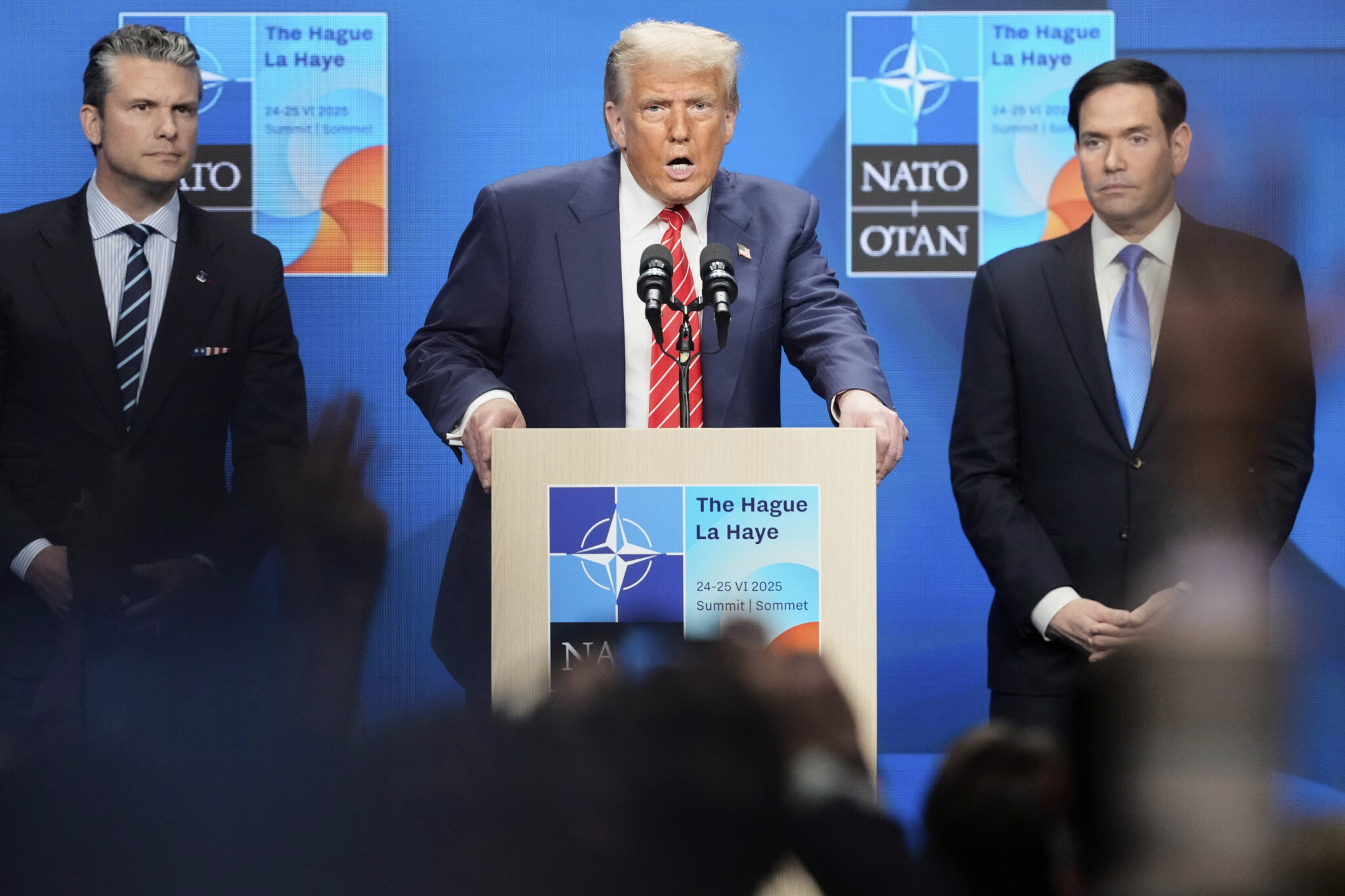
Trump’s Iran War Anger Pushes NATO Into New Crisis/ Newslooks/ WASHINGTON/ J. Mansour/ Morning Edition/ President Donald Trump’s frustration over Iran war support is straining NATO relations. European allies fear the U.S. may not defend them in future conflicts. Analysts warn the alliance faces its most serious crisis in decades.
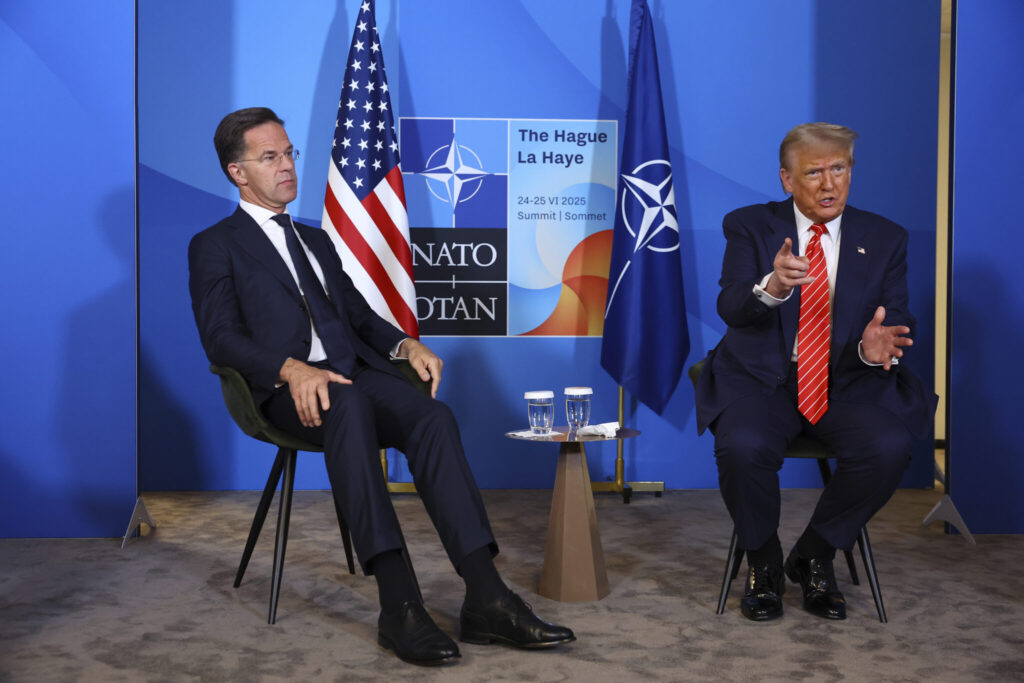
Trump NATO Crisis Quick Looks
- Trump considers withdrawing from NATO
- Iran war triggers transatlantic tensions
- Europe declines to help open Strait of Hormuz
- NATO facing worst crisis in decades
- Allies fear U.S. may not defend Europe
- Rising tensions with Russia policy differences
- NATO Secretary General visiting Washington soon
- European leaders consider defense without U.S.
Deep Look: Trump’s Iran War Anger Pushes NATO Into New Crisis
President Donald Trump’s frustration over European allies’ reluctance to support military operations tied to the Iran conflict has triggered what analysts describe as one of the most serious crises in NATO’s 76-year history.
The dispute centers on European nations declining to send naval forces to help reopen the Strait of Hormuz, a critical global shipping route disrupted during the ongoing U.S.-Israeli conflict with Iran. Trump has expressed anger at what he views as a lack of support from allies, raising concerns about the future of the alliance.
Trump Raises Possibility of Leaving NATO
Trump recently told Reuters he was considering withdrawing from NATO, asking rhetorically: “Wouldn’t you if you were me?”
Although he stopped short of explicitly announcing withdrawal during a Wednesday speech, Trump criticized European allies and suggested the United States has carried too much of the burden.
The comments have sparked alarm among diplomats and analysts who worry the U.S. may reduce its commitment to NATO’s mutual defense pledge, even without formally exiting the alliance.
Experts say that such a shift could undermine the alliance’s core principle — that member nations will defend each other if attacked.
Alliance Facing Historic Strain
Analysts say the current crisis is unprecedented in NATO’s modern history.
Max Bergmann, a former U.S. State Department official now at the Center for Strategic and International Studies, described the situation as the worst NATO has faced since its creation.
“This is the worst place NATO has been since it was founded,” Bergmann said.
NATO has previously weathered challenges, including disagreements over Iraq, Afghanistan, and defense spending. However, the Iran conflict has created a unique strain, particularly because the conflict is outside Europe but still affecting alliance cohesion.
European Leaders Reconsider Defense Strategy
European officials are increasingly considering the possibility of defending the continent without U.S. support.
French General François Lecointre, former chief of France’s armed forces, suggested that Europe must prepare for a future where American support is uncertain.
“NATO remains necessary, but we must be capable of thinking of NATO without the Americans,” Lecointre said.
Such comments reflect growing concern among European governments that the United States may not honor its traditional security commitments.
Disagreements Over Strait of Hormuz
The dispute intensified after European nations declined to send naval forces to help reopen the Strait of Hormuz following the start of airstrikes against Iran.
U.S. officials argue NATO must not be a “one-way street,” emphasizing that allies should provide support during crises affecting U.S. interests.
European officials counter that they were not given clear operational requests and that U.S. messaging has been inconsistent about the mission’s scope and timing.
The disagreement has highlighted broader tensions about burden-sharing within NATO.
Additional Sources of Tension
The Iran conflict is not the only issue straining relations.
European officials also point to:
- Trump’s earlier threat to seize Greenland from Denmark
- U.S. policy shifts seen as favorable to Russia
- Reports that Russia may have supported Iran militarily
- U.S. moves to ease sanctions on Russian oil
These developments have added to concerns about the direction of U.S. foreign policy.
A recent meeting of G7 foreign ministers near Paris reportedly included a tense exchange between U.S. Secretary of State Marco Rubio and EU foreign policy chief Kaja Kallas, further highlighting strained relations.
Legal Limits on NATO Withdrawal
Trump may face legal hurdles if he attempts to withdraw from NATO.
A 2023 law requires approval from two-thirds of the U.S. Senate to exit the alliance, making a formal withdrawal difficult.
However, analysts note that Trump, as commander-in-chief, could still decide not to deploy U.S. forces to defend NATO allies — a move that could weaken the alliance without formal withdrawal.
Some See Temporary Dispute
Not all officials believe the crisis will permanently damage NATO.
Some diplomats described Trump’s rhetoric as temporary, noting that he has shifted positions on NATO in the past.
During the 2024 campaign, Trump criticized NATO members for insufficient defense spending. However, by the 2025 NATO summit, he praised European leaders.
NATO Secretary General Mark Rutte is scheduled to visit Washington next week, hoping to ease tensions and reaffirm cooperation.
Long-Term Impact on Global Order
Even if the immediate dispute is resolved, analysts believe the alliance may not return to its previous form.
European leaders are increasingly focused on building independent defense capabilities, while maintaining ties with the United States.
Julianne Smith, former U.S. ambassador to NATO, said the relationship may be entering a new phase.
“We’re turning the page of 80 years of working together,” Smith said.
She emphasized that the alliance may continue but with a different structure and expectations.
Uncertain Future for NATO
The NATO alliance has long served as the cornerstone of European security since World War II.
However, Trump’s frustration over the Iran conflict and European reluctance to provide military support has introduced new uncertainty.
As the war continues and diplomatic efforts unfold, NATO’s future — and the broader transatlantic relationship — may face its most significant transformation in decades.




You must Register or Login to post a comment.