Trump’s Venezuela Blockade Enforced by Second Vessel Seizure/ Newslooks/ WASHINGTON/ J. Mansour/ Morning Edition/ U.S. forces have intercepted a second merchant vessel off Venezuela’s coast as part of President Trump’s ongoing blockade targeting sanctioned oil tankers. The operation follows the recent seizure of another tanker and reflects growing U.S. pressure on President Nicolás Maduro. The action was described as a “consented boarding,” and no force was reported.
US Forces Stop Second Tanker Near Venezuela Quick Looks
- Location: Off the coast of Venezuela
- Incident Date: Saturday, December 20, 2025
- Operation Type: Consented boarding by U.S. forces
- Related Action: First seizure occurred December 10
- U.S. Officials: Two confirmed the action anonymously
- Trump’s Directive: Blockade on all sanctioned oil tankers
- Pentagon Response: No official comment yet
- Motivation: Pressure campaign on Nicolás Maduro
- Strategic Objective: Recovery of U.S. oil assets, sanction enforcement
- Venezuelan Impact: Some tankers already diverting routes
Trump’s Venezuela Blockade Enforced by Second Vessel Seizure
Deep Look
WASHINGTON — U.S. forces have stopped a second merchant vessel near Venezuela in just under two weeks, as the Trump administration intensifies its pressure campaign against President Nicolás Maduro. The latest incident, confirmed by two American officials, is part of an increasingly assertive strategy to enforce sanctions on Venezuela’s oil trade.
According to U.S. officials who spoke on condition of anonymity due to the sensitive nature of the operation, the latest boarding occurred Saturday and was described as “consented.” That is, the merchant vessel voluntarily stopped and allowed U.S. forces to board without resistance. No details were provided about the ship’s cargo, destination, or flag.
This follows a similar operation on December 10, when a U.S. Coast Guard unit intercepted an oil tanker in the Caribbean Sea near Venezuela. President Donald Trump later confirmed that seizure and declared a full “blockade” against all sanctioned tankers traveling to or from Venezuela.
The Pentagon and the White House have yet to issue formal statements on the most recent boarding, but the move signals a continued escalation in Trump’s direct approach to foreign policy in the Western Hemisphere.
Trump’s Oil-Focused Pressure Campaign
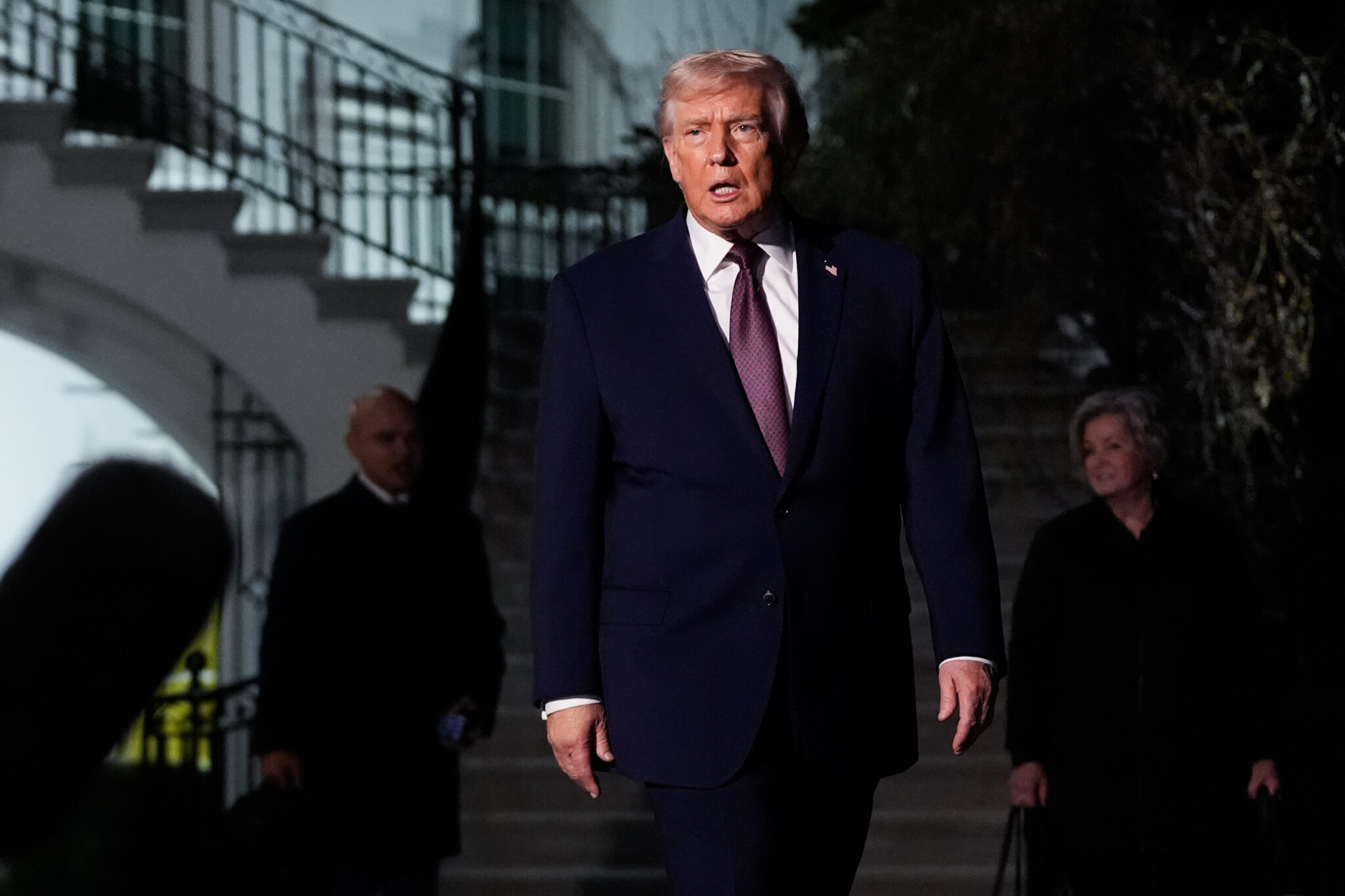
The dual tanker interceptions come as Trump renews a combative stance toward Maduro, demanding the return of assets Venezuela seized from American oil companies. Speaking to reporters earlier this week, Trump justified the blockade by pointing to the loss of U.S. investments and alleged criminal activities linked to Maduro’s regime, including drug trafficking.
“They took all of our energy rights,” Trump said. “They took all of our oil not that long ago. And we want it back. They illegally took it.”
The administration’s new enforcement measures target oil shipments in and out of Venezuela that violate U.S. sanctions. Officials have noted that some oil tankers have already diverted away from Venezuelan ports in anticipation of enforcement actions.
Rising Tensions in the Caribbean
The strategic use of the U.S. Coast Guard and other forces in the Caribbean reflects a tightening grip on Venezuela’s maritime trade, especially its oil exports. Venezuela remains heavily dependent on its petroleum industry for revenue, and any disruption to its export logistics is likely to create ripple effects across its already fragile economy.
The blockade marks a distinct shift in tone and policy, as Trump appears determined to signal both strength and accountability ahead of the 2026 midterm elections. The campaign to pressure Maduro could also serve domestic political objectives, including bolstering support from anti-Maduro Venezuelan-American communities, particularly in Florida.
The recent actions raise questions about the potential for further confrontations at sea, especially if future vessels refuse boarding or involve other nations. However, both recent incidents were described as voluntary, reducing immediate risk of military escalation.
Venezuela’s Position
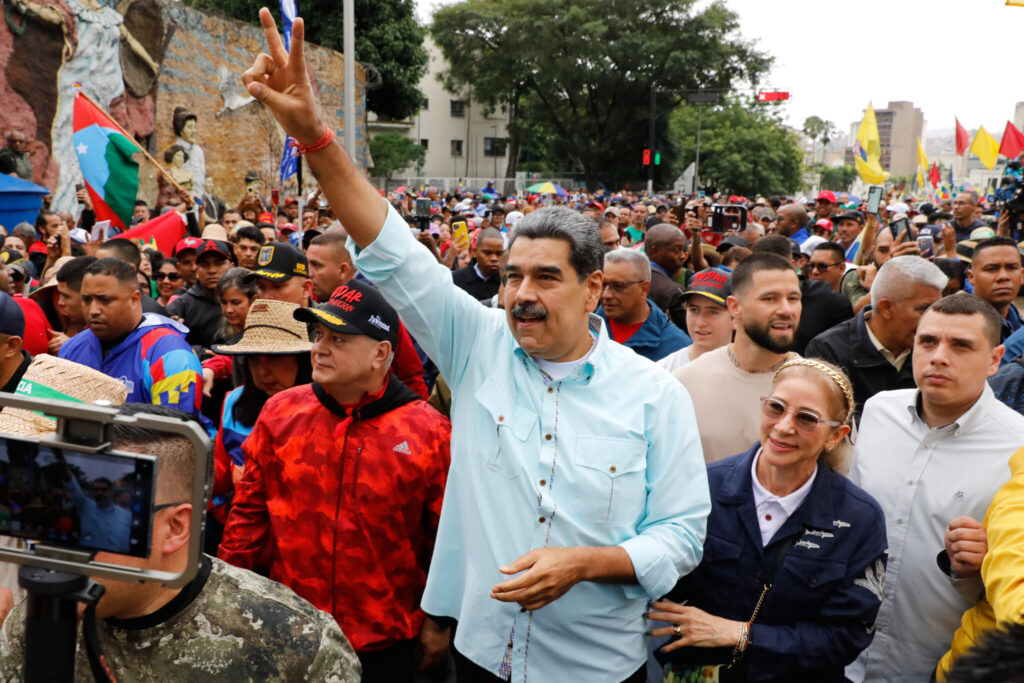
Maduro has yet to comment directly on the latest incident, but his administration previously condemned the December 10 seizure as “piracy” and accused the U.S. of economic warfare. Venezuela has relied on cooperation with Russia, China, and Iran to circumvent Western sanctions in recent years, creating a complex geopolitical web that could complicate further U.S. actions.
For now, however, the Trump administration appears undeterred. With control over shipping lanes in the Caribbean and legal backing from U.S. sanctions laws, the White House continues to position itself as the arbiter of trade to and from Venezuela’s ports.
Observers are watching closely for how other countries and shipping companies will respond to the heightened enforcement. If the U.S. blockade continues to impact global shipping routes or triggers legal disputes, broader diplomatic consequences could follow.