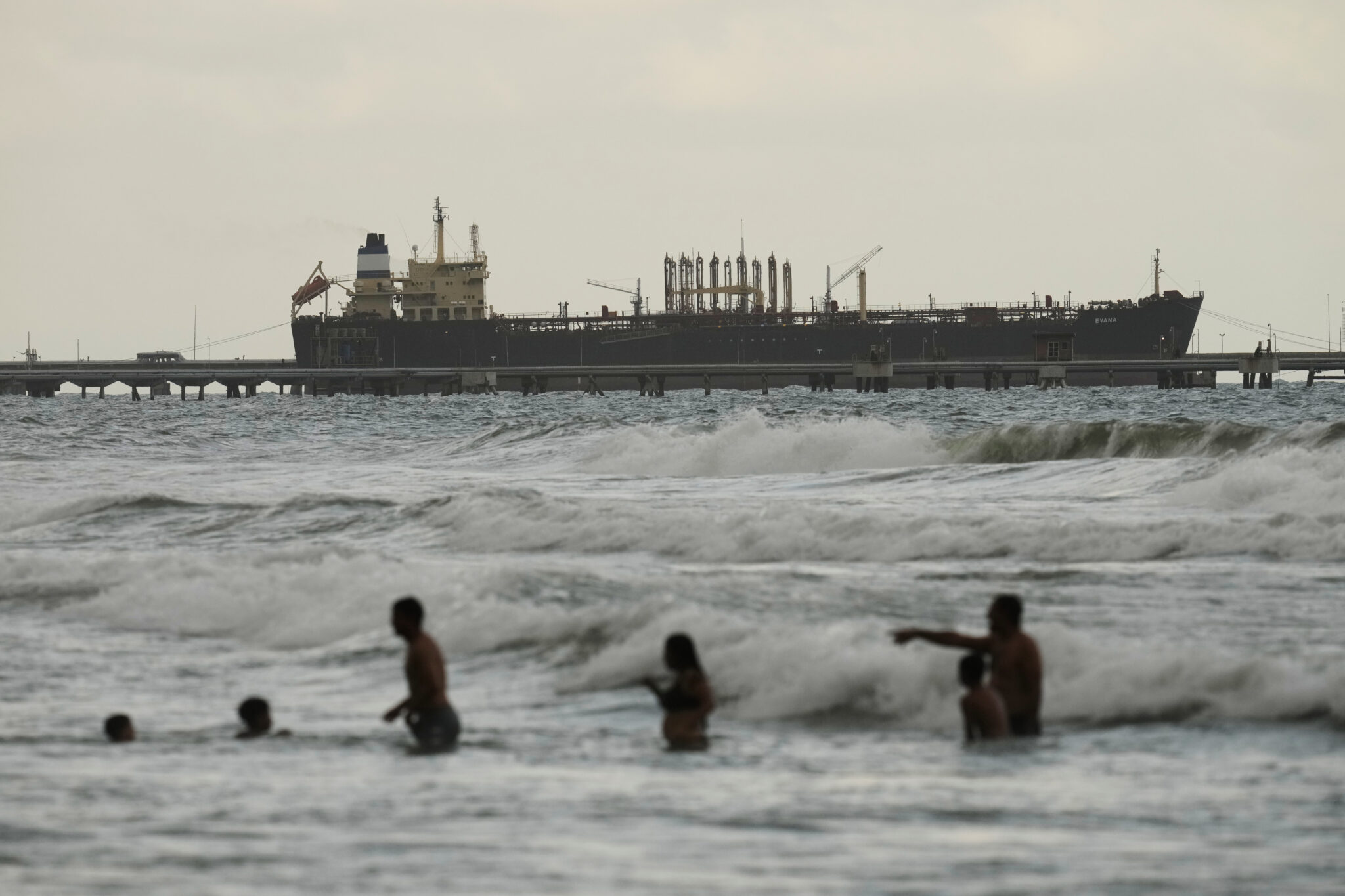
U.S. Coast Guard Tracks 3rd Sanctioned Venezuelan Oil Tanker/ Newslooks/ WASHINGTON/ J. Mansour/ Morning Edition/ The U.S. Coast Guard is pursuing a sanctioned oil tanker in the Caribbean linked to Venezuela’s sanctions‑evasion “shadow fleet.” The pursuit follows the recent seizure of another tanker, underscoring the Trump administration’s stepped‑up pressure on Venezuelan oil shipping. The White House has not publicly commented on the latest operation.
Coast Guard Pursues Sanctioned Tanker Quick Looks
- U.S. Coast Guard pursuing a sanctioned tanker tied to Venezuela’s evasion efforts.
- The tanker was reportedly flying a false flag and is under a judicial seizure order.
- The move comes after the recent seizure of a Panama‑flagged vessel linked to Venezuela’s shadow fleet.
- The earlier seizure and pursuit are part of a broader Trump administration crackdown.
- President Trump has threatened a “blockade” of Venezuelan oil shipments.
- Some sanctioned tankers are already diverting from Venezuelan ports.
- Venezuela’s government calls U.S. actions “aggression” and vows resistance.
- Republican Sen. Rand Paul warns the actions risk conflict.
- Democrats call for congressional authorization for military measures.
- The administration is also targeting vessels suspected of smuggling drugs into U.S. waters.
Deep Look
U.S. Coast Guard Chases Sanctioned Tanker Accused of Helping Venezuela Evade Sanctions
WEST PALM BEACH, Fla. — The U.S. Coast Guard is actively pursuing another sanctioned oil tanker in the Caribbean Sea suspected of helping Venezuela circumvent American sanctions, according to a U.S. official familiar with the operation.
The official, who spoke on condition of anonymity because the action is ongoing and has not been publicly announced, said the vessel is part of what the U.S. government calls Venezuela’s “illegal sanctions evasion shadow fleet.” The ship is reportedly flying a false flag and is subject to a judicial seizure order.
This pursuit comes on the heels of another enforcement action. On Saturday before dawn, U.S. authorities seized a Panama‑flagged tanker named Centuries, which the White House described as operating under a false flag in service of trafficking Venezuelan oil that is subject to U.S. sanctions.
Shadow Fleet Crackdown Intensifies
This is at least the second tanker to be targeted in less than two weeks. On Dec. 10, the Coast Guard, with support from the U.S. Navy, seized another sanctioned vessel, Skipper, which was not flying any national flag at the time. U.S. officials have said these vessels operate in legal gray zones, shifting flags and ownership to skirt sanctions tied to Venezuela’s oil exports.
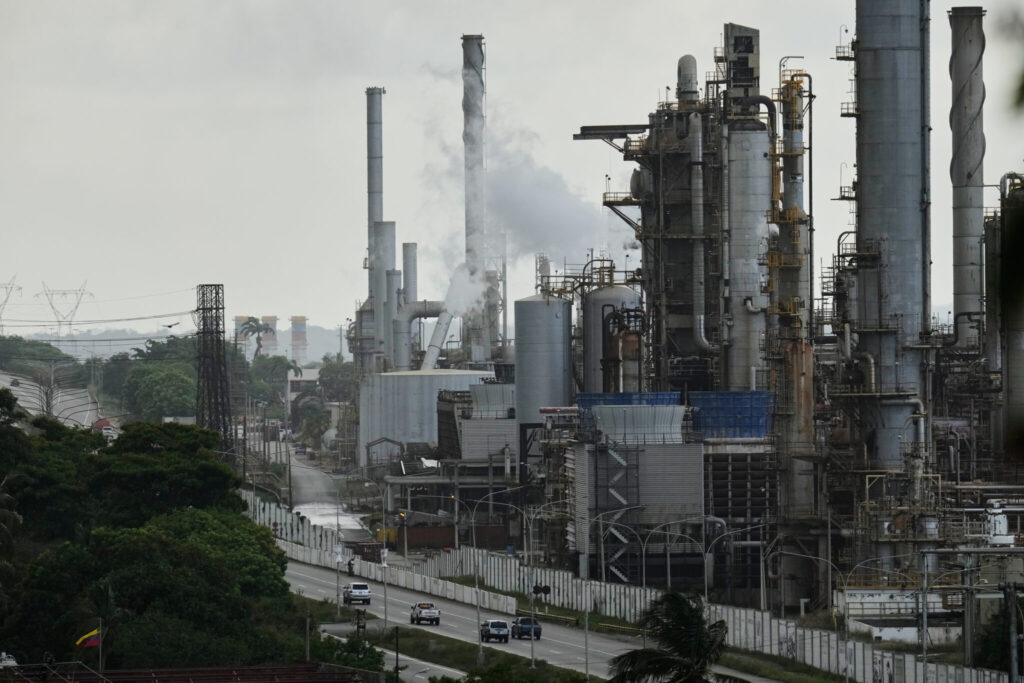
After the seizure of the Skipper, President Donald Trump declared that the U.S. would enforce a “blockade” of Venezuelan oil shipments. Trump has repeatedly taken a hard line against Venezuelan President Nicolás Maduro, citing both unpaid U.S. investments from Venezuela’s nationalization of its oil sector and allegations of corruption and drug trafficking.
Trump’s Broader Pressure Campaign
Trump’s recent comments have tied the stepped‑up enforcement to a broader strategy to pressure Venezuela. In interviews this week, he has demanded the return of assets seized by Venezuela from U.S. oil companies — a longstanding grievance dating back to nationalization moves by Caracas in the 1970s and more recent actions under Maduro and his predecessor, Hugo Chávez.
Despite these demands, some tanker operators linked to the Venezuelan shadow fleet have already rerouted away from Venezuelan ports in response to U.S. pressure.
Venezuela Condemns Actions
Maduro responded on the social platform Telegram, characterizing U.S. actions as part of a months‑long campaign of “aggression” ranging from psychological pressure to attacks on oil tankers. He framed Venezuela’s position as resolute and ready to intensify its domestic “revolution” in the face of foreign pressure.
U.S. Domestic Political Reactions
The tanker seizures have drawn mixed reactions within the U.S. political landscape.
Sen. Rand Paul (R‑Ky.), a frequent critic of foreign military action, called the seizures a “provocation and a prelude to war” on ABC’s This Week. Paul argued that while the U.S. disagrees with many governments around the world, American forces should not act as a global police force.
On the opposite side of the aisle, Democrats have criticized the Trump administration for taking military action without congressional authorization.
Sen. Tim Kaine (D‑Va.) told NBC’s Meet the Press that while sanctions and diplomatic pressure are valid tools, the U.S. should not be engaging in actions tantamount to war with Venezuela without a vote from Congress.
Overlap With Drug Enforcement Operations
The tanker pursuits occur alongside another controversial policy push by the administration: a series of Defense Department attacks on vessels in the Caribbean and eastern Pacific accused of smuggling fentanyl and other illegal drugs into the United States.
According to U.S. authorities, there have been at least 28 known strikes since early September, resulting in over 100 reported deaths. These strikes have drawn scrutiny from lawmakers and human rights advocates who argue the administration has offered limited evidence showing the targeted vessels were trafficking drugs, and they assert that the actions amount to extrajudicial killings.
Political Messaging From the White House
White House chief of staff Susie Wiles told Vanity Fair that Trump “wants to keep on blowing boats up until Maduro cries uncle,” a quote that has drawn attention for its combative tone and rhetorical escalation.
What’s Next
The Coast Guard pursuit remains active, and details are limited as the situation unfolds. Venezuela maintains it will continue resisting external pressure, while U.S. policymakers and lawmakers debate the broader legal and diplomatic implications of these high‑stakes enforcement actions in the Caribbean.