U.S. Faces Global Criticism Over Venezuela Intervention at U.N. Meeting/ Newslooks/ WASHINGTON/ J. Mansour/ Morning Edition/ U.S. allies and rivals strongly criticized America’s military operation in Venezuela during an emergency U.N. Security Council meeting. Several nations accused the U.S. of violating international law in its capture of Nicolás Maduro. The U.S. defended the raid as a justified anti-narcotics action.
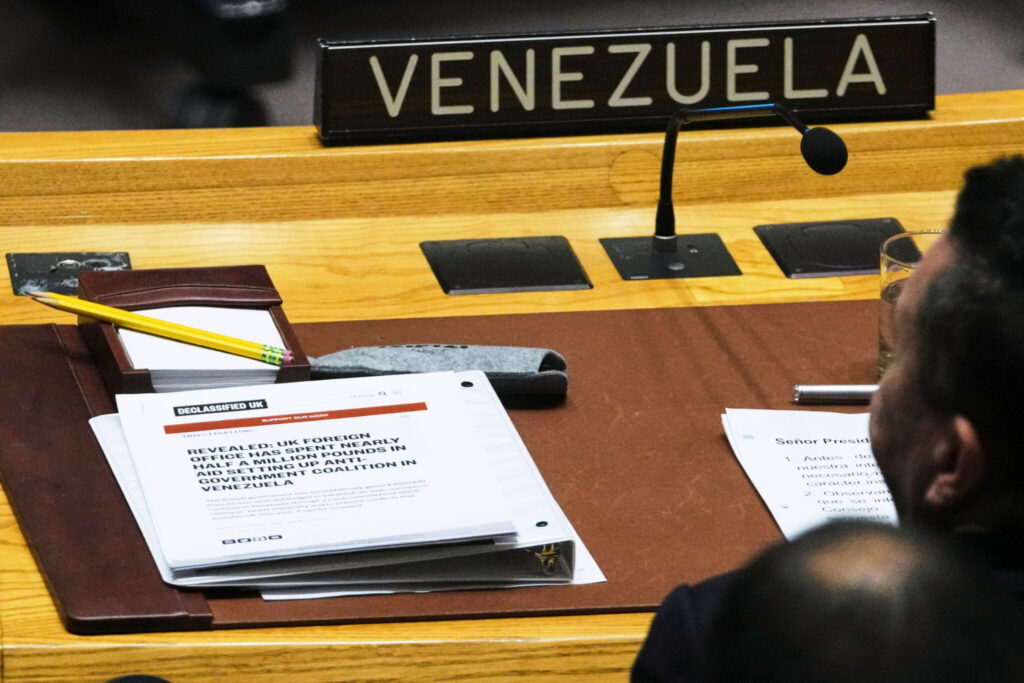
Global Outcry Over Venezuela Raid — Quick Looks
- U.N. Security Council meets after U.S. captures Maduro in raid
- U.N. Secretary-General warns U.S. may have broken international law
- U.S. criticized for threatening Colombia, Mexico, and Greenland
- Denmark says U.S. cannot claim Greenland through force
- Russia calls U.S. action a return to “lawlessness”
- Colombia denounces military interference in the region
- Trump vows to “run” Venezuela and access its oil
- U.S. envoy defends Maduro raid as “surgical operation”
- Rubio says oil quarantine will remain in place
- Maduro and wife now face prosecution in New York
U.S. Faces Global Criticism Over Venezuela Intervention at U.N. Meeting
Deep Look
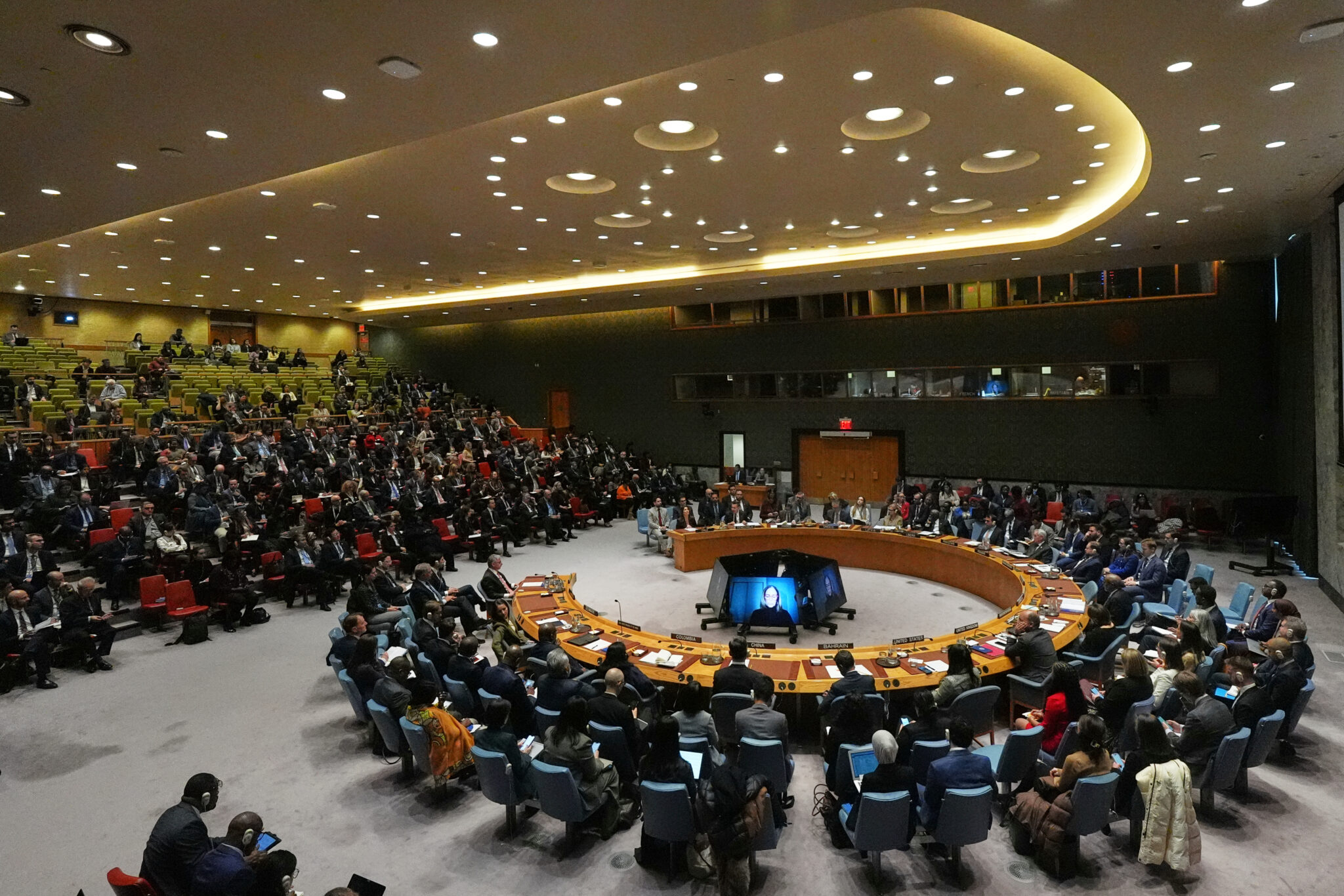
UNITED NATIONS — The United States came under heavy international criticism Monday during an emergency U.N. Security Council meeting convened after a U.S. military operation in Venezuela captured ousted leader Nicolás Maduro and brought him to New York for trial on drug trafficking charges.
The meeting, held at U.N. headquarters in New York, featured harsh rebukes from both U.S. allies and adversaries, with officials warning that the raid could violate international law and set a dangerous precedent.
U.N. Secretary-General António Guterres voiced “deep concern” over the legality of the January 3 raid, stating that the operation may have disregarded established international norms. “This grave action could establish troubling new precedents for how nations engage with one another,” Guterres said.
The condemnation wasn’t limited to adversaries. Denmark, a NATO ally, also raised alarm over the rhetoric from President Donald Trump, who not only took credit for capturing Maduro but renewed his claim to potentially seize Greenland, a Danish territory, citing U.S. national security interests.
“The inviolability of borders is not up for negotiation,” said Christina Markus Lassen, Denmark’s ambassador to the U.N. “No state should attempt to influence political outcomes in Venezuela through force or other means contrary to international law.”
The Venezuelan raid, which involved extracting Maduro and his wife from a military base and transferring them aboard a U.S. warship to face charges in New York, has sparked a fierce debate over U.S. power, sovereignty, and global law.
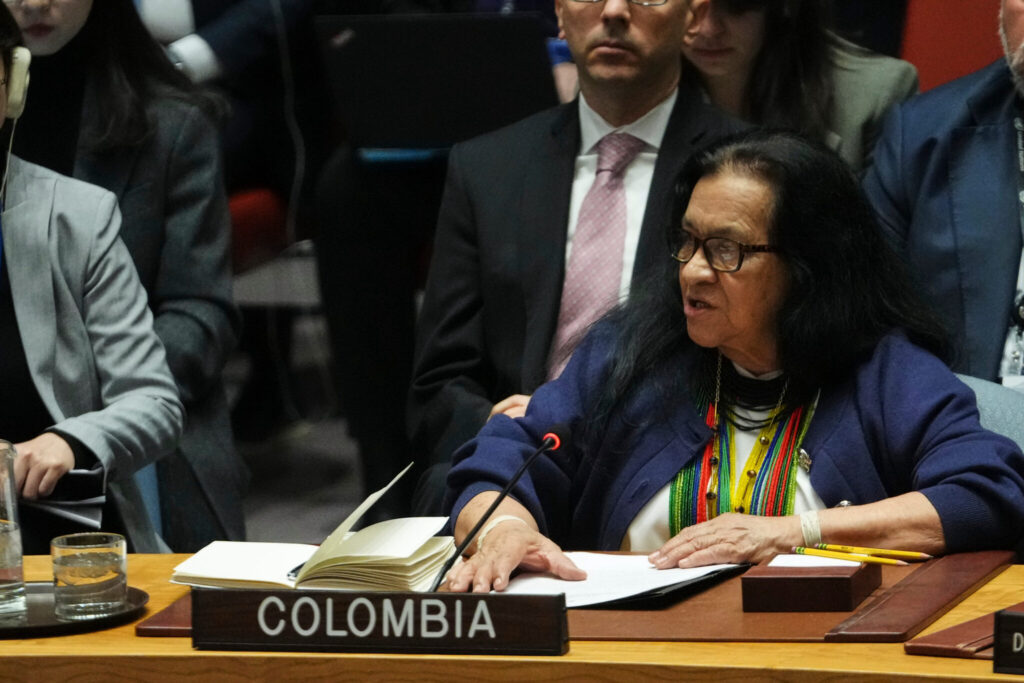
Colombia, which was also indirectly referenced in Trump’s weekend comments about expanding action to other nations tied to drug trafficking, issued a sharp rebuke.
“Democracy cannot be defended through violence and coercion,” said Colombian Ambassador Leonor Zalabata. “This operation resembles some of the worst forms of interference from the past.”
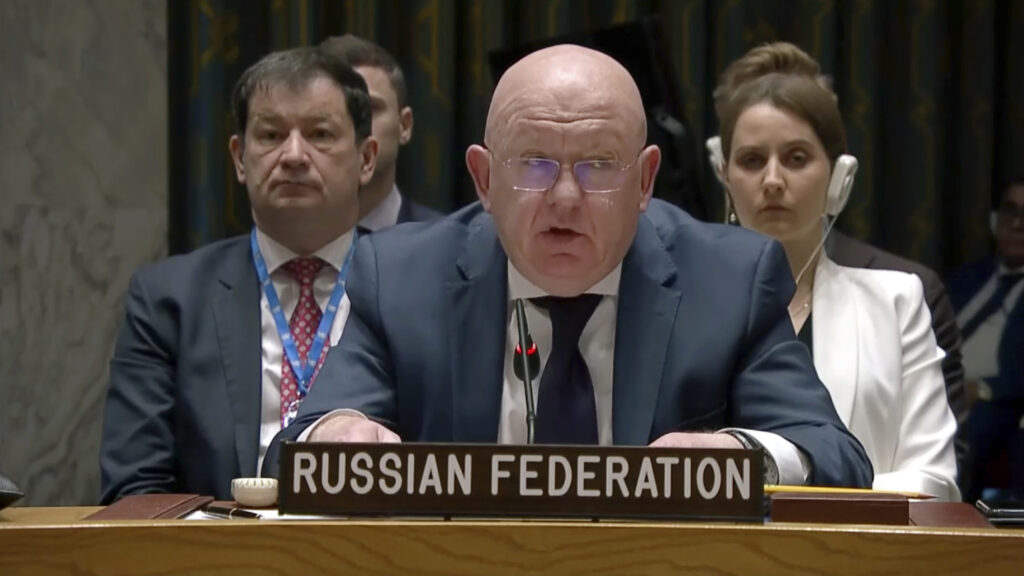
Russia’s U.N. envoy, Vasily Nebenzya, went further, calling the U.S. action a “return to the era of lawlessness.” He warned against Washington positioning itself as a global enforcer with the right to invade, judge, and punish sovereign nations.
“We cannot allow the United States to proclaim itself as some kind of supreme judge,” Nebenzya said. “Such actions disregard international law, sovereignty, and nonintervention.”
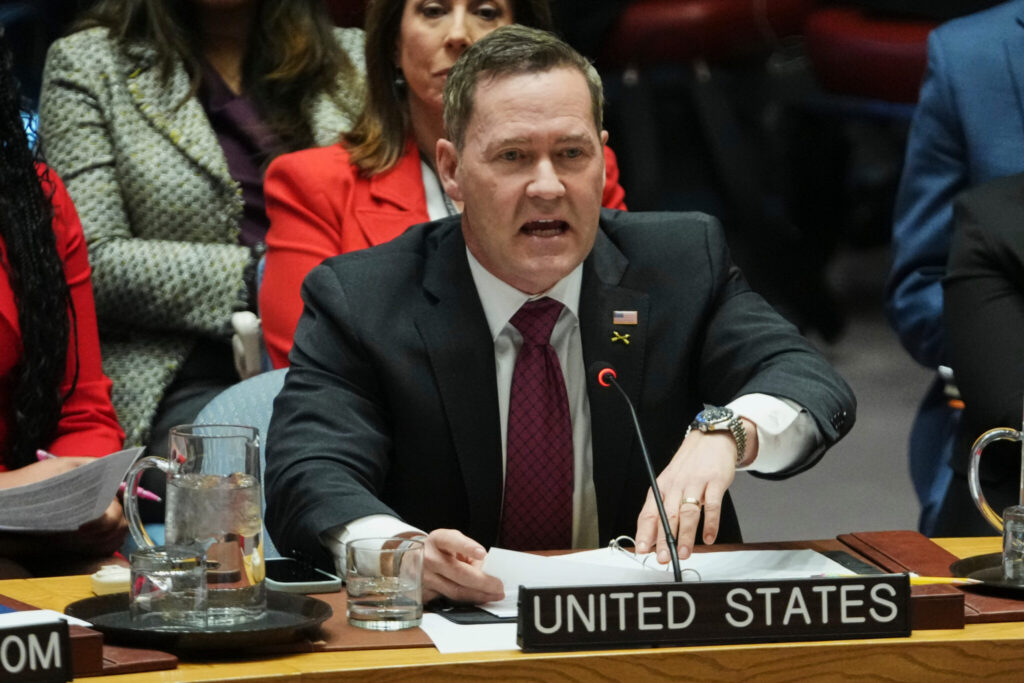
Despite the criticism, U.S. Ambassador Mike Waltz, formerly Trump’s national security adviser, strongly defended the operation. He described it as a “surgical law enforcement action” against an indicted narco-terrorist and dismissed concerns from the international community.
“If the U.N. confers equal legitimacy on an indicted criminal and a democratically elected leader, what kind of organization is this?” Waltz asked, referencing Maduro’s controversial hold on power.
The Justice Department indictment accuses Maduro and several Venezuelan officials of partnering with drug cartels to traffic massive quantities of cocaine into the U.S. Maduro appeared in federal court Monday and pleaded not guilty.
Trump has stated that the U.S. will “run” Venezuela temporarily, suggesting that American companies will help revamp the country’s vast but crumbling oil industry. However, Secretary of State Marco Rubio clarified that the U.S. would not govern Venezuela daily but would continue enforcing a strict oil quarantine on sanctioned tankers.
Rubio added that the U.S. will use its economic leverage to encourage political transition and ensure Venezuela’s resources are not used to support authoritarian control or illicit activities.
Oil prices rose slightly in Monday’s trading amid expectations of U.S. involvement in Venezuelan energy production, though many experts remain skeptical that the country’s oil infrastructure — devastated by years of neglect — can rebound quickly.
The growing backlash at the United Nations signals potential diplomatic turbulence for the U.S., even as the Trump administration insists that the Maduro operation was legal, justified, and in line with broader counter-narcotics and national security goals.
The issue has reignited longstanding tensions over U.S. interventionism in Latin America, with critics warning that expanding U.S. military actions in the hemisphere could destabilize regional politics and embolden authoritarian regimes to justify similar tactics.
For now, Maduro remains in U.S. custody, and a legal battle looms — but the broader question of whether the U.S. overstepped international norms is now front and center in diplomatic circles worldwide.