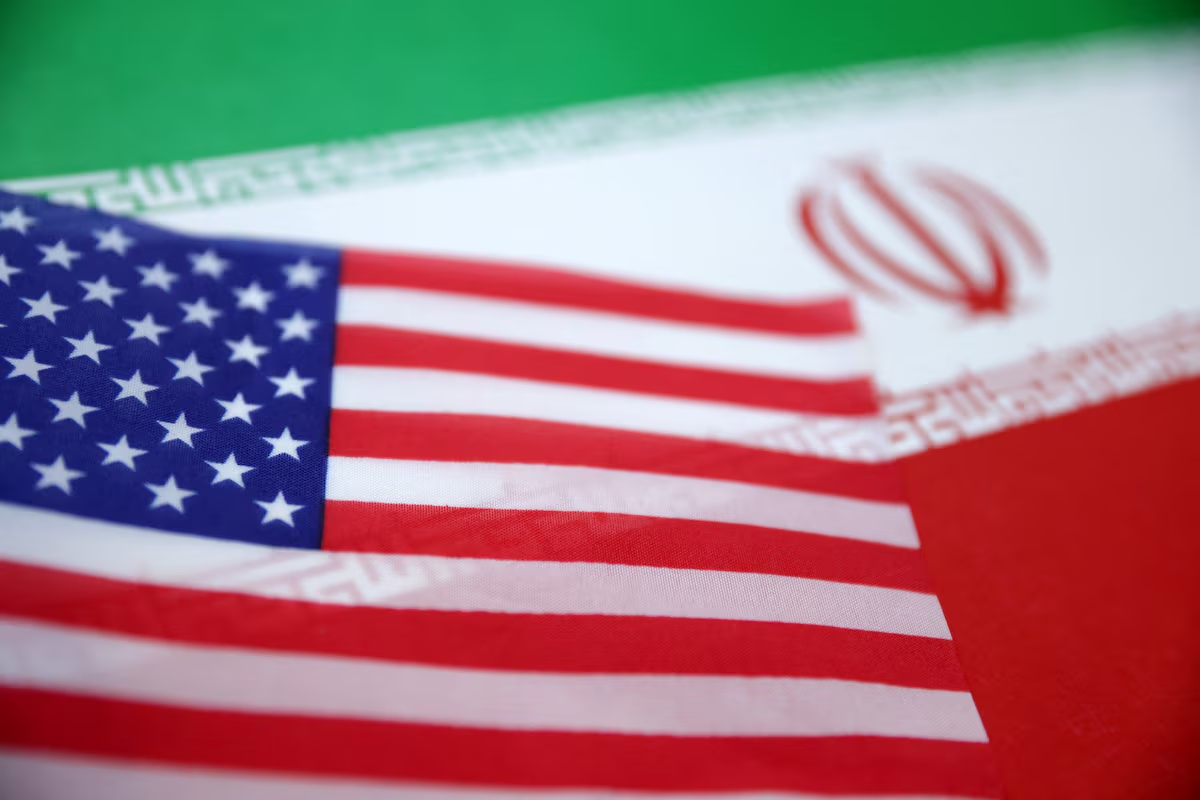
U.S., Iran to Resume Nuclear Talks in Istanbul, Regional Nations to Join Amid High Tensions/ Newslooks/ WASHINGTON/ J. Mansour/ Morning Edition/ Iran and the United States are set to resume nuclear negotiations on Friday in Istanbul, with participation from Saudi Arabia, Egypt, and other regional powers. Talks follow escalating tensions, including a U.S. naval buildup and Iran’s internal unrest; Iran may show flexibility on uranium enrichment but resists missile program limits. Satellite imagery shows repair work at bombed Iranian nuclear sites, while both nations weigh diplomatic versus military options.
Quick Look
- Date & Location: Talks to begin Friday in Istanbul, Turkey
- Participants: U.S., Iran, Saudi Arabia, Egypt, Qatar, UAE
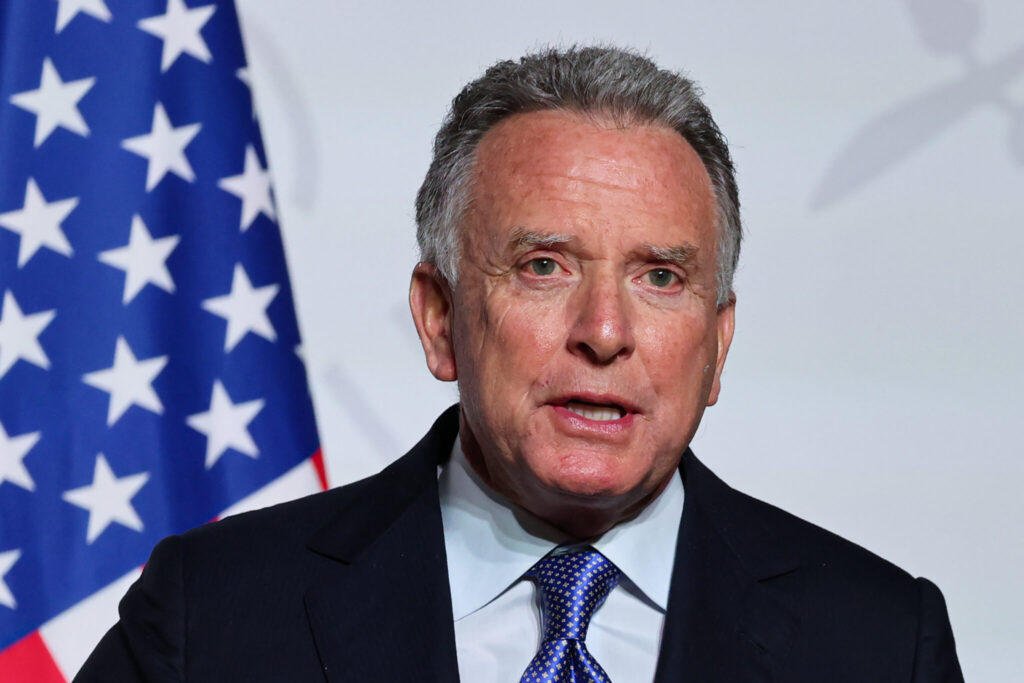
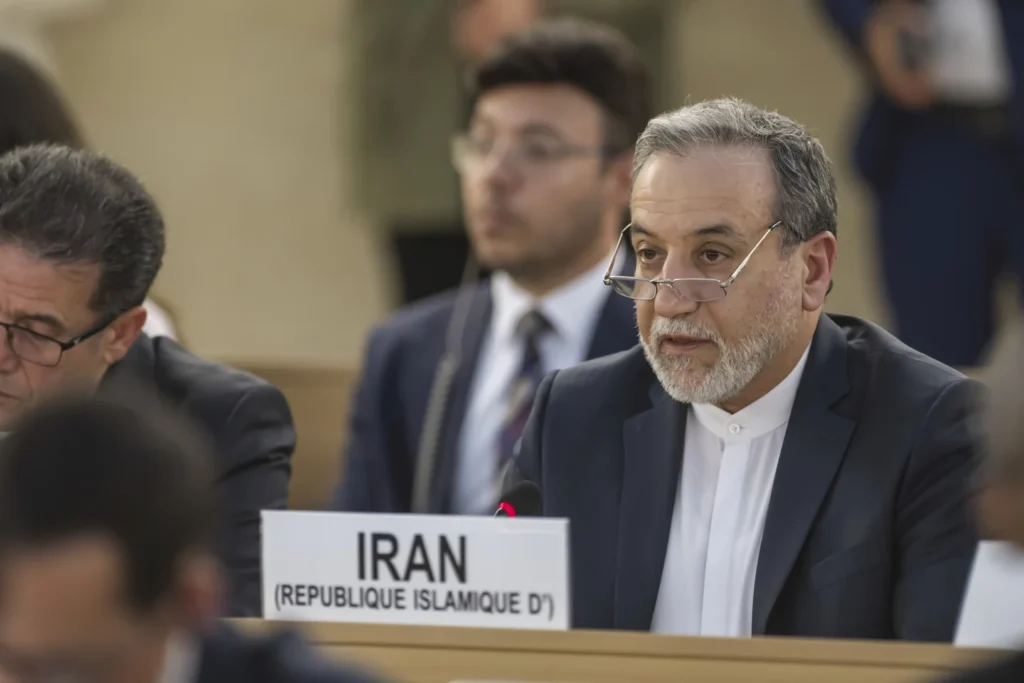
- Leads: U.S. Special Envoy Steve Witkoff and Iran FM Abbas Araqchi
- Tensions High: U.S. naval presence near Iran; post-crackdown unrest
- U.S. Demands: Zero uranium enrichment, missile program limits, no proxy support
- Iran’s Response: May offer uranium compromise but refuses missile limits
- Recent Activity: Satellite images show repair work at Natanz, Isfahan
- Next Steps: U.S. strikes still possible if diplomacy fails
- Trump’s Role: Trump pushing hardline terms but says Iran is “seriously talking”
Deep Look
Nuclear Talks Resume Amid Regional Tensions
DUBAI (Feb 2, 2026) – Iran and the United States will resume nuclear negotiations on Friday in Istanbul, with top envoys from both nations—U.S. Special Envoy Steve Witkoff and Iranian Foreign Minister Abbas Araqchi—leading the charge. The renewed talks are being hosted by Turkey, with participation from Saudi Arabia, Egypt, Qatar, the UAE, and others.
“Qatar, Saudi Arabia, UAE and Egypt, as well as some other countries, will attend the Istanbul meeting,” a regional diplomat told Reuters. “There will be bilateral, trilateral and other meetings.”
The talks aim to revive diplomacy and avoid a broader regional conflict, particularly amid growing international fears surrounding Iran’s nuclear ambitions and ongoing proxy clashes across the Middle East.
U.S. Naval Buildup Escalates Pressure
Tensions remain high following a U.S. military buildup off Iran’s coast, a move prompted by violent anti-government crackdowns in Iran last month—the deadliest since the 1979 revolution. Despite threats, President Donald Trump held back on direct intervention but demanded that Tehran make significant nuclear concessions.
Trump recently said Iran was “seriously talking,” while Iranian top security official Ali Larijani confirmed that preparations for talks were underway.
Trump’s conditions:
- Zero uranium enrichment
- Limits on Iran’s ballistic missile program
- End to support for regional proxy groups
Tehran has long considered these demands violations of sovereignty. However, Iranian officials privately stated that the missile program, rather than uranium enrichment, remains the larger obstacle.
Iran Hints at Possible Compromise
Foreign Ministry spokesperson Esmaeil Baghaei acknowledged Iran was “considering all dimensions of the talks,” stressing urgency in lifting “unjust sanctions.” One Iranian official even hinted at a possible uranium compromise.
“Iran is ready to show flexibility,” he said, “including handing over 400 kg of highly enriched uranium” and possibly accepting zero enrichment under a consortium model—but only if U.S. forces back off militarily.
“Now the ball is in Trump’s court,” the Iranian official added.
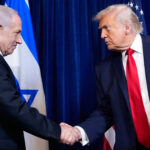
Meanwhile, Witkoff is expected to visit Israeli PM Benjamin Netanyahu and military leaders before the talks begin, further raising the diplomatic stakes.
Satellite Imagery Reveals Activity at Bombed Nuclear Sites
Recent satellite imagery reviewed by Reuters and provided by Planet Labs shows repair work underway at Iran’s Natanz and Isfahan nuclear facilities, both of which were bombed in June 2025 during coordinated U.S. and Israeli airstrikes.
- Natanz & Isfahan: New roofing observed over previously destroyed buildings
- ISIS Think Tank: Tunnel construction suggests preparation for future strikes or asset relocation
Tehran has claimed to halt uranium enrichment since the strikes, though international watchdogs, including the IAEA, have pressed Iran to disclose what happened to its highly enriched uranium stockpile.
Longstanding Stalemate on Enrichment
After five stalled rounds of nuclear talks since May 2023, key sticking points remain:
- Iran refuses to cease uranium enrichment on its soil
- Tehran has declined to ship all enriched uranium abroad
- The U.S. demands greater transparency and restrictions
Western nations worry enriched uranium could lead to weapons-grade material, while Iran insists its nuclear program is strictly civilian, focused on energy and medicine.
Still, Iranian officials now signal a willingness to pause enrichment and ship enriched material abroad—if coupled with comprehensive sanctions relief.