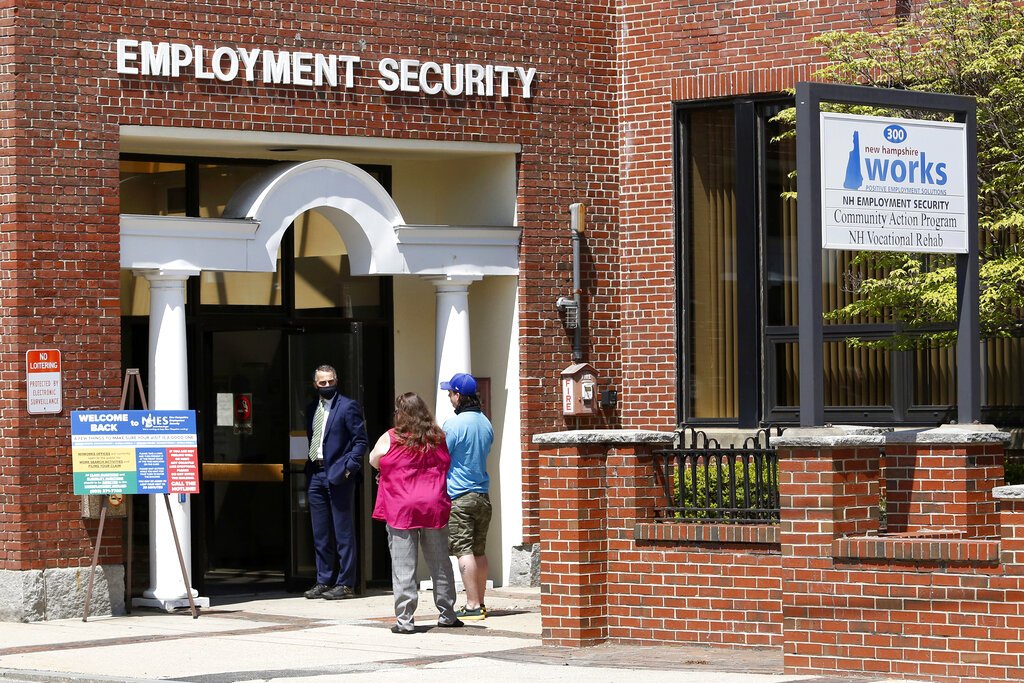
U.S. Jobless Filings Increase Amid Weak Labor Market/ Newslooks/ WASHINGTON/ J. Mansour/ Morning Edition/ U.S. jobless claims rose slightly to 208,000 in the last week of 2025, reflecting a labor market that continues to soften. Despite rising unemployment and reduced hiring, layoffs remain historically low. Economists and the Fed are closely monitoring signs of further job market weakness.
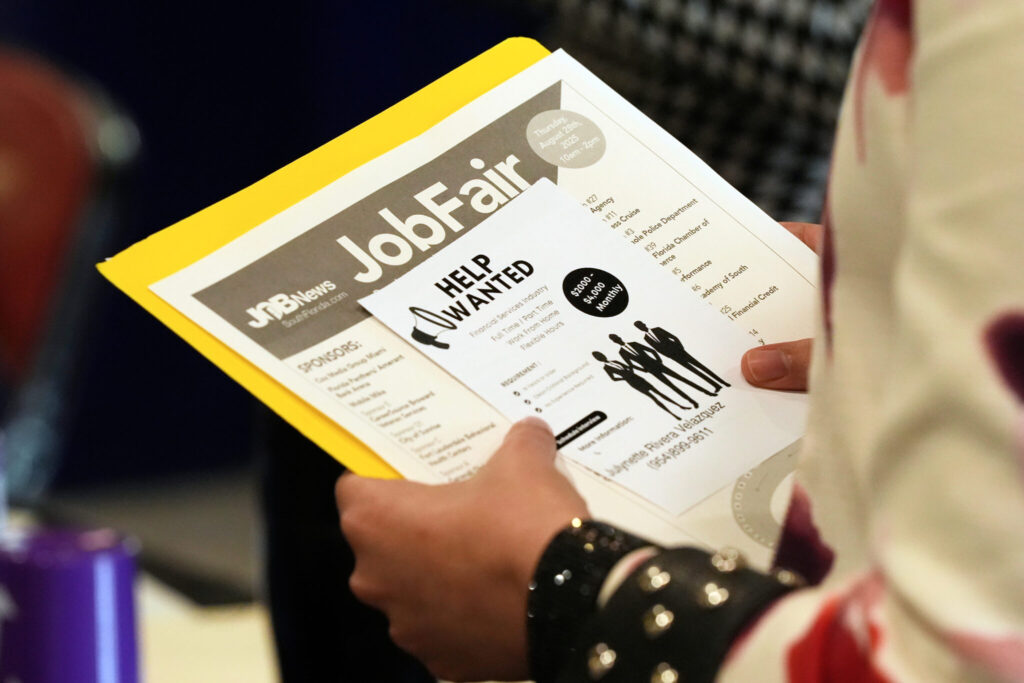
U.S. Job Market Trends Quick Looks
- Jobless claims rose by 8,000 to 208,000 in early January
- Unemployment rate stands at 4.6%, highest since 2021
- Job openings fell to 7.1 million in November
- Hiring slowed significantly in recent months
- Fed lowered interest rates to support the job market
- Employers reluctant to hire, but not aggressively laying off
- UPS, GM, Amazon, and Verizon announced job cuts
- Four-week average of claims fell slightly to 211,750
U.S. Jobless Filings Increase Amid Weak Labor Market
Deep Look
WASHINGTON — More Americans filed for unemployment benefits during the final week of 2025, yet overall layoff levels remain historically low, signaling a labor market that is cooling but not collapsing. According to data released Thursday by the Labor Department, jobless claims rose by 8,000 to a seasonally adjusted 208,000 for the week ending January 3. The increase was in line with analyst expectations, based on forecasts by FactSet.
Unemployment applications are widely considered a near real-time indicator of layoffs. Despite the uptick, the level remains low by historical standards — a sign that businesses, while cautious about hiring, are not broadly cutting jobs.
The broader labor market has shown mixed signals in recent months. The government previously reported a loss of 105,000 jobs in October, largely due to federal staffing reductions tied to Trump administration budget cuts, followed by a gain of 64,000 jobs in November. The unemployment rate ticked up to 4.6%, its highest level since 2021.
Economists are now focused on December’s employment report, due Friday, which is expected to show the addition of 55,000 non-farm jobs.
Adding to signs of a weakening job market, the Job Openings and Labor Turnover Survey (JOLTS) released Wednesday showed that businesses posted just 7.1 million job openings at the end of November, down from 7.4 million in October. This decline in open positions, paired with low layoffs, has economists describing the labor market as one of “low hire, low fire.”
Fed officials and labor economists are increasingly concerned that the slowdown may be deeper than the data currently shows. Federal Reserve Chair Jerome Powell said last month that the committee is watching the job market closely and that recent employment gains could be overstated. Powell noted that if revisions lower job totals by up to 60,000 positions, it could indicate the economy has actually been losing around 25,000 jobs per month since spring — around the time the administration imposed its newest tariffs on imported goods.
In response to signs of slowing momentum, the Fed has enacted three consecutive interest rate cuts, most recently trimming its benchmark rate by a quarter point in December, aiming to stimulate borrowing and economic activity.
Several major U.S. companies have recently announced layoffs, including UPS, General Motors, Amazon, and Verizon. These cuts, while not yet triggering massive unemployment spikes, reflect growing caution in corporate planning amid slower growth and geopolitical uncertainty.
The four-week moving average for jobless claims — a less volatile measure of unemployment trends — actually fell by 7,250 to 211,750, further underscoring that despite weakness in hiring, employers remain reluctant to let go of existing staff.
However, the total number of Americans receiving unemployment aid climbed by 56,000 to 1.91 million for the week ending December 27. This rise may signal a lengthening in the duration of unemployment for those already out of work, even if the number of newly laid-off workers remains low.
Overall, the labor market is showing signs of fatigue after years of post-pandemic recovery, rising interest rates, and policy shifts. While job losses have not surged, the combination of slower hiring, fewer openings, and cautious employers paints a picture of a labor market increasingly vulnerable to further economic stress.