U.S. Withdraws From 66 International Groups Under Trump/ Newslooks/ WASHINGTON/ J. Mansour/ Morning Edition/ The U.S. is pulling out of 66 international organizations, deepening its withdrawal from global cooperation under the Trump administration. Targets include U.N.-related agencies focused on climate, migration, and labor. The move aligns with Trump’s America-first agenda and skepticism toward multilateralism.
U.S. Global Exit Strategy Quick Looks
- U.S. to withdraw from 66 global organizations, per Trump order
- Includes UN climate treaty and U.N. Population Fund
- Cited reasons: mismanagement, redundancy, sovereignty concerns
- Shift away from multilateralism marks sharp U.S. foreign policy change
- Administration still supports influence in key U.N. technical bodies
- Climate groups, scientists warn move weakens global cooperation
- Biden had previously restored funding to some targeted agencies
- Trump’s foreign policy increasingly isolates U.S. from allies
U.S. Withdraws From 66 International Groups Under Trump
Deep Look
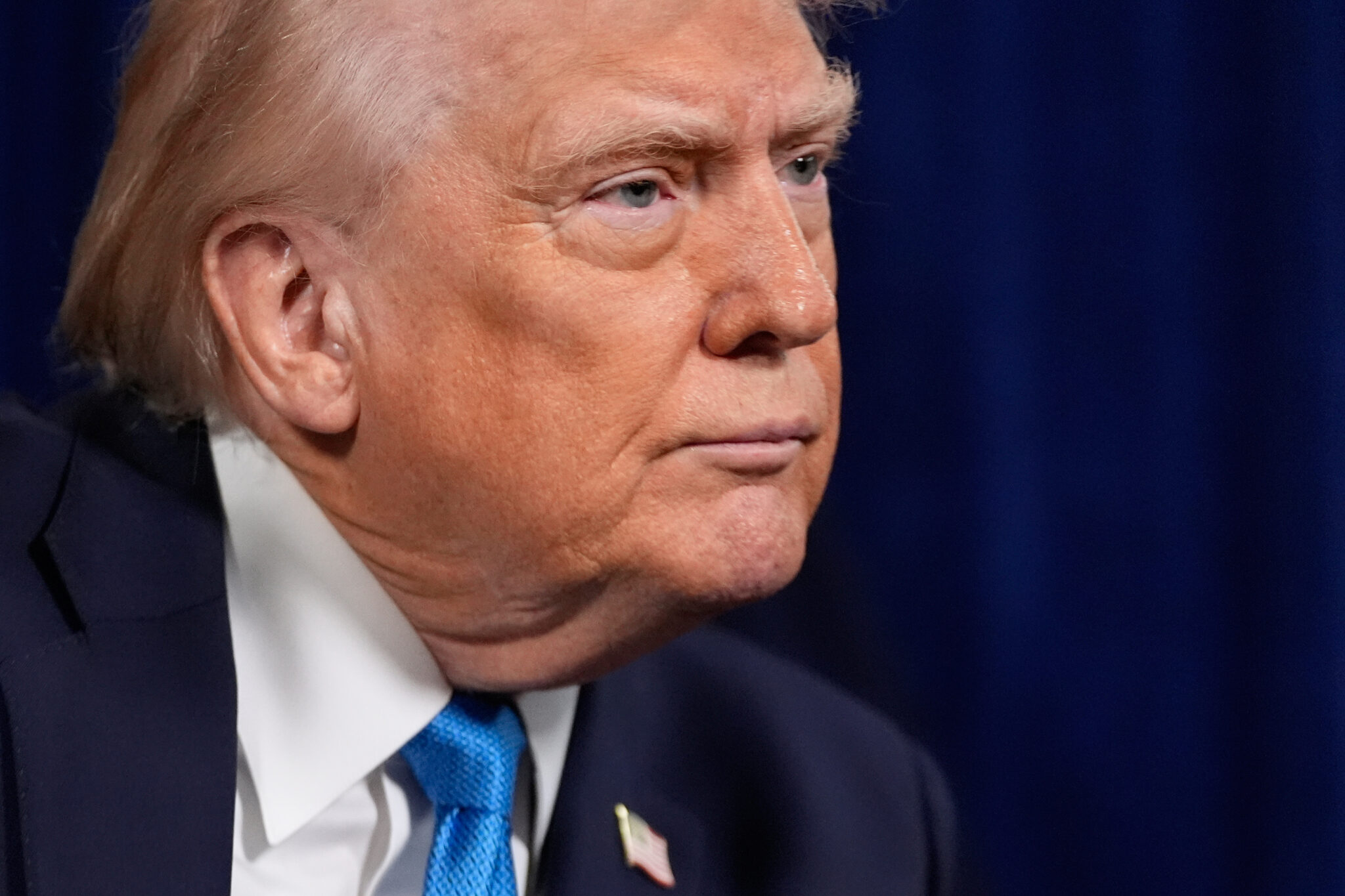
WASHINGTON — The United States will withdraw from 66 international organizations, including key U.N. agencies and climate-focused treaties, marking a significant deepening of its global pullback under President Donald Trump. The move continues a years-long erosion of U.S. participation in multilateral efforts and represents a major shift in American foreign policy.
Trump signed an executive order Wednesday to suspend U.S. support and funding for dozens of organizations deemed by the administration to be inefficient, misaligned with U.S. interests, or detrimental to national sovereignty. The list includes many U.N.-affiliated bodies focused on climate, labor, migration, and gender equity, as well as independent global agencies such as the Partnership for Atlantic Cooperation, the Global Counterterrorism Forum, and the International Institute for Democracy and Electoral Assistance.
In a statement, Secretary of State Marco Rubio said these groups are “redundant,” “captured by foreign agendas,” and “wasteful.” He added, “They pose a threat to our nation’s sovereignty, freedoms, and prosperity.”
Among the most significant exits is the U.N. Framework Convention on Climate Change (UNFCCC), the treaty underlying the Paris Agreement. Trump had already withdrawn the U.S. from the Paris deal after returning to office, citing climate change as a hoax. Now, with this latest order, the U.S. becomes the only country in the world not party to the treaty, a decision environmental experts call devastating.
Former White House Climate Adviser Gina McCarthy called the move “shortsighted and embarrassing,” adding that it sacrifices U.S. influence over “trillions of dollars in global investments and policy.” Rob Jackson, chair of the Global Carbon Project, warned the withdrawal could delay action by other nations and severely hinder worldwide climate efforts.
Scientists overwhelmingly agree that climate change is causing more extreme and costly weather events, including droughts, floods, wildfires, and heatwaves. The U.S. is one of the world’s top greenhouse gas emitters and a critical player in any global environmental solution.
The U.N. Population Fund (UNFPA) is another prominent agency on the list. It provides global reproductive health services and has long drawn Republican criticism, particularly over unproven claims of involvement in coercive abortions in countries like China. Trump cut its funding during his first term, but President Biden restored it in 2021. A subsequent State Department review found no evidence to support the GOP’s claims.
Other targeted organizations include:
- Carbon Free Energy Compact
- United Nations University
- International Cotton Advisory Committee
- International Tropical Timber Organization
- International Lead and Zinc Study Group
- International Federation of Arts Councils and Culture Agencies
- Pan-American Institute for Geography and History
The administration has already previously defunded or withdrawn from a number of international bodies, including the World Health Organization, UNESCO, UNRWA (the U.N. agency for Palestinian refugees), and the U.N. Human Rights Council. U.S. officials say the government is selectively choosing to back initiatives that align with its interests, particularly in areas of strategic competition with countries like China.
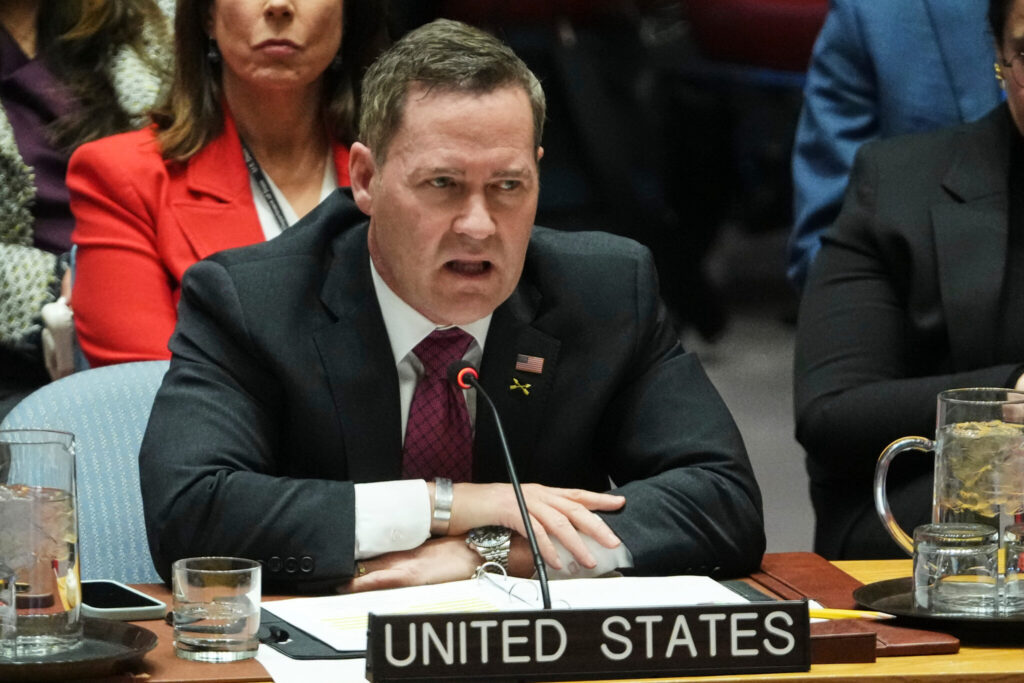
The Trump administration has emphasized that its “America First” strategy does not oppose international engagement, but rather demands that such cooperation benefit U.S. priorities. Officials say they will continue engaging with technical standard-setting bodies within the U.N., such as the International Telecommunications Union, the International Maritime Organization, and the International Labor Organization, where they believe American influence can counterbalance China’s.
Critics argue this à la carte approach to multilateralism is damaging U.S. credibility and diminishing its leadership on global issues. Daniel Forti, a U.N. policy expert at the International Crisis Group, described the strategy as “my way or the highway,” warning that it isolates the U.S. even as the world faces shared threats like climate change, pandemics, and instability.
International aid agencies, particularly those tied to the U.S. Agency for International Development (USAID), have already felt the consequences. Many report canceled projects and funding gaps following earlier Trump-era cuts to foreign assistance.
This latest decision comes amid heightened geopolitical tensions. In recent weeks, Trump ordered the capture of Venezuelan President Nicolás Maduro and has hinted at military ambitions in Greenland and Colombia. These moves, combined with the retreat from global institutions, have raised alarm among both allies and adversaries.
Whether other countries follow suit or double down on multilateral cooperation remains to be seen. But with the U.S. stepping back from the global stage, the balance of influence in international institutions is shifting — possibly toward rising powers like China and India.