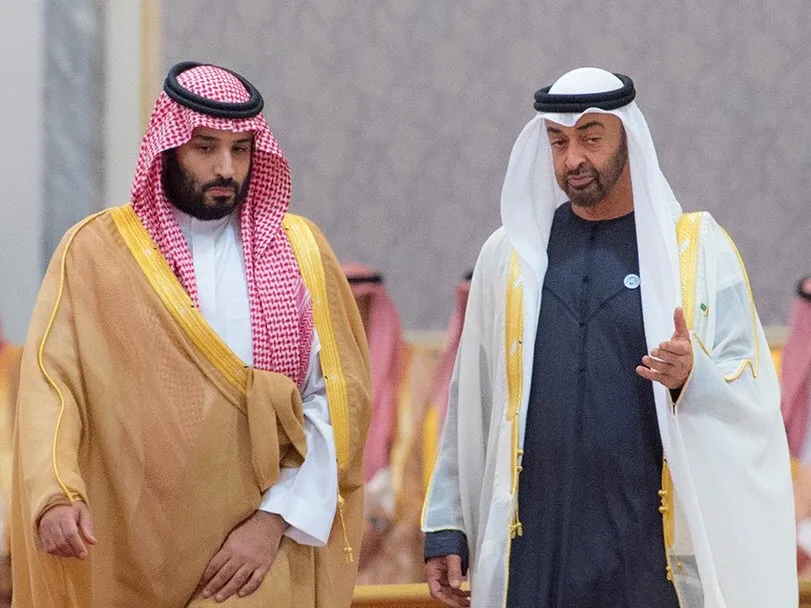
UAE Withdraws Troops From Yemen After Saudis Demand Immediate Exit/ Newslooks/ WASHINGTON/ J. Mansour/ Morning Edition/ The United Arab Emirates announced it is withdrawing its remaining forces from Yemen after Saudi Arabia demanded an immediate exit, escalating a sharp diplomatic rift between the Gulf powers. The decision follows a Saudi-led airstrike on Mukalla targeting what Riyadh called UAE-linked arms shipments. The fallout marks a serious breakdown in the former allies’ coalition, complicating both Yemen’s conflict and regional oil diplomacy.
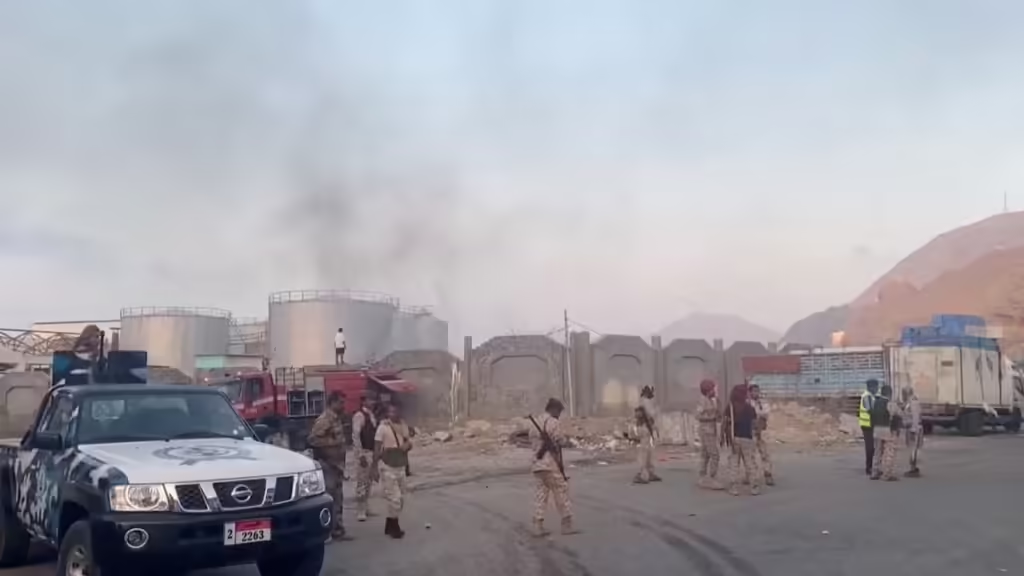
UAE Withdrawal from Yemen Quick Looks
- UAE announces troop withdrawal from Yemen after Saudi ultimatum
- Saudi-led coalition bombed port in Mukalla over UAE-linked shipment
- Yemen’s Saudi-backed leader cancels UAE defense pact
- UAE denies shipment contained weapons; calls for restraint
- Rift exposes growing division over southern separatist support
- Saudi accuses UAE of inciting conflict via STC forces
- Gulf stock markets fell amid geopolitical uncertainty
- Tensions may affect upcoming OPEC+ oil output talks

Deep Look
UAE Withdraws From Yemen After Saudi Arabia Demands Exit Over Escalating Crisis
DUBAI — December 30, 2025 — The United Arab Emirates said on Tuesday it is voluntarily withdrawing its remaining military forces from Yemen, just hours after Saudi Arabia demanded a full pullout within 24 hours following a coalition airstrike on the southern port city of Mukalla.
The development marks the most serious escalation yet in the widening diplomatic and military rift between the two Gulf allies, once united in their campaign against Yemen’s Houthi rebels but now openly at odds over competing political interests.
Saudi Arabia’s military strike, conducted under the Saudi-led coalition, targeted what Riyadh described as a foreign military supply route aiding UAE-backed separatist forces in southern Yemen. The incident triggered an urgent response from Abu Dhabi, which expressed “surprise” at the attack and denied that the cargo contained weapons, insisting it was intended for Emirati troops operating under previous security arrangements.
Rising Frictions Over Yemen Strategy
The airstrike, and the demand for immediate UAE withdrawal, reflect Saudi Arabia’s growing frustration with what it sees as Emirati interference in Yemen’s internal affairs. In a sharp statement Tuesday, Riyadh accused the UAE of directing southern separatist forces to carry out military maneuvers that brought the conflict dangerously close to the Saudi border — a direct threat to its national security.
Saudi Arabia’s firm stance was backed by Yemen’s Saudi-aligned Presidential Leadership Council. Its head, Rashad al-Alimi, not only demanded the Emirati withdrawal but also canceled a bilateral defense pact with the UAE, accusing it of supporting separatist factions that undermined Yemen’s legitimate government.
“Unfortunately, it has been definitively confirmed that the United Arab Emirates pressured and directed the Southern Transitional Council to rebel against state authority,” Alimi said in a televised address. He called the UAE’s support for separatist militias a destabilizing force within Yemen.
The UAE-backed Southern Transitional Council (STC), which seeks autonomy for southern Yemen, has grown increasingly powerful in recent years, often clashing with forces loyal to Yemen’s internationally recognized government — supported by Riyadh. Abu Dhabi’s alignment with the STC directly opposes Saudi Arabia’s objectives in Yemen, which center on preserving the country’s territorial unity under central government control.
UAE Urges De-escalation
In response to the Saudi accusations and military action, the UAE issued a formal statement stressing the need for responsible dialogue and de-escalation. It warned that unilateral actions based on unverified claims risked undermining years of regional coordination.
“Dealing with recent developments must be done responsibly and in a way that prevents escalation,” the Emirati government said, emphasizing a need for coordination “based on reliable facts.”
Despite the UAE’s withdrawal announcement, the crisis has already destabilized broader Gulf relations and raised concerns about the future of regional military alliances.
Economic Ripples and OPEC+ Concerns
The fallout from the Saudi-UAE confrontation immediately impacted regional markets, with major Gulf stock indexes falling amid investor concern. As two of the most influential members of the OPEC oil producers’ group, any deterioration in Riyadh and Abu Dhabi’s relationship could spill into energy policy.
OPEC+ members — including both nations — are scheduled to meet virtually on Sunday to discuss oil output targets for the first quarter of 2026. Delegates said the group is expected to maintain its current production policy, but the UAE-Saudi tension may complicate consensus.
The two countries have disagreed before on oil quotas and market strategies, but those disputes were largely resolved behind closed doors. The current situation, unfolding amid military strikes and diplomatic ultimatums, presents a deeper challenge to unity within OPEC+ and the Gulf Cooperation Council.
End of a Strategic Alliance?
Just a few years ago, Saudi Arabia and the UAE were seen as the twin pillars of Gulf security, cooperating closely on Yemen, energy, and regional diplomacy. That alliance is now showing clear signs of fracture.
Their interests in Yemen have steadily diverged since the early years of the civil war. While both opposed the Iran-aligned Houthis, the UAE gradually shifted its focus toward consolidating influence in the south, supporting STC ambitions. Saudi Arabia, meanwhile, doubled down on supporting the central government.
What was once a carefully coordinated effort has become a competition for influence — with Yemen as the geopolitical battleground.
As the UAE exits Yemen under pressure, the region is left grappling with the consequences of a strategic realignment between two of the Arab world’s most powerful states.