

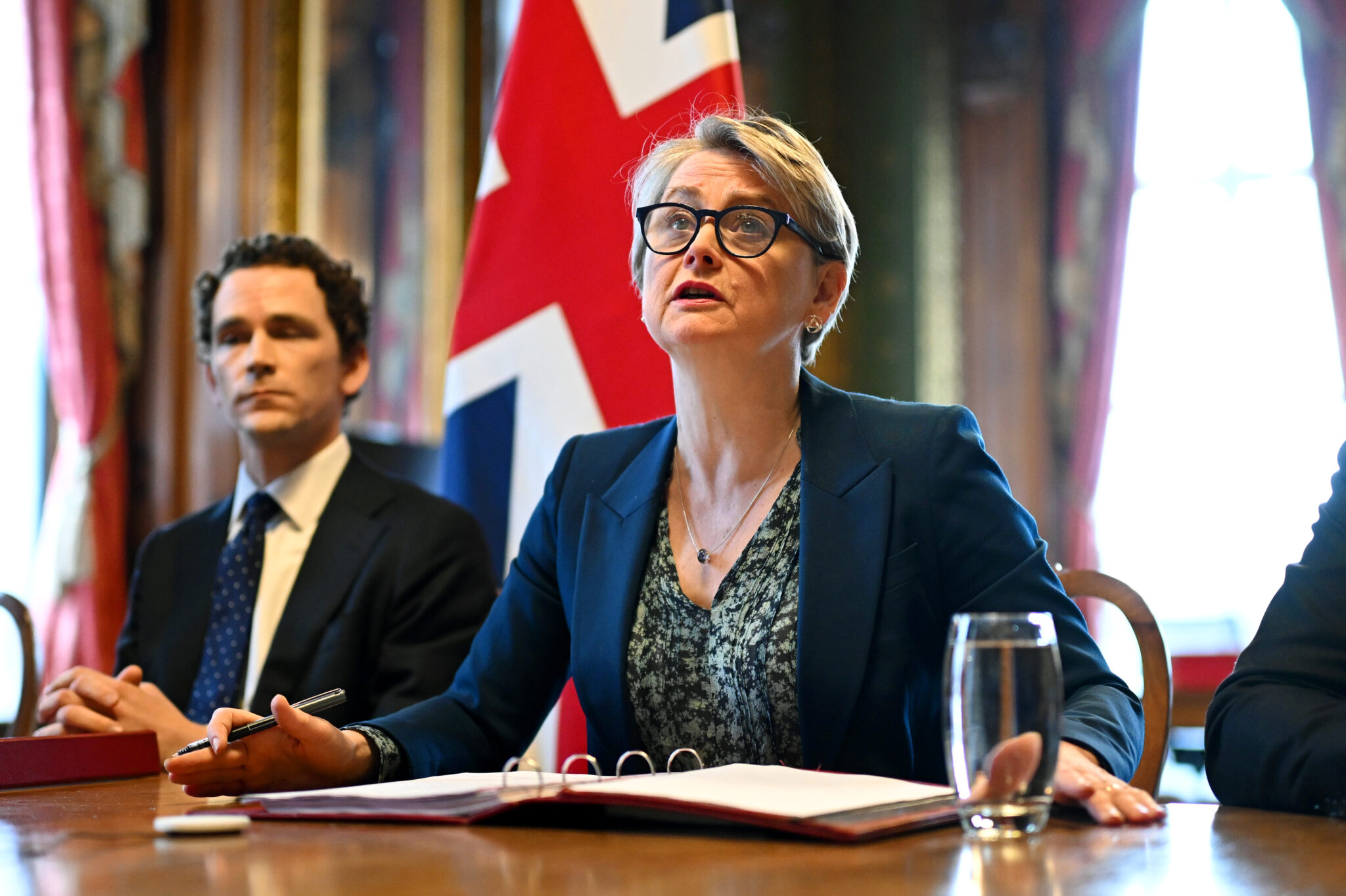
UK Leads Global Talks to Reopen Strait of Hormuz Amid Iran Crisis/ Newslooks/ WASHINGTON/ J. Mansour/ Morning Edition/ Britain convened more than 40 countries to discuss reopening the Strait of Hormuz amid rising tensions. Iran’s blockade has disrupted global oil shipments and driven up energy prices worldwide. European leaders favor diplomatic solutions while military options remain unlikely.
Strait of Hormuz Crisis Quick Looks
- UK hosts talks with 40+ countries
- Iran accused of blocking global shipping
- Strait of Hormuz traffic drops sharply
- 23 commercial ship attacks reported
- Oil and food prices surge globally
- U.S. not participating in talks
- Trump says securing strait not U.S. responsibility
- European leaders favor diplomatic solution
- 20,000 seafarers stranded across 2,000 ships
- France calls military solution “unrealistic”
- Coalition effort led by UK and France
- Global economy impacted by energy disruptions
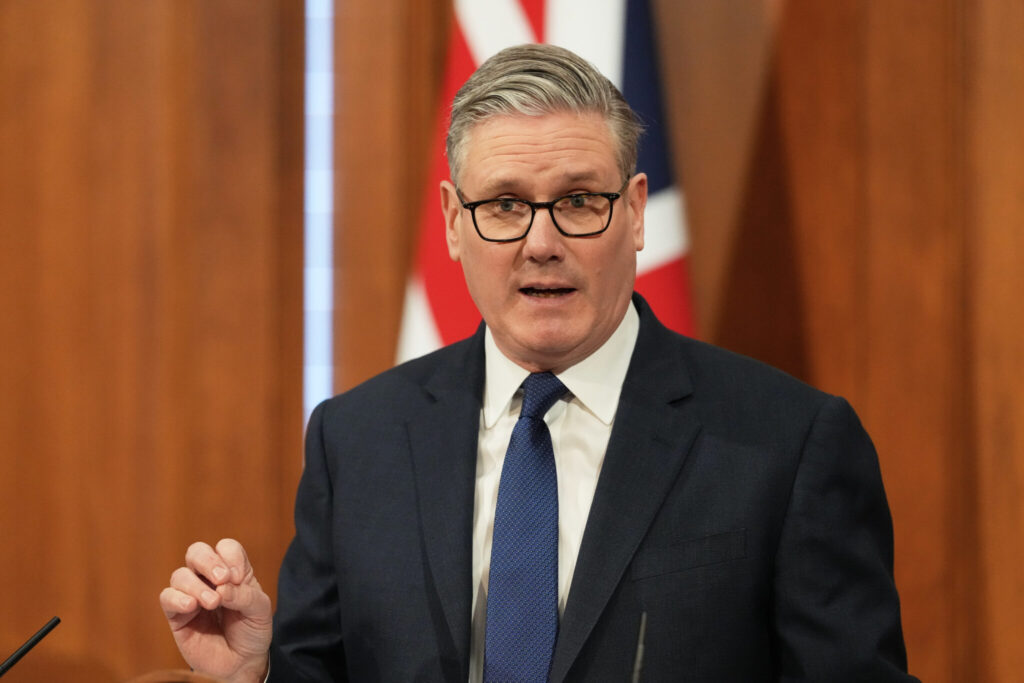
Deep Look: UK Leads Global Effort to Reopen Strait of Hormuz
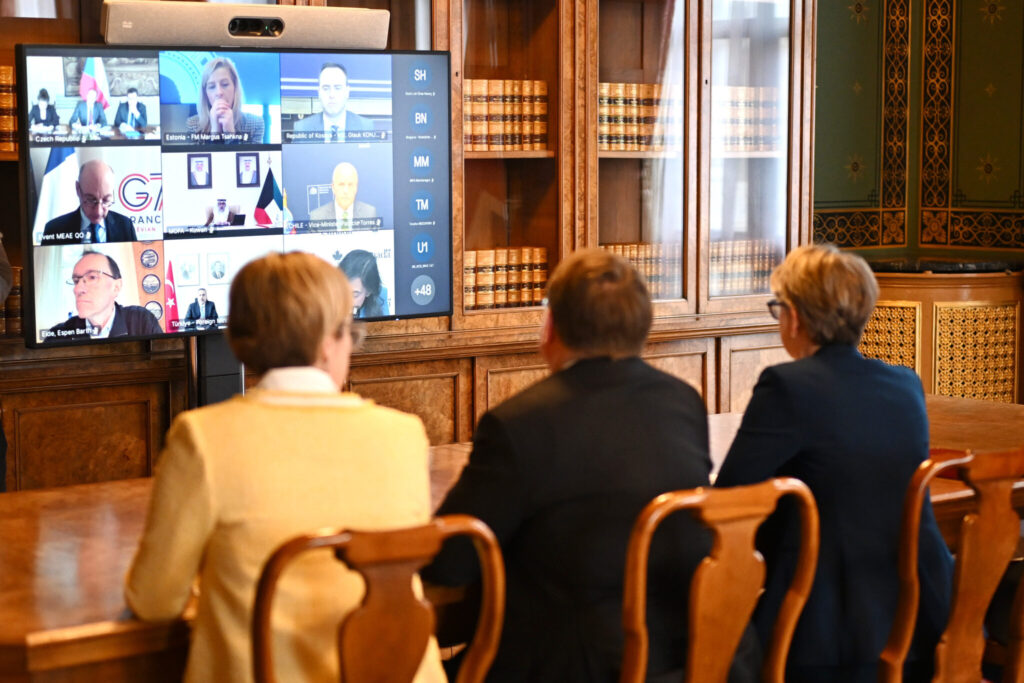
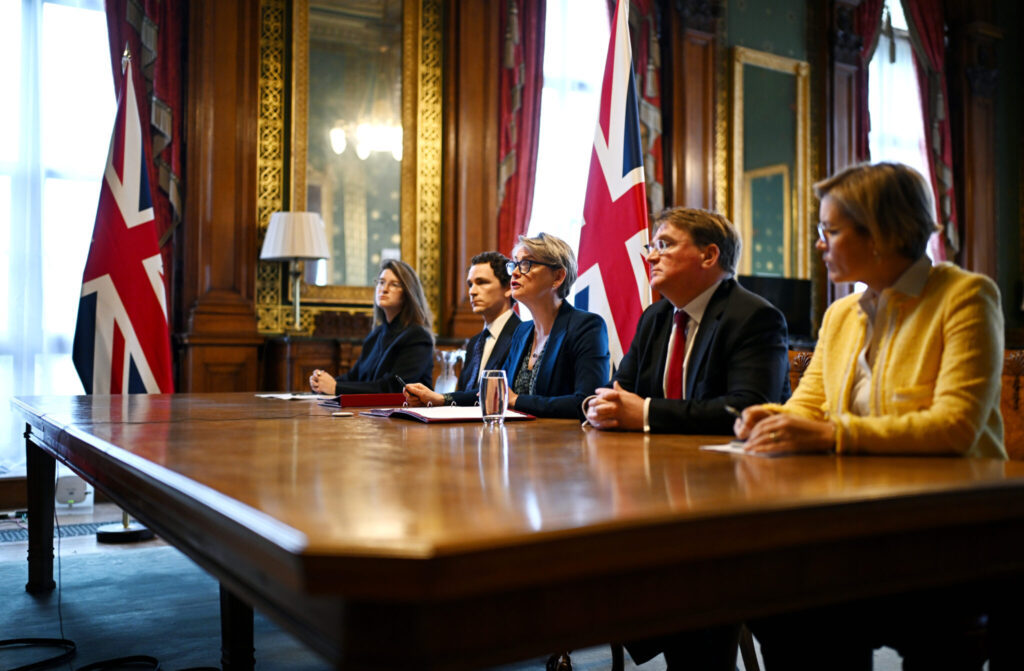
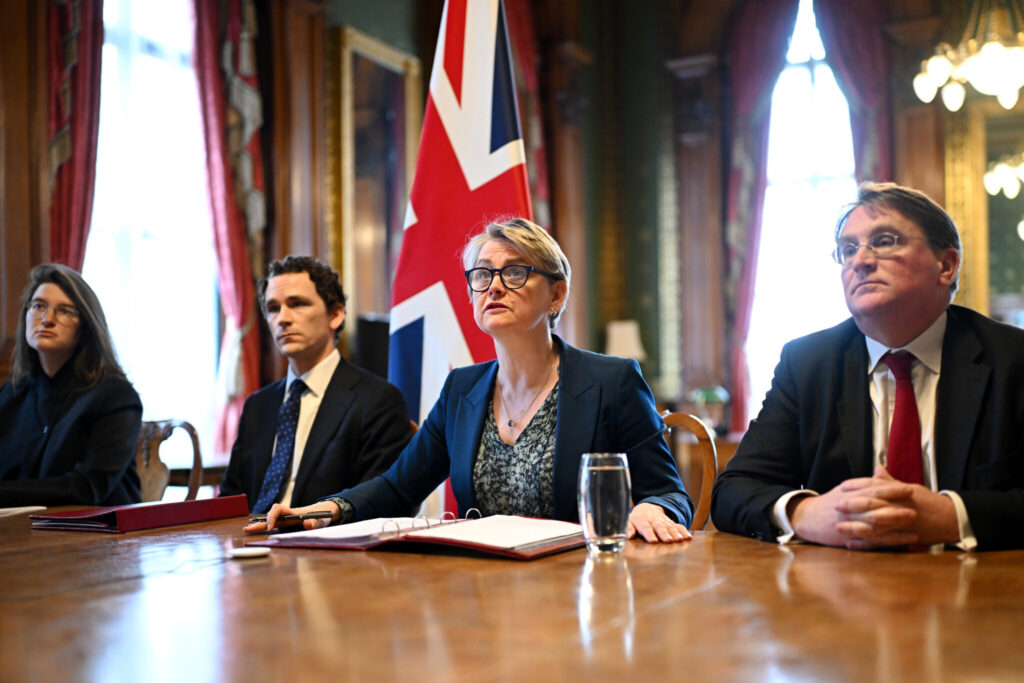
LONDON — Britain gathered diplomats from more than 40 countries Thursday to discuss ways to reopen the Strait of Hormuz, accusing Iran of holding the global economy hostage by disrupting one of the world’s most critical shipping routes.
The virtual meeting comes as the waterway remains largely blocked amid the ongoing U.S.-Israeli conflict with Iran, sending oil prices higher and raising concerns about global economic stability.
U.K. Foreign Secretary Yvette Cooper opened the talks by condemning Iran’s actions, saying Tehran had effectively hijacked an international shipping route.
“We have seen Iran hijack an international shipping route to hold the global economy hostage,” Cooper said. She warned that rising oil and food prices were already affecting households and businesses worldwide.
Notably absent from the meeting was the United States. President Donald Trump has signaled that reopening the Strait of Hormuz is not America’s responsibility and has criticized European allies for not doing more to support the conflict.
Trump also renewed threats to withdraw from NATO, further increasing pressure on European nations to take a more active role in addressing the crisis.
Shipping Disruptions Shake Global Economy
The Strait of Hormuz is a crucial waterway linking the Persian Gulf to global markets. During normal conditions, about 20% of the world’s traded oil flows through the strait.
Since the conflict began on Feb. 28, Iranian attacks on commercial vessels have dramatically reduced traffic. According to shipping data firm Lloyd’s List Intelligence, 23 commercial ships have been attacked, resulting in 11 crew member deaths.
Remaining traffic through the strait has slowed to a trickle. Reports indicate Iran is vetting which vessels can pass, maintaining control over the strategic chokepoint.
The disruption has pushed oil prices higher and contributed to rising costs for fuel, food, and transportation worldwide.
In a televised address Wednesday, Trump said countries that rely on the strait should take responsibility for reopening it.
“They must grab it and cherish it,” Trump said, signaling that the U.S. would not lead the effort.
Diplomatic Solutions Favored
Despite the urgency, military intervention appears unlikely. French President Emmanuel Macron described reopening the strait by force as “unrealistic,” emphasizing that negotiations with Iran would be necessary.
Macron suggested reopening the waterway could occur after a ceasefire agreement. France is advocating for an international mission to escort oil and gas tankers once hostilities subside.
The British government also said military planners from several countries will meet next week to explore post-conflict security options. These could include mine-clearing operations and protective escorts for commercial vessels.
More than three dozen countries — including the U.K., France, Germany, Italy, Canada, Japan, and the United Arab Emirates — have already signed a joint declaration demanding Iran stop blocking the strait.
Officials said discussions also focused on protecting approximately 20,000 seafarers stranded aboard 2,000 ships affected by the conflict.
Coalition Reflects NATO Tensions
The emerging coalition effort mirrors similar international coordination seen in Ukraine security planning. Analysts say the initiative also reflects growing European efforts to demonstrate leadership amid tensions with the Trump administration.
David B. Roberts, a Middle East security expert at King’s College London, said the effort is partly aimed at showing NATO allies are contributing more to global security.
He also noted that the economic impact of the Hormuz blockade falls more heavily on Europe and Asia than the United States, which has become a major oil exporter.
With oil prices rising and shipping disruptions continuing, global leaders face mounting pressure to find a diplomatic path forward.
As negotiations continue and military solutions remain unlikely, the international coalition’s efforts may shape how the Strait of Hormuz eventually reopens — and how global energy markets stabilize in the aftermath of the conflict.

You must Register or Login to post a comment.