

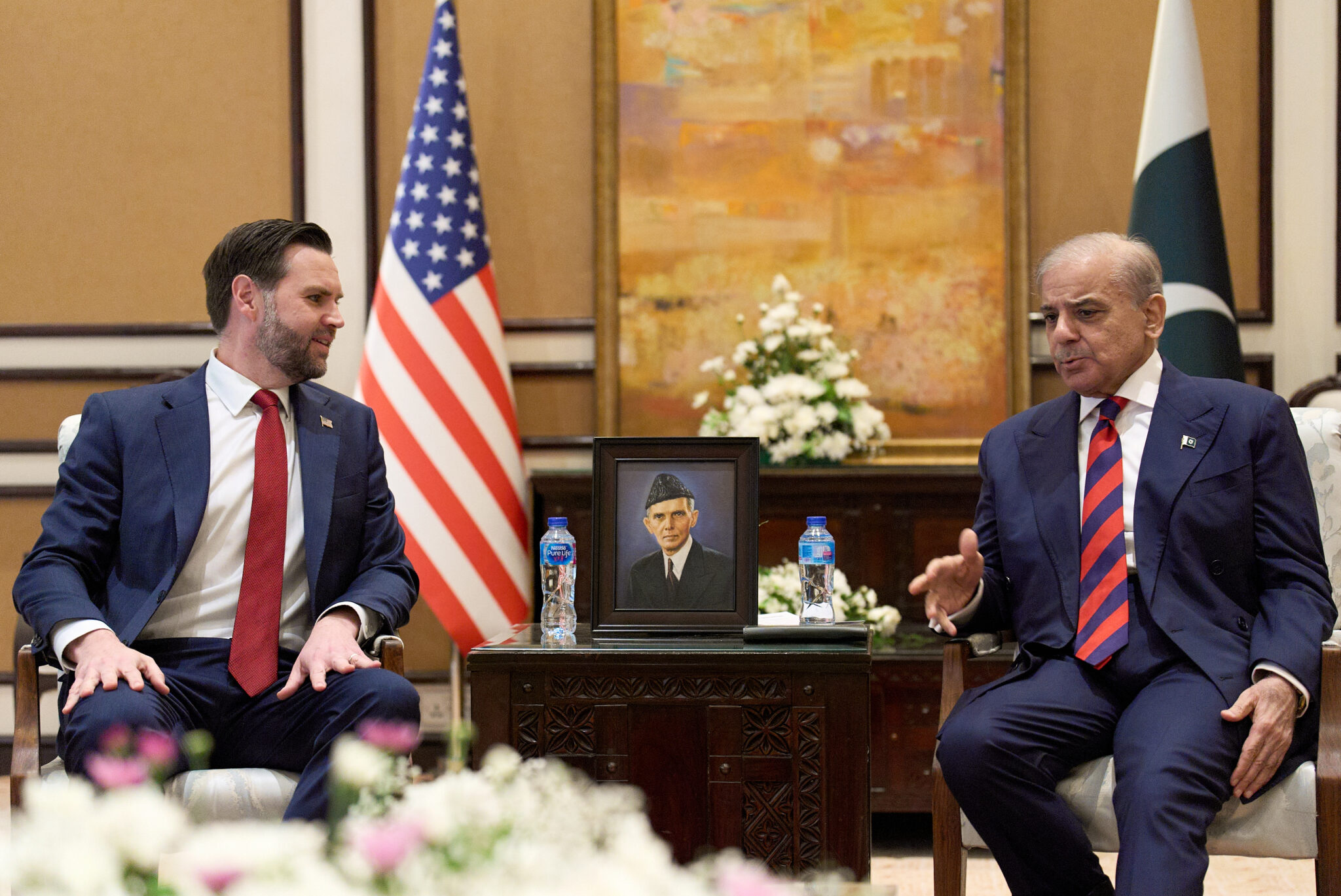
US and Iran Hold Historic Face-to-Face Talks in Pakistan/ Newslooks/ WASHINGTON/ J. Mansour/ Morning Edition/ U.S. and Iranian officials held rare face-to-face talks in Pakistan. Negotiations aim to preserve a fragile two-week ceasefire. The conflict has already killed thousands and disrupted global markets.
US-Iran Pakistan Talks Quick Looks
- US and Iran hold direct negotiations
- Talks hosted in Islamabad, Pakistan
- JD Vance leads U.S. delegation
- Iran sets compensation “red lines”
- Strait of Hormuz central to talks
- War enters seventh week
- Israel-Hezbollah conflict complicates negotiations
- Oil markets remain volatile
Deep Look: US and Iran Hold Historic Face-to-Face Talks in Pakistan
ISLAMABAD — The United States and Iran held historic face-to-face negotiations Saturday in Pakistan, marking one of the highest-level direct contacts between the two nations in decades as a fragile ceasefire hangs in the balance.
The talks come days after a two-week ceasefire was announced, with the conflict now entering its seventh week after thousands of casualties and major disruptions to global energy markets. The White House confirmed that the negotiations were direct, highlighting the significance of the diplomatic effort.
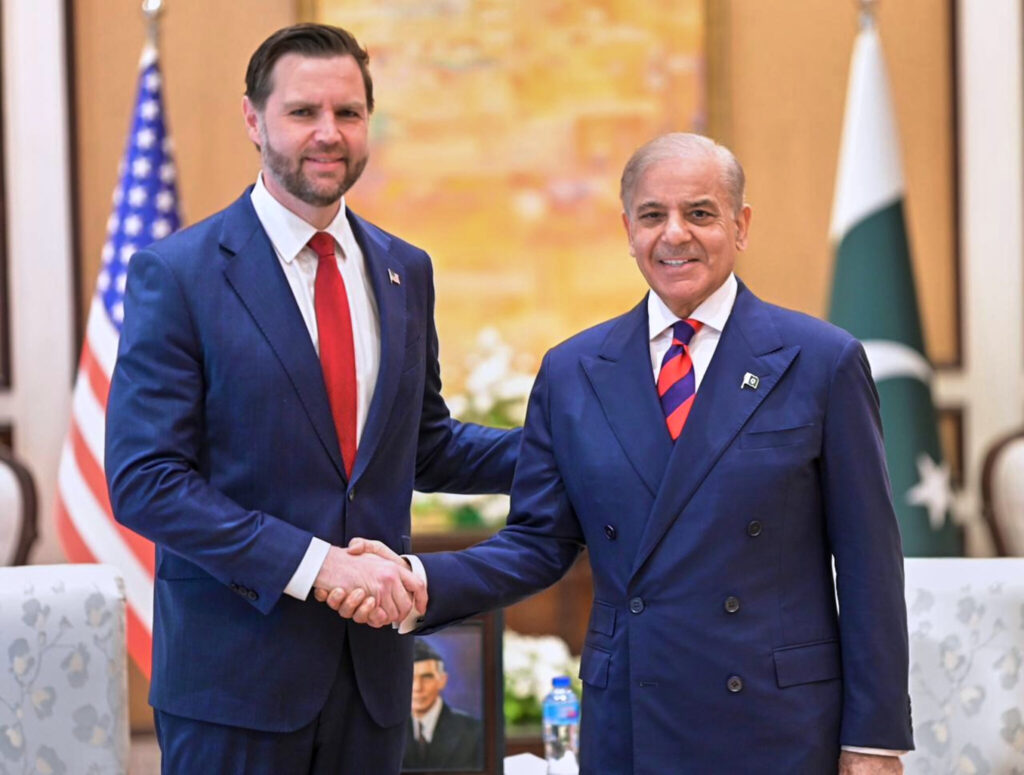
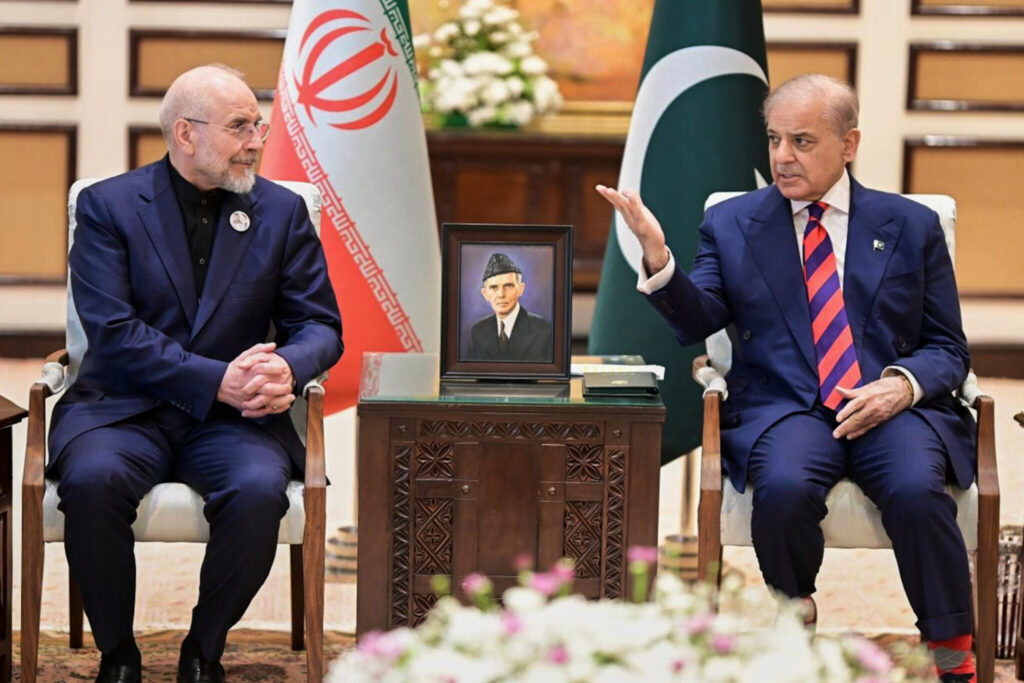
Vice President JD Vance led the U.S. delegation, while Iranian Parliament Speaker Mohammad Bagher Qalibaf headed Iran’s negotiating team. Both sides met separately with Pakistani Prime Minister Shehbaz Sharif before beginning direct discussions.
Rare Direct Engagement
The talks represent one of the most direct diplomatic engagements between Washington and Tehran since the 1979 Iranian Revolution. Previous high-level contact has been limited, including a 2013 phone call between U.S. President Barack Obama and Iranian President Hassan Rouhani.
The current negotiations reflect the urgency of stabilizing a conflict that has shaken the Middle East and global markets.
Officials said the discussions are focused on strengthening the ceasefire agreement, which remains under pressure due to ongoing regional tensions — particularly Israel’s continued strikes against Hezbollah in Lebanon.
Strait of Hormuz at Center of Talks
A major point of contention remains the Strait of Hormuz, a key global oil transit route. Iran’s restrictions on shipping through the strait have significantly reduced oil flows and driven energy prices higher.
The U.S. military confirmed that two American destroyers transited the strait ahead of planned mine-clearing operations — the first such movement since the conflict began.
Iranian media earlier reported that Iran forced a U.S. ship to turn around, highlighting continued tensions even as negotiations proceed.
The United States has proposed reopening the strait and restoring global energy supply, while Iran has sought greater control and security guarantees.
Iran Sets “Red Lines”
Iranian officials outlined key demands during the talks, including:
- Compensation for damage from U.S.-Israeli strikes
- Release of frozen Iranian assets
- Broader ceasefire including Hezbollah
- Guarantees against future attacks
Iran’s Foreign Minister Abbas Araghchi said Tehran entered negotiations with “deep distrust,” warning that Iran would retaliate if attacks resumed.
War’s Human and Economic Toll
The conflict has caused significant casualties and damage across the region:
- At least 3,000 killed in Iran
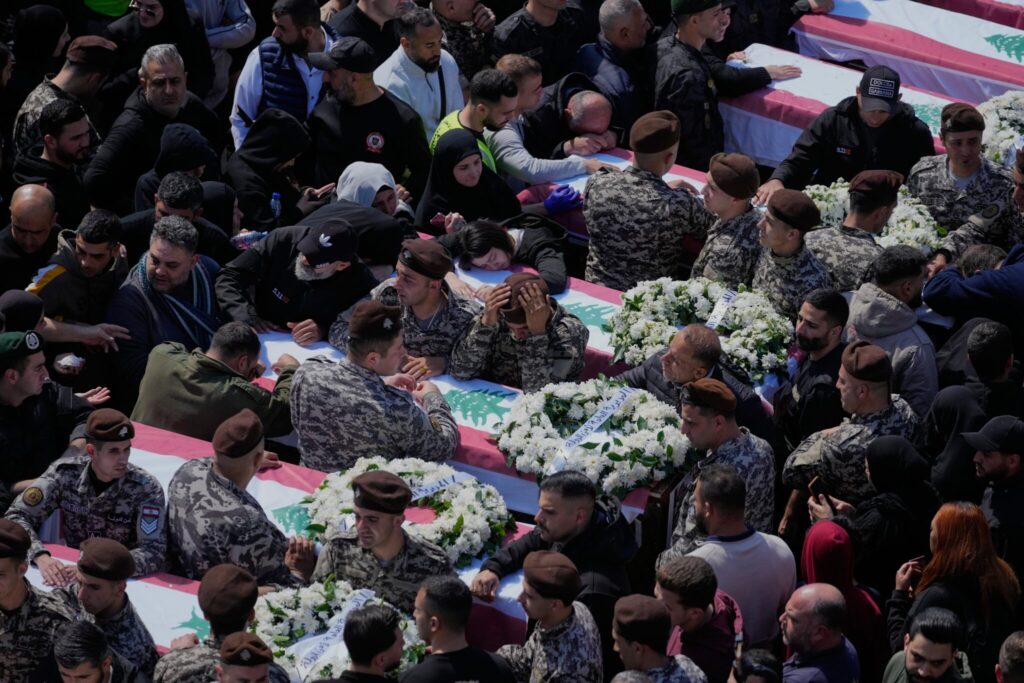
- 1,953 killed in Lebanon
- 23 killed in Israel
- Additional casualties across Gulf nations
Infrastructure damage across multiple Middle Eastern countries has compounded the humanitarian crisis.
Iran’s restrictions on the Strait of Hormuz — where about one-fifth of global oil typically flows — have further intensified economic concerns worldwide.
Regional and Global Stakeholders
Officials from China, Egypt, Saudi Arabia, and Qatar were also present in Islamabad to help facilitate discussions indirectly, reflecting the global importance of the negotiations.
Meanwhile, residents in Tehran expressed cautious optimism about the talks, though many acknowledged that rebuilding from the conflict would take years.
“Peace alone is not enough for our country,” one Tehran resident said. “There have been huge costs.”
Israel-Lebanon Conflict Complicates Deal
The ceasefire between the U.S. and Iran does not currently include Israel’s ongoing conflict with Hezbollah in Lebanon. Israel has continued airstrikes, which threatens to undermine negotiations.
Lebanon and Israel are expected to begin separate negotiations in Washington next week, focusing on disarming Hezbollah and stabilizing border tensions.
Israel’s military operations in Lebanon remain one of the biggest risks to maintaining the broader ceasefire.
Talks between US and Iran officials resume after a break
U.S. and Iranian officials resumed a second round of talks Saturday night in Islamabad after a break, with both sides backed by technical experts, two Pakistani officials said.
They added that Pakistan’s top political and military leadership is encouraging both sides to resolve their differences to ensure durable peace in the region, and the talks were progressing.
The officials spoke on condition of anonymity because they were not authorized to speak to the media.
The officials declined to share further details, saying they hoped for a win-win solution.
Trump says he has ‘no idea’ how talks will go with Iran
Trump confirmed in a phone interview with NewsNation that talks among the U.S., Iran and Pakistan had begun, though he does not know how successful they could be.
When asked how negotiations would go, Trump said: “I have no idea.”
The U.S. president said he would know shortly if he felt Iran was acting in good faith about resolving the war.
Trump added that the U.S. knew where mines had been placed in the Strait of Hormuz and that the military was bringing equipment to remove them.
Saturday’s negotiations mark rare face-to-face meeting between US and Iranian leaders
Saturday’s face-to-face talks in Pakistan that are being led by Vance and Qalibaf mark a rare instance of high-level engagement between American leadership and the Iranian government.
Since the Islamic Revolution in 1979, the highest-level direct contact had been when President Barack Obama, a Democrat, in September 2013 called newly elected Iranian President Hassan Rouhani to discuss Iran’s nuclear program.
It’s a high-stakes political task for Vance, who has been a reluctant defender of the U.S. war with Iran, and has little previous diplomatic experience. Envoys Steve Witkoff and Jared Kushner, who are joining Vance at the table, also are relatively new players in international diplomacy.
The White House said it sent “a full suite of U.S. experts on relevant subject areas” to join the negotiators in Islamabad, and said other experts were supporting the team from Washington.
High-Stakes Diplomacy
The United States and Iran presented competing proposals ahead of the talks:
Iran’s Proposal:
- End to war
- Control over Strait of Hormuz
- Halt to Israeli strikes
- Support for regional allies
U.S. Proposal:
- Restrict Iran’s nuclear program
- Reopen Strait of Hormuz
- Regional stability guarantees
- Broader ceasefire terms
With global markets watching and regional stability at stake, the negotiations in Islamabad could determine whether the fragile ceasefire evolves into lasting peace — or whether the conflict escalates further.




You must Register or Login to post a comment.