US and Iran Resume Indirect Nuclear Talks in Oman/ Newslooks/ WASHINGTON/ J. Mansour/ Morning Edition/ Oman quietly mediated indirect talks between the United States and Iran over Tehran’s nuclear program. The discussions come after U.S. strikes on Iranian nuclear sites and a deadly crackdown on protests inside Iran. Officials offered few details, underscoring the fragile and high-stakes nature of renewed diplomacy.
Oman Hosts US-Iran Nuclear Talks: Quick Looks
- Oman mediates indirect talks between U.S. and Iran
- Meetings held separately with Omani foreign minister
- Talks follow U.S. strikes on Iranian nuclear facilities
- Iran weakened after protests and Israeli military campaign
- No official readouts released by either side
- Nuclear program central, broader security issues looming
- Regional war fears drive Gulf interest in de-escalation
Deep Look: US and Iran Resume Indirect Nuclear Talks in Oman
MUSCAT, Oman — Oman on Friday quietly mediated indirect talks between the United States and Iran focused on Tehran’s nuclear program, marking a tentative diplomatic step after months of escalating military confrontation and internal unrest inside the Islamic Republic.
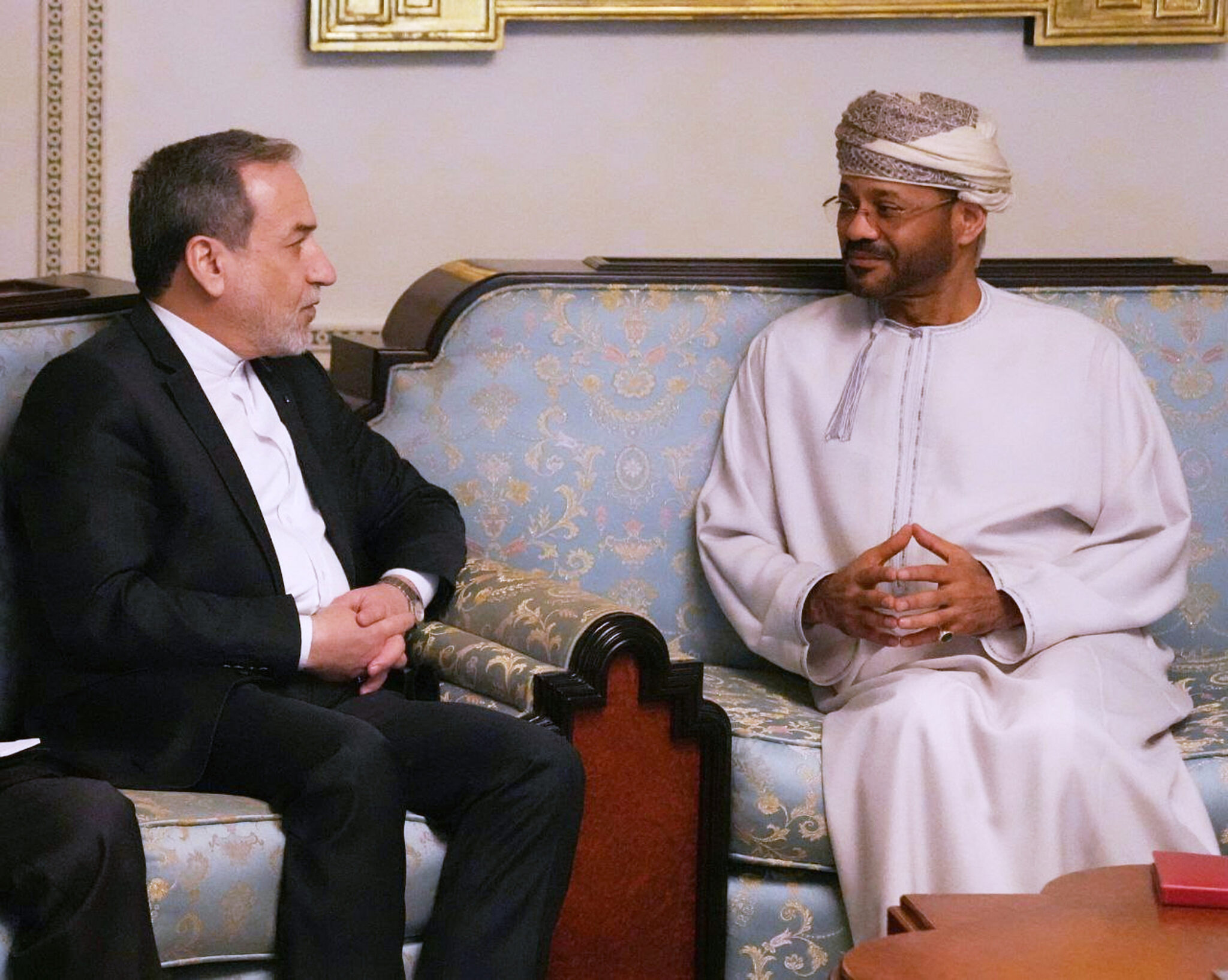
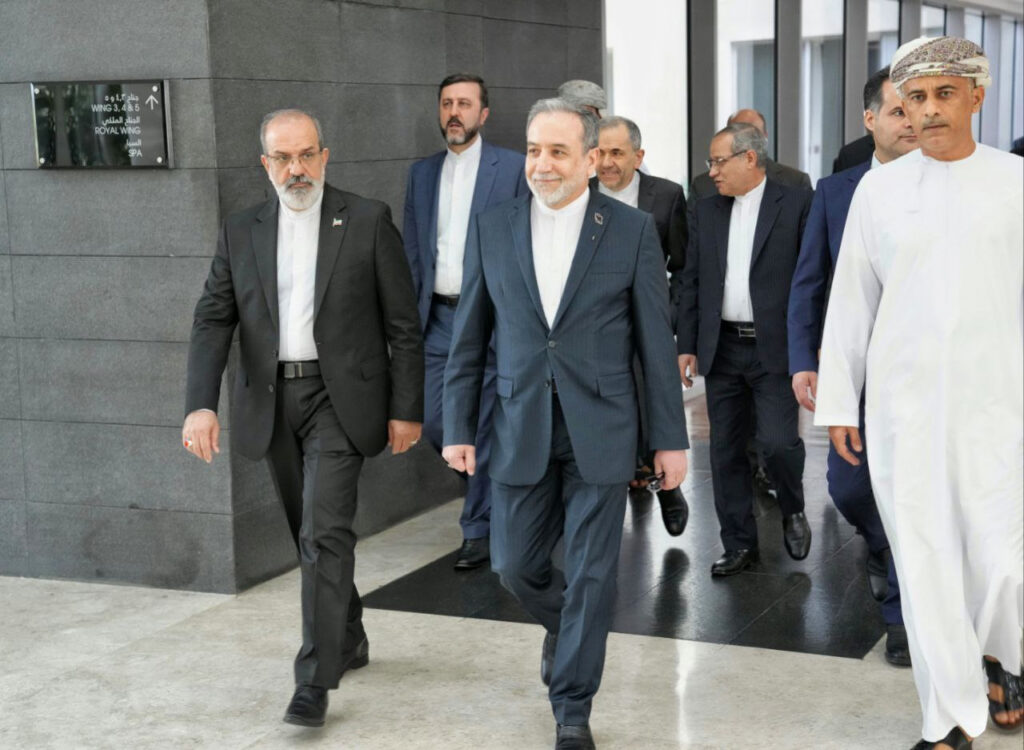
Officials from both countries traveled to Muscat and met separately with Badr al-Busaidi, according to an Omani government statement issued after convoys were seen entering and leaving a palace on the outskirts of the capital. The two sides did not meet face to face, reflecting the deep mistrust that continues to define relations between Washington and Tehran.
The talks mark a return to Oman as a diplomatic intermediary months after previous negotiations collapsed amid a 12-day war launched by Israel against Iran in June. During that conflict, the United States bombed Iranian nuclear facilities, an operation that U.S. officials say likely destroyed key centrifuges used to enrich uranium to near weapons-grade levels. Israeli strikes also crippled Iran’s air defenses and targeted ballistic missile infrastructure.
The renewed diplomacy comes at a moment of unusual vulnerability for Iran’s leadership. U.S. officials, including Secretary of State Marco Rubio, have said Iran’s ruling system is under its greatest strain since the 1979 Islamic Revolution. Nationwide protests last month posed a significant challenge to Ayatollah Ali Khamenei, whose government responded with a sweeping crackdown that reportedly killed thousands and led to mass arrests.
That violence, combined with recent military setbacks, prompted renewed threats from Donald Trump, who has warned of additional strikes if Iran escalates its nuclear activities. The U.S. military has significantly increased its presence in the region, including the deployment of the aircraft carrier USS Abraham Lincoln and additional fighter jets.
Gulf Arab states have grown increasingly anxious that further conflict could spill into a broader regional war. Recent incidents — including U.S. forces downing an Iranian drone near American warships and Iran attempting to halt a U.S.-flagged vessel in the Strait of Hormuz — have heightened those fears.
The palace near Muscat’s international airport has served as a discreet venue for previous U.S.-Iran engagements. Associated Press journalists observed Iranian officials entering the compound first, followed later by a U.S. convoy displaying an American flag. The Americans remained inside for roughly 90 minutes.
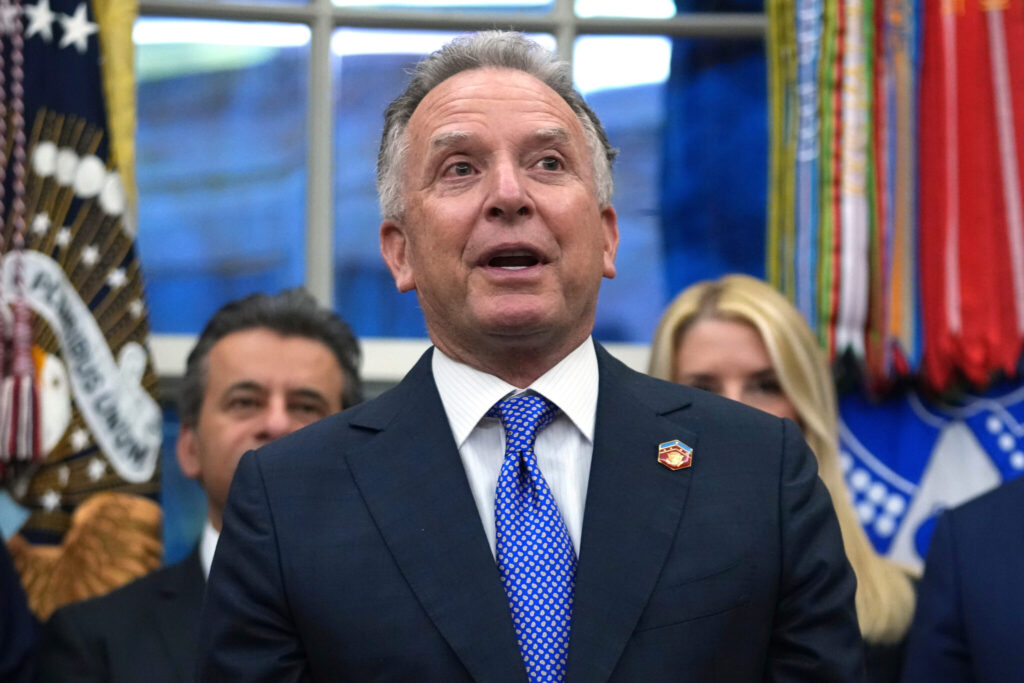
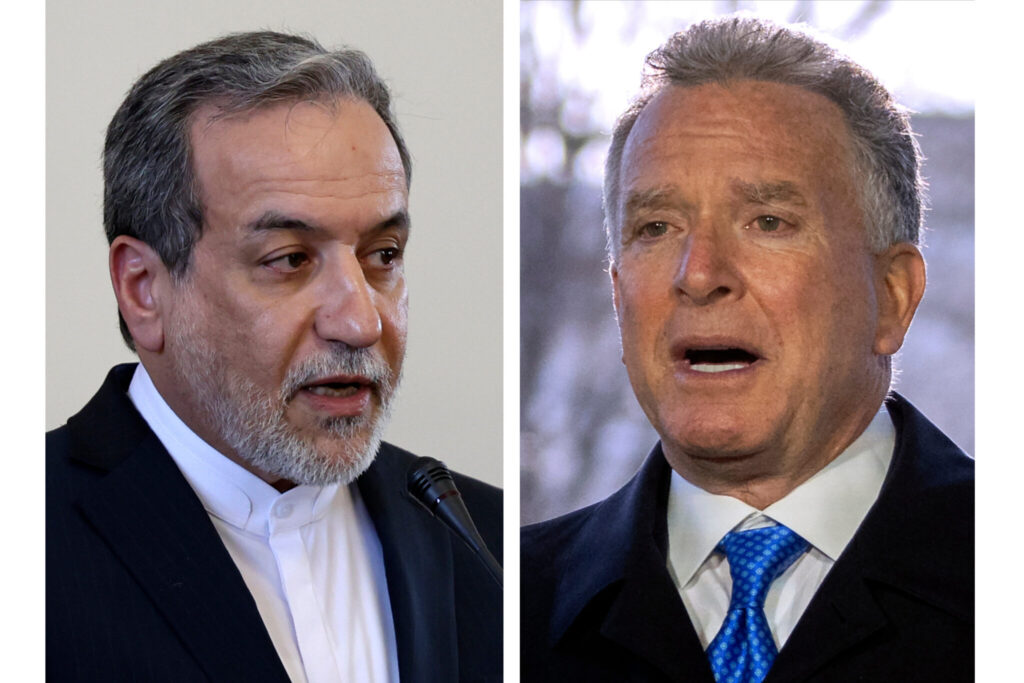
Oman later confirmed that al-Busaidi met separately with Abbas Araghchi, and with U.S. Middle East envoy Steve Witkoff. Also attending was Jared Kushner, a close adviser to Trump. In a notable departure from past talks, Brad Cooper, head of U.S. Central Command, was also present.
Oman said the consultations focused on creating conditions for resuming diplomatic and technical negotiations aimed at long-term security and stability. Neither Iran nor the United States provided any official summary of the discussions.
Ahead of the talks, Araghchi signaled Iran’s cautious approach, saying Tehran enters diplomacy “with open eyes and a steady memory of the past year.” He emphasized that any agreement must rest on mutual respect and honored commitments.
A senior adviser to Khamenei, Ali Shamkhani, publicly backed Araghchi, calling him a skilled and trustworthy negotiator acting under the authority of Iran’s supreme leader.
On the U.S. side, Witkoff, a longtime Trump ally, has emerged as a key diplomatic figure. He and Kushner had traveled through the region in recent days, including stops in Abu Dhabi and Qatar, which hosts a major U.S. military base and shares strategic energy interests with Iran.
While Iran has insisted the talks focus solely on its nuclear program, U.S. officials say broader issues must be addressed. Rubio said Washington wants discussions to include ballistic missiles and regional security concerns, casting doubt on whether a comprehensive agreement is achievable.
“I’m not sure you can reach a deal with these guys,” Rubio said earlier this week. “But we’re going to try to find out.”
For now, the talks remain fragile and opaque — a quiet attempt at diplomacy against the backdrop of war, domestic unrest, and the persistent threat of regional escalation.