

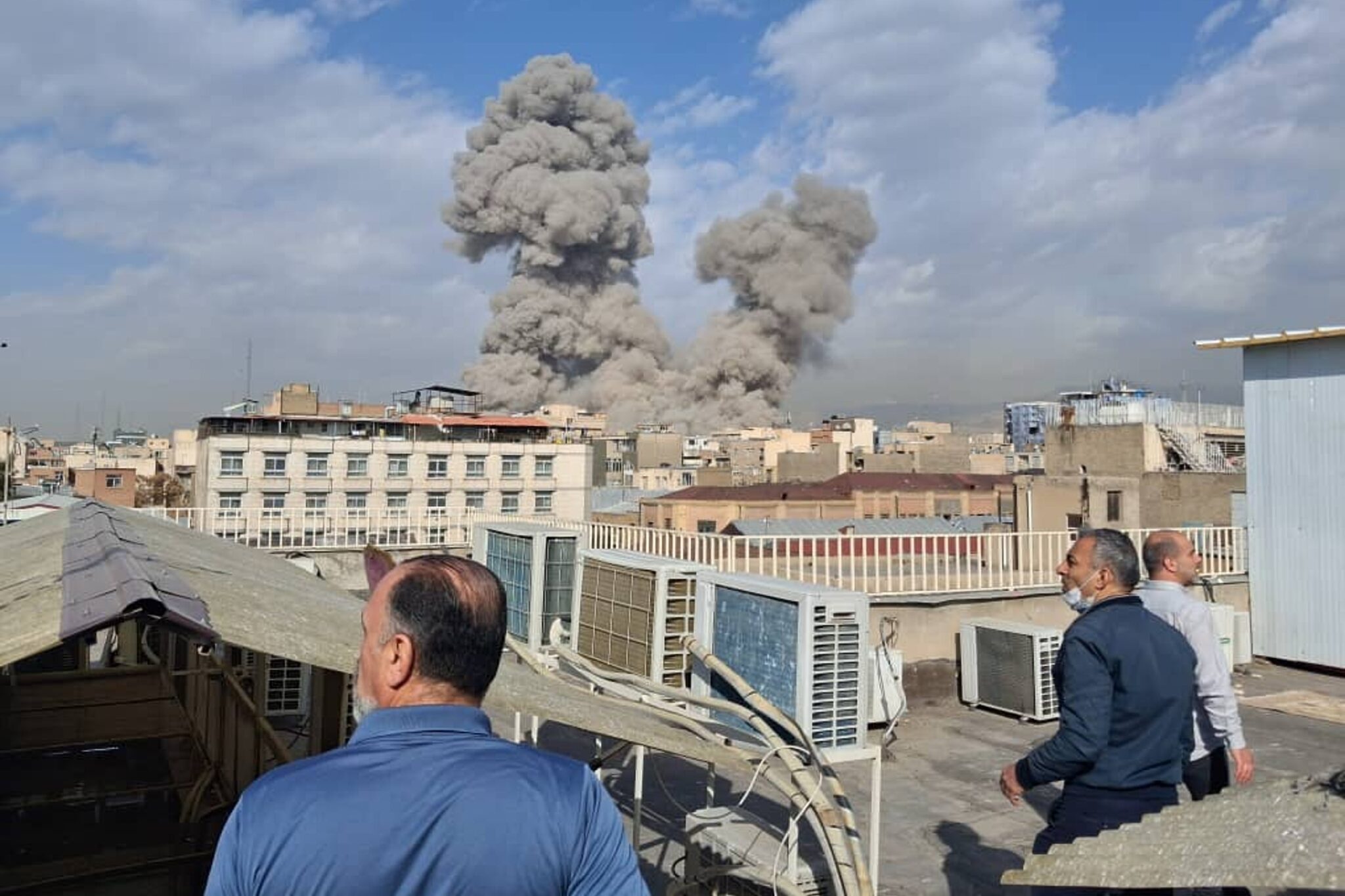
US Attack on Iran Poses Major Risk to Global Oil Markets, Energy Prices/ Newslooks/ WASHINGTON/ J. Mansour/ Morning Edition/ The U.S.-Israel attack on Iran poses a far greater risk to global oil markets than earlier action in Venezuela. Iran’s position along the Strait of Hormuz makes global energy supplies vulnerable to disruption. Analysts warn that escalating conflict could drive crude prices higher and increase gasoline costs worldwide.
Quick Look
- Iran borders the Strait of Hormuz, where ~20% of global oil flows.
- Oil prices rose ahead of the strikes; Brent could hit $80 per barrel.
- Iran has launched counterattacks on U.S. regional bases.
- Disruptions could impact Saudi, Qatari and broader Gulf energy exports.
- China buys about 90% of Iran’s oil exports.
- Higher crude prices could mean higher U.S. gas prices.
- Regime change would not guarantee immediate production gains.
- Energy markets face heightened volatility if conflict expands.
Deep Look: US Attack on Iran Poses Major Risk to Global Oil Markets and Energy Prices
President Donald Trump’s joint military operation with Israel against Iran is raising alarms across global energy markets, with analysts warning the move could have far greater consequences than earlier U.S. action in Venezuela.
Why the Iran Conflict Threatens Global Oil Supply
Iran is a key member of OPEC and sits along the Strait of Hormuz — the strategic maritime chokepoint through which roughly 20% of the world’s oil and natural gas shipments flow. Any prolonged U.S.-Iran conflict could disrupt shipping through the strait, triggering sharp increases in crude oil prices and global fuel costs.
Unlike the limited market reaction following U.S. military action in Venezuela earlier this year, a broader Middle East conflict could affect not just Iranian oil exports but also supplies from Saudi Arabia, Qatar and other Gulf producers.
A Trump administration official said the new campaign could unfold over “days not hours,” signaling potential sustained military operations. Iran has already launched retaliatory strikes against U.S. bases in the region, escalating tensions.
Oil Prices Climb on Fears of Supply Disruption
Even before the weekend escalation, markets were reacting. U.S. crude oil settled at $67 per barrel on Friday — about $5 higher than a month ago — amid expectations of military action.
Analysts at Barclays estimate that Brent crude, the global benchmark, could surge to $80 per barrel if hostilities intensify or shipping through the Strait of Hormuz is threatened.
Because China purchases roughly 90% of Iran’s 1.5 million barrels per day in exports, disruptions could also strain Beijing’s energy supply and reverberate through global trade.
Higher crude prices would likely translate into increased gasoline prices for American consumers — a politically sensitive issue ahead of the 2026 midterm elections.
Strait of Hormuz: A Critical Energy Chokepoint
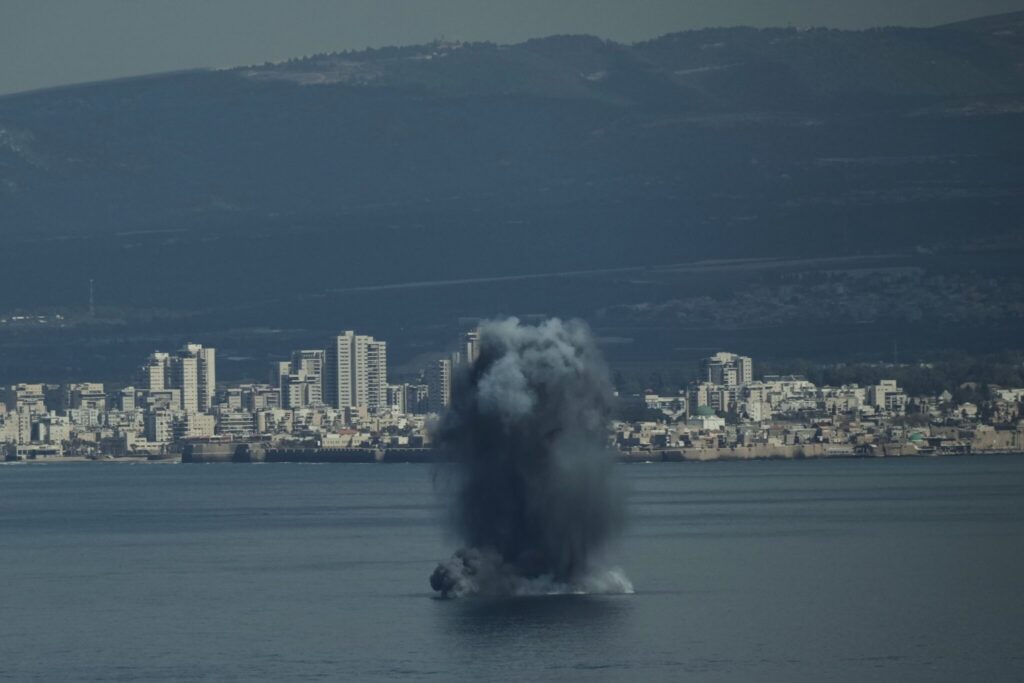
Energy experts warn that Iran could attempt to disrupt traffic in the Strait of Hormuz using mines, drones or missile strikes — tactics it has threatened during past confrontations.
Tehran or allied militias could also target oil infrastructure in neighboring countries. In 2019, drone strikes on Saudi oil facilities temporarily disrupted global supply, offering a preview of how quickly markets can react to regional instability.
Qatar, home to the largest U.S. military base in the Middle East, shares a major natural gas field with Iran that supplies global liquefied natural gas (LNG) markets. Any disruption there could tighten energy supplies worldwide.
“Iran is a larger oil producer than Venezuela and thus the consequences of a disruption could be larger,” said Samantha Gross of the Brookings Institution. Its strategic location, she noted, significantly increases the risk of widespread market impacts.
Political Fallout and Market Uncertainty
Democratic lawmakers criticized the military action, arguing it could worsen inflation and increase fuel costs for U.S. households already facing affordability pressures.
Energy analysts say that while crude prices had fallen to five-year lows earlier this year — giving markets some cushion — a prolonged conflict could erase that buffer quickly.
Could Regime Change Boost Oil Production?
Some analysts suggest that if political upheaval leads to regime change in Iran, the country’s oil sector could eventually attract international investment.
Unlike Venezuela’s deteriorated infrastructure, Iran’s upstream and downstream energy systems are considered structurally stronger. Production could potentially rise by 500,000 to 1 million barrels per day if sanctions were lifted and stability restored.
However, experts caution that regime transitions rarely result in immediate production gains. Investors would need confidence in long-term security and governance before committing capital.
“Regime change historically does not lead to higher production quickly,” said Jim Burkhard of S&P Global Energy, noting that uncertainty often delays energy investment decisions.
Bottom Line: Energy Markets Face Elevated Risk
With nearly one-fifth of global oil shipments passing through waters near Iran, the stakes for global energy markets are far higher than during the U.S. intervention in Venezuela.
If the conflict widens or disrupts the Strait of Hormuz, oil prices could spike sharply — affecting gasoline prices, inflation, and global economic stability.
For now, markets are bracing for volatility as military operations continue and the risk of broader Middle East escalation remains high.






You must Register or Login to post a comment.