US Carrier Nears Mideast, Iran Holds More Drills amid Possible War/ Newslooks/ WASHINGTON/ J. Mansour/ Morning Edition/ Iran conducted new military drills with Russia as a second U.S. aircraft carrier moved closer to the Middle East. Both Washington and Tehran signaled readiness for conflict if nuclear negotiations collapse. Regional tensions are rising amid internal unrest in Iran and growing international concern.
Iran US Military Tensions 2026 Quick Looks
- Iran launches annual drills with Russia
- USS Gerald R. Ford nearing eastern Mediterranean
- 50 additional U.S. combat aircraft deployed
- Nuclear talks remain stalled
- Live-fire exercises in Strait of Hormuz
- Israel prepares for possible retaliation
- European nations warn citizens to leave Iran
- Protest unrest continues inside Iran
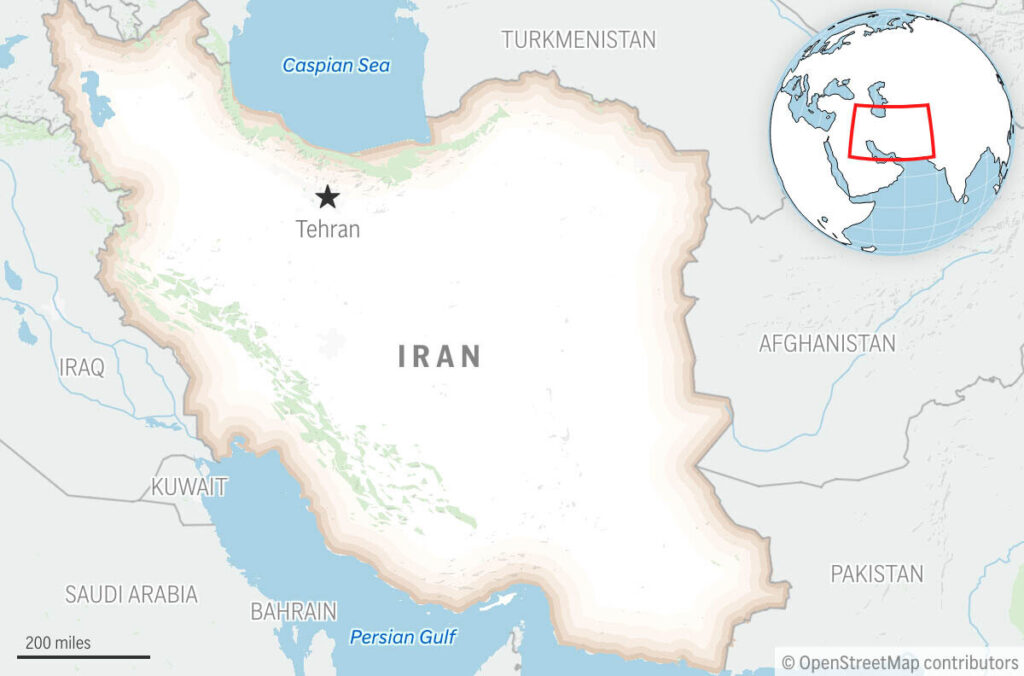
Deep Look: US Carrier Nears Mideast, Iran Holds More Drills amid Possible War
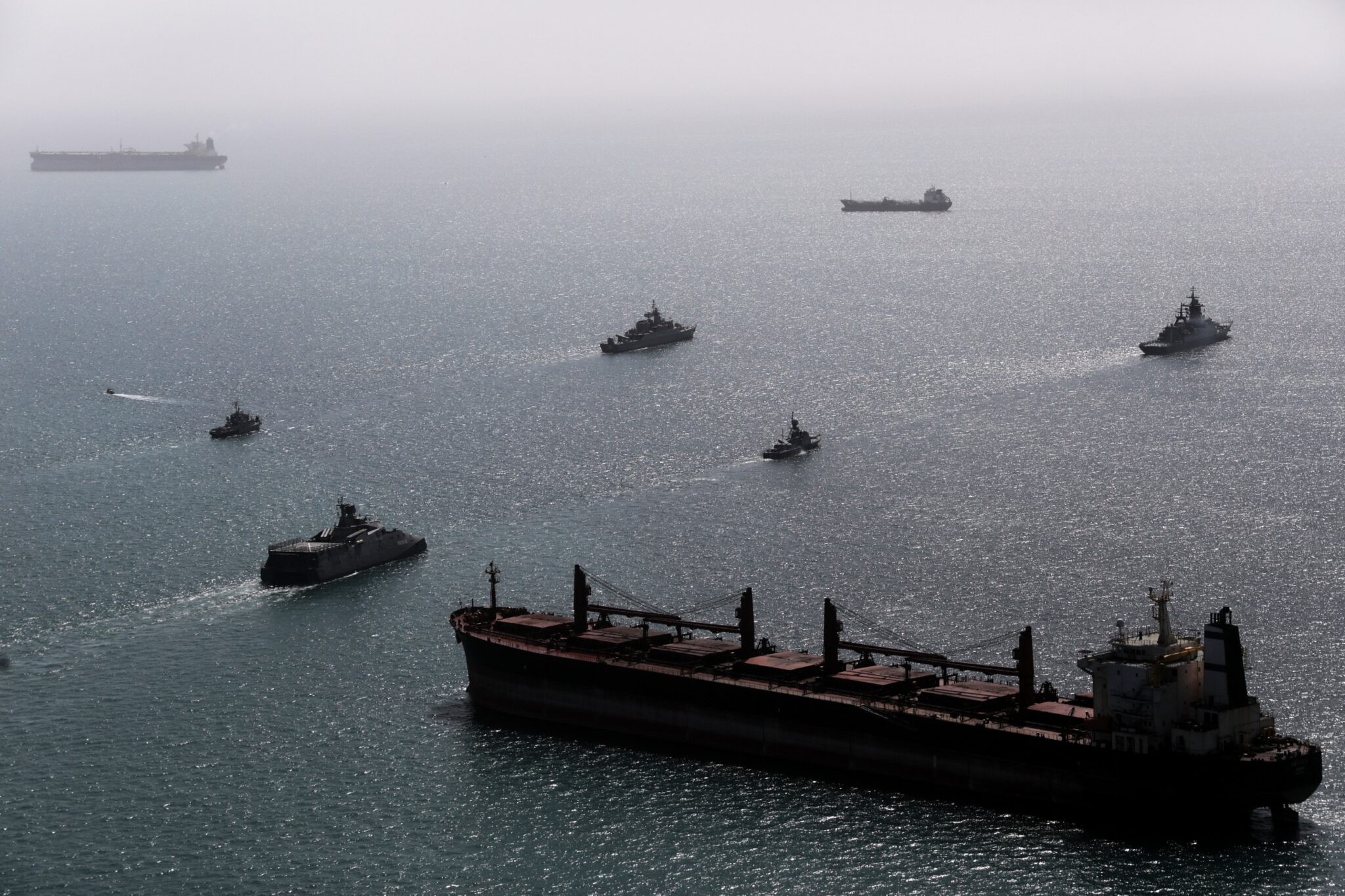
Tensions between Iran and the United States intensified Thursday as Tehran conducted annual joint military drills with Russia while a second American aircraft carrier moved closer to the region — a convergence of military signaling that underscores the growing risk of confrontation.
The exercises, held in the Gulf of Oman and the northern Indian Ocean, come amid stalled negotiations over Iran’s nuclear program. Both sides have publicly stated they prefer diplomacy, but each has also made clear it is preparing for the possibility of war if talks fail.
Military Posturing on Both Sides
President Donald Trump has expressed hope for a negotiated agreement but has simultaneously increased U.S. military deployments. The USS Gerald R. Ford aircraft carrier was tracked off Morocco’s Atlantic coast and is expected to transit through the Strait of Gibraltar into the eastern Mediterranean.
Once positioned, the carrier strike group — including guided-missile destroyers — would enhance Washington’s ability to launch air operations or defend regional allies such as Israel and Jordan.
Additionally, roughly 50 U.S. combat aircraft, including F-35s, F-22s and F-16s, have been ordered to bases in the Arab Gulf states. Analysts say the buildup provides Trump with credible leverage while also raising the stakes.
Trump warned on social media that failure to reach a deal could require the United States to “eradicate a potential attack by a highly unstable and dangerous regime.”
Nuclear Talks at an Impasse
Indirect negotiations held recently in Geneva produced little visible progress. Iranian officials have indicated they may submit more detailed proposals in the coming weeks, but major disagreements persist.
Tehran has refused to discuss U.S. and Israeli demands that it limit its ballistic missile program or sever ties with armed regional groups such as Hamas and Hezbollah. Iran insists the talks focus strictly on its nuclear activities.
Trump has previously claimed that U.S. and Israeli strikes last summer “obliterated” Iranian nuclear facilities, though independent verification remains limited after Iran barred international inspectors.
Iran maintains that its nuclear program is peaceful, while Western governments suspect it aims to develop weapons capability.
Joint Drill With Russia
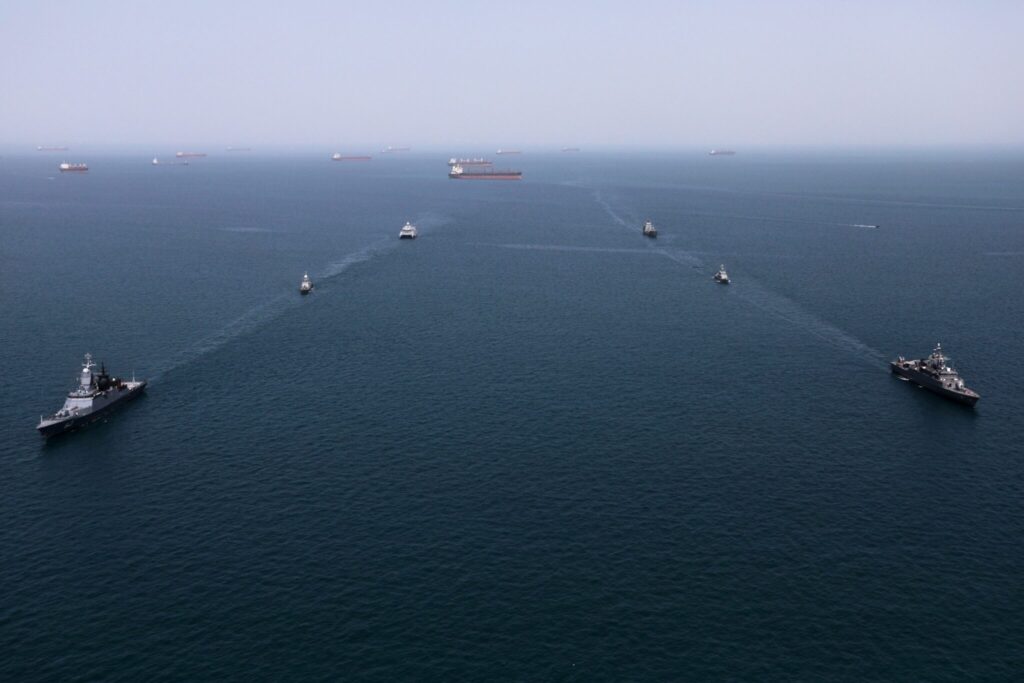
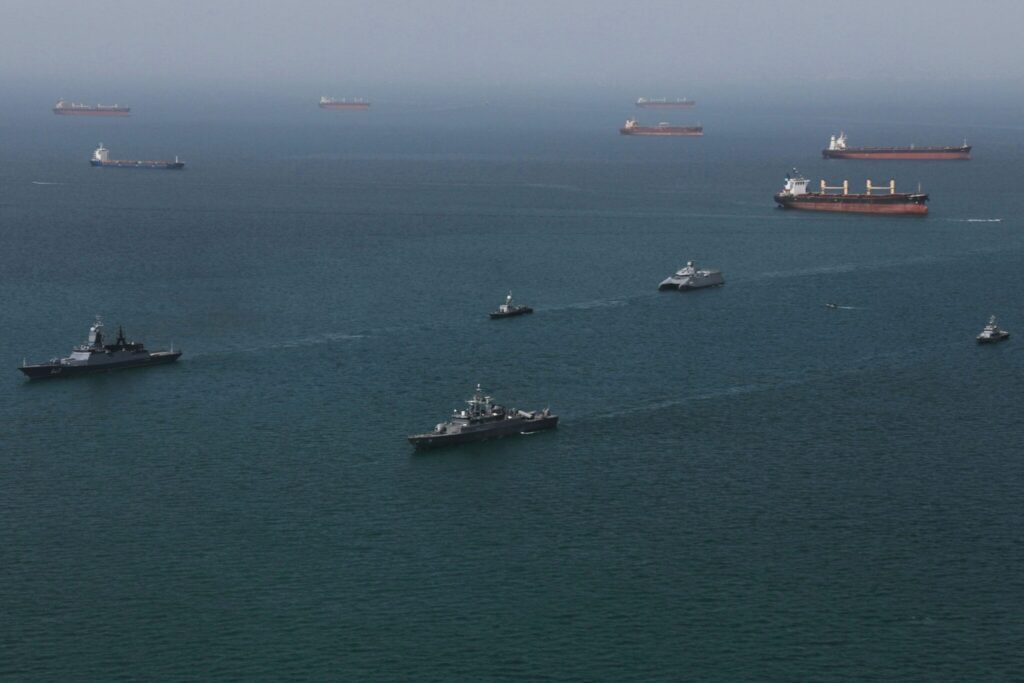
The annual Iran-Russia naval exercise included live-fire components and specialized boarding operations by Iran’s Revolutionary Guard naval forces. Iranian state media said the drills were intended to improve coordination and share operational experience.
Iran also issued rocket-fire warnings to commercial pilots in the region, signaling potential anti-ship missile launches as part of the maneuvers. Earlier in the week, Tehran staged live-fire drills in the Strait of Hormuz — the narrow passageway through which roughly 20% of globally traded oil flows.
Any disruption to traffic in the strait could have immediate consequences for global energy markets.
Regional and Global Reactions
Israel is preparing for possible retaliation should a U.S. strike occur. Prime Minister Benjamin Netanyahu has long advocated tougher action against Iran and insists any agreement must curb Tehran’s missile arsenal and regional alliances.
European governments are also responding cautiously. Polish Prime Minister Donald Tusk urged Polish citizens to leave Iran immediately, warning that evacuation options could narrow quickly. Germany announced it had relocated dozens of nonessential personnel from a base in northern Iraq as a precaution.
Security analysts at the Soufan Center described the recent U.S. deployments as reinforcing Trump’s near-daily warnings of potential military action if diplomacy collapses.
Internal Unrest in Iran
Complicating Tehran’s position is mounting domestic pressure. The government is facing renewed protests marking 40 days since security forces violently suppressed demonstrations that erupted over economic grievances and expanded into broader anti-government unrest.
Memorial gatherings in Tehran’s Behesht-e Zahra cemetery reportedly included anti-government chants, despite official warnings.
Human rights groups report thousands were killed during the crackdown, though official Iranian figures are significantly lower. The Oslo-based organization Iran Human Rights says at least 26 detainees have received death sentences related to the protests.
The unrest adds vulnerability to Iran’s leadership even as it projects strength externally.
A Precarious Moment
The convergence of military exercises, carrier deployments, and stalled diplomacy places the region at a precarious crossroads. While neither Washington nor Tehran has formally declared intentions for imminent war, the buildup of forces and sharpened rhetoric increase the risk of miscalculation.
Should talks falter entirely, the presence of advanced aircraft, naval assets, and regional defense systems suggests that any confrontation would be swift and potentially expansive.
For now, diplomacy remains technically alive. But with each new drill and deployment, the margin for error narrows — and the prospect of broader conflict looms larger over the Middle East.