

US Deploying 3 More Warships, Roughly 2,500 More Marines to Middle East/ Newslooks/ WASHINGTON/ J. Mansour/ Morning Edition/ The U.S. is sending three more warships and about 2,500 Marines to the Middle East as the Iran war intensifies. The deployment comes as Iran threatens broader retaliation and continues attacks on regional energy infrastructure. The growing conflict is deepening fears over global oil supplies, shipping disruption, and wider regional escalation.
US Middle East deployment Quick Looks
- The U.S. is deploying three additional warships to the Middle East.
- Roughly 2,500 Marines with the 11th Marine Expeditionary Unit are part of the move.
- The ships reportedly departed from San Diego.
- The deployment comes as the Iran war enters its third week.
- Iran has threatened to target tourist and recreational sites worldwide.
- Tehran says it is still producing and stockpiling missiles during the war.
- Iranian attacks have hit Gulf energy sites and increased pressure on the Strait of Hormuz.
- Oil prices remain elevated as markets fear a prolonged energy and shipping crisis.
Deep Look: US Deploying 3 More Warships, Roughly 2,500 More Marines to Middle East
The United States is expanding its military presence in the Middle East by sending three more warships and roughly 2,500 additional Marines, a move that signals Washington is preparing for a broader and potentially longer conflict as the war with Iran intensifies.
According to U.S. officials, the USS Boxer and two other amphibious assault ships have deployed from San Diego along with the 11th Marine Expeditionary Unit. While officials did not publicly detail the ships’ final destination, the deployment clearly adds weight to the American military posture in the region at a moment of growing instability and rising concern about further Iranian retaliation.
The decision comes nearly three weeks into a war that has already reshaped the regional security landscape. Iran has suffered strikes on military, political, energy, and nuclear-linked targets, while still demonstrating that it retains the ability to launch attacks across the region. Tehran has continued firing at Israel and at energy facilities in neighboring Gulf Arab states, showing that despite heavy losses and sustained bombardment, it remains capable of imposing costs well beyond its borders.
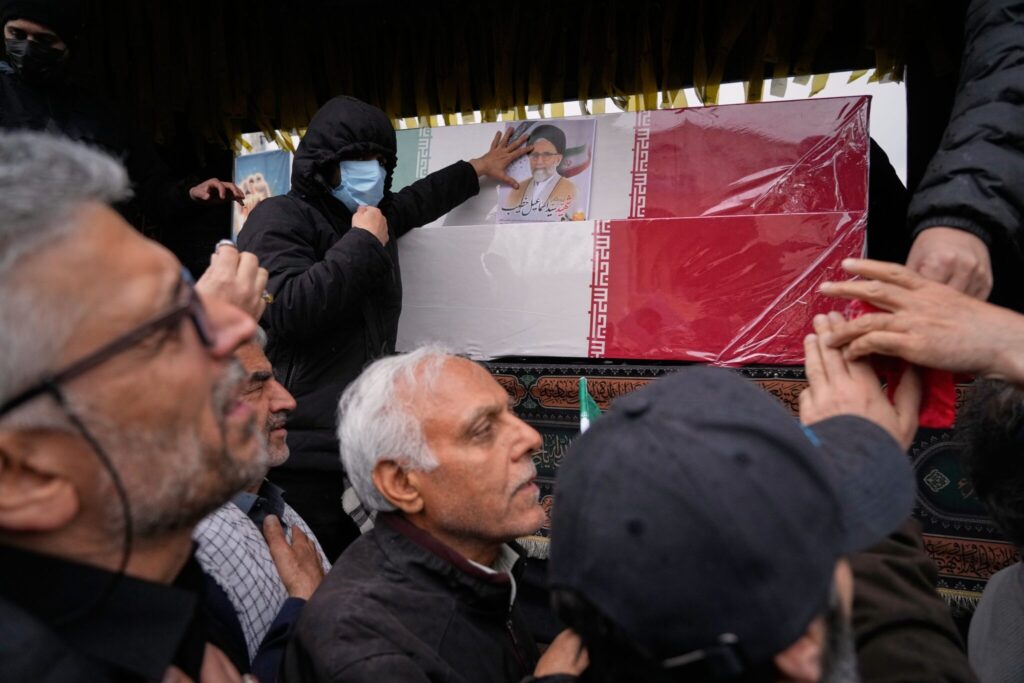
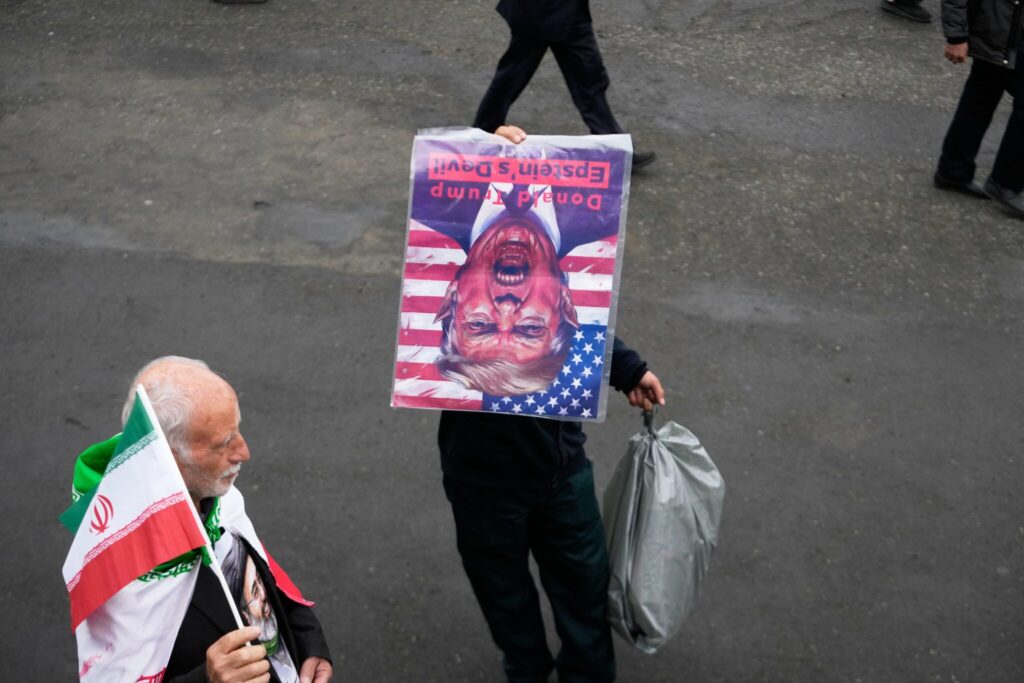
Iran’s rhetoric has also become more aggressive. A top military spokesman warned that parks, tourist sites, and recreational areas around the world would not be safe for Tehran’s enemies, a threat that raised concerns about possible attacks outside the Middle East. Such language suggests Iran may be trying to widen the psychological and strategic scope of the conflict even as it absorbs major battlefield losses.
At the same time, Iran insists it is still manufacturing missiles despite repeated Israeli and U.S. claims that its military infrastructure has been badly degraded. That message is designed not only to reassure its domestic audience but also to signal to adversaries that the country remains capable of sustained retaliation. The war has produced confusion over how much command structure remains intact inside Iran, but its continued strikes on energy sites and regional targets show that operational capacity has not disappeared.
The military build-up by Washington therefore appears aimed at several goals at once. Additional warships and Marines could help protect U.S. personnel and assets, support contingency operations, reinforce deterrence, and provide rapid-response capability if the conflict spills further across the Gulf. Amphibious ships also offer flexibility, allowing the U.S. to project force, conduct evacuations, support air operations, and respond to emergencies without immediately relying on ground bases.
The regional picture remains highly volatile. Iranian drones have targeted a Kuwaiti refinery, attacks have damaged infrastructure in Bahrain and Saudi Arabia, and explosions were reported over Dubai as air defenses engaged incoming threats. In Israel and the occupied West Bank, missile attacks have caused deaths and injuries. Israel has also widened its strikes beyond Iran to targets in Lebanon and Syria, increasing the danger that the conflict could evolve into a broader regional war with multiple fronts.
The economic stakes are also mounting. Iran’s attacks on Gulf energy sites, along with its pressure on shipping through the Strait of Hormuz, have rattled global markets. Since a major share of the world’s traded oil passes through that waterway, any prolonged disruption threatens fuel supplies, transportation costs, and inflation well beyond the region. Brent crude has surged sharply since the war began, and the conflict is now affecting not only oil but also critical industrial materials that move through the same trade routes.
That larger economic risk helps explain why the U.S. deployment matters beyond pure military strategy. Washington is not only reacting to battlefield events; it is also trying to stabilize a region whose disruption can quickly hit global prices and supply chains. More naval power in or near the Gulf could be used to protect shipping lanes, deter attacks on commercial traffic, and reassure nervous allies who depend on maritime trade and energy exports.
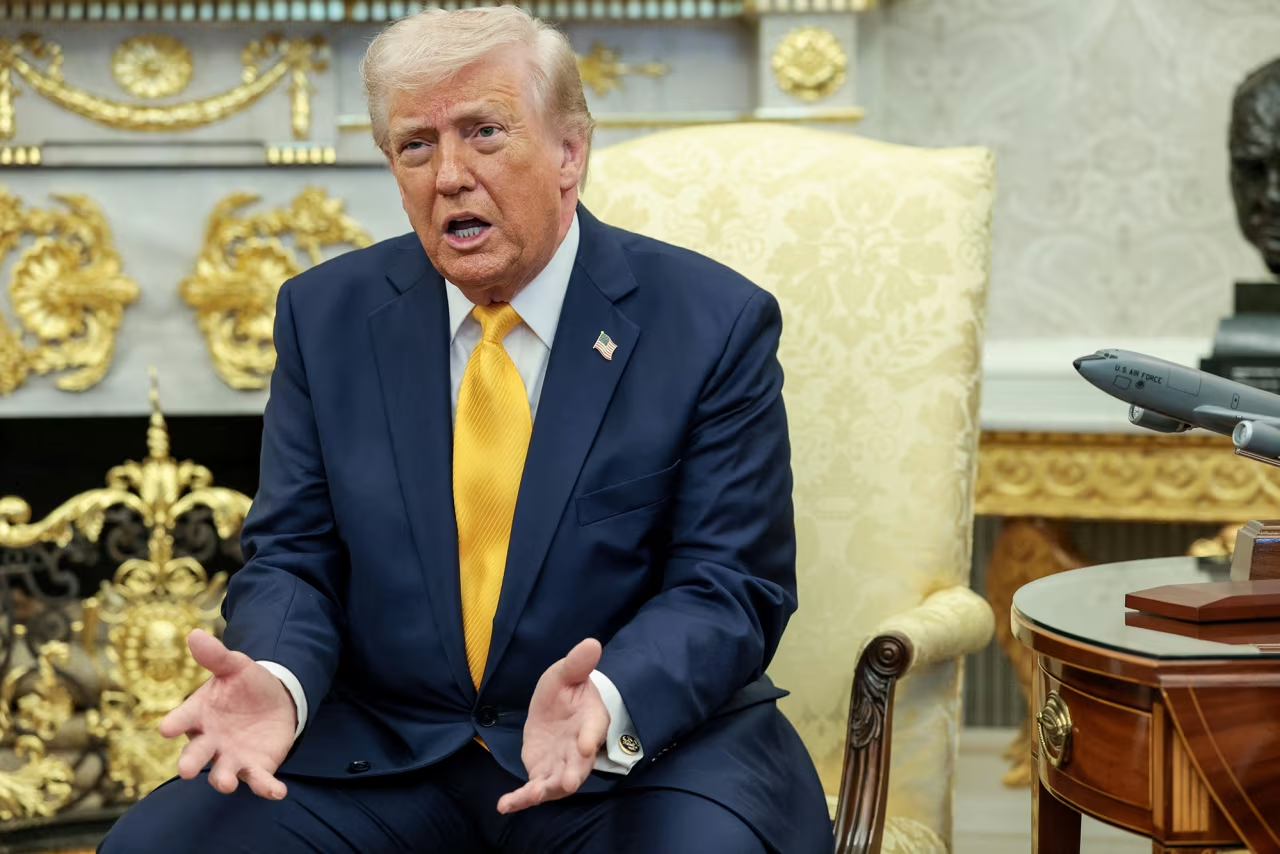
Politically, the deployment also highlights the widening gap between the United States and some of its allies. President Donald Trump has sharply criticized NATO partners and other countries that declined to join U.S. efforts tied to securing the Strait of Hormuz. That tension leaves Washington relying more heavily on its own military assets even as the conflict’s consequences spread worldwide.
The new deployment does not necessarily mean a dramatic shift to ground war, but it does show the administration is preparing for a wider range of outcomes. More ships and Marines give the U.S. greater room to respond if Iranian attacks intensify, if allies request help, or if maritime security deteriorates further. In that sense, the move is both a warning to Iran and an acknowledgment that the conflict has become more dangerous, more regional, and more economically significant than at its outset.






You must Register or Login to post a comment.