

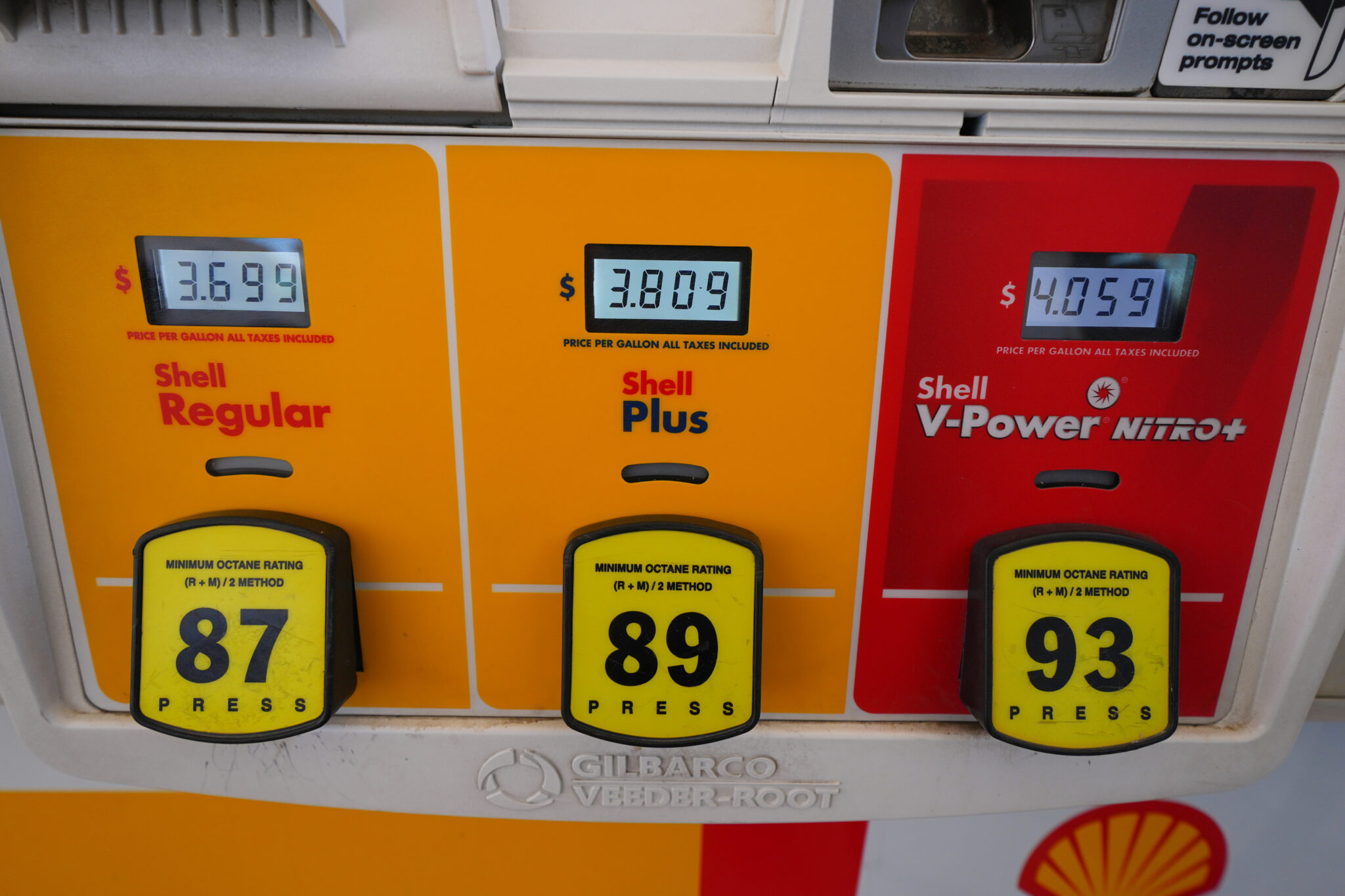
US Drivers See Gas Prices Jump to $3.84, Their Highest Level Since 2023/ Newslooks/ WASHINGTON/ J. Mansour/ Morning Edition/ U.S. gas prices have surged to their highest level since 2023 as the Iran war disrupts global oil supply. The national average climbed above $3.84 per gallon, sharply higher than pre-war levels. Experts warn rising fuel costs could worsen inflation and strain household budgets.
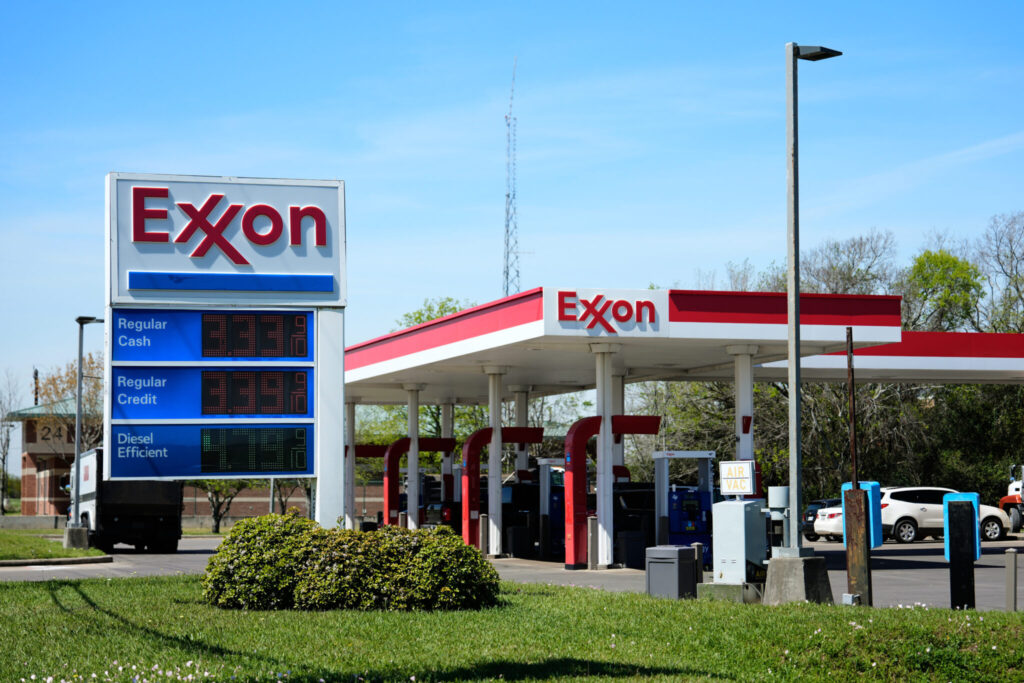
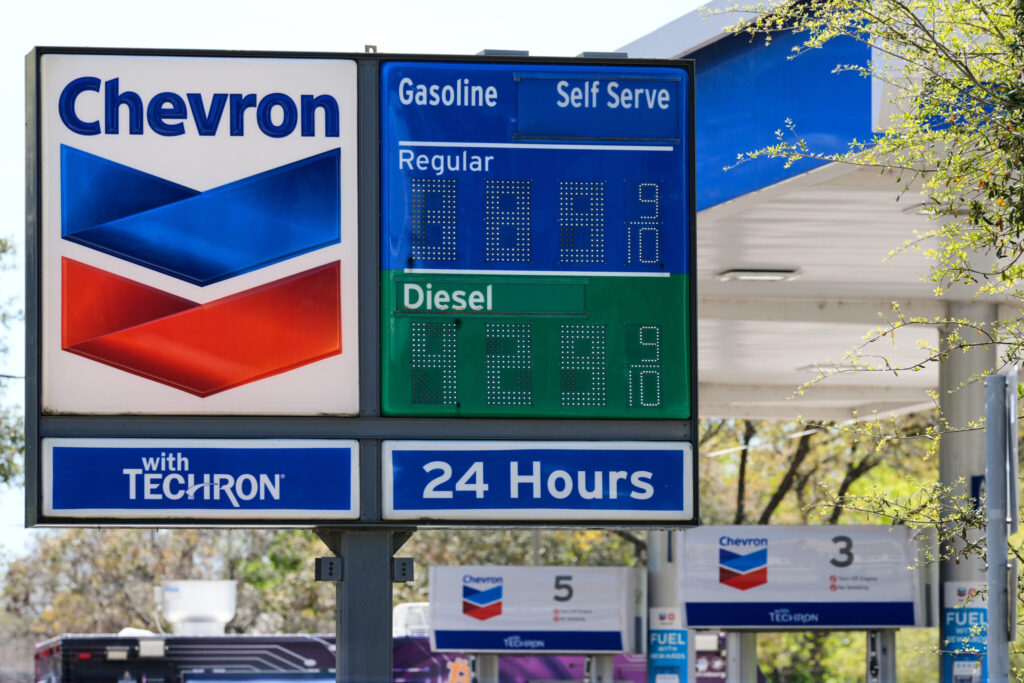
US Gas Prices Surge Quick Looks
- Gas prices climbed to $3.84 per gallon nationwide.
- Prices were under $3 before the Iran war began.
- Oil prices surged close to $108 per barrel.
- Diesel prices jumped above $5 per gallon.
- War disruptions hit global oil supply chains.
- Strait of Hormuz shipping remains heavily restricted.
- The U.S. is releasing oil from reserves to stabilize markets.
- Higher fuel costs are fueling inflation concerns.
- Some regions benefit economically from higher oil production.
- Consumers are cutting spending due to rising costs.
Deep Look: US Drivers See Gas Prices Jump to $3.84, Their Highest Level Since 2023
Gas prices across the United States have surged to their highest levels in more than two years, as the ongoing war involving Iran continues to disrupt global oil markets and drive up energy costs.
According to AAA, the national average price for a gallon of regular gasoline rose above $3.84 on Wednesday. That marks a sharp increase from the $2.98 average recorded before the United States and Israel launched military strikes against Iran on Feb. 28. The current price level is the highest since September 2023, underscoring how quickly geopolitical tensions can ripple through everyday expenses.
For many Americans, the impact has been immediate and painful. Drivers across the country say they are paying significantly more while getting less fuel, adding strain to already tight household budgets.
Consumers feel the squeeze
For everyday drivers, rising fuel costs are one of the most visible and immediate consequences of the conflict. In Louisiana, resident Amanda Acosta described the financial strain of filling up her car, noting that she is now paying more for fewer gallons of gas.
Similar frustrations are echoed nationwide. In New Jersey, Meghan Adamoli expressed a desire for the conflict to end, saying the continued instability is affecting people far beyond the battlefield. While some drivers say they can manage the higher prices, many acknowledge that others are struggling.
Truck drivers and businesses that rely on fuel are feeling even greater pressure. Diesel prices, which are critical for transportation and logistics, climbed to over $5 per gallon — their highest level since 2022. For workers like Pennsylvania truck driver Dan Bradley, the rising costs affect both business operations and personal finances.
Still, not everyone sees the surge as entirely negative. In oil-producing regions such as West Texas, higher prices can boost local economies by increasing drilling activity and job opportunities. Residents there say rising oil prices can translate into more work and income for families tied to the energy sector.
Oil market disruptions drive price surge
The spike in gas prices is largely tied to the sharp increase in crude oil costs. Oil is the primary ingredient in gasoline, and its price has soared amid the war. Brent crude, the global benchmark, climbed to nearly $108 per barrel, up from around $70 just weeks earlier. U.S. crude also rose to about $98 per barrel.
These increases are being driven by a combination of supply disruptions and geopolitical uncertainty. The Strait of Hormuz — a vital shipping route that normally carries about 20% of the world’s oil — has been effectively restricted, with Iran limiting tanker traffic and targeting regional energy infrastructure.
As a result, global oil flows have been severely constrained. Some producers in the Middle East have reduced output simply because they cannot transport their oil, further tightening supply and pushing prices higher.
Despite being a major oil producer, the United States is not immune to these global dynamics. Oil is traded internationally, meaning domestic fuel prices are still influenced by global supply and demand. Additionally, U.S. refineries often rely on imported crude types that differ from what is produced domestically, making the country dependent on foreign oil supplies in certain regions.
Government response and market uncertainty
In response to rising prices, governments and international organizations are attempting to stabilize the market. The International Energy Agency has announced plans to release 400 million barrels of oil from member nations’ reserves. The U.S. is contributing by tapping into its Strategic Petroleum Reserve, releasing 172 million barrels.
The Trump administration has also taken steps to increase available supply, including temporarily easing restrictions on certain foreign oil sources. However, analysts caution that these measures will only provide short-term relief.
It takes time for crude oil purchases to move through the supply chain and reach consumers at the pump. As a result, even if supply improves, drivers may continue to face elevated prices for weeks or months.
Seasonal factors are also contributing to the increase. Gas prices typically rise in the spring and summer as demand increases and refineries switch to more expensive summer fuel blends.
Regional differences remain significant. California recorded the highest average price at over $5.56 per gallon, while Kansas had one of the lowest averages at about $3.23.
Broader economic impact
Rising fuel costs are not only affecting drivers directly but also putting pressure on the broader economy. Higher transportation costs can lead to increased prices for goods and services, contributing to overall inflation.
Economists warn that sustained increases in gas prices could force households to cut back on discretionary spending. Lower- and middle-income families are particularly vulnerable, as they spend a larger share of their income on essentials like fuel.
In addition, economic uncertainty tied to the war may cause consumers to delay major financial decisions, such as purchasing homes or vehicles. This hesitation can slow economic growth over time.
Experts say the combination of higher energy prices, inflation concerns and geopolitical uncertainty creates a challenging environment for both consumers and policymakers. If the conflict continues and oil prices remain elevated, the financial strain on households and the broader economy could intensify further.






You must Register or Login to post a comment.