US Expands List of Countries That Must Pay up to $15K Bonds for Visas/ Newslooks/ WASHINGTON/ J. Mansour/ Morning Edition/ The U.S. has expanded its visa bond policy, now requiring applicants from 13 countries to post up to $15,000. Seven new nations, mostly in Africa, have been added to the list. The measure aims to deter visa overstays but raises concerns over accessibility and equity.
U.S. Visa Bonds Expanded — Quick Looks
- Seven new countries added to U.S. visa bond list
- Applicants may now be required to post up to $15,000
- New additions include Bhutan, Turkmenistan, and five African nations
- Total number of affected countries now stands at 13
- Most countries on the list are in Africa
- Policy took effect January 1, 2026
- Bonds range from $5,000 to $15,000 per applicant
- Payment doesn’t guarantee visa approval
- Bonds are refunded if visa is denied or rules are followed
- Part of Trump administration’s wider visa restrictions
- Officials claim bonds reduce risk of visa overstays
US Expands List of Countries That Must Pay up to $15K Bonds for Visas
Deep Look
WASHINGTON — The Trump administration has expanded its controversial visa bond policy, adding seven more countries to the list of nations whose citizens may be required to pay bonds of up to $15,000 in order to apply for a U.S. visa.
According to the State Department, the newly added countries include Bhutan, Turkmenistan, and five African nations: Botswana, Guinea, Guinea-Bissau, Namibia, and the Central African Republic. The updated policy took effect on January 1, 2026, and was posted quietly on the official travel.state.gov website.
With the additions, the list now comprises 13 countries, 11 of which are in Africa. These new entries join Mauritania, Sao Tome and Principe, Tanzania, Gambia, Malawi, and Zambia, which were included in the policy throughout 2025.
The visa bond program allows U.S. consular officials to require financial bonds ranging from $5,000 to $15,000 from visa applicants in designated countries. These bonds are meant to serve as a financial deterrent against visa overstays and are refunded either if the visa is denied or if the applicant complies with the terms of their visa.
The bond requirement does not guarantee that a visa will be approved. It functions as an additional hurdle, particularly for citizens of economically developing nations where such an amount may represent a significant financial barrier.
State Department officials maintain that the program helps prevent abuse of the U.S. immigration system, particularly by deterring visitors from overstaying temporary visas. However, critics argue that the policy disproportionately affects African nations and lower-income applicants, raising concerns over equity, fairness, and discrimination in U.S. visa practices.
The move also comes amid broader visa tightening measures introduced during Trump’s second term. These include mandatory in-person interviews for nearly all applicants, requirements to disclose social media histories, and extensive reporting of travel, employment, and residency backgrounds for both applicants and their families.
While U.S. officials defend these steps as necessary for national security and immigration control, human rights groups and immigrant advocates say the measures create insurmountable barriers for many legitimate travelers.
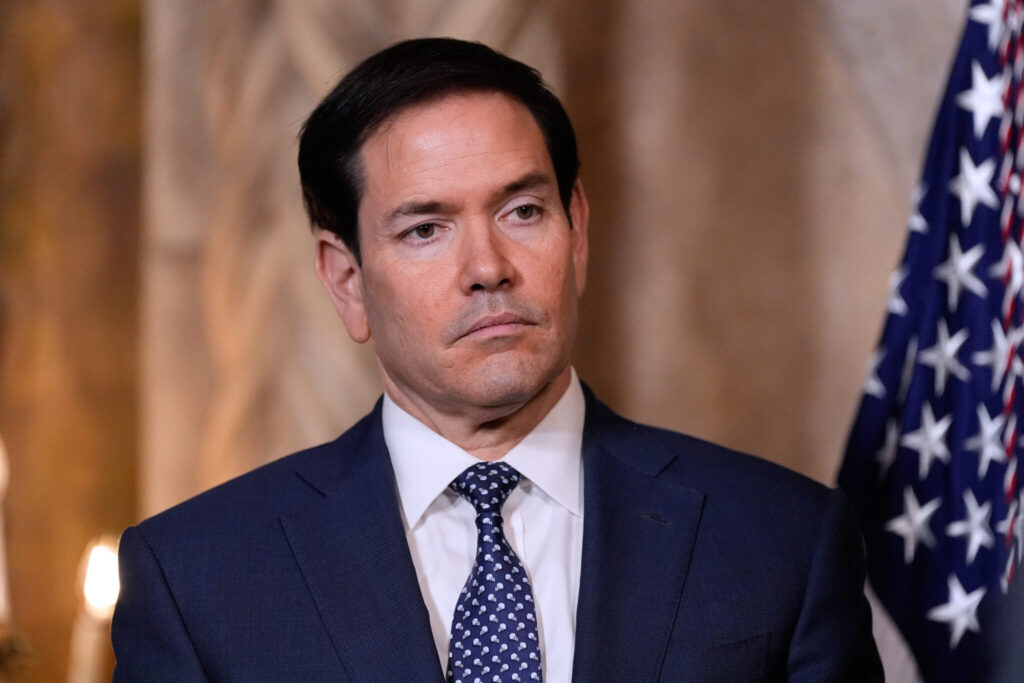
Secretary of State Marco Rubio, a key figure in the administration’s foreign policy direction, has not publicly commented on the visa bond expansion, but he has previously supported stricter immigration enforcement and measures aimed at reducing visa fraud.
The visa bond rule was first introduced in late 2025 and has since quietly expanded without significant public debate or Congressional oversight. Its targeted implementation — largely toward African countries — has been flagged by international observers and diplomats as potentially discriminatory, though the administration insists the selection is based on visa overstay data.
Applicants who meet the criteria for a bond are informed at the time of application and must arrange payment through approved financial channels. The bond is held by the U.S. government and returned only if the applicant does not violate visa conditions, such as overstaying the authorized period or engaging in unauthorized employment.
As of now, the full list of countries subject to the bond policy includes:
- Bhutan
- Botswana
- Central African Republic
- Guinea
- Guinea-Bissau
- Namibia
- Turkmenistan
- Mauritania
- Sao Tome and Principe
- Tanzania
- Gambia
- Malawi
- Zambia
The State Department has not indicated whether more countries will be added in the future or whether the policy will be re-evaluated in light of legal challenges or diplomatic pressure.