


US Expands Iran Strikes As Regional War Escalates/ Newslooks/ WASHINGTON/ J. Mansour/ Morning Edition/ U.S. military leaders say operations against Iran will expand deeper into Iranian territory as the regional war intensifies. A U.S. submarine sank an Iranian warship while NATO air defenses intercepted a missile heading toward Turkey. The growing conflict has killed more than 1,000 people in Iran and forced evacuations across the Middle East.
US Expands Iran Strikes Quick Looks
- The U.S. military plans to strike deeper into Iranian territory.
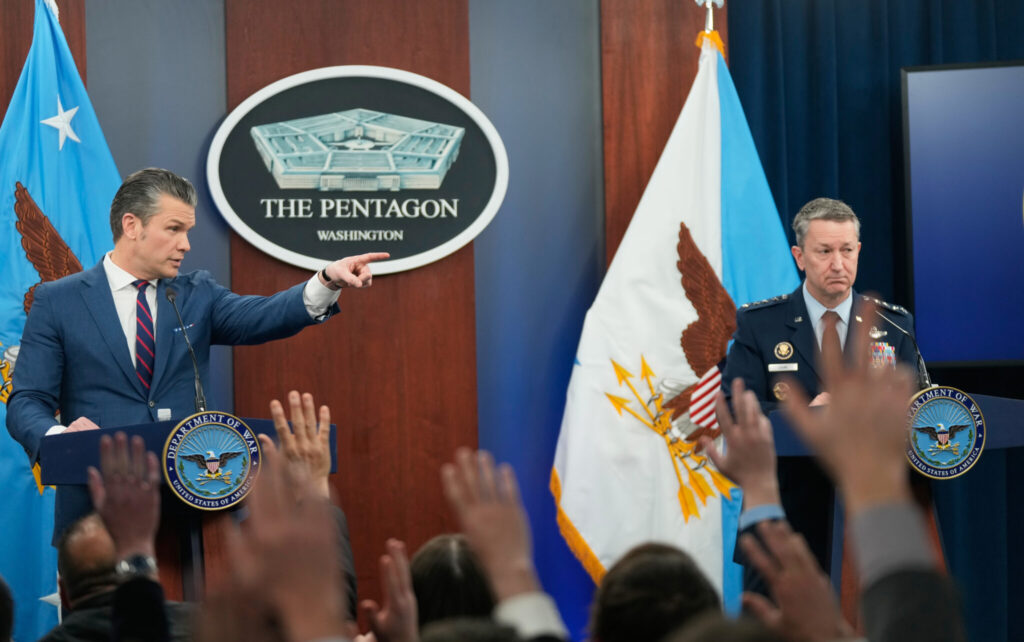
- Defense Secretary Pete Hegseth says operations are still in early stages.
- A U.S. submarine sank an Iranian warship in the Indian Ocean.
- NATO defenses intercepted an Iranian missile heading toward Turkey.
- More than 1,000 people have died in Iran since the war began.
- The U.S. is closing embassies and reducing diplomatic staff in the region.
- Countries are opening evacuation routes for stranded civilians.
- Washington is discussing accelerated weapons production with defense contractors.
US Expands Iran Strikes Deep Look
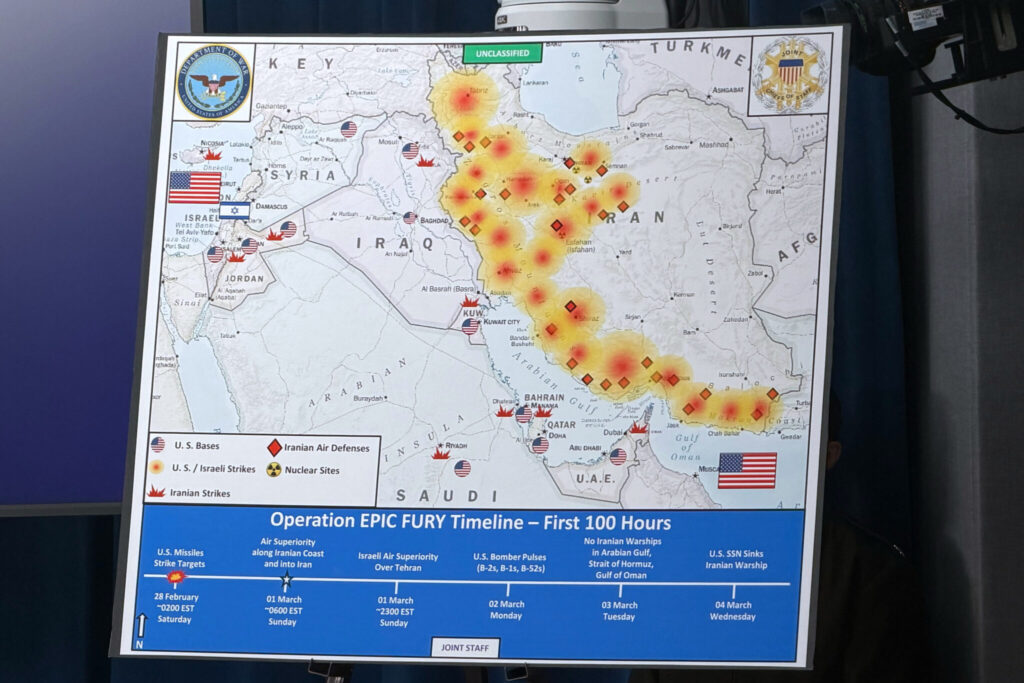
The United States is preparing to expand its military campaign against Iran, with senior defense officials saying American forces will begin striking targets deeper inside Iranian territory as the conflict spreads across the Middle East.
Military leaders said the next phase of the campaign will involve intensified operations aimed at weakening Iran’s military infrastructure and strategic capabilities.
The chairman of the Joint Chiefs of Staff said U.S. forces would begin “striking progressively deeper into Iranian territory,” signaling a potential escalation in the scope of the war.
Defense Secretary Pete Hegseth also cautioned that the conflict remains in its early stages and could continue evolving in the coming weeks.
“It’s very early,” Hegseth said, suggesting that the military campaign against Tehran is still developing.
Naval Battle Expands War
The latest escalation came after a U.S. submarine torpedoed and sank an Iranian warship in the Indian Ocean.
The attack marked a rare naval confrontation and highlighted the expanding geographic reach of the war, which is now affecting areas far beyond Iran’s borders.
The sinking of the Iranian vessel is part of a broader U.S.-led effort to weaken Iran’s naval capabilities and limit its ability to threaten shipping routes and military forces across the region.
Turkish officials said the missile was destroyed before it entered Turkish airspace, preventing the attack from escalating further.
Rising Death Toll
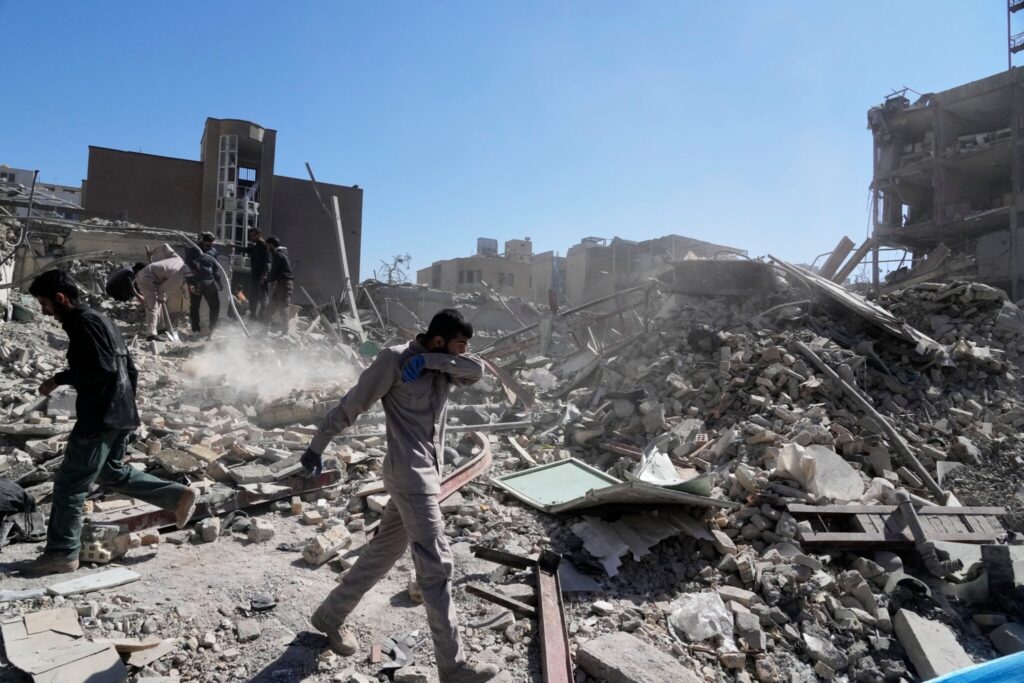
As fighting intensifies, the human cost of the conflict continues to climb.
More than 1,000 people have been killed in Iran since the war began, according to the U.S.-based Human Rights Activists News Agency.
The growing death toll reflects the scale of airstrikes and missile attacks taking place across the region.
Military clashes have spread beyond Iran to neighboring countries, including Israel, Lebanon, Kuwait, and Bahrain, raising fears that the conflict could expand into a broader regional war.
Evacuations Across the Middle East
With the situation deteriorating rapidly, governments are scrambling to evacuate civilians from the region.
The United States has already closed several embassies in the Middle East and reduced diplomatic staffing in other locations.
Officials are urging American citizens to leave the region as soon as possible.
The United Arab Emirates said it has opened special air corridors with neighboring countries to help facilitate evacuations.
Meanwhile, the U.S. State Department has updated its emergency assistance message for Americans seeking help to leave the region.
“The United States is committed to helping U.S. citizens who want to leave the region to do so,” the new message says.
Previously, the assistance line had warned Americans not to rely on the U.S. government for evacuation support.
Assistance Efforts Underway
State Department officials say thousands of Americans have already contacted the government seeking help.
According to Deputy State Department spokesperson Tommy Pigott, nearly 3,000 Americans have registered for assistance.
Those who have signed up are being advised to prepare for rapid departures once evacuation options become available.
“We will proactively reach out when charter flights, buses, or other options are available,” Pigott said.
Officials say more than 120 personnel are staffing a 24-hour call center to assist Americans stranded in the region.
The government is exploring multiple evacuation options, including charter flights, military aircraft, commercial flights, and possible land routes.
Pentagon Looks to Boost Weapons Production
As the conflict grows, the White House is also preparing to meet with major U.S. defense contractors to discuss expanding weapons production.
Senior executives from leading defense companies are scheduled to visit the White House later this week to discuss increasing output of critical military equipment.
President Donald Trump has expressed confidence that the United States has sufficient weapons supplies to sustain the war effort.
Earlier this week, Trump said the country has a “virtually unlimited supply” of munitions.
He also suggested that modern wars could be fought for extended periods using existing weapons stockpiles and production capacity.
Uncertain Road Ahead
Despite the confidence expressed by U.S. officials, the conflict’s future remains uncertain.
The war has already destabilized parts of the Middle East, disrupted energy markets, and triggered widespread evacuations.
With American forces preparing to strike deeper inside Iran and regional tensions continuing to rise, analysts warn that the conflict could escalate further before any resolution becomes possible.






You must Register or Login to post a comment.