

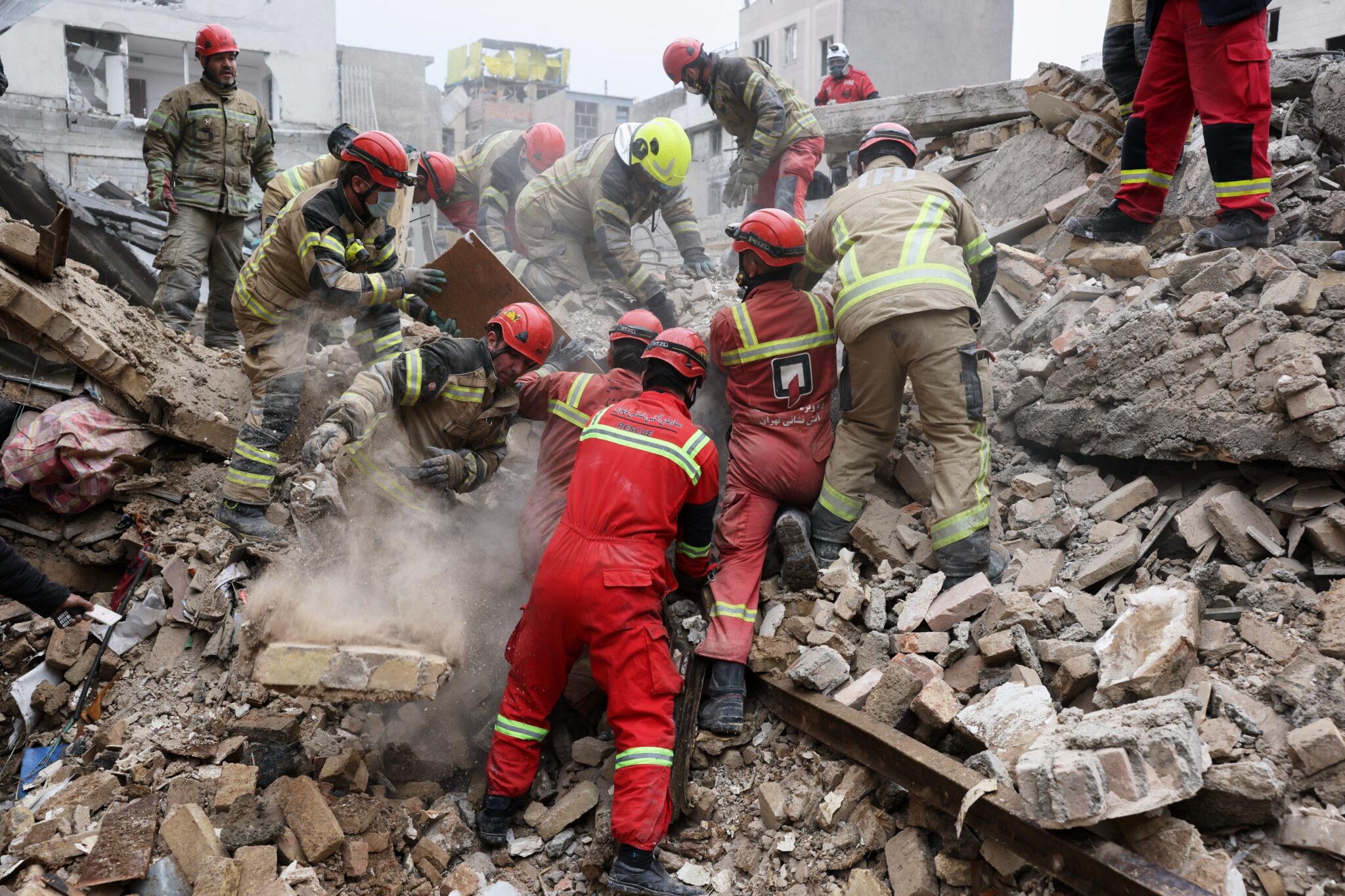
US is Deploying 2,500 Marines to Middle East as it Pounds Iran/ Newslooks/ WASHINGTON/ J. Mansour/ Morning Edition/ The United States is deploying roughly 2,500 Marines to the Middle East as fighting between Iran, Israel and U.S. forces intensifies. Missile strikes, drone attacks and airstrikes across the region are escalating the conflict and threatening global energy routes. The war has triggered mounting casualties, regional instability and rising fears of a wider Middle East crisis.
US Deploys Marines To Middle East Quick Looks
- About 2,500 U.S. Marines are heading to the Middle East.
- The USS Tripoli amphibious assault ship will support the deployment.
- Iran continues missile and drone attacks across Gulf countries.
- A missile struck the U.S. Embassy compound in Baghdad.
- The conflict threatens shipping through the Strait of Hormuz.
- More than 1,300 people have been killed in Iran since the war began.
- Hundreds of thousands displaced in Lebanon amid Israeli strikes.
Deep Look
U.S. Deploys Marines As Iran War Expands
The United States is deploying roughly 2,500 Marines to the Middle East as the war involving Iran, Israel and U.S. forces enters its third week and spreads across multiple fronts in the region.
The new deployment comes as American and Israeli airstrikes continue targeting Iranian military infrastructure, while Iran launches missiles and drones toward Israel and countries across the Persian Gulf.
The expanding conflict is raising fears of a wider regional war and threatening global energy supplies.
Marines And Warship Sent To Region
U.S. officials confirmed that elements of the 31st Marine Expeditionary Unit and the amphibious assault ship USS Tripoli are being sent to the Middle East.
Marine Expeditionary Units are rapid-response forces designed to handle a wide range of missions, including:
- Amphibious combat operations
- Embassy security
- Civilian evacuations
- Disaster response missions
While the deployment represents a significant increase in U.S. military presence, officials say it does not necessarily mean a ground invasion is imminent.
The Marines and their supporting ships are based in Japan and have already been operating in the Pacific Ocean. Satellite imagery recently showed the USS Tripoli sailing near Taiwan, placing it more than a week away from Iranian waters.
U.S. Naval Presence Already Large
The additional deployment would join an already sizable U.S. naval force in the region.
Earlier in the week, the U.S. Navy had 12 warships in the Arabian Sea, including the aircraft carrier USS Abraham Lincoln and several guided missile destroyers.
The Middle East also hosts major U.S. military installations such as Al-Udeid Air Base in Qatar, where roughly 8,000 American troops are typically stationed.
Embassy Attack Highlights Rising Threats
As the military buildup continues, attacks across the region have intensified.
A missile struck a helipad inside the U.S. Embassy compound in Baghdad, sending smoke rising over the massive diplomatic complex located in the heavily fortified Green Zone.
The embassy is one of the largest American diplomatic facilities in the world and has frequently been targeted by rockets and drones launched by Iran-aligned militia groups.
The U.S. Embassy recently issued a Level 4 travel warning for Iraq, cautioning that Iran-backed groups could continue attacking American citizens and infrastructure.
Elsewhere in Iraq, a drone strike killed a French soldier stationed in northern Iraq as part of an international coalition force.
Missile And Drone Attacks Across Gulf
Iranian drone and missile activity has expanded throughout the Persian Gulf region.
Saudi Arabia’s air defenses intercepted several drones targeting its eastern region, an area containing major oil infrastructure.
In Qatar, authorities responded to a missile attack and ordered evacuations in several locations as a precaution.
Residents in the capital Doha reported hearing explosions overnight that appeared consistent with air defense interceptions.
Meanwhile, debris from intercepted drones struck buildings in Dubai, though officials reported no injuries.
Strait of Hormuz Crisis
The conflict continues to threaten the Strait of Hormuz, one of the world’s most important energy corridors.
Roughly 20% of global oil shipments normally pass through the narrow waterway linking the Persian Gulf to international markets.
Iran has attempted to disrupt traffic through the strait by targeting shipping and energy infrastructure.
Rising tensions have pushed global oil prices sharply higher and created concerns about a broader energy crisis.
U.S. Defense Secretary Pete Hegseth acknowledged the threats but insisted the situation remains under control.
“We have been dealing with it and don’t need to worry about it,” Hegseth said.
Heavy Casualties Across Region
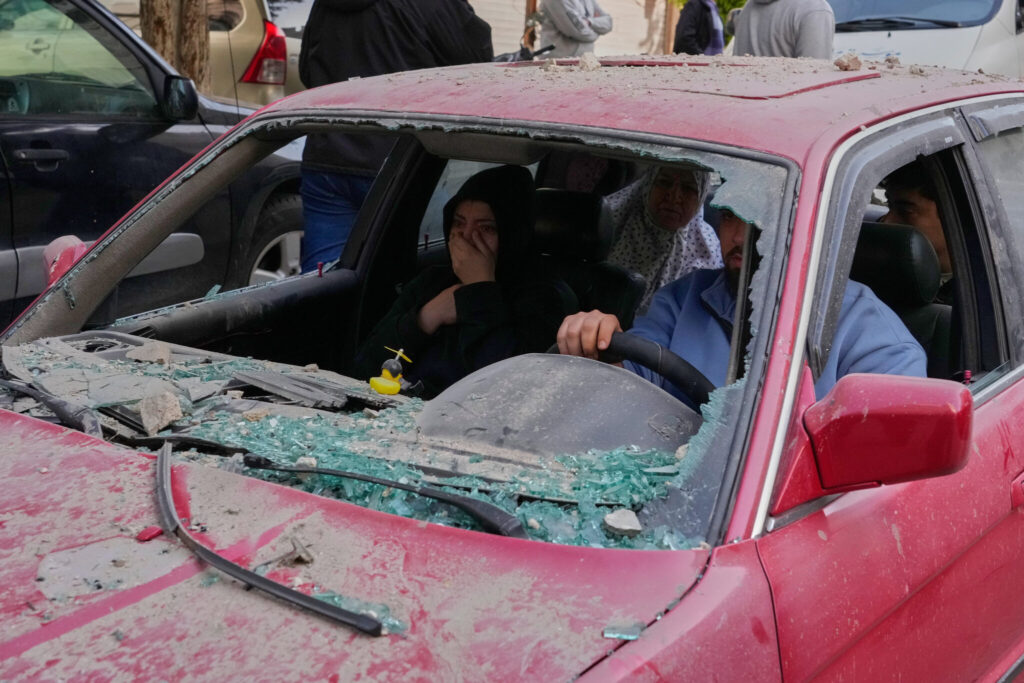
The war has already caused significant casualties across the Middle East.
Lebanon’s Health Ministry reported that 773 people have been killed in Israeli strikes targeting Hezbollah positions, including more than 100 children.
Nearly 850,000 people have been displaced in Lebanon as the fighting intensifies.
Iranian authorities say more than 1,300 people have been killed inside Iran since the war began.
Israel has reported 12 deaths, while the United States has lost at least 13 service members, including six airmen killed when a KC-135 refueling aircraft crashed in Iraq.
Hezbollah Fighting Intensifies
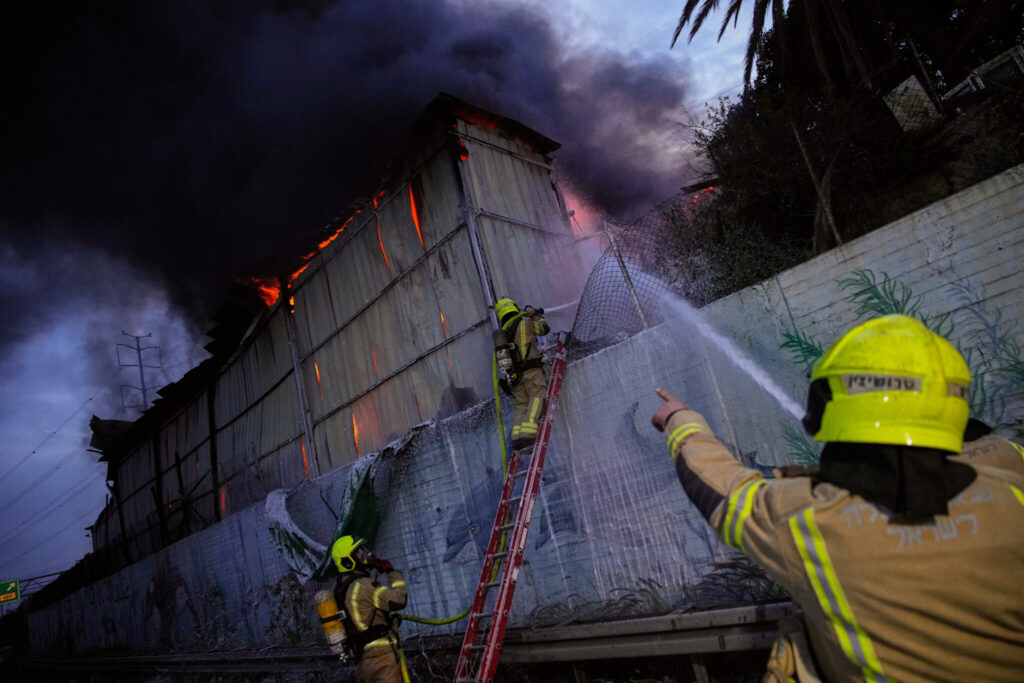
Fighting between Israel and Hezbollah, the Iranian-backed militant group in Lebanon, is also escalating.
Israeli strikes have hit multiple locations across southern Lebanon, including roads, bridges and paramedic facilities.
In one attack, a strike on a health center killed 12 medical workers, including doctors, nurses and paramedics.
Hezbollah’s leader has vowed the group will continue fighting “until the end.”
Gaza Conflict Overshadowed
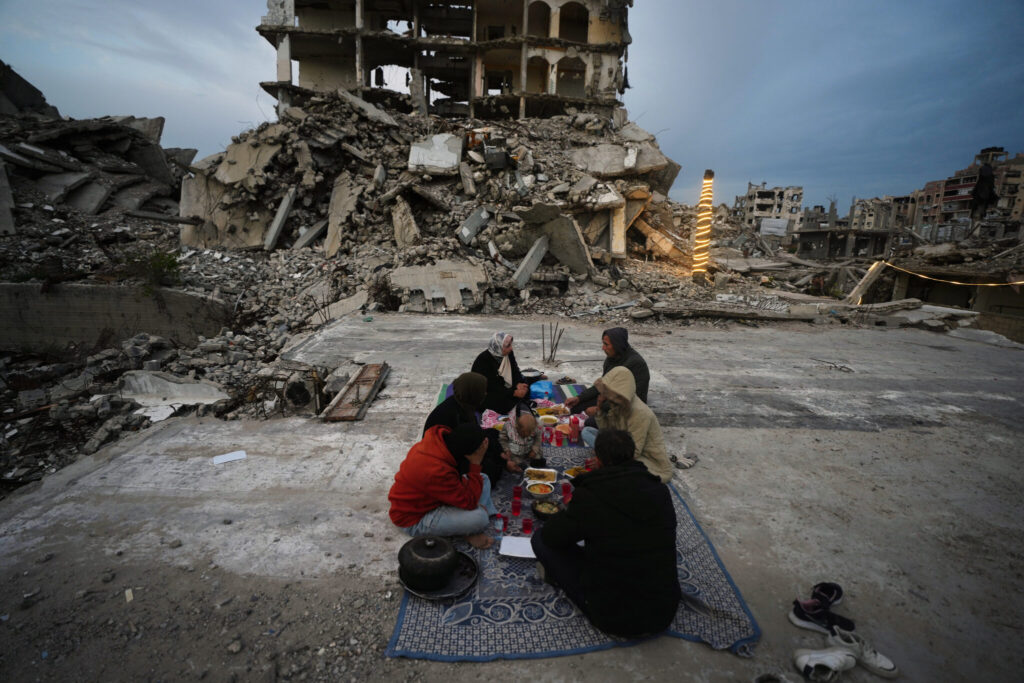
The escalating Iran war has also shifted international attention away from the ongoing conflict in Gaza, where a fragile ceasefire has been in place since October.
Much of Gaza remains devastated after two years of war between Israel and the militant group Hamas.
Many Palestinians fear their humanitarian crisis is being overlooked as global focus turns toward the wider regional war.
Political And Strategic Questions
The conflict has also sparked debate in Washington about how long the war could continue and what its ultimate goals might be.
President Donald Trump has suggested the war could end soon but has provided few specifics about a timeline.
In a recent interview, he said the conflict would end “when I feel it in my bones.”
Trump has also urged Iranian citizens to challenge their government but acknowledged that overthrowing the country’s leadership would be extremely difficult given the presence of heavily armed security forces.
Global Implications
The widening conflict threatens to reshape geopolitics across the Middle East.
Regional governments fear the war could spread further as Iranian-backed militias operate in Iraq, Lebanon, Syria and Yemen.
Energy markets, global shipping routes and diplomatic alliances are all under increasing strain as the war enters a new and potentially more dangerous phase.






You must Register or Login to post a comment.