

US, Israel, Iran Agree to Ceasefire as Attacks Resume/ Newslooks/ WASHINGTON/ J. Mansour/ Morning Edition/ The U.S., Israel and Iran agreed to a two-week ceasefire. Missile strikes and drone attacks resumed hours later. Unclear terms and rising tensions threaten the fragile truce.
Iran Ceasefire Quick Looks
- US, Iran, Israel agree to ceasefire
- Attacks resume shortly after agreement
- Strait of Hormuz fees proposed by Iran
- JD Vance calls truce fragile
- UAE, Kuwait report missile and drone attacks
- Oil refinery hit on Iran’s Lavan Island
- Israel continues fighting Hezbollah in Lebanon
- Nuclear program terms remain unclear
- Oil prices fall after ceasefire news
- Regional casualties continue rising
Deep Look: Fragile Iran Ceasefire Faces Immediate Strain After New Attacks
TEHRAN — A two-week ceasefire between Iran, the United States and Israel was thrown into uncertainty Wednesday after new missile and drone attacks were reported across the Middle East, just hours after the agreement was announced.
The last-minute deal allowed President Donald Trump to step back from threats to dramatically expand strikes across Iran, including attacks targeting bridges, power plants and other infrastructure. However, conflicting interpretations of the agreement and renewed military activity quickly raised doubts about its durability.
U.S. Vice President JD Vance described the arrangement as a “fragile truce,” a characterization that appeared accurate as tensions resurfaced almost immediately.
Attacks Resume Across Region
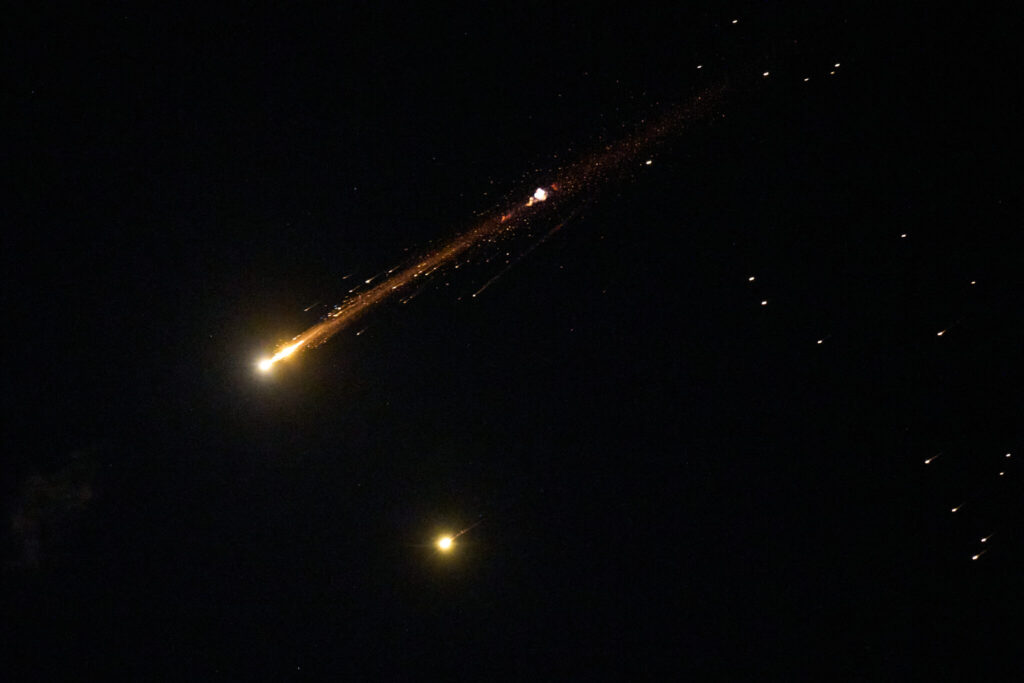
Shortly after the ceasefire announcement, several countries reported incoming attacks:
- The United Arab Emirates reported an Iranian missile barrage
- Kuwait’s military said it responded to drone attacks
- Iran reported an oil refinery fire on Lavan Island
- Missile alerts sounded in Saudi Arabia, Bahrain and Israel
Officials in Abu Dhabi said a gas processing facility caught fire following incoming Iranian strikes. Meanwhile, Iranian state media reported that an oil refinery on Lavan Island was struck, though no casualties were reported.
The rapid return to violence underscored the uncertainty surrounding the ceasefire.
Confusion Over Ceasefire Terms
Much of the agreement remained unclear as all sides presented different interpretations of the deal.
Iran indicated the ceasefire would allow it to formalize new fees for ships passing through the Strait of Hormuz — a move that could significantly alter global shipping norms.
A regional official involved in negotiations said Iran and Oman could collect fees from vessels passing through the strait, with Iran planning to use the revenue for reconstruction.
However, Gulf Arab states have not agreed to the proposal, and concerns remain about whether ships will feel safe using the critical shipping lane.
Trump suggested U.S. warships would remain near the Strait of Hormuz, creating another potential flashpoint.
Lebanon Fighting Continues
Pakistan, which helped mediate the ceasefire, indicated that fighting in Lebanon would also pause. However, Israel rejected that interpretation.
Israeli Prime Minister Benjamin Netanyahu said operations against Hezbollah militants in Lebanon would continue, and Israeli forces confirmed ground operations remained underway.
This disagreement further complicated efforts to establish a comprehensive ceasefire.
Iran Nuclear Program Still Unresolved
The fate of Iran’s nuclear and missile programs — key objectives of U.S. and Israeli military operations — also remained unresolved.
Iran appears to retain the ability to restart its nuclear program. Reports indicate Iran still possesses enriched uranium near weapons-grade levels.
Iranian documents describing the ceasefire also differed between languages. A Farsi version referenced “acceptance of enrichment,” while English versions omitted that phrase.
A senior Israeli official said the United States committed to pushing for removal of nuclear material and dismantling Iran’s missile program during future negotiations.
Iran Demonstrations After Ceasefire
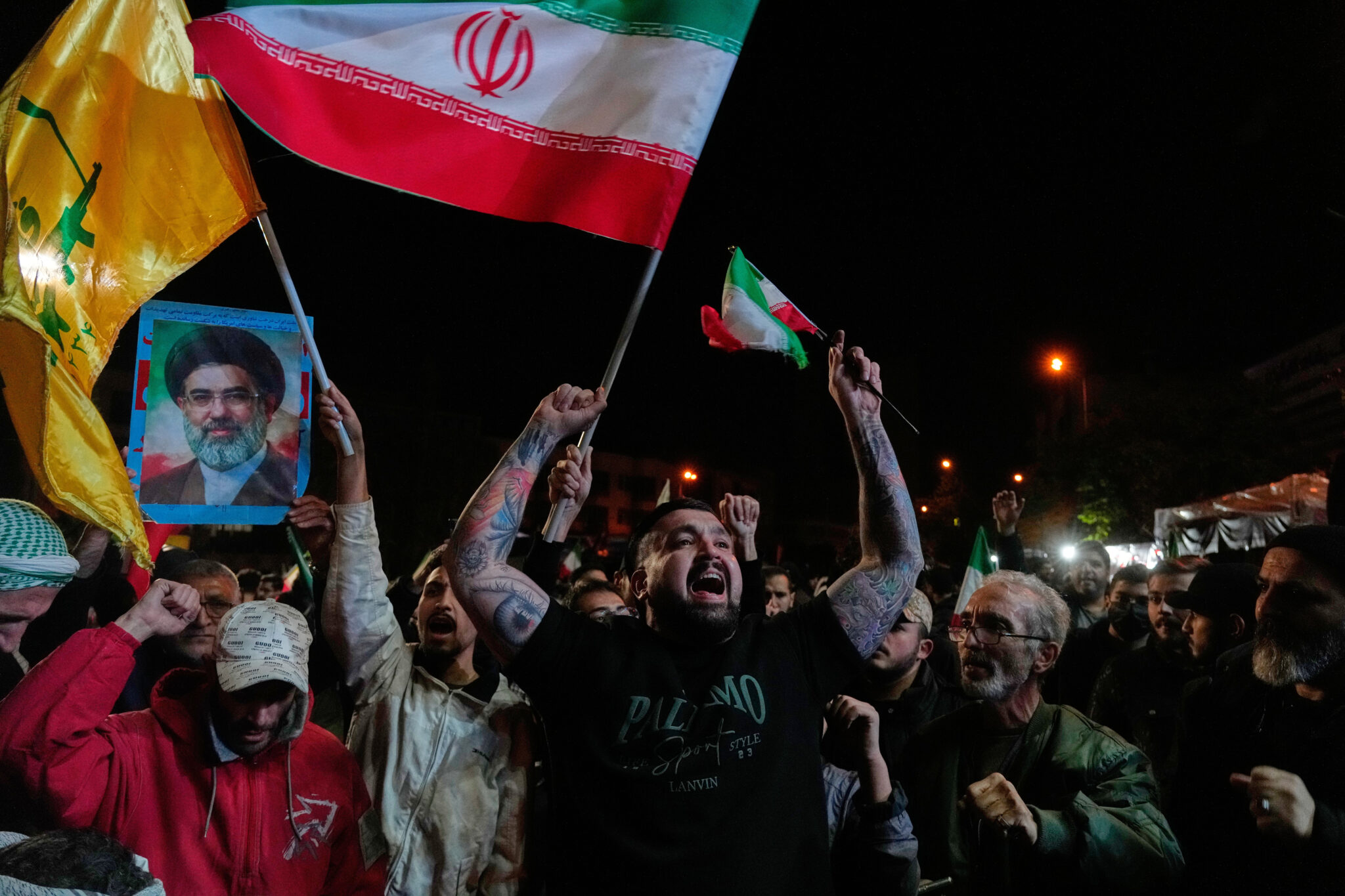
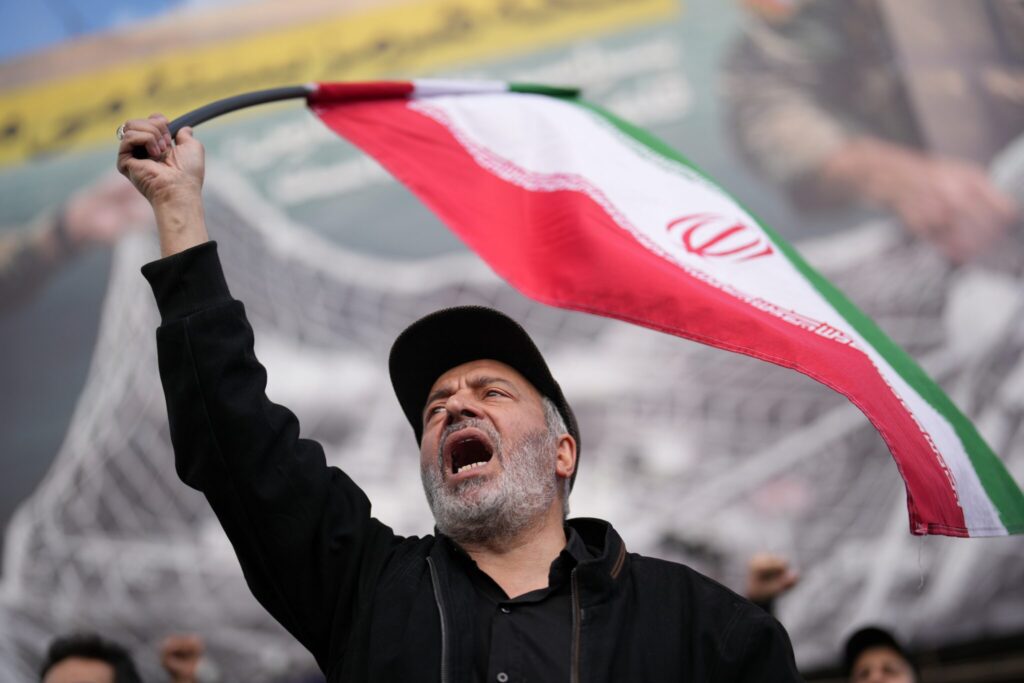
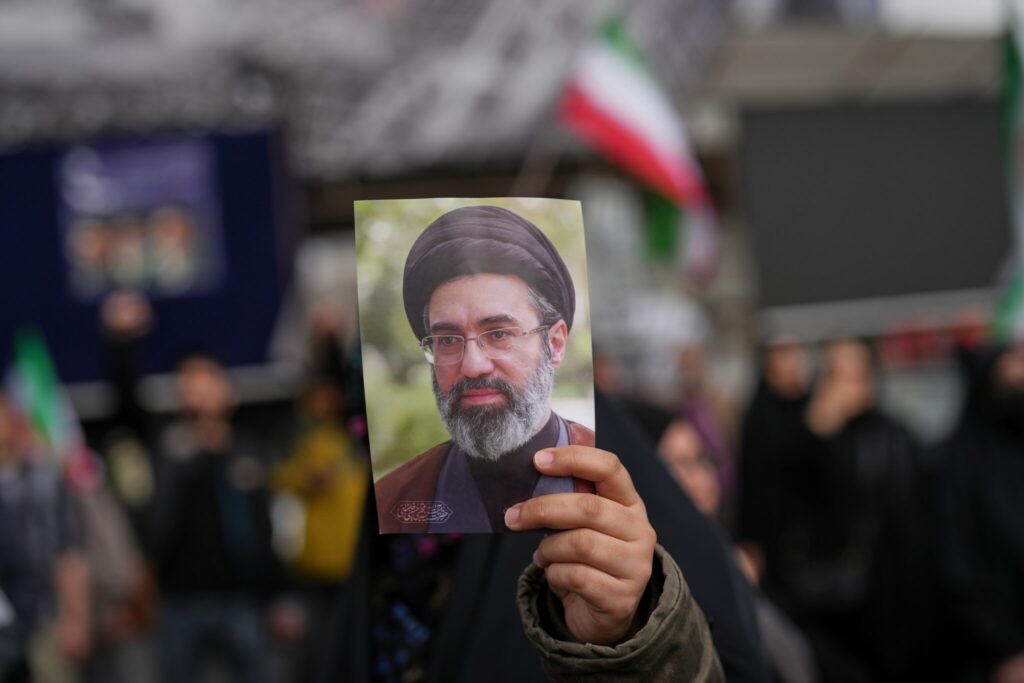
In Tehran, pro-government demonstrators gathered after the ceasefire announcement, chanting anti-U.S. and anti-Israel slogans.
Crowds burned American and Israeli flags, reflecting anger among hard-line factions who had anticipated prolonged conflict.
Despite the demonstrations, financial markets reacted positively. Oil prices dropped and global stocks rose following the ceasefire announcement.
Heavy Casualties Continue
The conflict has already caused widespread casualties:
- More than 1,900 killed in Iran
- More than 1,500 killed in Lebanon
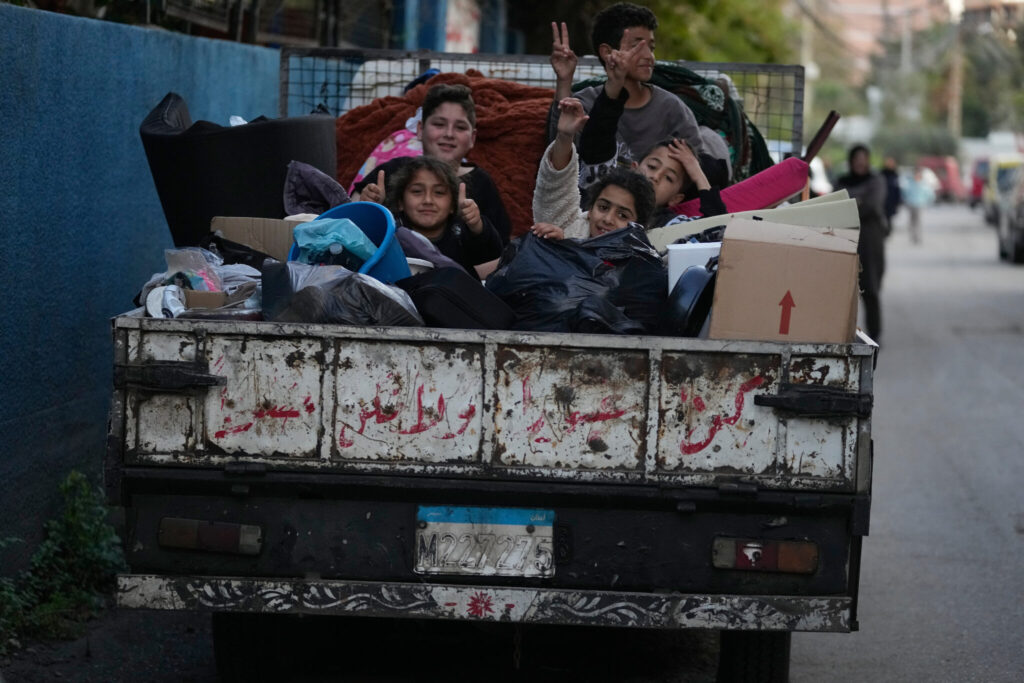
- Over 1 million displaced in Lebanon
- 23 killed in Israel
- 13 U.S. service members killed
- Dozens killed in Gulf Arab states and West Bank
These figures highlight the scale of the conflict even as ceasefire negotiations continue.
Diplomatic Talks Continue
Pakistan said negotiations for a permanent settlement could begin in Islamabad within days. Iran has demanded:
- Withdrawal of U.S. forces
- Lifting of sanctions
- Release of frozen Iranian assets
These demands are likely to face resistance from the United States and its allies.
Fragile Pause Ahead
While the ceasefire offers a potential path to de-escalation, renewed attacks and unclear terms suggest the truce remains highly fragile.
With military forces still positioned across the region and tensions high, the next two weeks could determine whether diplomacy succeeds or conflict intensifies.





You must Register or Login to post a comment.