

US, Israel Launch Major Attack on Iran, Trump Urges Iranians to ‘Take over your Government’/ Newslooks/ WASHINGTON/ J. Mansour/ Morning Edition/ The United States and Israel launched coordinated strikes across Iran, targeting military and government sites. President Donald Trump urged Iranians to “take over your government” as retaliation began. Iran responded with missile and drone attacks on Israel and U.S. positions in the region.
Quick Look: Middle East Escalation
- Coordinated U.S.-Israel strikes across Iran.
- Trump calls on Iranians to overthrow leadership.
- Targets included military and intelligence sites.
- Reported casualties, including 40 killed in southern Iran.
- Iran retaliates with missiles and drones.
- U.S. bases in Bahrain, Kuwait and Qatar targeted.
- Airspace closed in parts of the Gulf region.
- Global oil markets face potential disruption.
Deep Look: US, Israel Launch Major Attack on Iran, Trump Urges Iranians to ‘Take over your Government’
DUBAI, United Arab Emirates — The United States and Israel launched a sweeping military campaign against Iran on Saturday, striking targets across the country in what President Donald Trump described as “major combat operations.”
In a televised address, Trump urged the Iranian public to rise against the Islamic leadership that has governed the country since 1979.
“When we are finished, take over your government,” Trump said. “It will be yours to take. This will be probably your only chance for generations.”
Israeli Prime Minister Benjamin Netanyahu echoed that message, saying the joint operation would create conditions for Iranians “to take their fate into their own hands.”
Strikes Across Iran
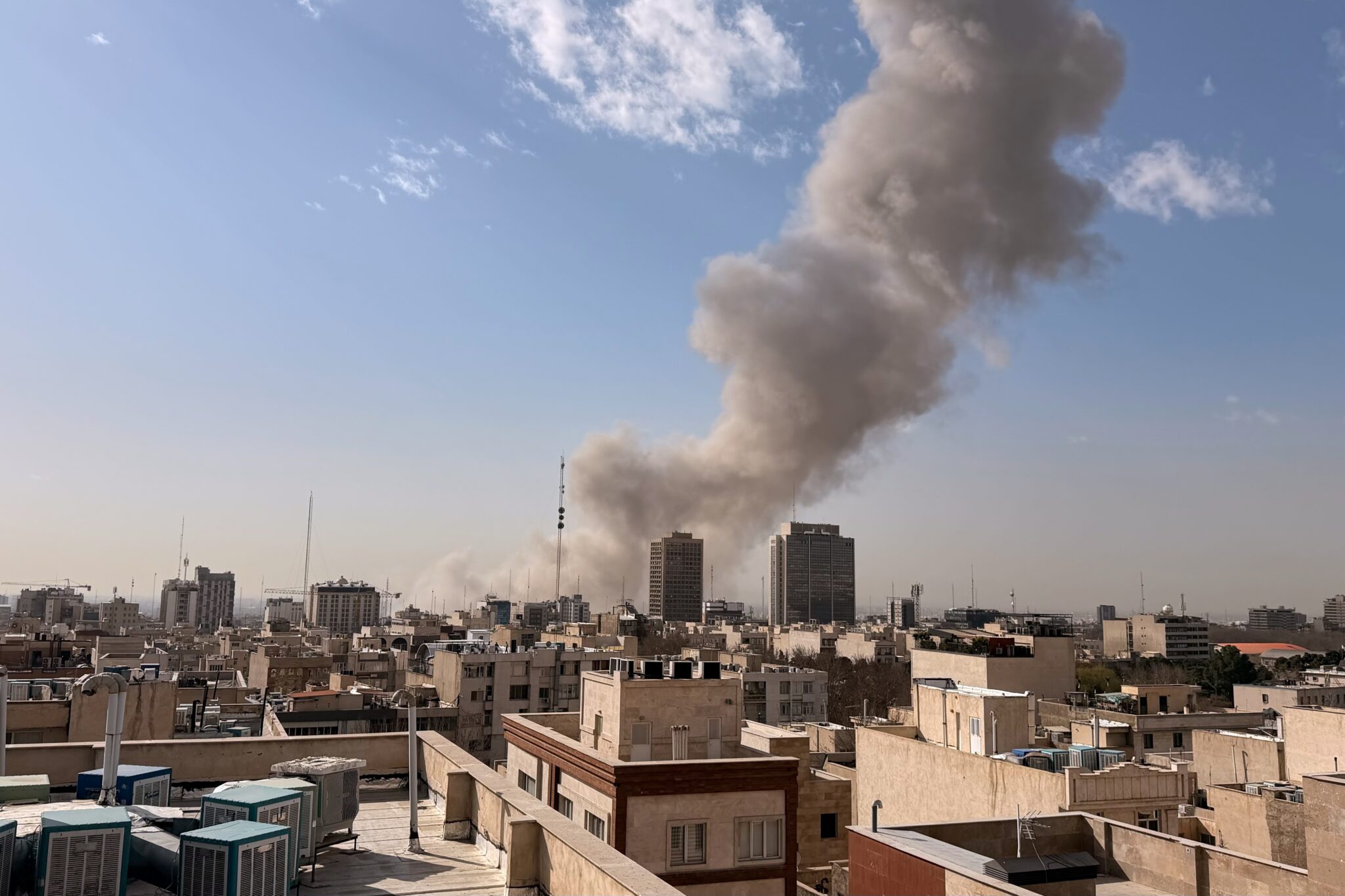
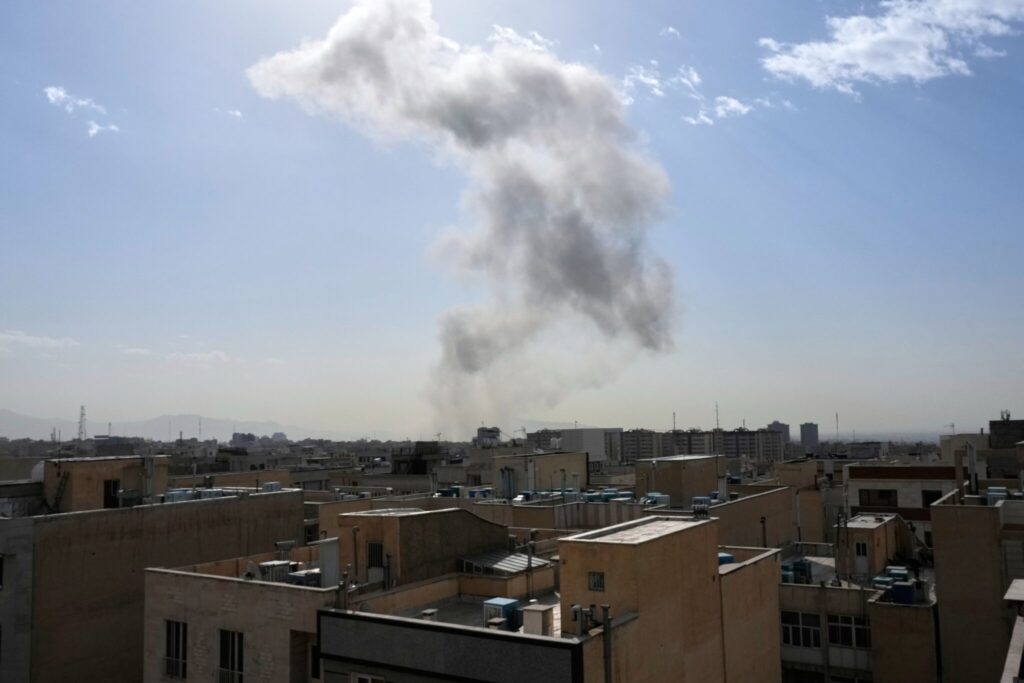
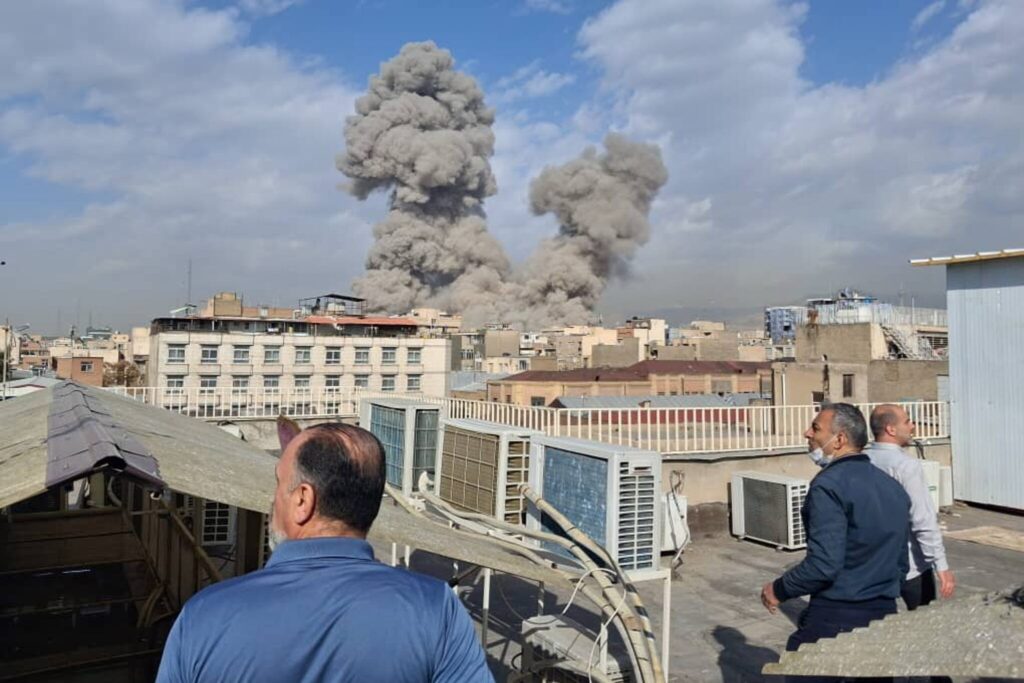
Explosions were reported in Tehran and other cities as smoke rose over parts of the capital. Some of the first blasts appeared to strike areas near the offices of Supreme Leader Ayatollah Ali Khamenei. It was not immediately clear whether the 86-year-old leader was present at the time.
Iranian state media reported strikes nationwide. Authorities closed roads leading to Khamenei’s compound as additional explosions shook the capital.
According to Iran’s state-run IRNA news agency, 40 people were killed at a girls’ school in Minab, in Hormozgan province, and at least 45 others were wounded. The White House did not immediately respond to requests for comment regarding the reported strike on the school.
Officials briefed on the operation said targets included Iranian military installations, intelligence sites and other symbols of government authority.
Trump Expands War Aims
Trump justified the assault by claiming Iran continued to pursue nuclear development and missile capabilities capable of threatening the United States. He acknowledged the possibility of American casualties, saying such losses “often happen in war.”
Beyond nuclear concerns, Trump cited grievances stretching back to the 1979 Islamic Revolution. He pledged to “annihilate” Iran’s navy and dismantle Tehran’s regional proxy networks.
He also called on members of Iran’s Revolutionary Guard to lay down their arms, promising immunity to those who comply and warning of “certain death” for those who resist.
The operation marks the second time in eight months that the Trump administration has used military force against Iran.
Iran Retaliates
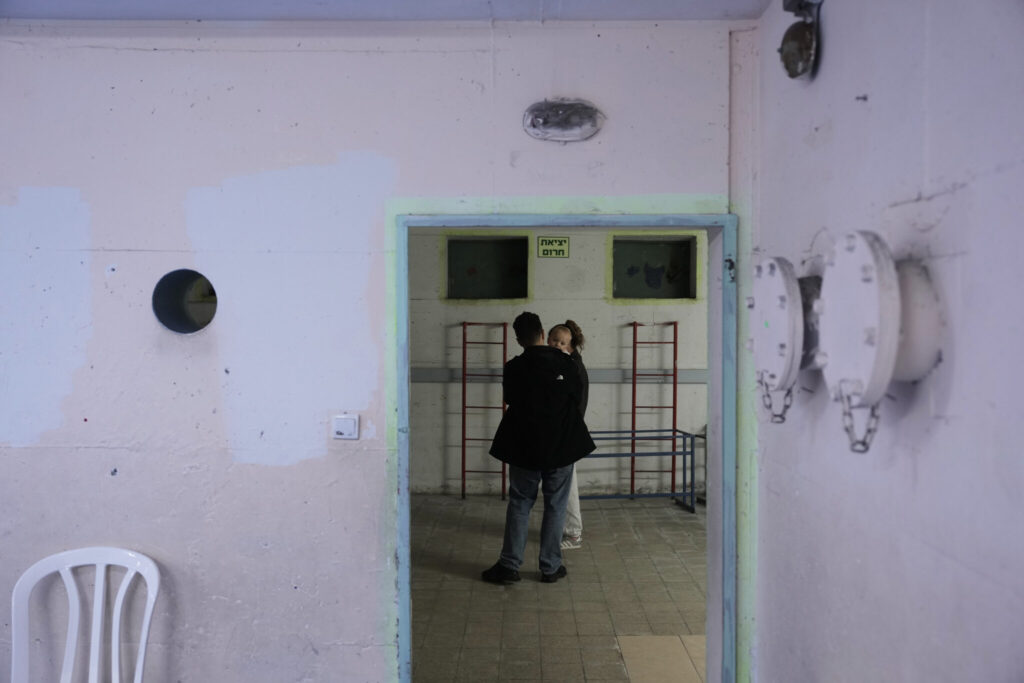
Iran responded swiftly. The Revolutionary Guard announced it launched a “first wave” of drones and missiles targeting Israel. Israeli authorities issued nationwide alerts as air defenses worked to intercept incoming projectiles.
Iran also targeted U.S. military positions in the Gulf. Bahrain reported a missile attack aimed at the U.S. Navy’s 5th Fleet headquarters. Explosions were heard in Kuwait and Qatar, which host major American military installations.
The United Arab Emirates and Iraq closed their airspace, and warning sirens sounded in Jordan.
Shrapnel from an Iranian missile reportedly killed one person in the UAE, according to state media.
In Iraq, a drone strike hit a headquarters of the Iran-backed Kataib Hezbollah militia, killing two people and wounding three. Israeli officials said they were not aware of carrying out that strike.
Meanwhile, Yemen’s Iran-aligned Houthi rebels signaled they would resume attacks on Red Sea shipping routes and on Israel.
Diplomatic Fallout and Global Risks
The strikes come amid weeks of rising tensions, as U.S. warships and aircraft massed in the Middle East and negotiations over Iran’s nuclear program faltered.
Iran has long insisted it has the right to enrich uranium and has resisted demands to curb its missile program or regional alliances. Tehran has also limited access for international nuclear inspectors to sites damaged in previous conflicts.
The escalation carries major economic implications. Analysts warn that if Iran disrupts traffic through the Strait of Hormuz — a vital chokepoint through which roughly a third of global seaborne oil exports pass — global energy markets could face severe shocks.
U.S. embassies in Qatar, the UAE and Israel instructed staff to shelter in place and advised American citizens to do the same.
The unfolding confrontation signals a dramatic widening of hostilities in the Middle East, raising fears of a broader regional war with unpredictable consequences.


You must Register or Login to post a comment.