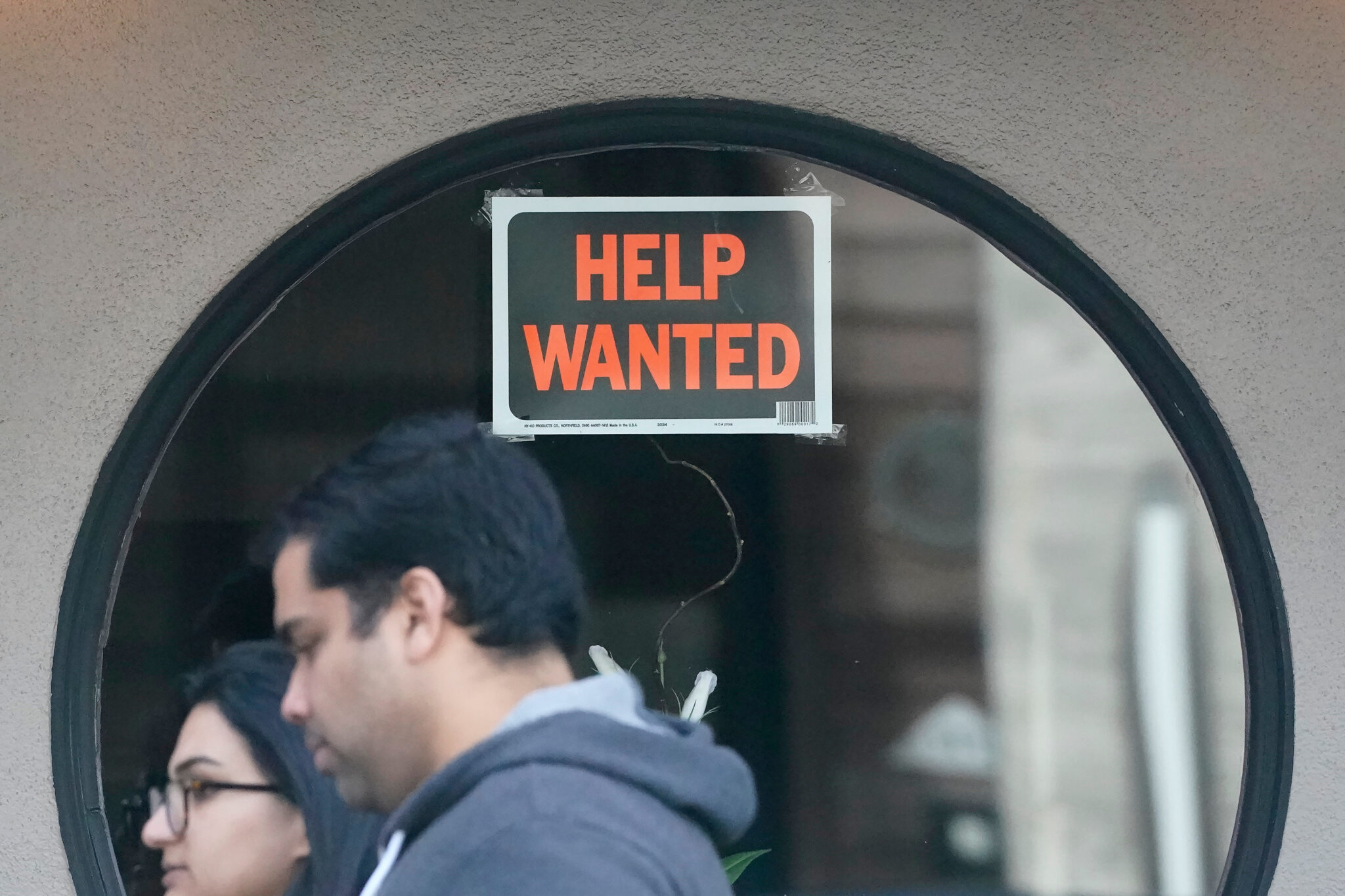
US Job Openings Drop Near Five-Year Low as Hiring Slows/ Newslooks/ WASHINGTON/ J. Mansour/ Morning Edition/ U.S. job openings fell to one of their lowest levels in five years in November, signaling continued weakness in hiring. While employers are posting fewer jobs, layoffs remain low, showing companies are holding onto workers. The data highlights a persistent low-hire, low-fire labor market.
Job Openings Decline Quick Looks
- Job openings fell to 7.1 million in November
- Openings declined from 7.4 million in October
- Level is second lowest in nearly five years
- Hiring remains sluggish despite modest economic growth
- Layoffs declined, signaling worker retention
- Labor market described as low-hire, low-fire
- Unemployed workers face tougher job searches
- Employers remain cautious about adding staff
- Data released after delays caused by government shutdown
- Report offers insight separate from monthly jobs report
US Job Openings Drop Near Five-Year Low as Hiring Slows
Deep Look
U.S. job openings declined sharply in November, falling to their second-lowest level in nearly five years, a sign that employers remain cautious about expanding their workforces even as economic growth shows signs of stabilizing. According to data released Wednesday by the Labor Department, employers posted 7.1 million open positions at the end of November, down from 7.4 million in October.
The decline suggests that businesses are still reluctant to ramp up hiring following months of economic uncertainty, elevated interest rates, and policy disruptions. While overall growth has picked up modestly, hiring activity has not followed suit, reinforcing concerns that the labor market is cooling more than previously expected.
At the same time, layoffs also fell in November, indicating that companies are holding onto their existing workers even as they slow recruitment. This combination of fewer job openings and limited layoffs reflects what economists often describe as a “low-hire, low-fire” labor market. In such an environment, employed workers enjoy relative job security, but unemployed individuals face increasing difficulty finding new positions.
The data comes from the Job Openings and Labor Turnover Survey, commonly known as JOLTS. The report provides detailed insight into hiring demand, quits, layoffs, and overall labor market dynamics. It is considered a critical supplement to the more widely followed monthly employment report, which includes payroll growth and the unemployment rate and is scheduled for release later this week.
Wednesday’s JOLTS figures were especially anticipated because the release of several key economic indicators was delayed last fall due to a federal government shutdown. That disruption postponed the publication of data related to hiring, inflation, and other labor market measures, leaving policymakers, investors, and economists with an incomplete picture of economic conditions heading into late 2025.
The November report reinforces the idea that the U.S. labor market is no longer overheated but is instead settling into a slower, more cautious phase. During the post-pandemic recovery, job openings surged to record highs as employers struggled to find workers. That imbalance has steadily eased over the past two years as higher borrowing costs, weaker consumer demand, and global economic uncertainty weighed on business expansion plans.
Despite the slowdown, the labor market has not shown signs of significant distress. Layoffs remain relatively low by historical standards, suggesting that most employers do not anticipate a sharp downturn and prefer to retain trained workers rather than risk future labor shortages. This dynamic has helped prevent a surge in unemployment, even as hiring cools.
However, the decline in job openings poses challenges for job seekers, particularly those who are unemployed or seeking to reenter the workforce. With fewer available positions, competition for jobs has intensified, and hiring timelines have lengthened. This is especially true in sectors that expanded aggressively in recent years and are now pulling back, including technology, professional services, and some areas of manufacturing.
The data also underscores a broader shift in employer behavior. Rather than expanding headcounts, many companies are focusing on improving productivity, controlling costs, and integrating automation and artificial intelligence into operations. These changes may reduce the need for new hires, even if economic activity remains steady.
Economists note that the persistence of a low-hire, low-fire environment complicates the outlook for monetary policy. On one hand, fewer job openings suggest easing labor demand, which could help slow wage growth and inflation. On the other hand, low layoffs mean household incomes remain relatively stable, supporting consumer spending and reducing the risk of a sharp economic contraction.
Federal Reserve officials closely monitor JOLTS data as part of their assessment of labor market tightness. A sustained decline in job openings could signal that restrictive monetary policy is having its intended effect, potentially influencing future interest rate decisions.
Looking ahead, attention will shift to the upcoming monthly employment report, which will provide a more comprehensive snapshot of job growth and unemployment. Economists expect payroll gains to remain modest, reflecting the same cautious hiring trends seen in the JOLTS data.
For now, the November figures suggest that the U.S. labor market is cooling gradually rather than collapsing. Workers who already have jobs continue to benefit from relative stability, while those seeking employment face a more challenging and competitive landscape. The balance between slowing demand for labor and continued worker retention will be a key factor shaping the economic outlook in early 2026.