


US Jobless Claims Rise to 219,000 Amid Economic Uncertainty/ Newslooks/ WASHINGTON/ J. Mansour/ Morning Edition/ U.S. unemployment claims rose to 219,000 last week. Despite the increase, layoffs remain within a stable range. Economic uncertainty persists amid oil volatility and inflation concerns.
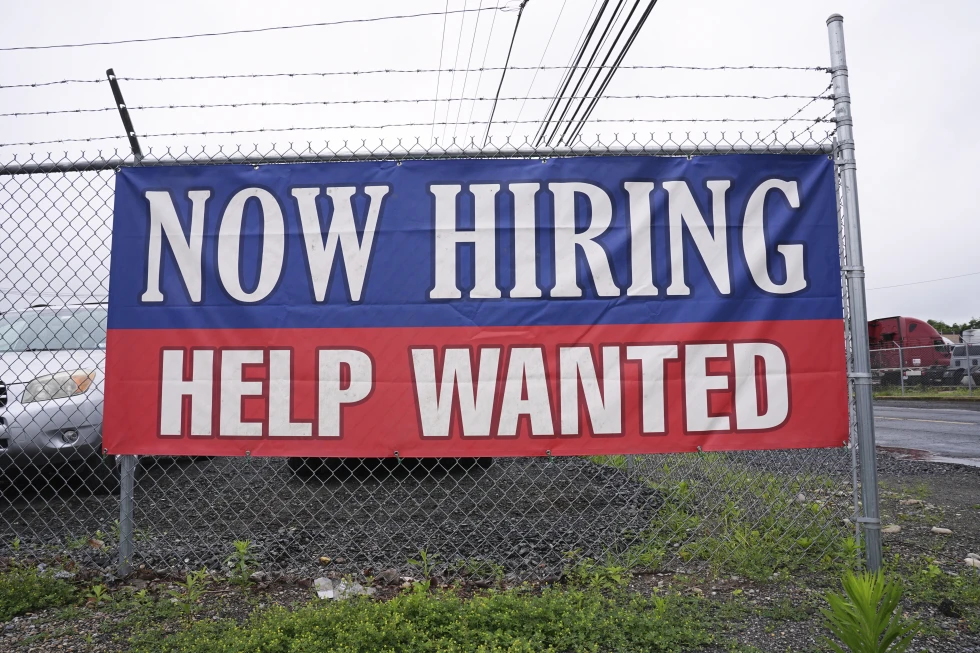
US Jobless Claims Quick Looks
- Jobless claims rise to 219,000
- Increase of 16,000 from previous week
- Labor market remains historically stable
- Oil price volatility impacts economy
- Inflation still above Federal Reserve target
- Major companies announce layoffs
- Hiring growth slows across industries
- Four-week average increases slightly
- Unemployment rate remains at 4.3%
- Economists describe “low-hire, low-fire” market
Deep Look: US Jobless Claims Rise But Labor Market Holds Steady
WASHINGTON — Applications for U.S. unemployment benefits rose last week but remained within a stable range, suggesting the labor market continues to show resilience despite economic uncertainty tied to global tensions and inflation concerns.
The Labor Department reported Thursday that jobless claims increased by 16,000 to 219,000 for the week ending April 4. Economists had expected roughly 210,000 claims, according to data firm FactSet. Despite the rise, the total remains within the typical range seen over the past several years.
Weekly jobless claims are considered one of the most timely indicators of layoffs and overall labor market health.
Global Tensions Impact Economic Outlook
The increase in claims came before a two-week ceasefire between the United States, Iran, and Israel, which briefly boosted market optimism.
Following the ceasefire announcement:
- Oil prices dropped to around $95 per barrel
- Prices climbed again near $100 amid uncertainty
- Financial markets retreated after earlier gains
Oil prices had surged to $112 per barrel during peak tensions, up from about $67 before the conflict began. Elevated energy costs continue to affect consumers and businesses.
Inflation Still a Concern
Higher energy prices come as inflation remains above the Federal Reserve’s 2% target.
The government is expected to release its March consumer price report Friday, which could influence interest rate decisions.
Earlier data also showed inflation remained elevated in February, even before the Iran conflict escalated.
The Federal Reserve raised interest rates three times late last year to combat inflation and protect the labor market. Officials have so far delayed rate cuts in 2026.
Job Market Shows Mixed Signals
The labor market continues to show both strength and strain.
Recent employment data showed:
- 178,000 jobs added in March
- Unemployment rate at 4.3%
- 92,000 job losses recorded in February
Additionally, payroll revisions trimmed 69,000 jobs from earlier months, suggesting slower growth than initially reported.
Major Companies Announce Layoffs
Several major companies recently announced job cuts, including:
- Oracle reportedly cutting thousands of jobs
- Walt Disney Co. preparing to eliminate 1,000 positions
- Morgan Stanley reducing staff
- Amazon cutting jobs
- UPS and Block announcing layoffs
These reductions reflect broader hiring slowdowns across industries.
Hiring Slows Across Economy
Economists note hiring has slowed over the past two years and continued to weaken in 2025.
Factors contributing to slower hiring include:
- High interest rates
- Tariff policy uncertainty
- Federal workforce reductions
- Global economic instability
Employers added fewer than 200,000 jobs last year, compared with about 1.5 million in 2024.
“Low-Hire, Low-Fire” Labor Market
Economists describe the current job market as “low-hire, low-fire.”
This means:
- Employers are cautious about hiring
- Layoffs remain relatively limited
- Workers who lose jobs face difficulty finding new ones
The unemployment rate remains historically low, but job mobility has declined.
Additional Labor Data
The Labor Department also reported:
- Four-week average of claims rose to 209,500
- Continuing claims dropped to 1.79 million
- Lowest continuing claims level in nearly two years
These figures suggest layoffs remain limited despite slower hiring.
Economic Outlook Remains Uncertain
The labor market remains stable but faces risks from:
- Inflation pressures
- Oil price volatility
- Global conflict uncertainty
- Interest rate policy
Economists say upcoming inflation and employment reports will be key indicators for the Federal Reserve’s next move.
For now, the labor market continues to hold steady, even as economic uncertainty persists.





You must Register or Login to post a comment.