US Military Conducts 30th Strike on Alleged Drug Boat/ Newslooks/ WASHINGTON/ J. Mansour/ Morning Edition/ The U.S. military carried out its 30th airstrike on a suspected drug-trafficking vessel in the eastern Pacific, killing two people. President Trump defended the action, framing it as part of an ongoing armed conflict against drug cartels and pressure on Venezuela’s Maduro. Lawmakers and critics have raised concerns over the legality and transparency of the escalating campaign.
US Drug War Strikes Quick Looks
- 30th U.S. military strike targets suspected drug-smuggling boat
- Strike kills two; video shows vessel hit by explosions
- Trump says attacks are part of a war on cartels
- Operations aimed at curbing narcotrafficking, pressuring Venezuela’s Maduro
- Lawmakers question legality and morality of continued boat strikes
- First September strike involved follow-up hit on survivors
Deep Look
US Carries Out 30th Strike on Alleged Drug Smuggling Vessel Amid Venezuela Tensions
WASHINGTON — The U.S. military confirmed Monday it conducted its 30th airstrike against a vessel allegedly involved in drug trafficking operations in the eastern Pacific Ocean, marking a deadly continuation of a controversial campaign that has left at least 107 people dead since September.
According to U.S. Southern Command, which announced the strike via social media, the targeted boat was “engaged in narco-trafficking operations.” Although no independent evidence was provided to support the claim, a video released with the announcement shows a small vessel moving across the water, followed by two explosive impacts that destroy the craft.
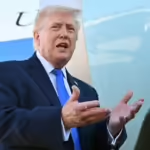
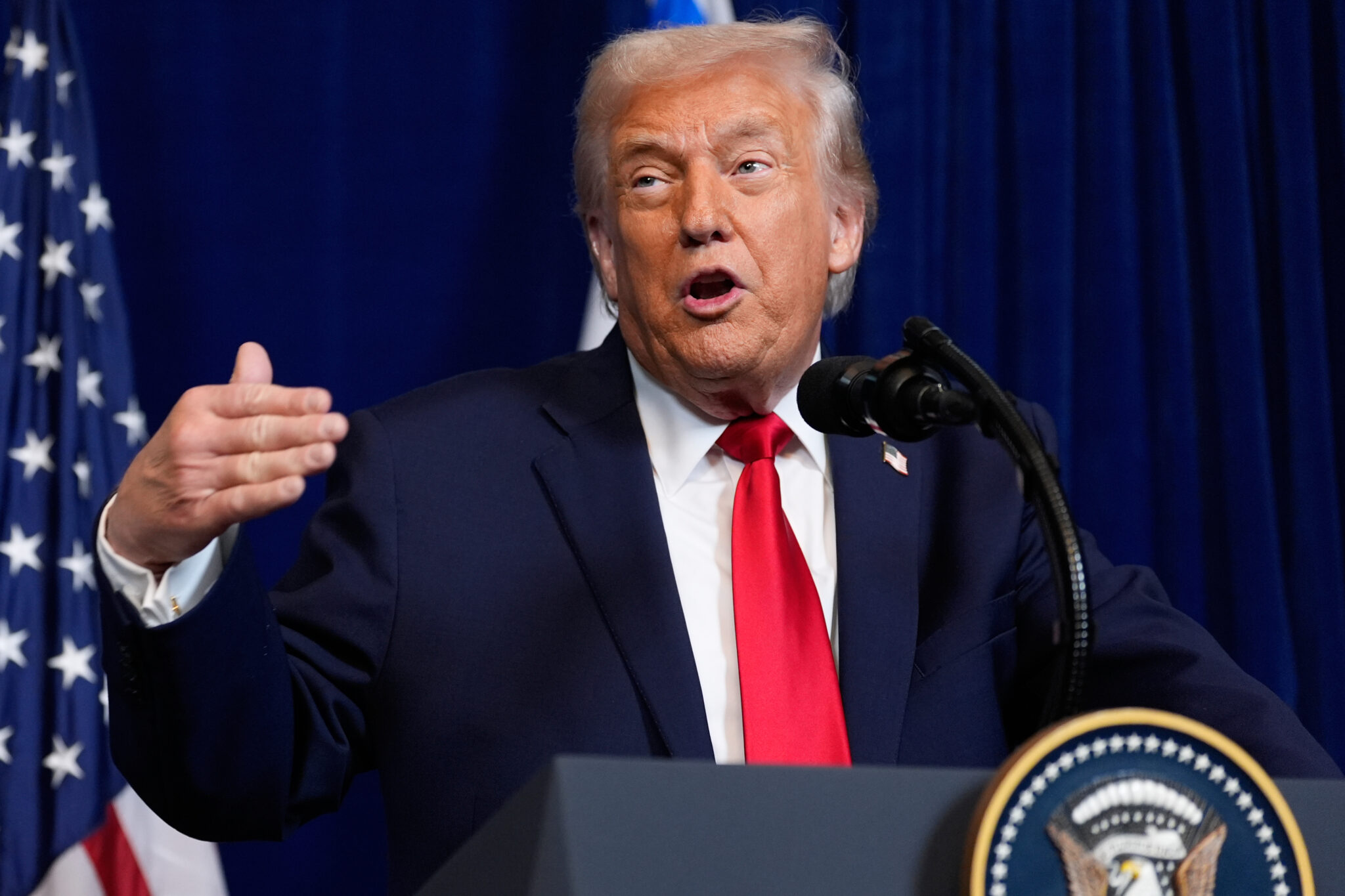
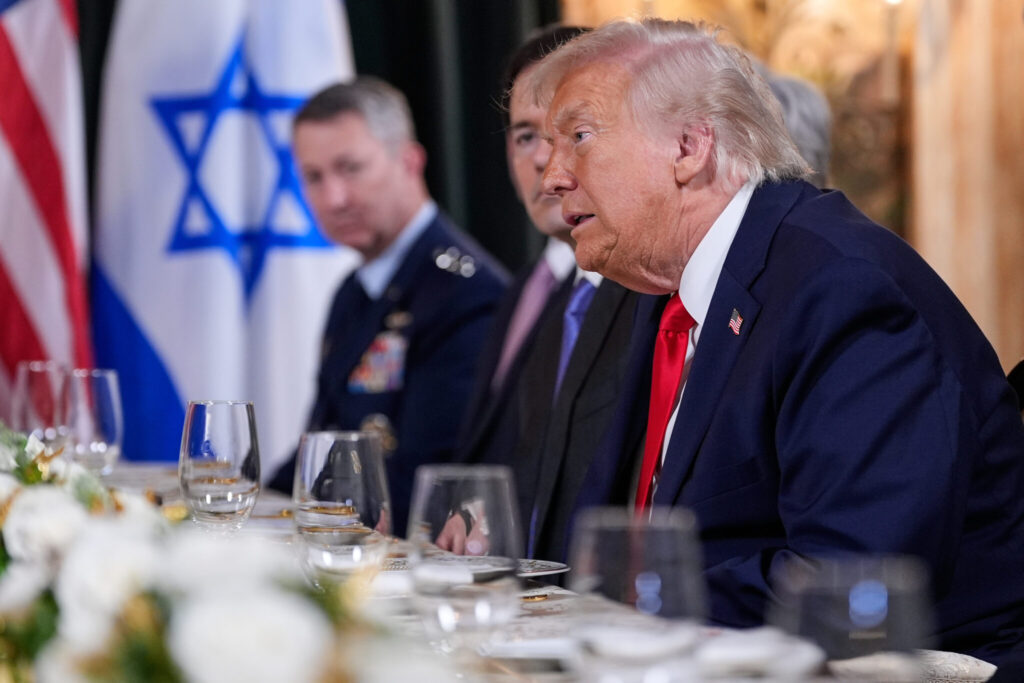
President Donald Trump has consistently defended the campaign, describing it as a military escalation necessary to prevent drugs from entering the United States. “We’re in an armed conflict with these drug cartels,” Trump reiterated Monday, just before a meeting with Israeli Prime Minister Benjamin Netanyahu in Florida.
The Trump administration has deployed military forces throughout the region, positioning the strikes as part of a broader strategy aimed at dismantling drug networks and pressuring Venezuelan President Nicolás Maduro, who remains under U.S. narcoterrorism charges. Though Trump stopped short of naming specific locations in Venezuela, he hinted at recent actions in the country.
“There was a major explosion in the dock area where they load the boats up with drugs,” Trump told reporters, referring to an alleged strike on a facility used by traffickers. No additional evidence or details about the dock incident were provided by the Pentagon or White House.
This latest development adds to a growing list of controversial actions by the Trump administration in its war against narco-trafficking. In December, the U.S. also seized two oil tankers off Venezuela’s coast and pursued a third vessel, citing sanctions violations. Following those actions, several sanctioned ships reportedly changed course to avoid U.S. interdiction.
Venezuelan President Nicolás Maduro has condemned the campaign, claiming it is a veiled effort to overthrow his government. Trump has previously floated the idea of launching land-based strikes in Venezuela or neighboring countries but has not elaborated on specific military plans.
The strike campaign has sparked backlash from some lawmakers, particularly after revelations that the initial strike in early September involved a second, deadly follow-up. That attack reportedly targeted two survivors who were found clinging to the wreckage of a destroyed boat — a move that raised ethical and legal concerns.
Despite criticism, the administration maintains that its approach is both justified and effective. Officials argue that by targeting logistics and transportation routes used by drug traffickers, they can disrupt the flow of narcotics before they reach U.S. shores. However, experts warn the campaign risks entangling the U.S. in prolonged conflicts and harming civilians caught in the crossfire.
Human rights groups and foreign policy analysts have also questioned the lack of transparency and due process surrounding the strikes. Few details are typically provided about the intelligence used to identify targets, and most of the operations occur without congressional oversight or public accountability.
Critics warn the strikes represent an expansion of executive power and military engagement without formal declarations of war or international coordination. Some Democrats in Congress are reportedly exploring legislative avenues to curtail the Pentagon’s authority to carry out such strikes unilaterally.
Nevertheless, Trump continues to portray the operations as a personal and political victory, tying them to his broader foreign policy agenda and efforts to reshape the U.S. role in Latin America. “This is a war we’re going to win,” Trump told reporters, signaling no plans to scale back the campaign.
As the death toll from these operations rises, pressure is mounting on both the Pentagon and the White House to provide clearer explanations, greater accountability, and proof of success beyond body counts and viral footage.