

US Military KC-135 Tanker Crash in Iraq Kills Six/ Newslooks/ WASHINGTON/ J. Mansour/ Morning Edition/ A U.S. military KC-135 refueling aircraft crashed in western Iraq, killing all six crew members on board. The crash occurred during operations linked to the ongoing conflict involving Iran, though officials say it was not caused by hostile fire. Investigators are examining what happened after another aircraft was reportedly involved in the incident but landed safely.
KC-135 Tanker Crash in Iraq Quick Looks
- Six U.S. service members died in a KC-135 refueling tanker crash in western Iraq.
- The aircraft supported U.S. operations related to the Iran conflict.
- U.S. Central Command confirmed the crash was not caused by hostile or friendly fire.
- Another aircraft reportedly involved landed safely.
- The KC-135 Stratotanker has served the U.S. military for more than 60 years.
- Aging tankers are gradually being replaced by the KC-46A Pegasus.
- The incident marks the fourth publicly acknowledged U.S. aircraft crash in the ongoing conflict.
Deep Look
KC-135 Tanker Crash in Iraq
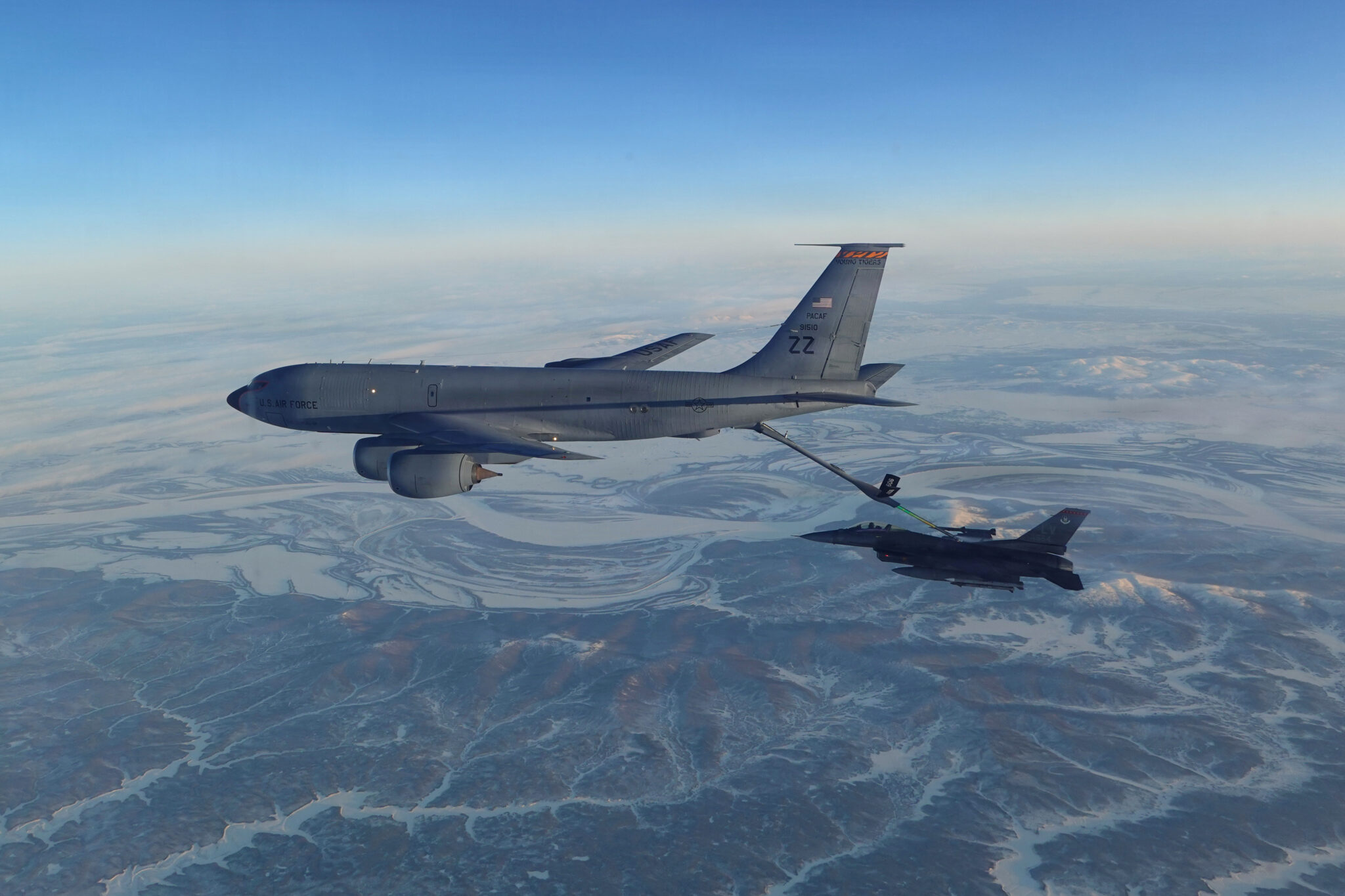
A U.S. military refueling aircraft crashed in western Iraq, killing all six crew members on board, according to officials overseeing American operations in the Middle East. The accident involved a KC-135 Stratotanker, a long-serving aircraft used to refuel military jets in midair, allowing them to conduct longer missions without returning to base.
The U.S. Central Command confirmed Friday that the crash occurred while the aircraft was supporting operations tied to the ongoing conflict involving Iran. Military officials said the incident followed an unspecified event involving two aircraft operating in what they described as “friendly airspace.”
While the KC-135 involved in the crash was destroyed, the second aircraft reportedly landed safely. Officials did not release further details about the nature of the interaction between the two planes as investigations continue.
Cause of Crash Under Investigation
Authorities said the cause of the crash remains unknown. U.S. Central Command emphasized that early information indicates the aircraft was not shot down by enemy forces and was also not destroyed by friendly fire.
A U.S. official familiar with the situation said the second aircraft involved was also a KC-135 tanker. The aircraft that landed safely reportedly returned to Israel.
Military analysts say it would be unusual for a refueling aircraft to come under direct attack. Aerial refueling typically takes place well behind active combat zones, where tankers support fighter jets, bombers and surveillance aircraft.
The accident occurred just days after another troubling series of aviation incidents linked to the same conflict. Last week, three U.S. F-15E fighter jets were mistakenly shot down by friendly Kuwaiti forces, highlighting the growing operational risks in the region.
The KC-135 Stratotanker’s Long Service History
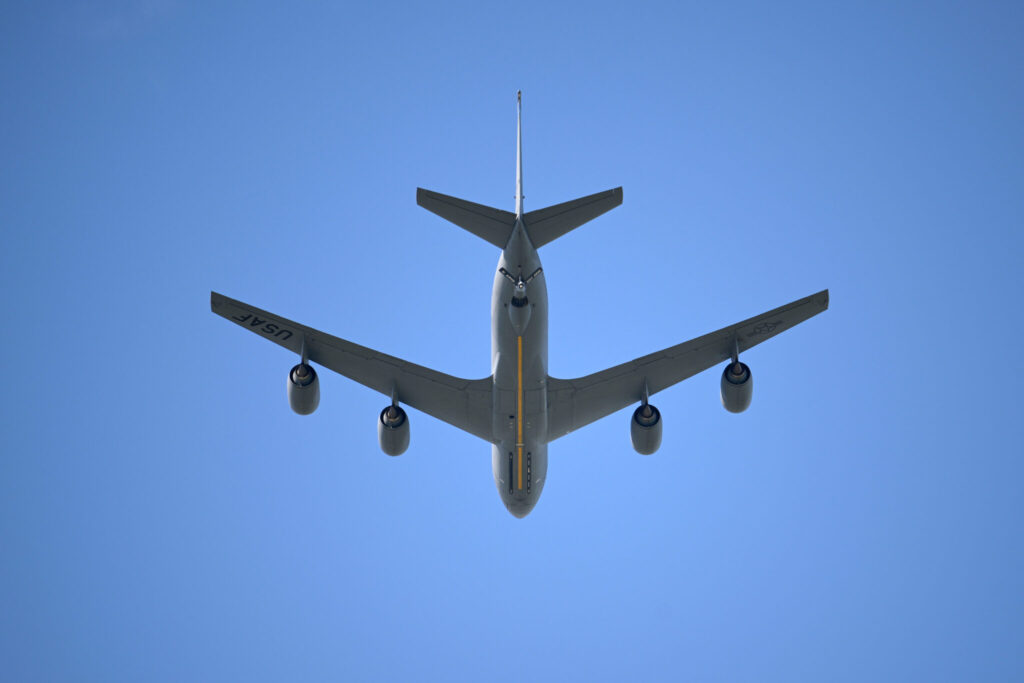
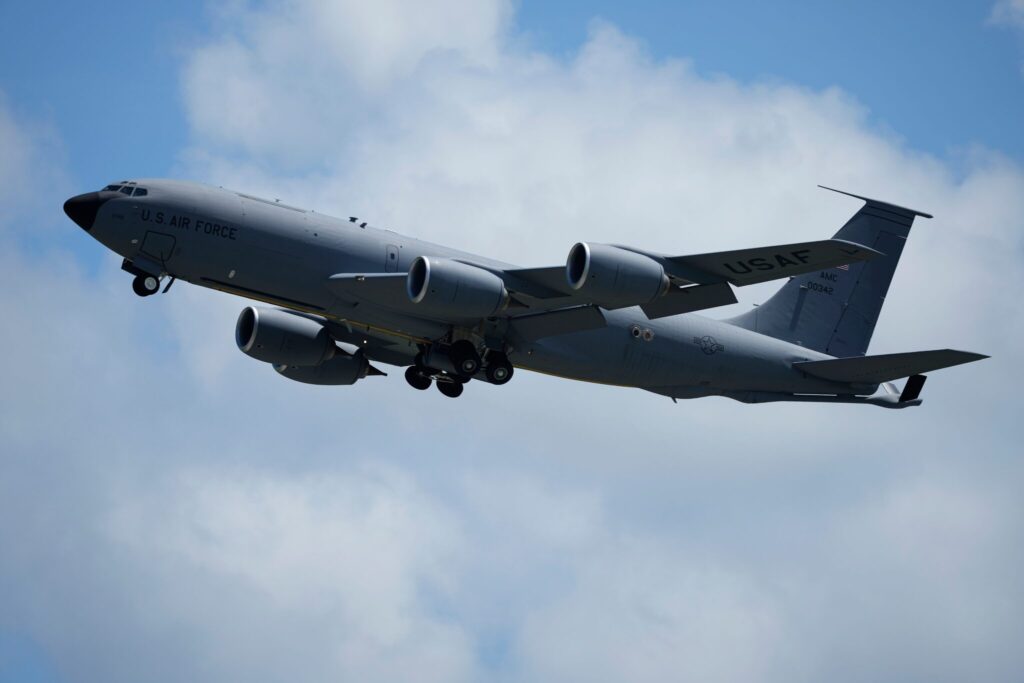
The KC-135 Stratotanker is one of the most recognizable aircraft in the U.S. Air Force fleet. Designed during the Cold War era and based on the commercial Boeing 707 airliner, the aircraft has played a critical role in American air operations for decades.
The tanker enables fighter jets and other military aircraft to remain airborne far longer than they otherwise could. By transferring fuel midflight through a specialized boom system, the KC-135 allows combat aircraft to travel greater distances and maintain extended operations.
In addition to refueling missions, the aircraft can also transport cargo and passengers or support aeromedical evacuation operations by carrying injured personnel along with medical staff.
A typical KC-135 crew consists of three members: a pilot, co-pilot and boom operator. The boom operator controls the refueling equipment from the rear of the aircraft. On many tankers, the operator lies face down while guiding the fuel boom into receiving aircraft.
Some versions of the KC-135 are also equipped with wing pods that allow them to refuel multiple aircraft simultaneously.
Concerns Over Aging Tanker Fleet
Despite numerous upgrades over the decades, the KC-135 fleet has long raised concerns among defense experts due to its age.
Most of the aircraft were built in the late 1950s and early 1960s. While modernization programs have extended their operational life, the Air Force has been working for years to replace them with the next-generation KC-46A Pegasus tanker.
However, the transition has moved more slowly than expected due to technical challenges and production delays.
According to the Congressional Research Service, the U.S. Air Force had 376 KC-135 aircraft in service last year. Of those, 151 were assigned to active-duty units, while the remainder were operated by the Air National Guard and Air Force Reserve.
Refueling Aircraft Key to Long-Distance Missions
Military analysts say aerial refueling tankers could become increasingly important if the conflict involving Iran continues or expands.
As Iranian forces move deeper into their own territory, American aircraft may be required to conduct longer missions that rely heavily on midair refueling to stay operational.
Experts note that tanker aircraft serve as a logistical backbone for airpower, enabling fighter jets and bombers to maintain pressure on enemy targets far from their home bases.
Past KC-135 Accidents
Although the KC-135 has a long operational history, it has also been involved in several major accidents.
One of the most recent fatal crashes occurred in 2013, when a KC-135R supporting operations in Afghanistan crashed shortly after taking off from a base in Kyrgyzstan. Investigators later determined the crew lost control after experiencing rudder problems. The aircraft broke apart in midair, killing all three crew members.
One of the most significant accidents involving the tanker happened in 1966 during a midair collision with a B-52 bomber over Spain. The bomber was carrying nuclear weapons at the time.
The collision caused the tanker to crash and led to the dispersal of nuclear material when conventional explosives inside the bombs detonated upon impact. The disaster triggered an extensive cleanup operation near the Spanish village of Palomares.
As investigators now examine the latest crash in Iraq, military officials are expected to review flight data and operational procedures to determine what caused the fatal accident and whether safety measures need to be strengthened.






You must Register or Login to post a comment.