US Military Launches Strikes in Syria Targeting ISIS after American Deaths/ Newslooks/ WASHINGTON/ J. Mansour/ Morning Edition/ The United States launched large-scale airstrikes in Syria targeting Islamic State fighters following an ambush that killed two U.S. troops and a civilian interpreter. President Donald Trump vowed severe retaliation and warned militants against future attacks on Americans. The operation marks one of the most extensive U.S. military actions in Syria in recent years.
U.S. Syria Strikes After ISIS Attack Quick Looks
- U.S. forces launched large-scale strikes across central Syria.
- Operation targeted Islamic State fighters and weapons infrastructure.
- More than 70 targets were hit using over 100 precision munitions.
- The strikes followed an ambush that killed two U.S. soldiers and a civilian interpreter.
- President Trump pledged “very serious retaliation” against ISIS.
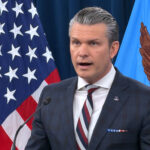
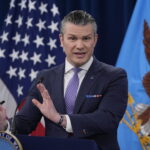
- Defense Secretary Pete Hegseth described the operation as “a declaration of vengeance.”
- F-15s, A-10s, Apache helicopters, F-16s, and HIMARS were used.
- Syrian officials said the strikes hit ISIS sites near Palmyra, Raqqa, and Deir ez-Zor.
- Syria said it supports the U.S. campaign against ISIS.
- More U.S. strikes are expected, officials said.
- The attack tested growing U.S.-Syria cooperation after Assad’s ouster.
- The ambush occurred during a joint U.S.-Syrian security meeting.
- The gunman was later killed by Syrian forces.
- The U.S. continues shifting military resources toward the Western Hemisphere.


Deep Look: U.S. Launches Large-Scale Syria Strikes After Deadly ISIS Ambush
WASHINGTON — The Trump administration launched a major military operation in Syria on Friday, striking dozens of Islamic State targets in retaliation for an ambush that killed two U.S. troops and an American civilian interpreter nearly a week earlier.
U.S. officials described the operation as “large-scale,” confirming that American forces struck roughly 70 targets across central Syria. The strikes focused on Islamic State weapons depots, logistical hubs, and operational infrastructure believed to be used by the group as it attempts to regroup in the region. Officials said the campaign is ongoing and additional strikes are expected.
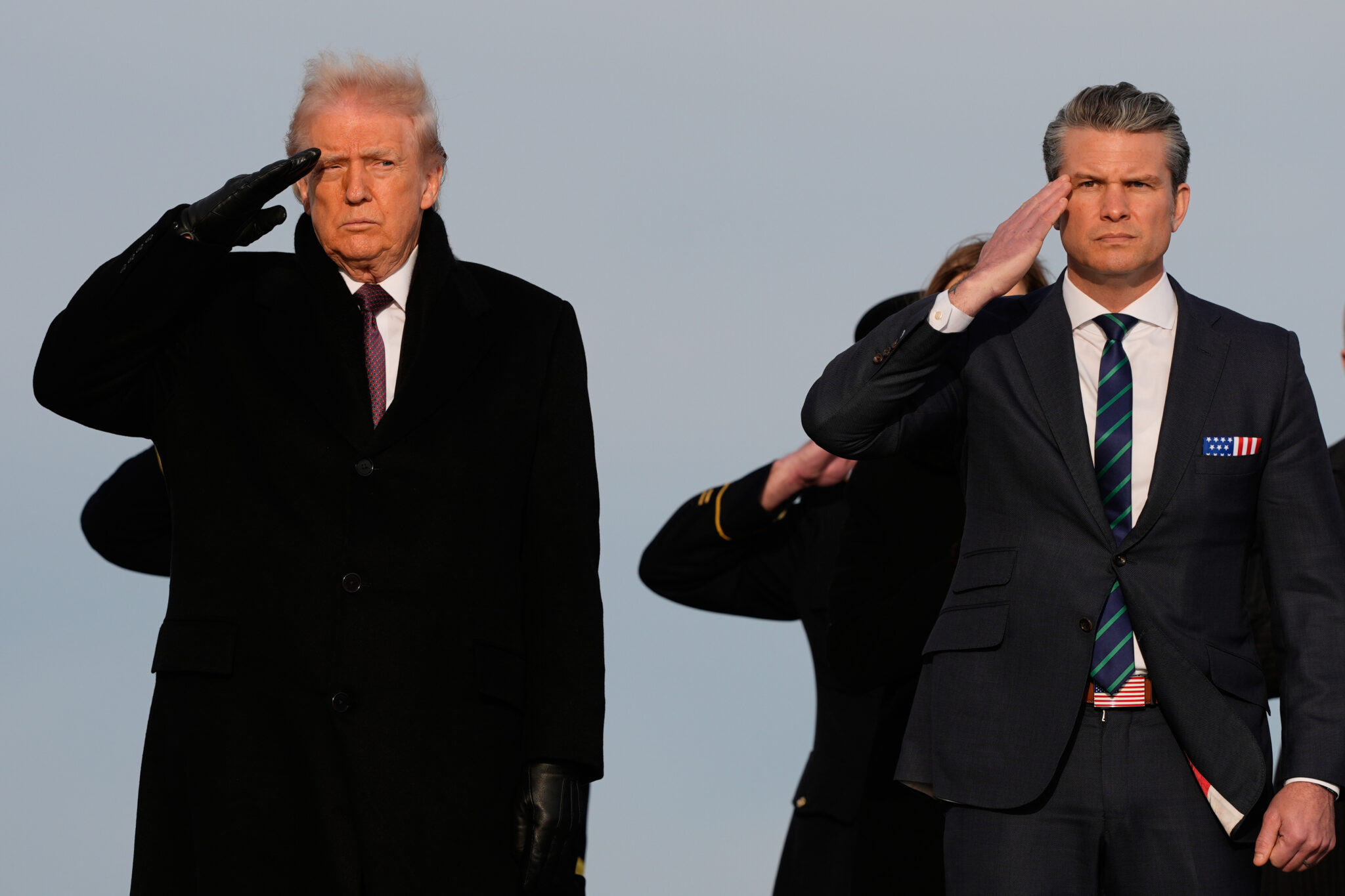
Defense Secretary Pete Hegseth framed the mission as a forceful response rather than the start of a prolonged conflict. In a public statement, he said the operation was “not the beginning of a war” but a decisive act meant to deter future attacks on American personnel.
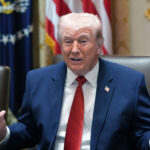
President Donald Trump echoed that message, calling the operation a “massive strike” during a speech in North Carolina. He said U.S. forces had targeted “ISIS thugs in Syria who were trying to regroup” and warned the group against further aggression.
“All terrorists who are evil enough to attack Americans are hereby warned,” Trump said in a statement. “You will be hit harder than you have ever been hit before.”
The strikes followed a deadly shooting in the Syrian desert near Palmyra, where two U.S. soldiers and a civilian interpreter were killed during a joint meeting between American and Syrian security personnel. The attack wounded three additional U.S. troops and several Syrian forces.
The U.S. military said the ambush was carried out by a gunman who had recently joined Syria’s internal security forces. According to Syrian officials, the assailant had been reassigned after concerns arose about possible ties to the Islamic State. He opened fire during a lunch meeting before being killed by Syrian guards.
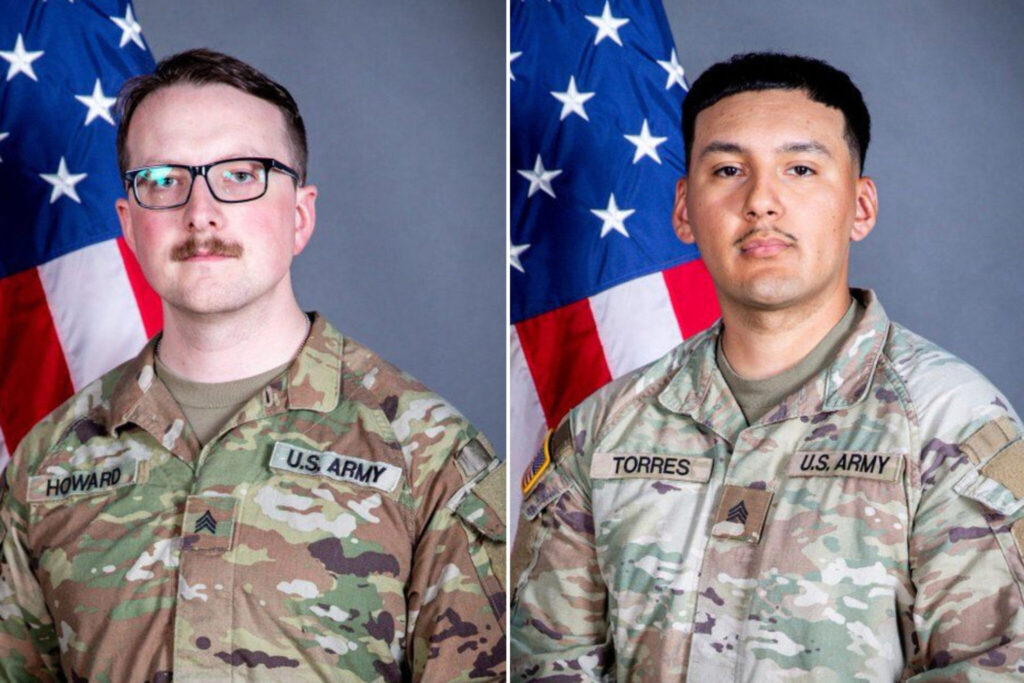
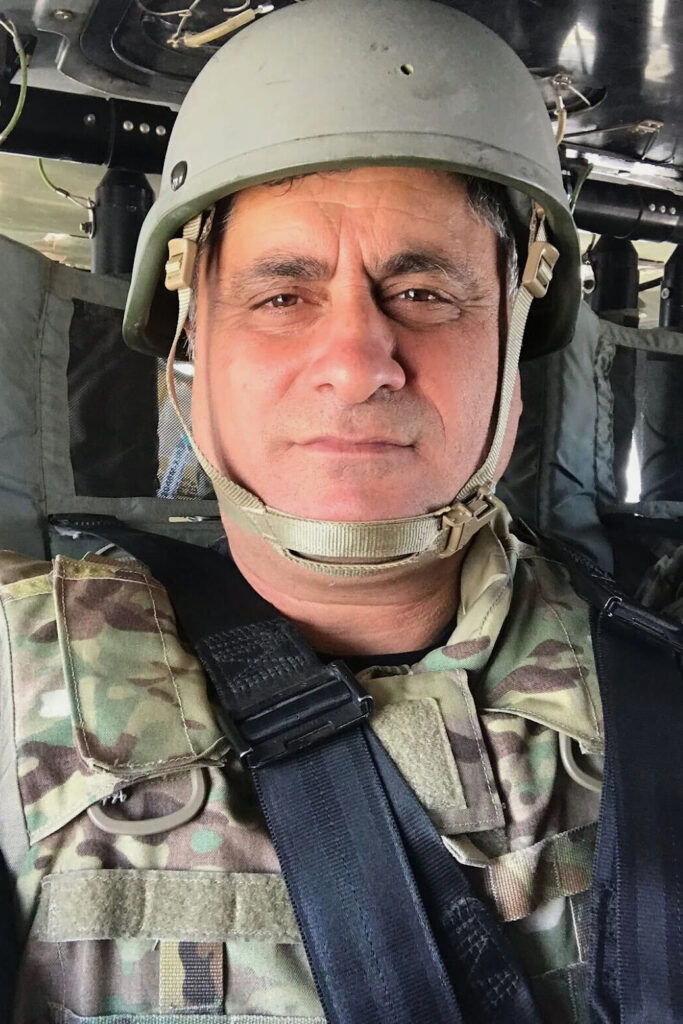
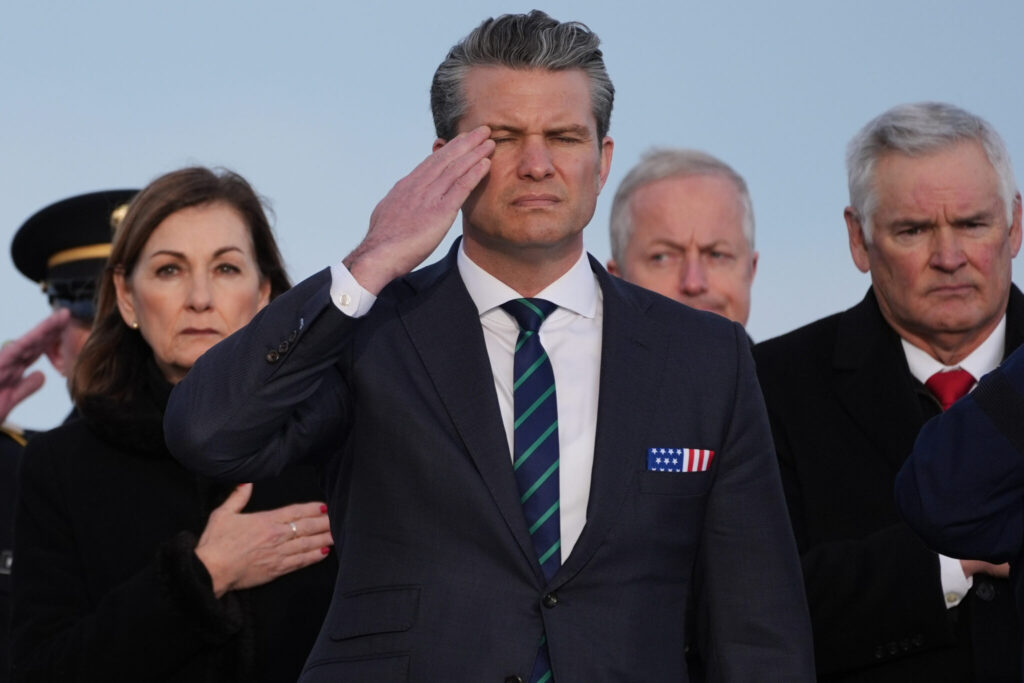
The Americans killed were identified as Sgt. Edgar Brian Torres-Tovar, 25, of Des Moines; Sgt. William Nathaniel Howard, 29, of Marshalltown; and Ayad Mansoor Sakat, a civilian interpreter from Macomb, Michigan. Trump met privately with the families at Dover Air Force Base before attending the dignified transfer ceremony.
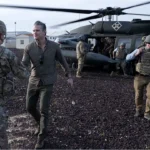
The retaliatory strikes involved a wide range of U.S. military assets. Officials said F-15 Eagle fighter jets, A-10 Thunderbolt ground-attack aircraft, and AH-64 Apache helicopters were deployed. Additional support came from F-16 fighters operating out of Jordan and HIMARS rocket artillery systems. U.S. Central Command confirmed that more than 100 precision-guided munitions were used.
Syrian state media reported explosions in rural areas of Deir ez-Zor and Raqqa provinces, as well as near the Jabal al-Amour region close to the historic city of Palmyra. Syrian officials said the strikes hit Islamic State weapons storage sites and command centers used to coordinate attacks.
Syria’s foreign ministry issued a statement emphasizing cooperation with the United States, saying the attack underscored the need for intensified international efforts to combat terrorism. The government reiterated its commitment to preventing Islamic State fighters from reestablishing safe havens.
The strikes come amid evolving relations between Washington and Damascus following the ouster of former Syrian leader Bashar Assad last year. Trump has emphasized that the current Syrian government is working alongside U.S. forces against extremist groups. He said Syrian President Ahmad al-Sharaa supported the American response and was angered by the attack on U.S. personnel.
Islamic State has not publicly claimed responsibility for the ambush but has taken credit for recent attacks on Syrian security forces, including one that killed four soldiers in Idlib province. The group has denounced Syria’s current leadership and continues to operate insurgent cells despite losing territorial control years ago.
The military action in Syria also highlights a broader tension in Trump’s foreign policy. While the administration has said it intends to focus resources closer to home — particularly in the Caribbean and Latin America — it has demonstrated a willingness to strike decisively when American lives are lost abroad.
In recent months, the U.S. has redeployed assets from the Middle East to support operations targeting drug trafficking and sanctioned oil shipments linked to Venezuela. An advanced U.S. aircraft carrier was moved from the Mediterranean to South American waters last month. Despite that shift, Friday’s strikes underscore that the Middle East remains an active theater for U.S. military engagement.
Pentagon officials stressed that the mission was defensive in nature and aimed at preventing further attacks on U.S. forces stationed in Syria as part of the ongoing campaign against Islamic State remnants. Several hundred American troops remain deployed in eastern Syria, where they work alongside local partners.
While U.S. officials say the Islamic State no longer poses the same level of threat it once did, they acknowledge the group remains capable of lethal attacks. Friday’s operation signals that the U.S. is prepared to respond quickly and forcefully when those threats materialize.