

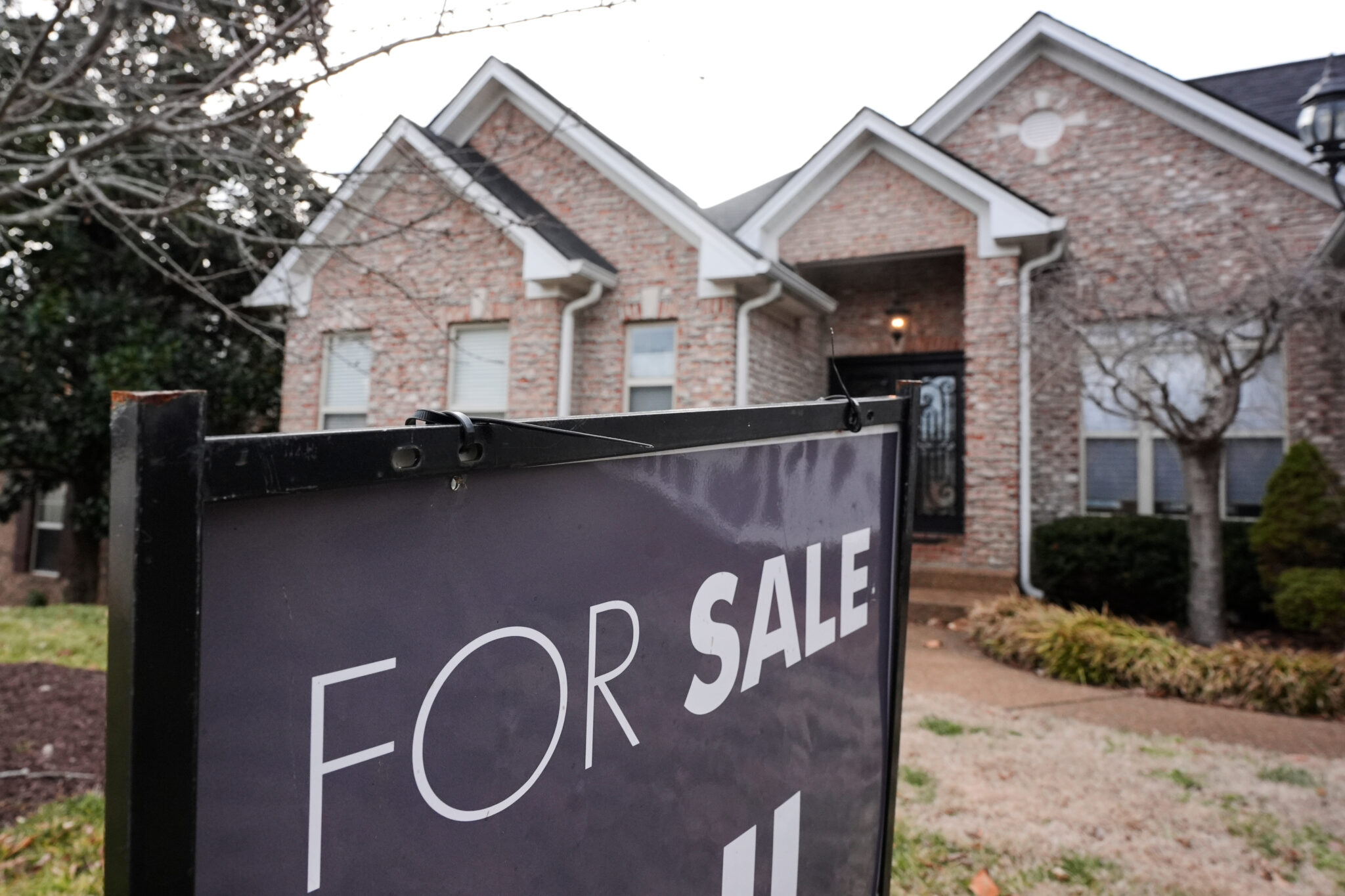
US Mortgage Rates Rise To 6.22%, The Highest Since December/ Newslooks/ WASHINGTON/ J. Mansour/ Morning Edition/ The average U.S. 30-year mortgage rate rose to 6.22%, the highest level in more than three months. Rising Treasury yields and inflation concerns linked to higher energy prices helped push borrowing costs higher. The increase adds pressure to a U.S. housing market that has remained weak despite rates staying below year-ago levels.

US mortgage rates Quick Looks
- The average 30-year fixed mortgage rate increased to 6.22%.
- That is up from 6.11% last week.
- A year ago, the average 30-year rate was 6.67%.
- The average 15-year fixed mortgage rate edged up to 5.54%.
- Mortgage rates typically track movements in the 10-year Treasury yield.
- Treasury yields have risen as oil prices and inflation concerns increased.
- Higher mortgage costs are making the spring homebuying season more difficult for buyers.
- The U.S. housing market continues to struggle with weak existing-home sales.
Deep Look: US Mortgage Rates Rise To 6.22%, The Highest Since December
U.S. mortgage rates moved higher again this week, creating a fresh challenge for homebuyers just as the spring selling season begins to pick up. The average rate on a benchmark 30-year fixed mortgage climbed to 6.22%, up from 6.11% last week and the highest level in more than three months.
The latest increase reverses some of the recent optimism that emerged when mortgage rates briefly fell to just under 6% only a few weeks ago. That dip had given buyers hope that borrowing conditions were finally easing after a long period of elevated financing costs. Instead, rates have now risen for several consecutive weeks, making monthly payments more expensive and reducing affordability for many households.
The average rate on 15-year fixed mortgages, which are often used by homeowners seeking to refinance, also moved up. It ticked up to 5.54% from 5.50% a week earlier. Even with these recent increases, both major mortgage benchmarks remain below where they were a year ago, offering at least some relief compared with last spring.
Mortgage rates are shaped by a mix of economic forces, but one of the most important is the yield on the 10-year Treasury note. Lenders use that yield as a key guide when pricing home loans. When Treasury yields rise, mortgage rates often follow. This week, the 10-year Treasury yield climbed to 4.27%, up from about 4.13% a week ago, helping drive mortgage costs higher.
A major reason for the jump in yields has been renewed inflation anxiety. Rising energy prices have unsettled markets and raised concerns that inflation could stay hotter for longer than expected. When investors believe inflation will remain elevated, they often demand higher yields on long-term bonds. That, in turn, pushes mortgage rates upward.
The Federal Reserve does not directly set mortgage rates, but its policies still matter. The central bank controls short-term interest rates, and investors closely watch its decisions and signals for clues about the economy, inflation, and the future path of borrowing costs. If inflation remains stubborn, the Fed may be less likely to cut rates, and that possibility can ripple through bond markets and keep mortgage rates elevated.
For the housing market, the latest rise is another setback in what has already been a long and uneven recovery. The market has been under pressure since 2022, when mortgage rates surged from the ultra-low levels seen during the pandemic. That sharp shift in borrowing costs cooled demand, locked many homeowners into low-rate mortgages they do not want to give up, and contributed to a shortage of homes available for sale.
Sales of previously occupied homes have remained historically weak. Existing-home sales have been hovering around a 4 million annual pace since 2023, well below the roughly 5.2 million pace that has traditionally been considered normal. Last year, sales dropped to a 30-year low, and the market has remained sluggish so far in 2026. Even though mortgage rates are below year-ago levels, that improvement has not yet been enough to generate a strong rebound in homebuying activity.
The latest increase to 6.22% may not sound dramatic on its own, but small changes in mortgage rates can have a meaningful impact on affordability. For buyers stretching their budgets, even a modest rise can translate into hundreds of dollars more per month over the life of a loan. That is especially important in a market where home prices in many areas remain high and inventory is still limited.
For now, the mortgage market reflects a broader tension in the U.S. economy. Buyers are getting some benefit from rates being lower than they were a year ago, but they are still facing borrowing costs high enough to keep many on the sidelines. Unless Treasury yields retreat and inflation concerns ease, the path to a stronger housing recovery could remain difficult through the spring season.






You must Register or Login to post a comment.