US Pledges $2B UN Humanitarian Aid, Trump Warns UN Agencies: ‘Adapt, Shrink or Die’/ Newslooks/ WASHINGTON/ J. Mansour/ Morning Edition/ The U.S. announced a $2 billion pledge to the United Nations for humanitarian aid, drastically reducing prior contributions. President Trump’s administration is demanding structural reforms, urging UN agencies to “adapt, shrink, or die.” The move reflects a fundamental shift in U.S. foreign aid strategy focused on consolidation and accountability.

UN Humanitarian Aid Reform + Quick Looks
- U.S. pledges $2 billion to UN humanitarian programs under strict new guidelines
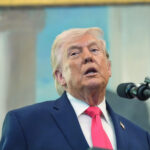
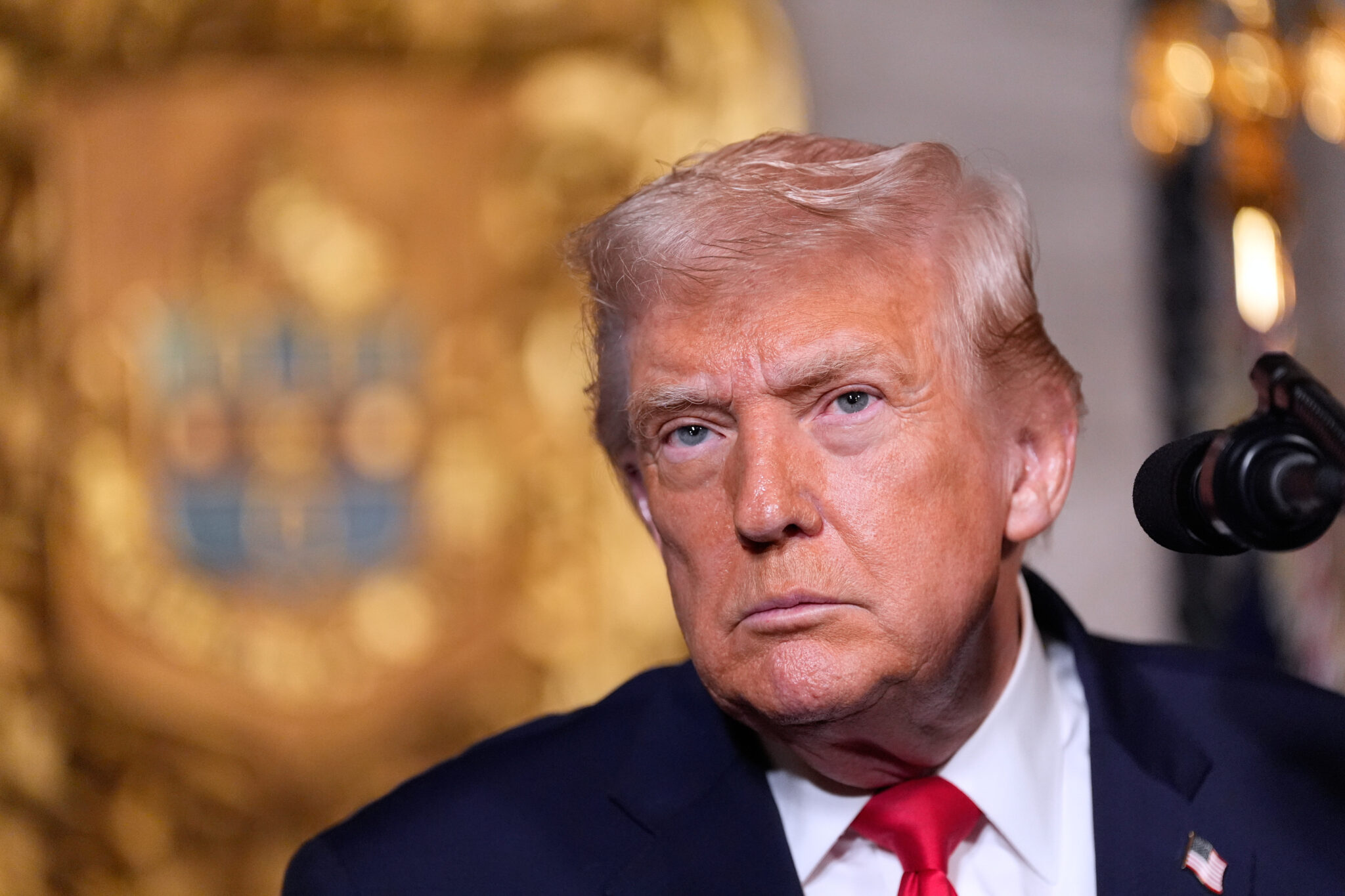
- Trump demands UN agencies reform or risk defunding: “Adapt, shrink, or die”
- Historic aid cuts reduce U.S. contributions from $17B to just $2B
- Secretary of State Rubio calls for more accountability and efficiency
- UN’s Tom Fletcher calls deal a “significant landmark” amid global crises
- Aid redirected through OCHA instead of individual UN agencies
- Excludes Afghanistan and Yemen due to aid diversion concerns
- Palestine aid tied to Trump’s upcoming Gaza peace plan
- Reforms aim to focus limited funds on high-impact programs
- Traditional donors like UK, France, and Japan also scaling back aid
US Pledges $2B UN Humanitarian Aid, Trump Warns UN Agencies: ‘Adapt, Shrink or Die’
Deep Look
GENEVA — The United States has pledged $2 billion to the United Nations for humanitarian aid, marking a dramatic shift in how America engages with the world’s largest aid organization. The announcement, made Monday in Geneva, comes with a clear warning from President Donald Trump’s administration: adapt to a new era of fiscal restraint, or risk extinction.
This year’s pledge is a fraction of the $17 billion the U.S. has contributed annually in the past, and represents a structural overhaul in Washington’s approach to global aid. U.S. officials insist the new figure reflects a more efficient, strategic form of engagement that demands greater transparency and results from UN agencies.
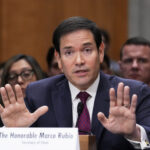
“This new model will better share the burden of U.N. humanitarian work with other developed countries,” said U.S. Secretary of State Marco Rubio on social media. He emphasized that the revamped aid system will require leaner operations, streamlined services, and clear metrics for success.
The $2 billion fund will be administered through the U.N.’s Office for the Coordination of Humanitarian Affairs (OCHA), marking a shift away from direct support to individual agencies like UNHCR and the World Food Program. Instead, funds will now flow through centralized channels, increasing oversight and reducing fragmentation.
Jeremy Lewin, head of foreign assistance at the State Department, echoed Trump’s hardline stance during a Geneva press conference. “The piggy bank is not open to organizations that just want to return to the old system,” he said. “President Trump has made clear that the system is dead.”
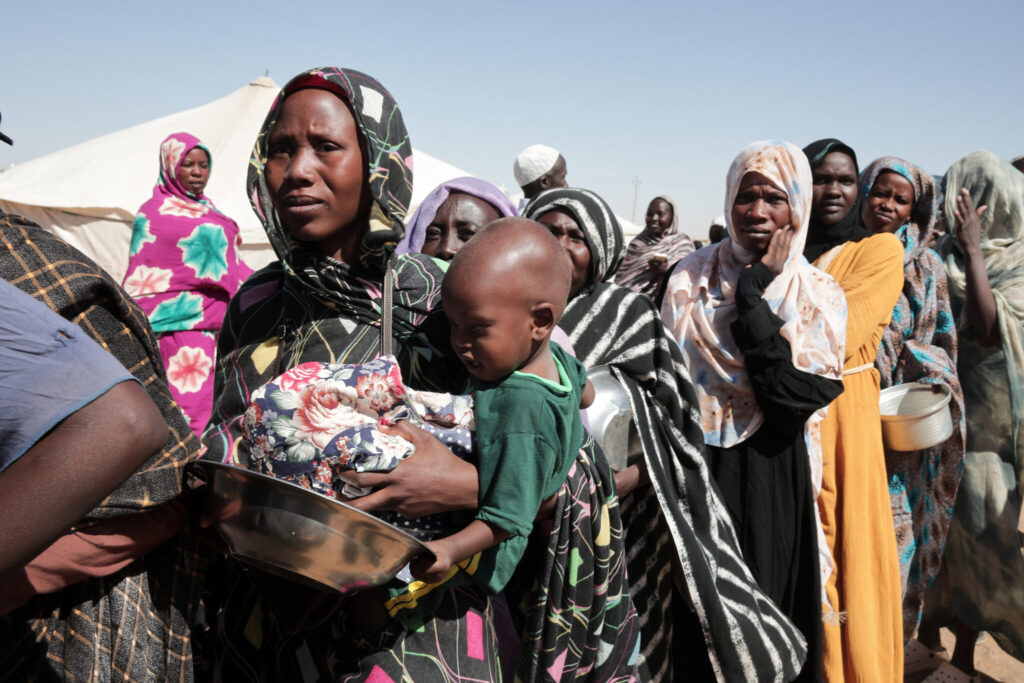
The move comes at a time of global humanitarian crisis, with famine emerging in Gaza and Sudan, and extreme weather events exacerbating suffering in vulnerable regions. Yet, even as needs skyrocket, U.S. contributions are declining — and other Western nations are also tightening their aid budgets.
Tom Fletcher, head of OCHA and a key negotiator of the deal, struck an optimistic tone at the announcement. “It’s a very, very significant landmark contribution,” he said. “A month ago, I would have anticipated the number would have been zero.”
Fletcher acknowledged the challenges ahead, noting the shift in international donor behavior. However, he stressed the importance of using available resources to deliver results. “If the choices are adapt or die,” he said, “I choose adapt.”
The new aid strategy will prioritize 17 target countries, including Syria, Haiti, Bangladesh, Ukraine, and the Democratic Republic of Congo. Notably absent from the list are Afghanistan and Yemen, where U.S. officials cite concerns over aid being diverted to militant groups such as the Taliban and Houthi rebels.
Also excluded are the Palestinian territories, though U.S. officials say that funding there may come later through President Trump’s forthcoming Gaza peace initiative.
According to the State Department, this restructured funding model will enhance America’s influence in how aid is distributed, aligning it more closely with U.S. foreign policy goals. U.S. Ambassador to the United Nations Mike Waltz stated, “This humanitarian reset should deliver more aid with fewer tax dollars.”
Rubio and Lewin both argue that the old system enabled waste and dependency, rather than promoting sustainable recovery. They envision a future where UN aid is more responsive, efficient, and driven by measurable outcomes — a sharp departure from traditional practices.
Critics, however, say the cuts come at a time of record global displacement, hunger, and climate-related disasters. Many warn that slashing aid could increase instability, harm U.S. soft power, and leave a vacuum that rival nations like China or Russia could fill.
Still, the Trump administration insists the U.S. is not abandoning humanitarian leadership, but rather transforming it. Officials believe consolidating contributions through OCHA will ensure that funding reaches those in greatest need, while reducing bureaucracy and eliminating duplication.
Lewin framed the reforms as a moral and strategic imperative: “No one wants to be an aid recipient. The best thing we can do is end conflict and allow people to return to peace and prosperity.”
This move reaffirms Trump’s long-standing skepticism of the United Nations and his belief that international organizations must modernize or risk becoming obsolete. It also reflects his campaign theme of “America First” foreign policy, now manifesting through leaner global commitments.
As global crises intensify and donor fatigue rises, the U.S. move to consolidate, downsize, and centralize aid could reshape the humanitarian landscape — forcing multilateral organizations to rethink how they operate and fund their missions.