

US Sinks Iranian Warship, Iran Warns of Widespread Destruction in Middle East/ Newslooks/ WASHINGTON/ J. Mansour/ Morning Edition/ A U.S. submarine sank an Iranian warship in the Indian Ocean as the conflict between Iran, the United States, and Israel intensified. Iran warned that continued attacks could trigger widespread destruction across the Middle East’s military and economic infrastructure. The expanding war has already disrupted oil shipments, global markets, and regional security.
US Iran War Escalation Quick Looks
- A U.S. submarine torpedoed and sank an Iranian warship in the Indian Ocean.
- The vessel went down near Sri Lanka, with dozens rescued and many casualties reported.
- The conflict has spread across Iran, Israel, Lebanon, Bahrain, and Kuwait.
- Iran warned attacks could lead to destruction of Middle East infrastructure.
- More than 1,000 people have died in Iran since the war began.
- Oil shipments through the Strait of Hormuz have dropped about 90%.
- U.S. officials say the war could last up to eight weeks.
- Iran is selecting a new supreme leader following Ayatollah Ali Khamenei’s death.
US Iran War Escalation Deep Look
The conflict between Iran, the United States, and Israel escalated dramatically Wednesday after a U.S. submarine sank an Iranian naval vessel in the Indian Ocean, intensifying a regional war that has already disrupted global energy markets and killed more than a thousand people.
The attack occurred late Tuesday night when a U.S. submarine fired a torpedo that destroyed the Iranian warship, according to U.S. Defense Secretary Pete Hegseth.
Sri Lankan authorities reported that 32 people were rescued from the sinking vessel. The ship had approximately 180 people on board when it went down outside Sri Lanka’s territorial waters. The Sri Lankan navy later said it recovered 87 bodies from the surrounding waters.
The naval strike marks one of the most direct confrontations between U.S. and Iranian forces since the war began several days ago.
Intensifying Regional Conflict
The naval attack came as U.S. and Israeli forces continued to bombard Iranian military targets and government institutions across the country.
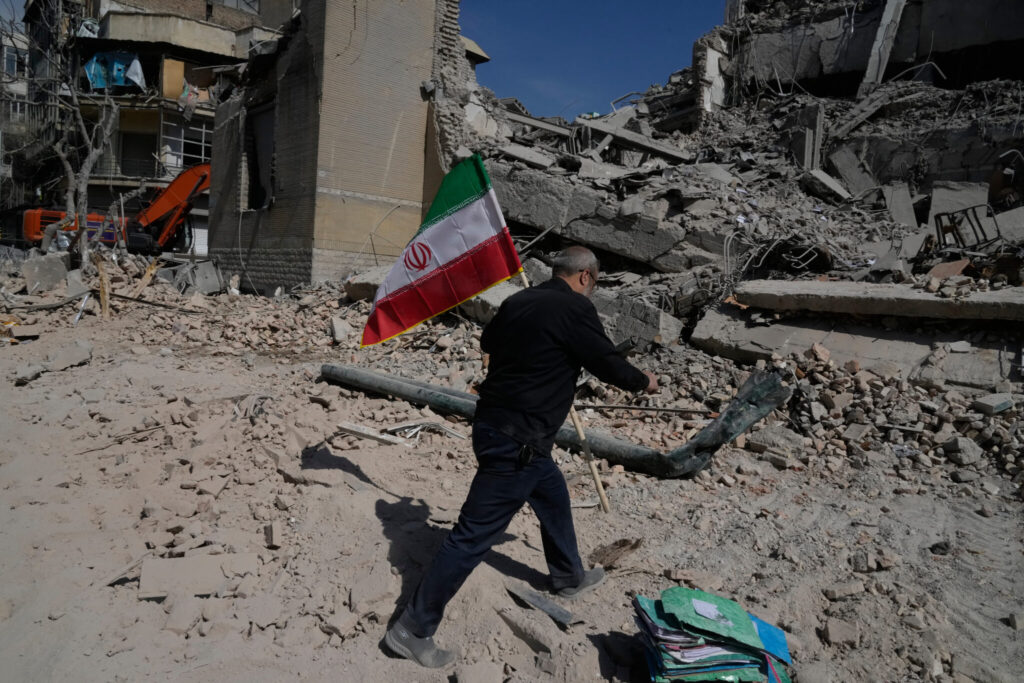
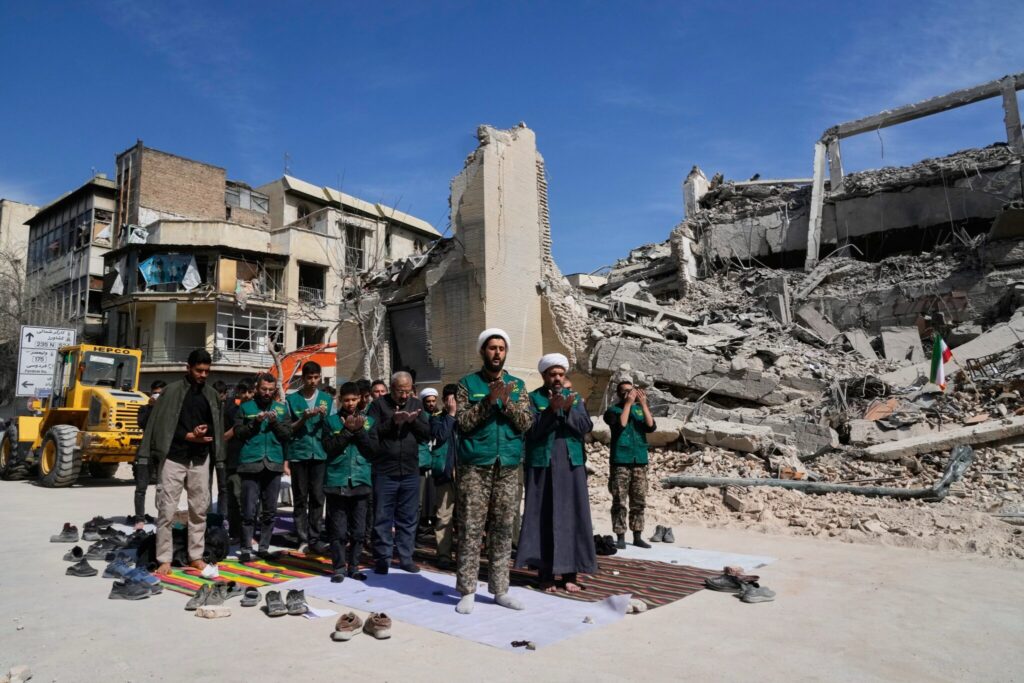
Strikes were reported in Iran’s capital, Tehran, as well as in other key locations, including the religious city of Qom. One of the targets in Qom was reportedly a building connected to a clerical committee responsible for selecting Iran’s next supreme leader.
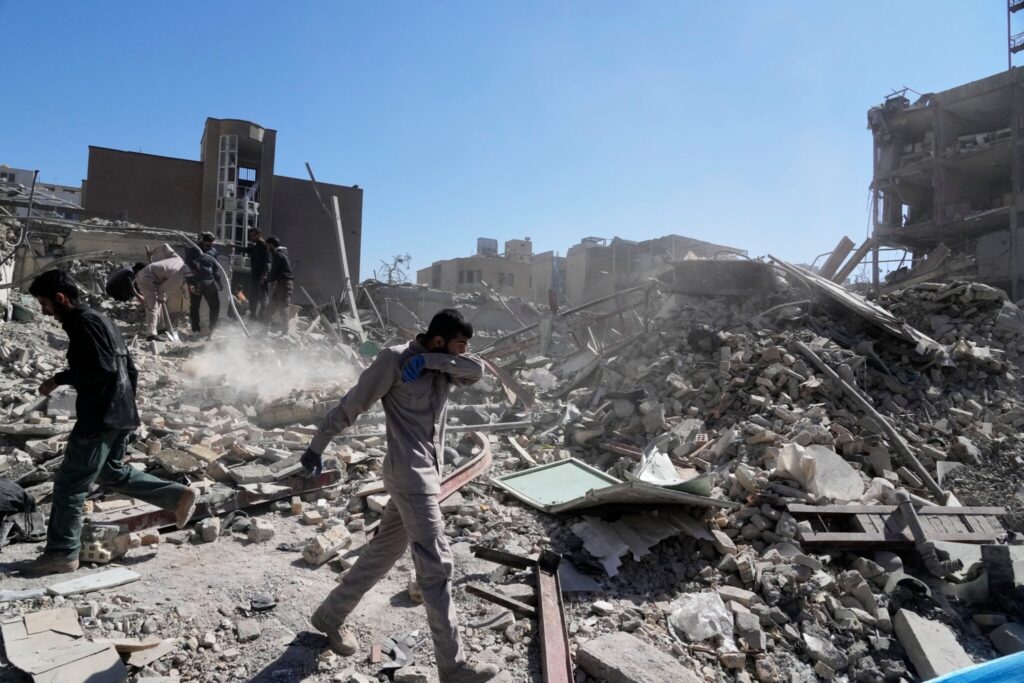
Iranian state television showed extensive destruction in parts of Tehran, with residents describing severe damage to homes and infrastructure caused by the ongoing airstrikes.
The pace of the attacks has been so intense that Iranian authorities announced they would postpone a planned mourning ceremony for the country’s slain supreme leader, Ayatollah Ali Khamenei, who was killed earlier in the conflict.
Khamenei had ruled Iran for 37 years, and his death has triggered a leadership transition not seen since the aftermath of the 1979 Islamic Revolution.
Fighting Spreads Across the Region
The war is increasingly affecting multiple countries across the Middle East.
Israel expanded its military campaign by targeting facilities linked to Iran’s Basij paramilitary force, which is affiliated with the Revolutionary Guard and has historically been used to suppress domestic protests.
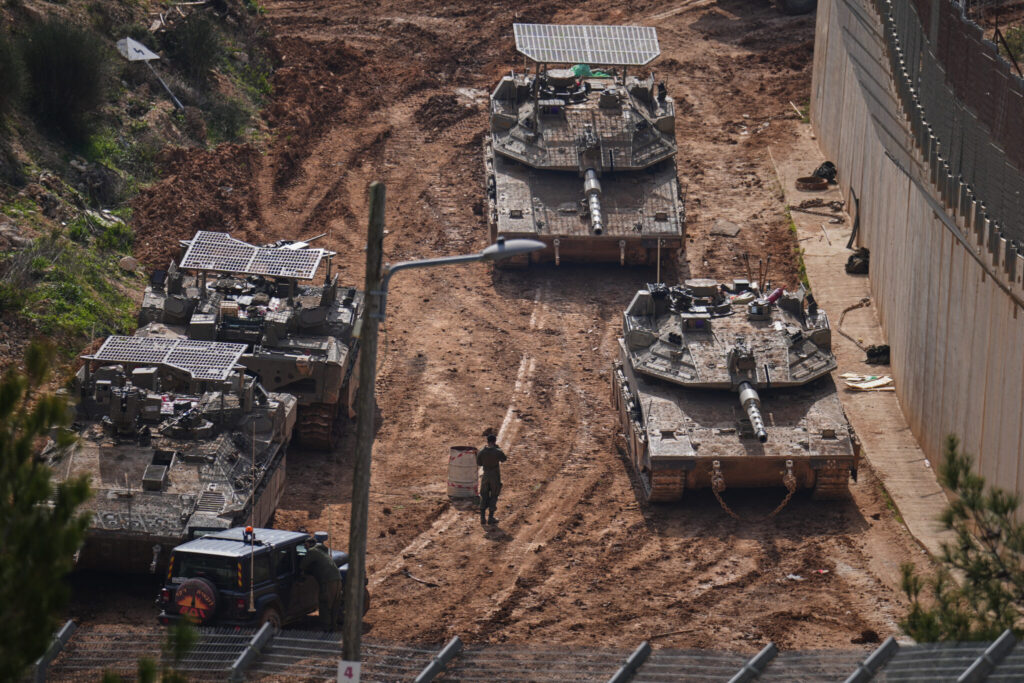
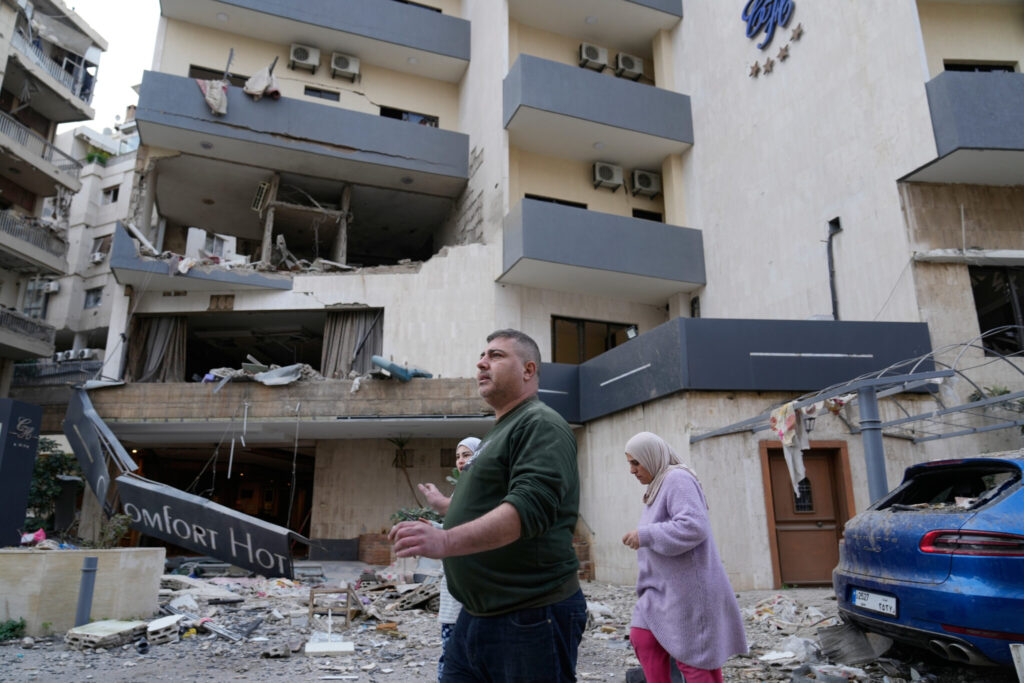
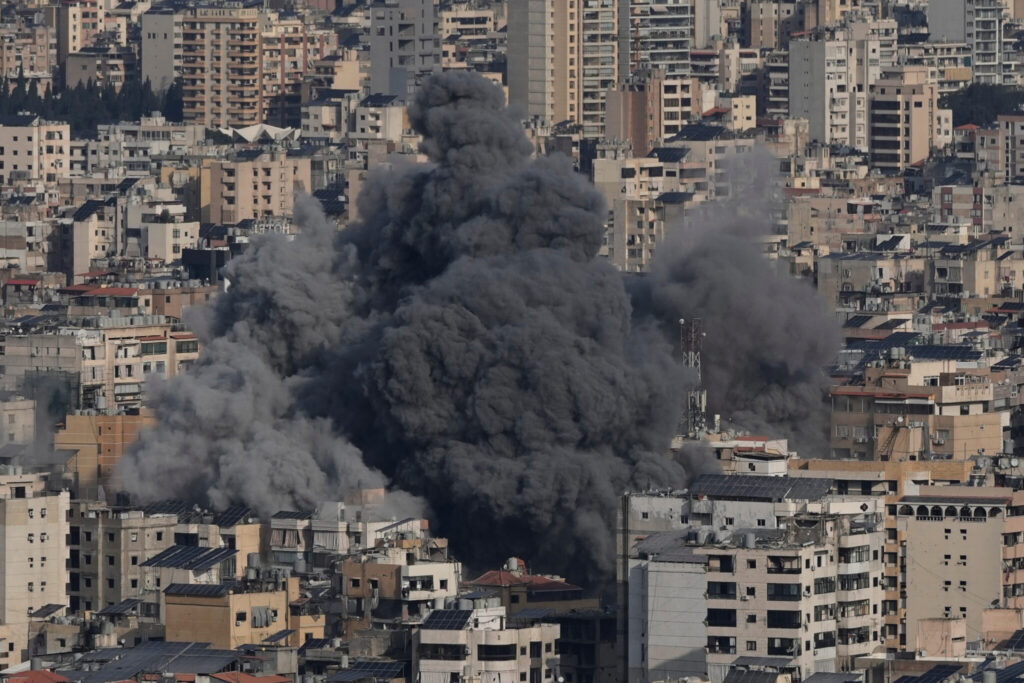
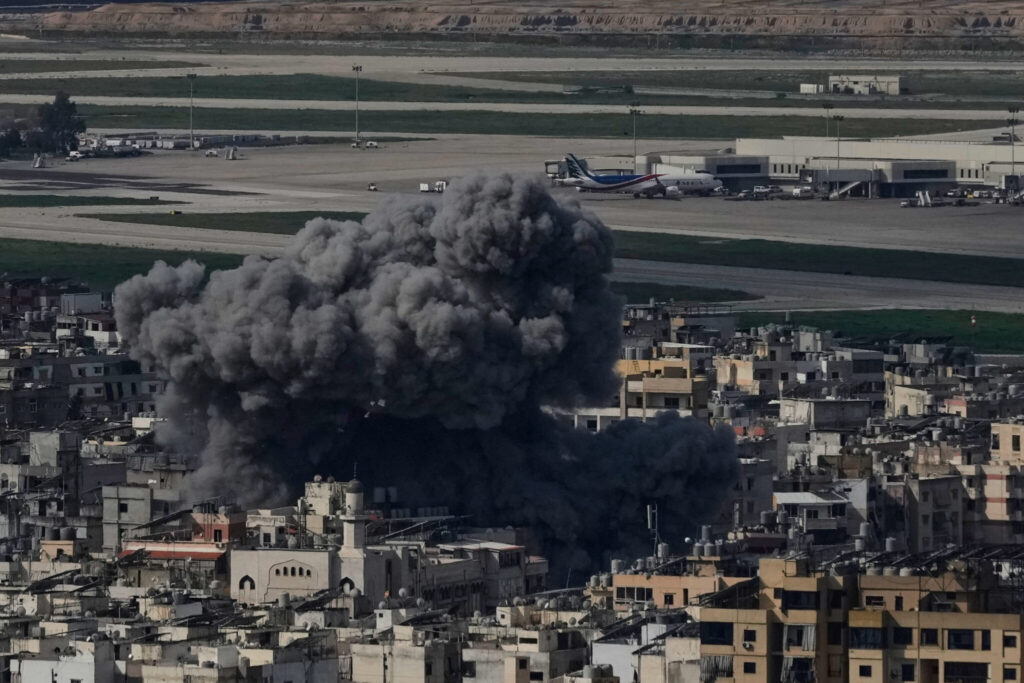
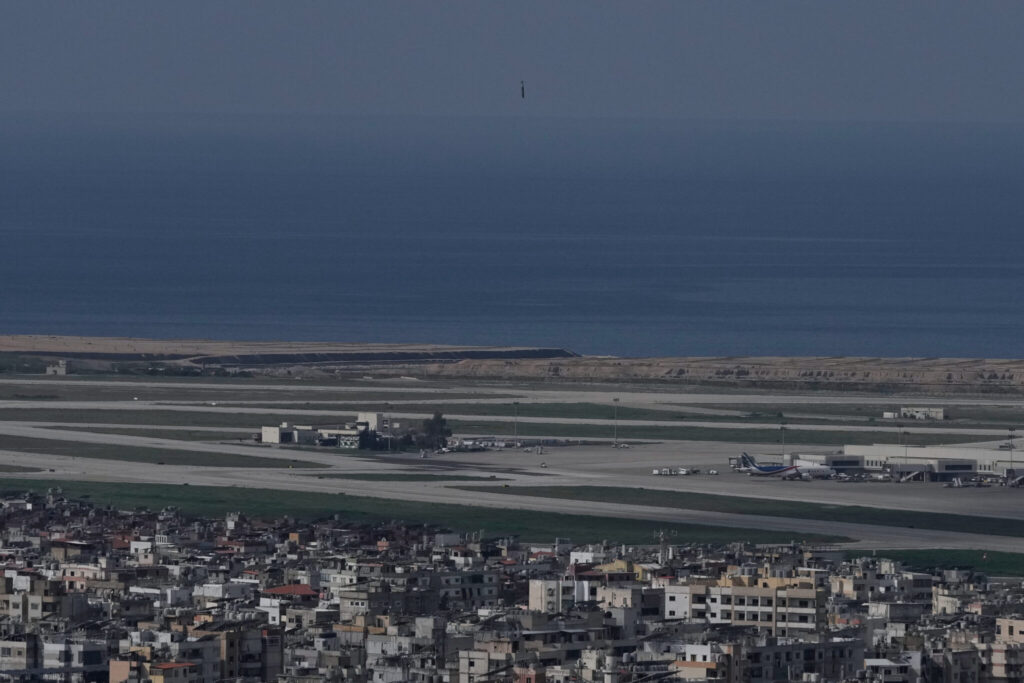
Israeli forces also struck Iranian internal security buildings and launched attacks near Beirut targeting Hezbollah positions.
Meanwhile, Iran has retaliated by launching missiles toward Israel and firing strikes at U.S.-aligned locations in Bahrain and Kuwait. Air raid sirens sounded across Bahrain, where the U.S. Navy’s Fifth Fleet is headquartered.
Turkey also reported intercepting a ballistic missile launched from Iran before it entered Turkish airspace.
Rising Casualties
The war has produced significant casualties across the region.
Iranian authorities say at least 1,045 people have been killed inside Iran.
In Israel, officials report 11 deaths, while Lebanon’s Health Ministry says more than 50 people have been killed there.
The conflict has also claimed American lives. Six U.S. soldiers were killed in an Iranian drone strike on a logistics center in Kuwait earlier this week.
Residents across Iran have described the fear and uncertainty caused by the continuing attacks.
One shop owner in Tehran said he was unsure whether to flee the capital or stay to protect his livelihood.
“It’s very difficult to decide what to do,” he said. “If I leave the city, how am I supposed to earn money and survive?”
Energy Supplies Under Threat
Beyond the military clashes, the conflict is now severely affecting global energy supplies.
Iran’s Revolutionary Guard issued a stark warning that continued attacks could lead to the “complete destruction” of military and economic infrastructure across the Middle East.
The threat comes as shipping through the Strait of Hormuz — one of the world’s most critical energy corridors — has dramatically slowed.
According to maritime tracking company MarineTraffic.com, tanker traffic through the strait has fallen by roughly 90% compared with pre-war levels.
The disruption has already pushed global oil prices sharply higher and rattled international financial markets amid fears that prolonged energy shortages could damage the global economy.
Further illustrating the dangers in the region, a container ship traveling through the Strait of Hormuz was struck Wednesday by an unidentified projectile, according to the United Kingdom Maritime Trade Operations.
War Timeline Remains Uncertain
Pentagon officials say the conflict may continue for weeks.
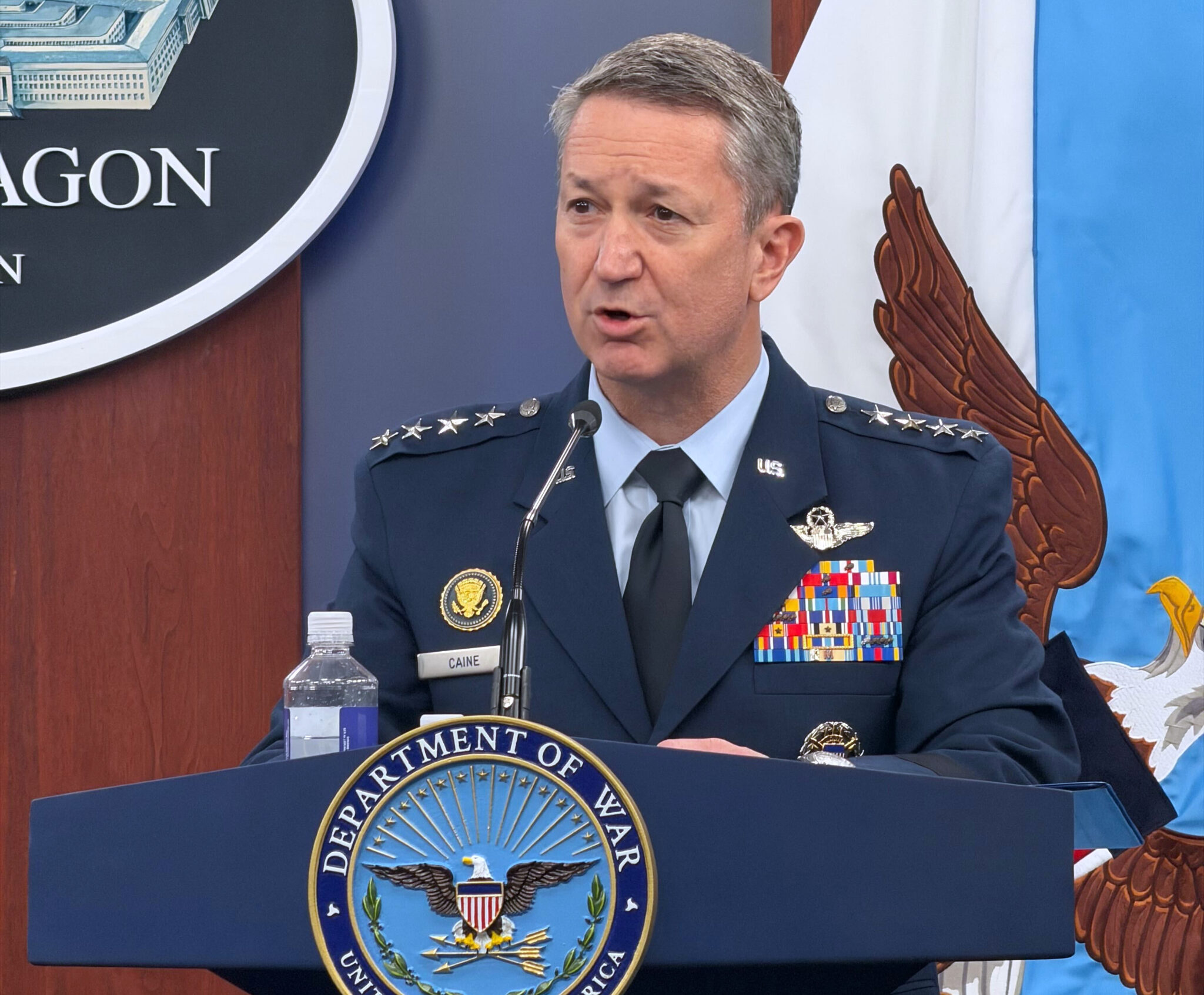
Defense Secretary Pete Hegseth suggested that military operations could last as long as eight weeks, though he emphasized that the exact timeline depends on battlefield developments.
“You can say four weeks, but it could be six, it could be eight, it could be three,” Hegseth said during a Pentagon briefing.
Adm. Brad Cooper, the top U.S. military commander in the Middle East, also warned that the conflict is still in its early stages.
“We’ve just begun,” Cooper said.
Iran Chooses a New Supreme Leader
Meanwhile, Iran’s political leadership is scrambling to select a successor to Khamenei.
The country’s clerical leadership is considering several potential candidates, ranging from hard-line figures advocating confrontation with the West to more moderate leaders who support diplomatic engagement.
Among the possible successors is Mojtaba Khamenei, the late leader’s son, who has long been rumored as a potential heir despite never holding an official government position.
Iran’s judiciary chief warned Wednesday that anyone cooperating with foreign enemies would be treated as a traitor.
Israel’s defense minister also issued a stark warning, saying any future Iranian leader who continues policies threatening Israel or the United States could become a military target.
The escalating rhetoric and widening battlefield suggest the conflict may continue to grow, raising fears of a prolonged war with major geopolitical and economic consequences.






You must Register or Login to post a comment.