US, Ukraine Extend Peace Talks on Security Framework/ Newslooks/ WASHINGTON/ J. Mansour/ Morning Edition/ U.S. and Ukrainian officials will meet for a third day of talks, advancing efforts to create a security framework for postwar Ukraine. Led by Trump advisers Jared Kushner and Steve Witkoff, the discussions are aimed at finding common ground, though ultimate progress hinges on Russia’s cooperation. The talks follow meetings with President Putin and face scrutiny from European allies.
Ukraine Peace Talks Quick Looks
- U.S. and Ukraine will meet for a third day of talks in Florida.
- Focus is on developing a long-term postwar security framework.
- Progress depends on Russia’s willingness to commit to peace.
- Kushner and Witkoff represent Trump’s diplomatic team in negotiations.
- Friday’s session followed a Kremlin meeting with President Putin.
- Officials also discussed economic recovery and joint reconstruction efforts.
- Kremlin praised Kushner’s potential role in peace negotiations.
- European leaders stress need for strong Ukrainian security guarantees.
- Russian drone attack kills child; Ukraine strikes Russian oil sites.
- Ongoing conflict intensifies as peace efforts cautiously proceed.
Deep Look: US and Ukraine Extend Talks Amid Push for Postwar Security Framework
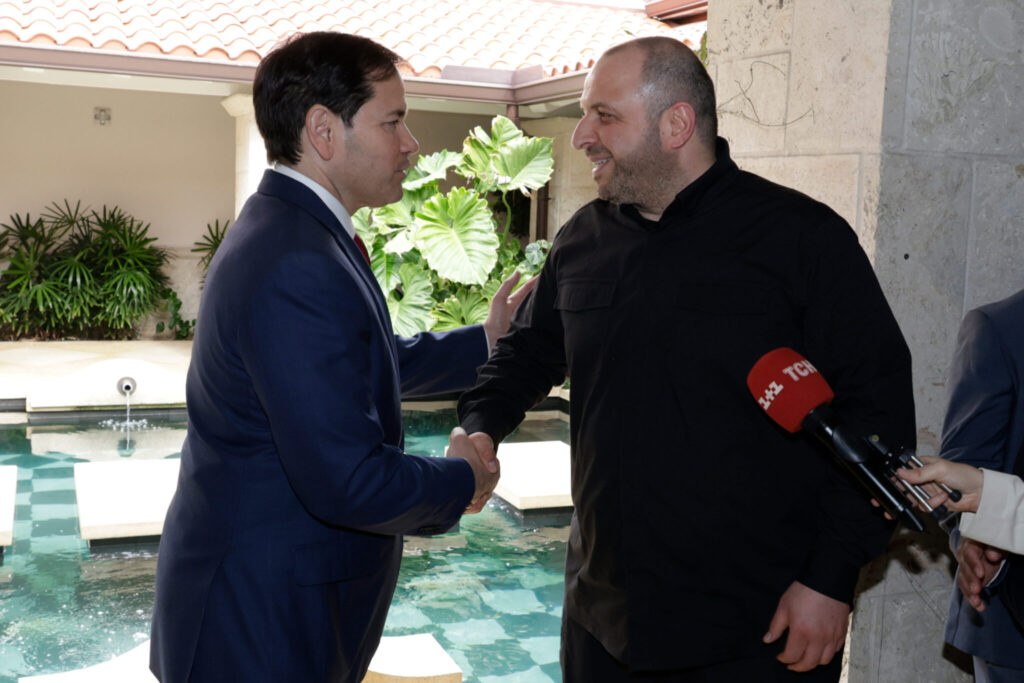
WASHINGTON — U.S. and Ukrainian officials announced on Friday that they will continue discussions into a third day as they work to shape a potential postwar security framework for Ukraine. The ongoing talks, led by Trump advisers Jared Kushner and Steve Witkoff alongside Ukrainian representatives Rustem Umerov and Andriy Hnatov, are part of a broader push by the Trump administration to broker a U.S.-mediated peace between Ukraine and Russia.
The meetings, held at the Shell Bay Club in Hallandale Beach, Florida, signal the most sustained U.S. diplomatic engagement with the war-torn region since Trump returned to office. The talks have taken place largely behind closed doors, but officials confirmed incremental progress toward a potential deal — while acknowledging that the path forward still depends heavily on Russia’s willingness to negotiate.
“Both parties agreed that real progress toward any agreement depends on Russia’s readiness to show serious commitment to long-term peace,” read a joint statement released Friday. The statement emphasized that peace would require de-escalation and a halt to violence, as well as a roadmap for Ukraine’s long-term prosperity, security, and reconstruction.
U.S.-Ukraine Talks Follow Kremlin Meeting
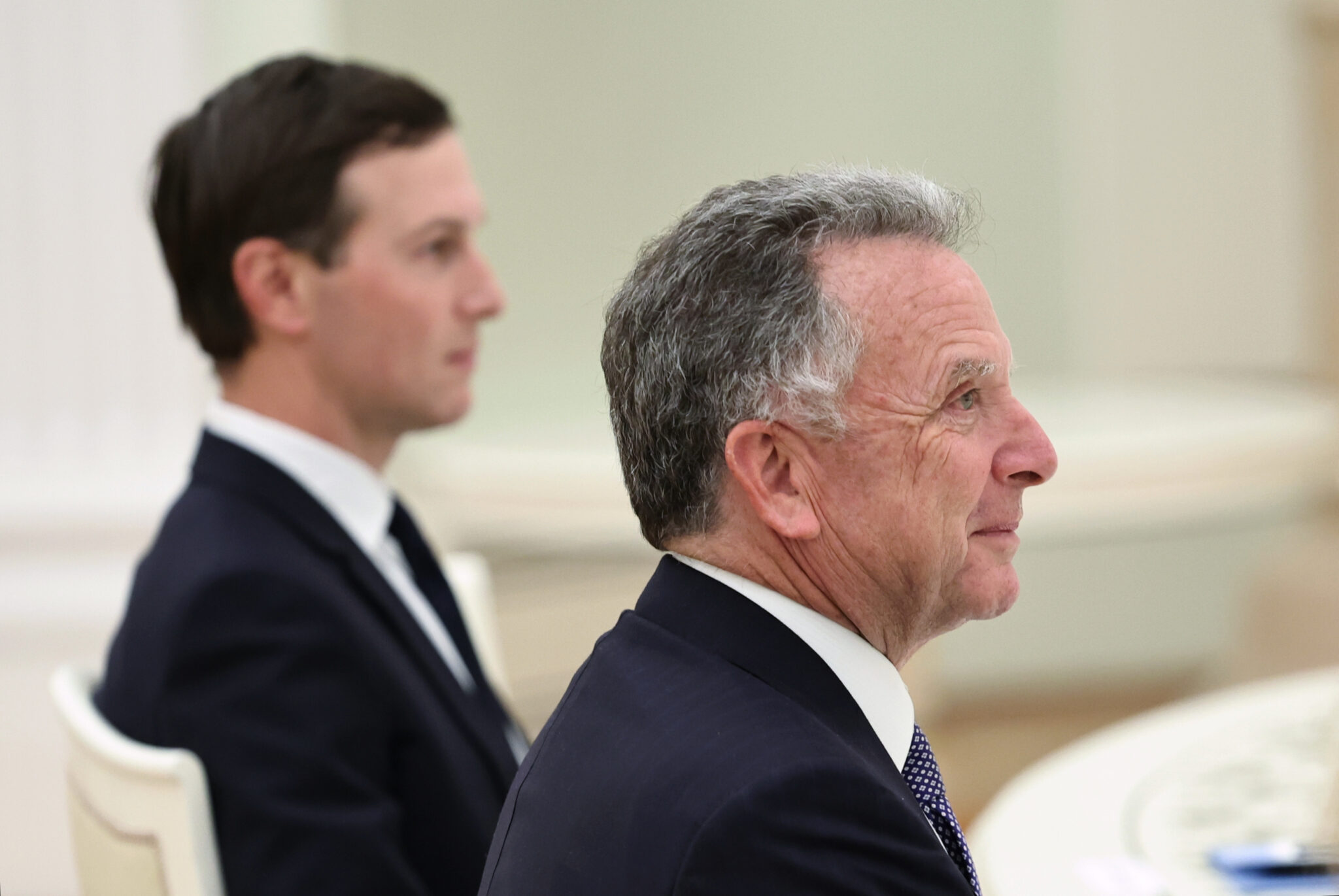
The current round of diplomacy follows a high-level meeting between Kushner, Witkoff, and Russian President Vladimir Putin earlier in the week at the Kremlin. While details of that five-hour session remain limited, Putin described the talks as “necessary” and “useful,” though he also labeled some U.S. proposals as “unacceptable.”
Ukraine’s President Volodymyr Zelenskyy said his delegation was eager to hear about what was discussed in Moscow. Speaking in a video address, Zelenskyy expressed skepticism about Russia’s intentions. “We want to know what other pretexts Putin has come up with to drag out the war and pressure Ukraine,” he said.
The European response has been mixed, with skepticism toward the Trump-led process and concern that a deal without strong security guarantees could embolden Moscow. European leaders have repeatedly insisted that any settlement must ensure Ukraine is protected from future aggression.
Kushner’s Role Draws Praise — and Attention
Kushner, who served as a senior White House adviser during Trump’s first term and helped negotiate the Abraham Accords, is now playing a key — though unofficial — role in shaping Trump’s foreign policy efforts in his second term. Kremlin foreign policy adviser Yuri Ushakov described Kushner as a potentially decisive figure in the Ukraine peace process.
“If any plan leading to a settlement is put on paper, it will be the pen of Mr. Kushner that will lead the way,” Ushakov said in an interview with Russian state media.
Such praise has raised eyebrows, particularly as Trump’s critics worry about the administration’s balancing act between seeking peace and yielding too much ground to Russia. Nevertheless, Kushner and Witkoff continue to serve as key intermediaries, attempting to bridge the gap between conflicting interests in Moscow and Kyiv.
Security, Reconstruction, and Economic Cooperation
Beyond immediate peace, the discussions have broadened to include Ukraine’s postwar reconstruction and economic recovery. The U.S. delegation reviewed what it called a “prosperity agenda,” focusing on long-term recovery projects, economic initiatives, and rebuilding infrastructure.
Officials also explored future “deterrence capabilities” needed to ensure Ukraine’s sovereignty and prevent renewed conflict. While no specifics were disclosed, both sides acknowledged the importance of establishing credible defense mechanisms as part of any final settlement.
European Voices Call for Unity
As the talks unfolded in Florida and Moscow, European leaders stressed that any resolution must include guarantees that Russia will not resume hostilities. French President Emmanuel Macron, speaking after a diplomatic mission to Beijing, said he believed China could play a stabilizing role in the process.
“We exchanged deeply and truthfully on all points, and I saw a willingness from the [Chinese] president to contribute to stability and peace,” Macron said.
He emphasized that Europe must remain unified with the U.S. in backing Ukraine. “The unity between Americans and Europeans on the Ukrainian issue is essential,” Macron added. “We need to work together.”
However, Russian officials criticized Europe’s stance as unhelpful, accusing EU leaders of making unrealistic demands.
Ushakov claimed that European countries “constantly put forward demands that are unacceptable to Moscow,” which he said complicates progress between Washington and Moscow.
Continued Conflict on the Ground
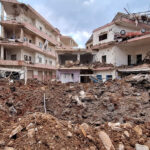
Even as peace talks continue, violence in Ukraine has not abated. Ukrainian officials reported that a Russian drone strike in the Dnipropetrovsk region killed a 12-year-old boy and injured two women. The house was completely destroyed in the attack, according to regional authorities.
Ukraine’s military responded with drone strikes targeting Russian infrastructure, including the Temriuk sea port in the Krasnodar region and the Syzran oil refinery in Samara, both of which reportedly caught fire. The Ukrainian general staff confirmed the operations as part of ongoing efforts to disrupt Russian logistics.
Russia’s Defense Ministry claimed its air defenses intercepted 85 Ukrainian drones over various regions, including Crimea, which Moscow annexed in 2014. The Ukrainian air force said Russia launched 137 drones of different types overnight, continuing the drone warfare that has become a defining feature of the prolonged conflict.
Looking Ahead
As negotiators return to the table for a third day, the stakes remain high. With nearly four years of war, thousands of lives lost, and entire regions reduced to rubble, peace remains elusive but urgent. The coming weeks may determine whether this round of diplomacy produces a viable pathway to resolution — or simply marks another stalled effort in a seemingly endless war.