

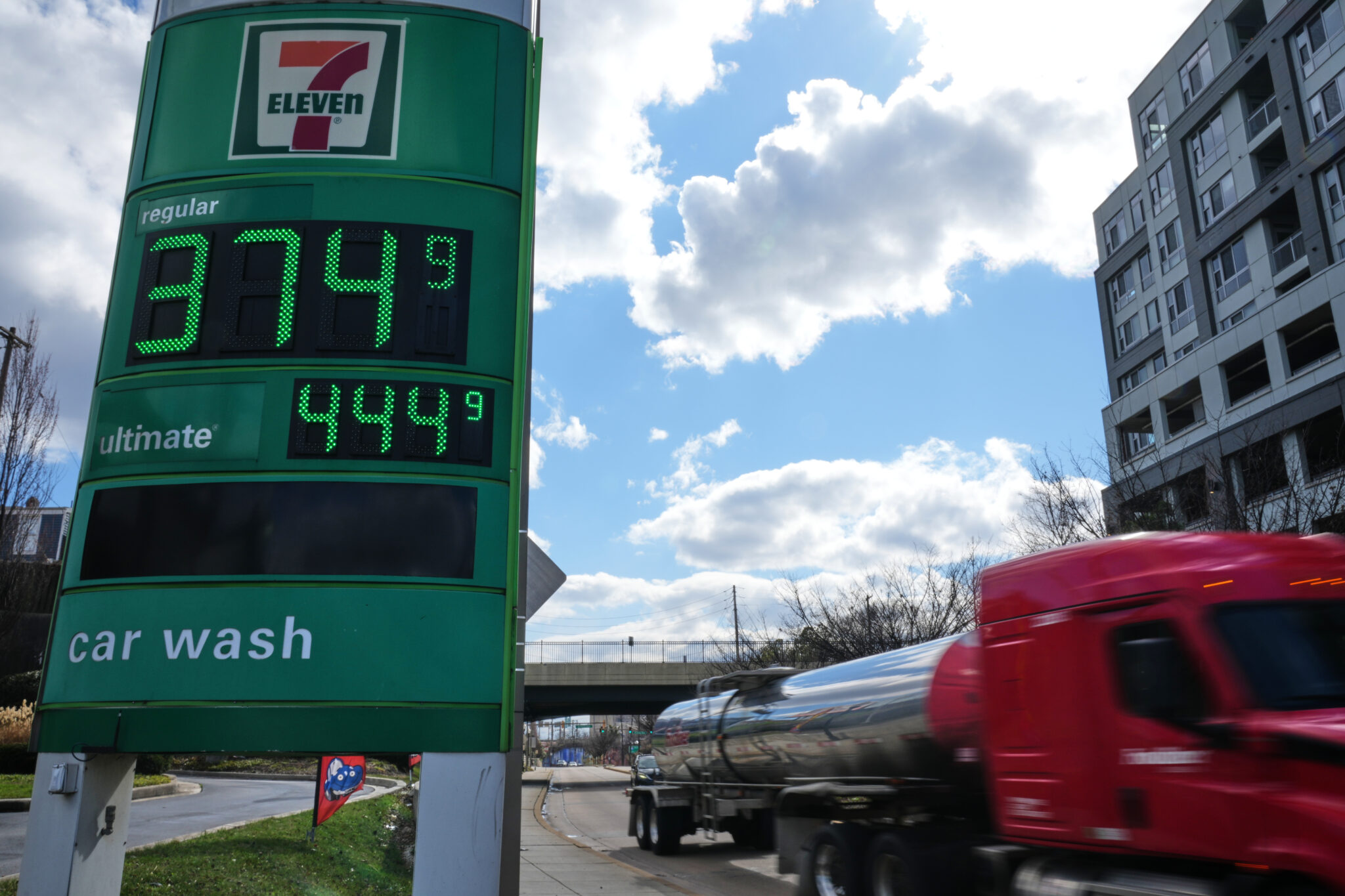
US Wholesale Inflation Reaches 3.4%, Jumps To One-Year High/ Newslooks/ WASHINGTON/ J. Mansour/ Morning Edition/ U.S. wholesale prices rose faster than expected in February, posting the biggest annual increase in a year. Food costs drove much of the monthly jump, while core prices also came in hotter than forecasts. The report adds pressure on the Federal Reserve as energy costs rise amid the Iran war.

US Wholesale Prices Quick Looks
- Producer prices rose 0.7% in February from January.
- Annual wholesale inflation reached 3.4%.
- That was the biggest year-over-year gain in a year.
- Core producer prices climbed 0.5% for the month.
- Food prices surged 2.4% in February.
- Vegetable prices jumped 49% from January.
- Fruit prices rose 10% over the month.
- Inflation data arrived as the Fed weighs rates.

Deep Look: US Wholesale Inflation Jumps To One-Year High
U.S. wholesale inflation picked up sharply in February, offering another sign that pricing pressures remain stubborn even before the latest spike in oil costs tied to the Iran war.
The Labor Department said its producer price index, which tracks inflation at the wholesale level before it reaches consumers, rose 0.7% from January and 3.4% from a year earlier. That annual increase marked the largest gain since February 2025 and came in above economists’ expectations.
The stronger-than-forecast report is likely to intensify concern in Washington and on Wall Street because wholesale costs often feed into consumer prices later. It also landed at a delicate moment for policymakers, with the Federal Reserve meeting to decide whether to keep interest rates unchanged as inflation remains above target.
Food prices drove much of the increase
A major part of February’s jump came from food. Wholesale food prices rose 2.4% from the previous month, led by a stunning 49% rise in vegetable prices and a 10% increase in fruit prices.
While food prices were still lower than a year earlier, the monthly surge signaled that fresh pressure may be building in supply chains. Economists watching the report said the scale of the increase raises new questions about affordability, especially for households already coping with elevated grocery and fuel bills.
Core inflation also stayed strong
Excluding the often-volatile categories of food and energy, core producer prices still rose 0.5% in February. That was below January’s 0.8% increase, but it remained much hotter than analysts expected.
On a yearly basis, core wholesale inflation climbed 3.9%, the biggest increase since January 2025.
That matters because core measures are often viewed as a clearer sign of underlying inflation trends. Even without energy prices in the equation, the report showed that inflation pressures remain broad.
Iran war could worsen the next report
The February figures are significant partly because they came before the full impact of surging oil prices tied to the Iran conflict and shipping disruption in the Strait of Hormuz.
Since the war began, oil prices have climbed sharply, and gasoline prices in the United States have followed. Diesel, which plays a major role in transportation and shipping costs, has also risen quickly.
That means March’s inflation data could look even worse if higher fuel costs spread through supply chains and consumer prices. Economists increasingly warn that businesses may no longer be able to absorb all of these added costs.
What it means for the Fed
The inflation report arrived as Federal Reserve officials gathered in Washington to make their latest interest-rate decision. After cutting rates three times last year, the Fed has shifted to a wait-and-see stance as inflation proves harder to tame.
Officials are trying to balance two risks: inflation that remains too high and a labor market that has been losing momentum. A hotter producer price report, combined with rising energy costs, makes it harder for the central bank to justify rate cuts in the near term.
Financial markets reacted quickly. Major U.S. stock indexes turned lower after the report was released, reflecting fresh concern that interest rates may stay elevated longer than investors hoped.
Broader inflation picture stays uneasy
The new wholesale report follows other recent data showing that inflation has not fully cooled. Consumer inflation remains above the Fed’s 2% target, and the central bank’s preferred inflation gauge has also been running hotter than policymakers want.
Taken together, the numbers suggest inflation pressures are not fading as smoothly as expected. Instead, businesses appear to be facing mounting cost increases at the producer level, with the added threat of higher energy prices now hanging over the economy.
That combination could keep affordability at the center of the political and economic debate in the months ahead.





You must Register or Login to post a comment.