US‑Led Trilateral Talks Address Ukraine Territorial Concessions/ Newslooks/ WASHINGTON/ J. Mansour/ Morning Edition/ Ukrainian, Russian and U.S. officials will meet in Abu Dhabi to address the contentious issue of territorial concessions as part of peace negotiations. The dispute centers on Russia‑held territory in eastern Ukraine’s Donbas region, with Kyiv proposing a free‑trade zone while Moscow demands troop withdrawals. President Zelenskyy also criticized European allies for a slow response, even as U.S. envoys hold parallel economic and diplomatic discussions.
Trilateral Peace Talks in Abu Dhabi: Quick Looks
- Ukraine, Russia and the United States are convening peace talks in Abu Dhabi beginning Friday.
- Territorial status of Donbas and eastern regions is a central issue.
- Russia insists Ukraine must withdraw troops from annexed territories for a peace deal.
- Ukraine proposes a free trade zone in its eastern regions under Kyiv’s control.
- Zelenskyy met Trump in Davos and called their talks “productive.”
- It’s unclear if all sides will meet in the same room in Abu Dhabi.
- Russian and U.S. envoys also held overnight talks in Moscow.
- U.S. envoys Steve Witkoff and Jared Kushner are part of the negotiations.
- Talks include economic components and possible Russian contribution to the US‑backed Board of Peace.
- Zelenskyy criticized European countries for slow and fragmented support.
US‑Led Trilateral Talks Address Ukraine Territorial Concessions
Deep Look
ABU DHABI, United Arab Emirates — Jan. 23, 2026 — Ukrainian President Volodymyr Zelenskyy said Friday that negotiations with Russia over the future of territory in Ukraine’s eastern Donbas region will be a focal point of trilateral peace talks in Abu Dhabi involving the United States.
The meeting, set to take place Friday and potentially extend into Saturday, comes after marathon talks in Moscow between Russian President Vladimir Putin and U.S. envoys. The Kremlin has stressed that any peace settlement must address Ukraine’s troop presence in territory that Russia illegally annexed but has never fully controlled.
Zelenskyy acknowledged that the territorial dispute is a key sticking point but indicated a willingness to explore creative solutions, including establishing a free trade zone in eastern Ukraine under Ukrainian sovereignty. Zelenskyy said he discussed the idea with President Donald Trump in Davos, Switzerland, on Thursday.
“I think it will be positive for our business,” Zelenskyy told reporters, signaling Kyiv’s interest in using economic frameworks as part of a broader diplomatic compromise.
Format and Expectations
It remains unclear whether Ukrainian and Russian officials will sit down in the same room during the Abu Dhabi talks. Zelenskyy said that after the session, he plans to brief European partners on the outcome.
“Today’s meeting will be in the format of Ukraine, Russia, and the United States, and afterward the Europeans will certainly receive feedback from us,” Zelenskyy said in a WhatsApp audio message released to journalists.
The Kremlin described the Abu Dhabi summit more modestly as a “working group on security issues” and provided limited detail about the goals or logistics. Kremlin spokesman Dmitry Peskov noted that Russia will be represented by a delegation led by Admiral Kostyukov, composed mainly of military officials. Peskov added that discussions could continue into Saturday if needed.
In a parallel track, Putin’s envoy Kirill Dmitriev is set to discuss economic components of the peace proposals with U.S. envoy Steve Witkoff, while discussions about potential Russian contributions to an international peace initiative — the Board of Peace — were also on the agenda.
Putin, Trump, and Washington’s Diplomatic Push
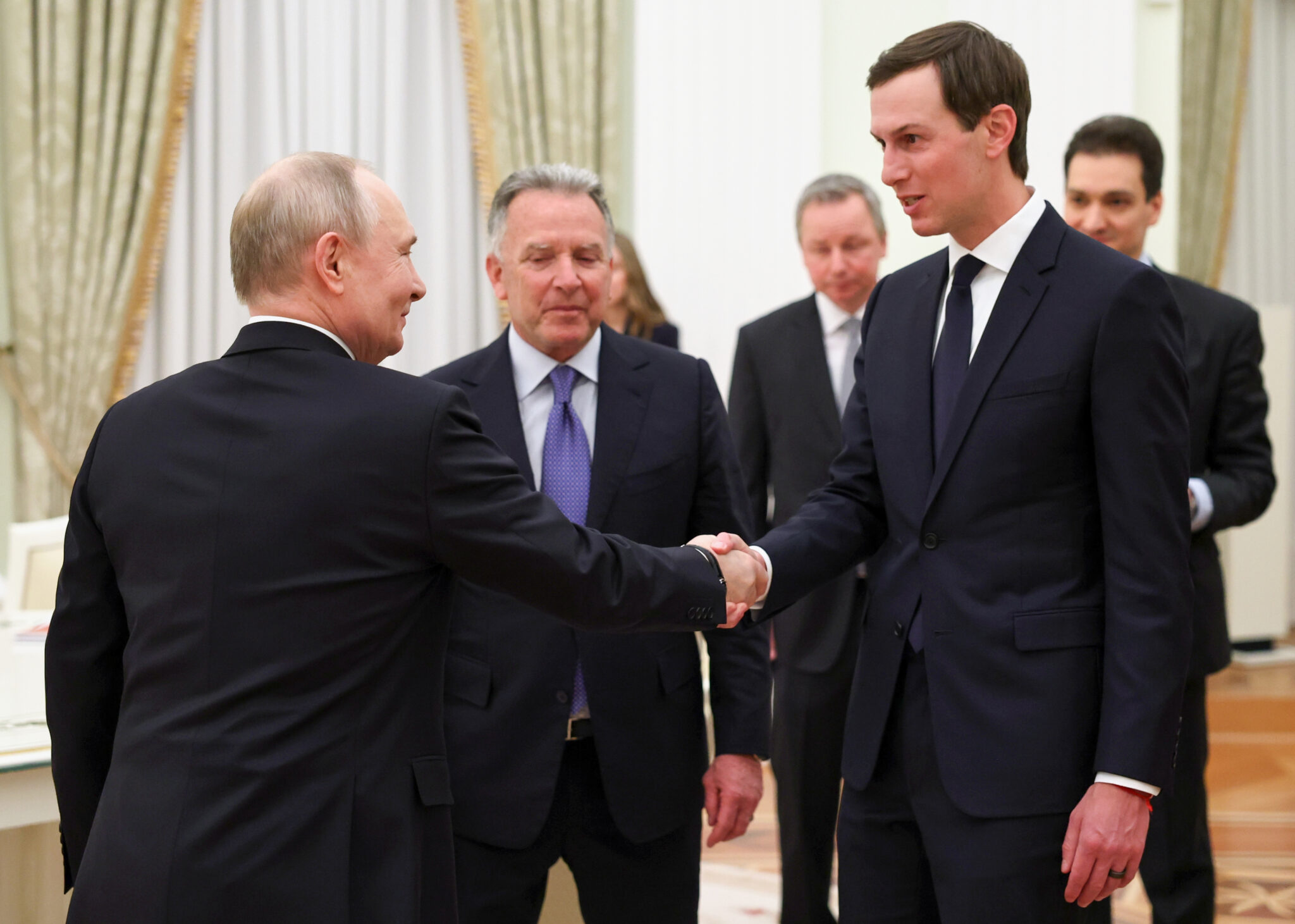
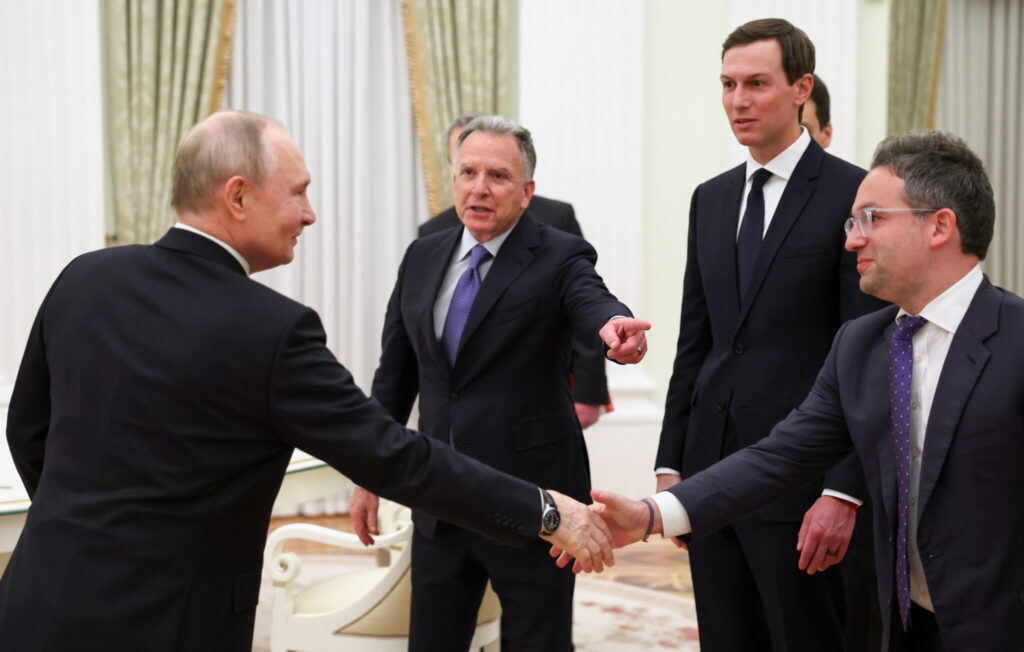
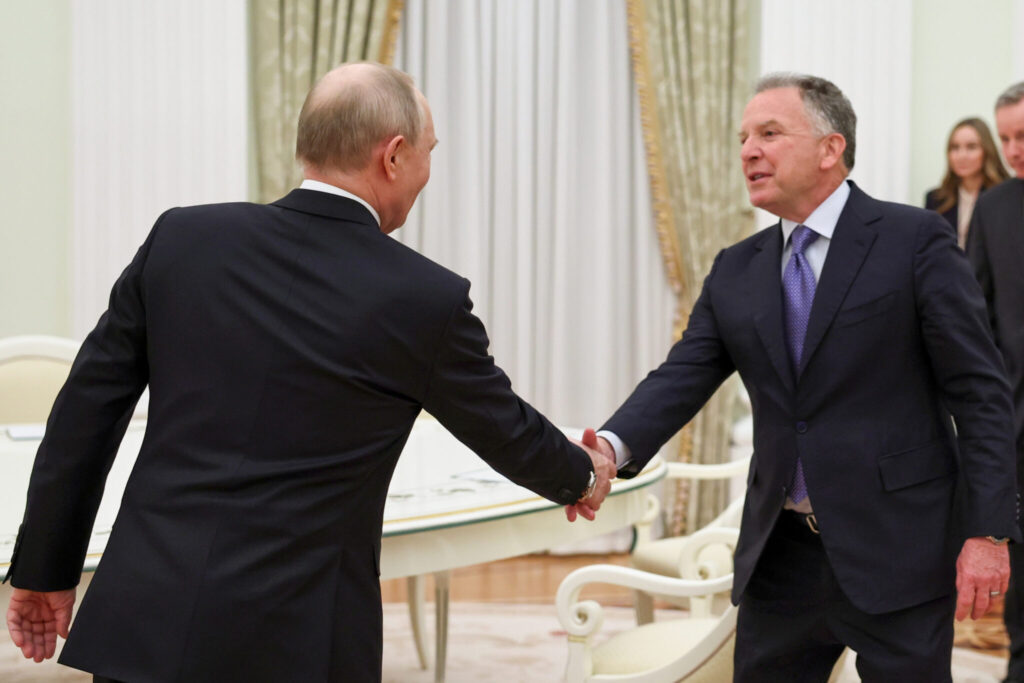
The high‑stakes diplomacy began with nearly four hours of late‑night negotiation in Moscow just before 3 a.m. on Friday, in sessions between Russian officials and U.S. envoys Witkoff and Jared Kushner, Trump’s son‑in‑law and senior adviser. Officials described the talks as “frank, constructive, and fruitful.”
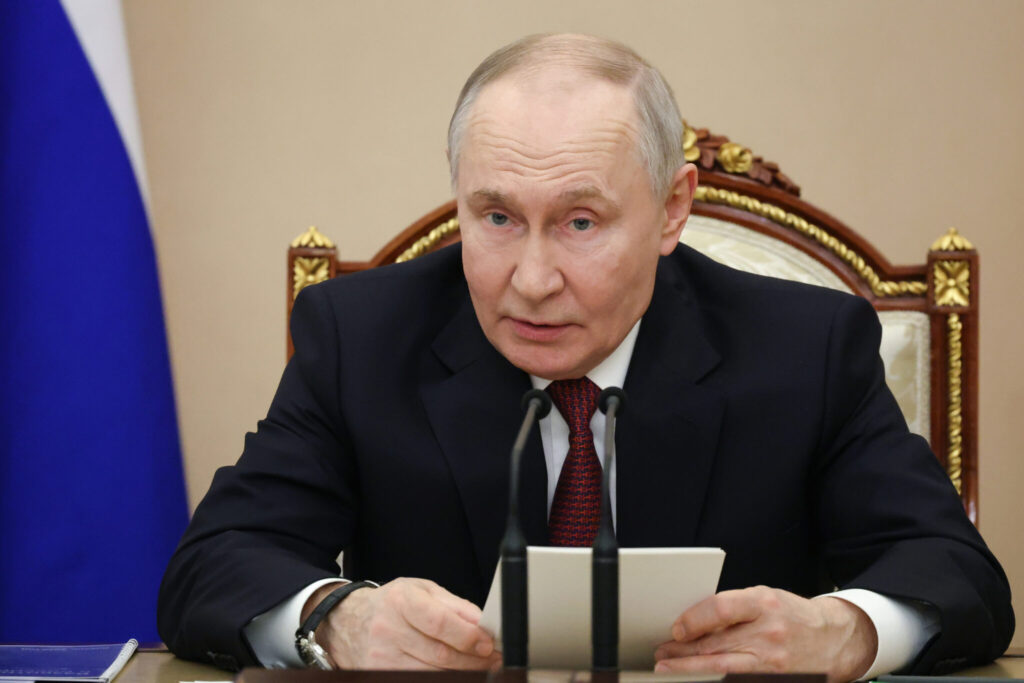
Kremlin foreign affairs adviser Yuri Ushakov said the envoys reaffirmed that a “long‑term settlement can’t be expected without solving the territorial issue.”
Zelenskyy, meanwhile, reported that peace proposals are “nearly ready,” though he acknowledged that the future status of Russian‑occupied land in eastern Ukraine remains unresolved. Zelenskyy said Ukraine and the U.S. have worked out potential post‑war security guarantees contingent on formal ratification by both nations.
Trump, speaking to reporters aboard Air Force One as he returned from Davos, also characterized his meeting with Zelenskyy as “very good” and reiterated that both Putin and Zelenskyy want peace. Still, he said “boundaries” continue to be the main challenge delaying a deal.
“The main hold‑up is the same thing that’s been holding it up for the last year,” Trump said.
Ukraine’s War Reality
Russia’s military, larger and better funded, captured roughly 20% of Ukrainian territory since launching a full‑scale invasion in 2022, adding to gains it began making after 2014. Those advances have come at high human and economic cost to both nations, and war has strained the Russian economy amidst international sanctions.
Ukraine continues to struggle with shortages of funding and manpower, even as it has boosted domestic arms production. Ukrainian leaders have acknowledged recent reports of significant troop desertions, raising concerns about front‑line readiness.
Zelenskyy Criticizes Europe
Zelenskyy used part of his Davos platform to sharply criticize European allies for what he described as a slow, fragmented, and at times inadequate response to Russia’s aggression. While European countries have provided financial, military, and humanitarian support, Zelenskyy said not all members of the European Union have pulled in the same direction.
Europe’s defense spending, sanctions enforcement, and willingness to use frozen Russian assets for Ukraine’s benefit all drew Zelenskyy’s ire. He said that, despite the continent’s strategic stake in regional security, Europe still lacks unified leadership and direction.
“Europe looks lost,” Zelenskyy said in Davos, urging the continent to become a stronger global actor. He likened Europe’s response to the movie Groundhog Day, in which a character relives the same day repeatedly — symbolizing stagnation.
“Just last year, here in Davos, I ended my speech with the words: Europe needs to know how to defend itself. A year has passed. And nothing has changed,” Zelenskyy said.
He also criticized Europe’s slow movement on sanctions enforcement and its failure to stem Russia’s “shadow fleet” of oil tankers operating around sanctions. Zelenskyy added that using Europe’s frozen assets to help Ukraine has been debated but not fully realized.
The Road Ahead
The Abu Dhabi talks represent one of the most concerted diplomatic efforts since last year to bridge gaps between Ukraine, Russia, and the United States. While the talks reflect progress on procedural coordination, significant policy differences remain — especially over territorial concessions, security guarantees, and political control of land taken during the war.
As the situation evolves, attention will turn to whether all three parties can translate overnight diplomacy into concrete agreements. Analysts say success will require concessions and political will from Kyiv, Moscow, and Washington alike.