

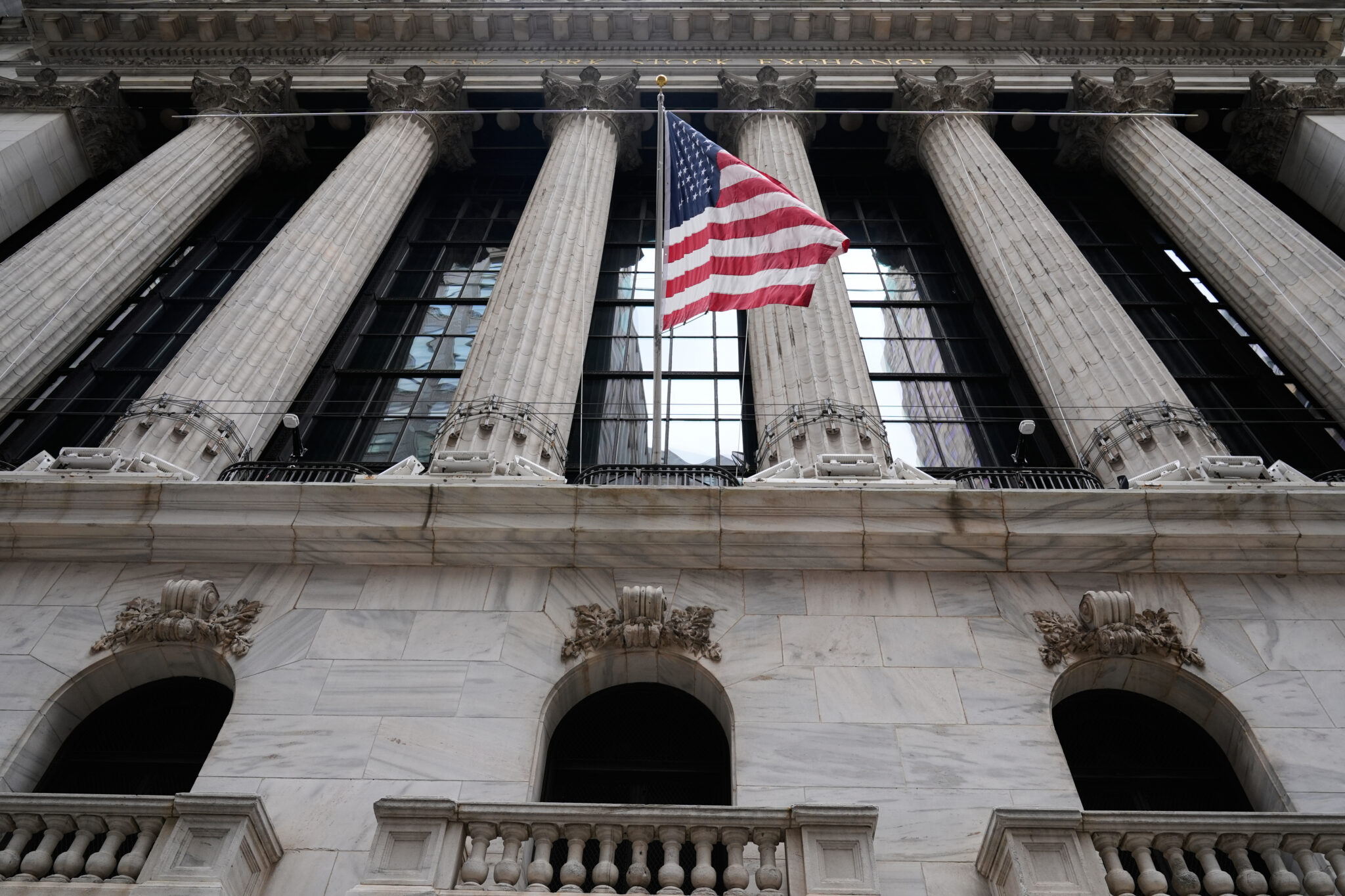
Wall Street Futures Slip After Strong March Jobs Report/ Newslooks/ WASHINGTON/ J. Mansour/ Morning Edition/ U.S. futures edged lower Friday despite stronger-than-expected March job gains. Wall Street remained closed for Good Friday, limiting trading activity. Oil prices surged amid Iran conflict concerns, influencing global markets.

Wall Street Futures Lower Quick Looks
- Wall Street closed for Good Friday holiday
- S&P 500 futures fell 0.3%
- Dow Jones futures slipped 0.2%
- Nasdaq futures declined 0.4%
- U.S. added 178,000 jobs in March
- Unemployment rate fell to 4.3%
- Oil prices surged amid Iran conflict concerns
- U.S. crude jumped 11.4% Thursday
- Brent crude climbed 7.8%
- Mixed trading across Asian markets
Deep Look: Wall Street Futures Slip After Strong March Jobs Report
U.S. stock futures edged modestly lower Friday morning following stronger-than-expected job growth data, even as Wall Street remained closed for the Good Friday holiday. Investors weighed the implications of a resilient labor market alongside rising geopolitical tensions and surging oil prices.
Futures tied to the S&P 500 dipped 0.3%, while Dow Jones Industrial Average futures slipped 0.2%. Nasdaq futures declined 0.4% in quiet holiday trading conditions.
Because U.S. stock markets were closed for Good Friday, trading activity remained subdued, with investors reacting cautiously to the latest economic data and geopolitical developments.
Strong Jobs Report Influences Markets
The Labor Department reported that U.S. employers added 178,000 jobs in March, significantly exceeding expectations and rebounding from February’s loss of 133,000 jobs. The unemployment rate also dipped to 4.3% from 4.4%.
The stronger labor market signals economic resilience but may also influence expectations for interest rate policy. Strong hiring can keep inflation pressures elevated, potentially delaying any interest rate cuts by the Federal Reserve.
Investors often view strong employment data as a double-edged sword. While it indicates economic strength, it can also reduce the likelihood of monetary easing, which typically supports stock market growth.
Oil Prices Surge Amid Iran Conflict
Energy markets were closed Friday, but oil prices surged sharply the previous day amid fears the conflict involving Iran could last longer than anticipated.
U.S. benchmark crude jumped 11.4% Thursday to settle at $111.54 per barrel. Brent crude, the international benchmark, rose 7.8% to $109.03 per barrel.
President Donald Trump said earlier this week that the United States would continue military operations against Iran, offering no clear timeline for ending the conflict. The uncertainty has fueled concerns about potential disruptions to global oil supplies.
Analysts warn that a prolonged conflict could impact key energy infrastructure and shipping routes, particularly the Strait of Hormuz, a critical global oil transit point.
According to analysts at BMI, a unit of Fitch Solutions, an extended conflict could:
- Threaten infrastructure
- Disrupt shipping routes
- Prolong recovery timelines
- Push energy prices higher later this year
Although the United States imports only a portion of its oil from the Persian Gulf, global oil markets remain interconnected. Supply disruptions in one region can quickly influence worldwide prices.
Asia More Vulnerable to Oil Supply Risks
Asian economies are more heavily dependent on Middle Eastern oil supplies, making them particularly vulnerable to disruptions in the Strait of Hormuz.
Japan, for example, relies on the strait for much of its energy imports. Some analysts believe Asian nations are hoping diplomatic agreements with Iran will allow continued shipping access, even during conflict.
Mixed Performance in Asian Markets
Asian markets showed mixed performance Friday:
- Japan’s Nikkei 225 rose 1.3% to 53,123.49
- South Korea’s Kospi jumped 2.7% to 5,377.30
- Shanghai Composite fell 1.0% to 3,880.10
Several markets across Asia and Europe remained closed for the Good Friday holiday, including Hong Kong, Singapore, Australia, New Zealand, India, Indonesia, and the Philippines.
European markets in France, Germany, and Britain were also closed for the holiday, further reducing global trading activity.
Quiet Trading Ahead
With many global markets closed, investors are expected to digest economic data and geopolitical developments ahead of the next full trading session.
Market participants continue to monitor:
- Interest rate outlook
- Oil price volatility
- Middle East conflict developments
- Global economic growth signals
Despite the quiet holiday trading session, market volatility may increase next week as investors fully react to the jobs report and geopolitical risks.






You must Register or Login to post a comment.