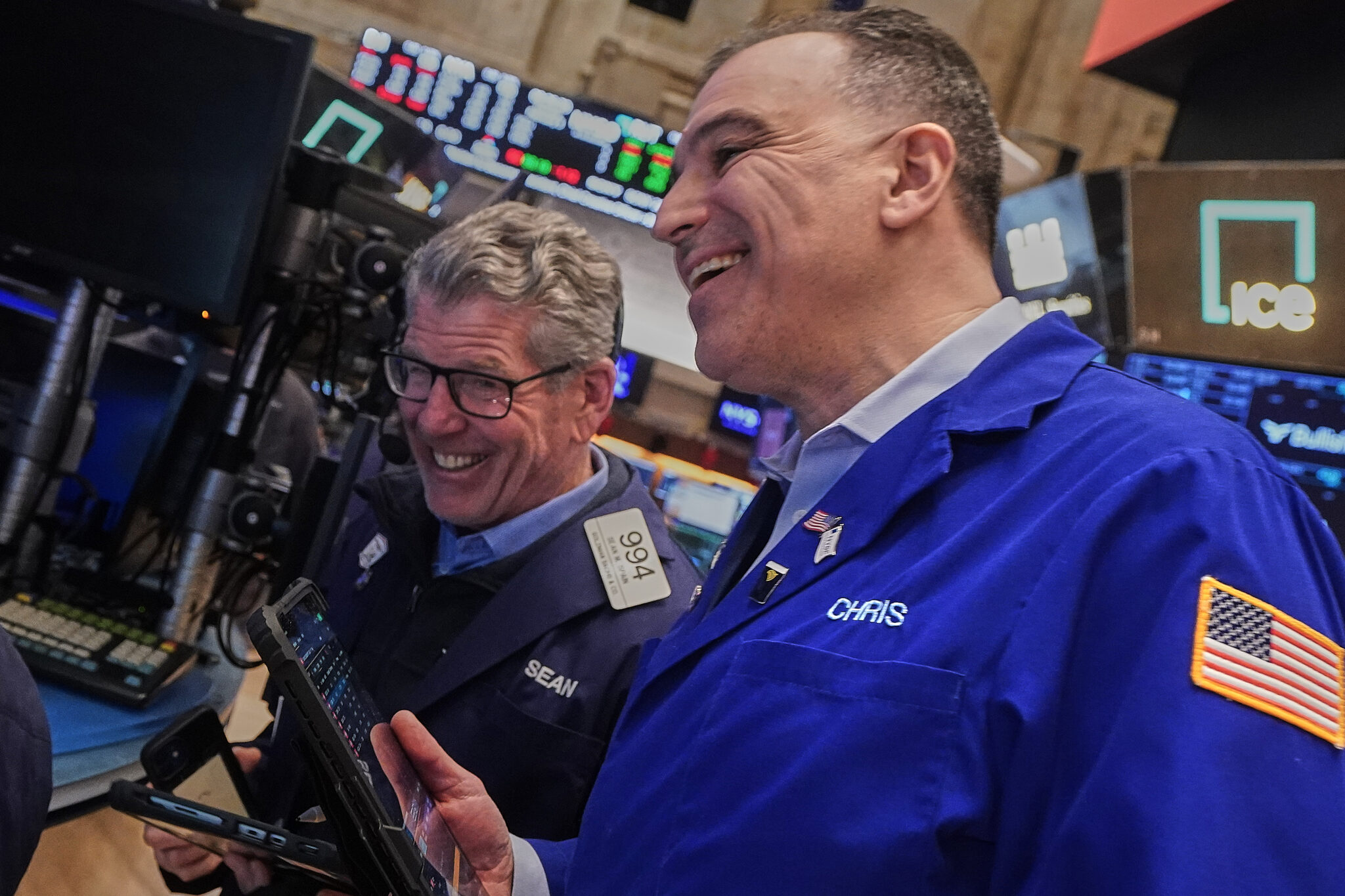
Wall Street Mixed as Gold Surges Past $5,000, Tech Stocks Struggle/ Newslooks/ WASHINGTON/ J. Mansour/ Morning Edition/ U.S. markets opened mixed Wednesday, with the S&P 500 slightly down and gold rebounding above $5,000 per ounce. Tech stocks dragged on performance despite strong earnings reports. Meanwhile, economic data pointed to modest job growth and steady service sector expansion.

Wall Street and Gold Quick Looks
- S&P 500 slips 0.1%, Dow gains 281 points
- Nasdaq falls 0.6%, dragged by tech losses
- Gold rebounds 1.7% to $5,019 per ounce
- Silver jumps 7.7% amid market volatility
- Advanced Micro Devices drops 13.6% despite strong earnings
- Uber falls 5.4% after missing expectations
- Eli Lilly and Super Micro Computer post strong gains
- U.S. jobs and services growth show mixed signals
- Japan’s Nikkei slips; South Korea’s Kospi hits record
Deep Look: Wall Street Mixed as Gold Surges Past $5,000, Tech Stocks Struggle: Deep Look
Wall Street moved sideways in early Wednesday trading, showing mixed results across major indexes as technology shares slumped and precious metals bounced back. The S&P 500 dipped slightly by 0.1%, while the Dow Jones Industrial Average gained 281 points, or 0.6%. The tech-heavy Nasdaq composite fell 0.6% as investors weighed weak earnings forecasts and sector-specific pressures.
A standout in the day’s financial headlines was gold, which climbed 1.7% to reach $5,019.00 per ounce—crossing back above the symbolic $5,000 mark. The price had plummeted from nearly $5,600 last week to under $4,500 on Monday, reflecting investor uncertainty and volatile trading behavior. Silver followed suit, surging 7.7% on the day.
Investors have recently sought shelter in precious metals amid a confluence of market anxieties, including tariff tensions, a weakening dollar, and mounting global debt levels. While these concerns lifted gold and silver dramatically over the past year, critics have long warned that the price surge was overextended, suggesting a correction was inevitable.
Technology stocks were again under pressure, continuing a trend from earlier in the week. Advanced Micro Devices (AMD) sank 13.6% despite posting better-than-expected earnings and a strong revenue forecast. The sell-off suggests that investor expectations for growth, particularly in the high-flying semiconductor space, may have outpaced reality. AMD’s share price had doubled over the past year, which likely contributed to the tepid reaction.
Uber Technologies also disappointed investors, with its shares falling 5.4%. The ride-hailing giant missed quarterly expectations and lowered its profit guidance for the current quarter. The company also named a new chief financial officer, signaling possible internal shifts amid operational challenges.
Not all tech-related stocks struggled. Super Micro Computer jumped 12.6% after beating earnings expectations. The company, which supplies AI server infrastructure, benefited from the ongoing boom in artificial intelligence investment. Its strong performance was a rare bright spot in an otherwise struggling sector.
Pharmaceutical giant Eli Lilly climbed 7.7% after reporting stronger-than-expected earnings, driven by significant sales from its diabetes and weight loss medications, Mounjaro and Zepbound.
Match Group also gained ground, rising 2.5% after better-than-expected results and an increased dividend. The company highlighted the success of new user-safety features on its Tinder app, including facial verification that has dramatically reduced interactions with scammers.
Walmart added 0.3%, continuing its upward trend. The retail behemoth surpassed a $1 trillion market cap earlier this week, placing it among an elite club of American corporations, alongside Apple and Nvidia, both valued at over $4 trillion.
On the economic front, two reports painted a mixed picture. Data from ADP showed that private employers added fewer jobs in January than economists forecasted, suggesting potential softness in the labor market. Conversely, a report from the Institute for Supply Management indicated steady growth in U.S. service industries like healthcare and construction, though inflation signs loomed as input prices rose more quickly.
The bond market responded with minor movement. The 10-year Treasury yield inched down to 4.27% from 4.28% the day before, reflecting cautious optimism but also highlighting ongoing concerns about inflationary pressures.
Globally, international stock markets mirrored the uneven performance seen in the U.S. Japan’s Nikkei 225 slipped 0.8% from its recent record high. Nintendo dropped 11% despite solid earnings, as analysts voiced doubts about the long-term success of its new Switch 2 console. In contrast, South Korea’s Kospi rose 1.6%, notching a new record amid robust investor sentiment.
With investors watching earnings, commodity prices, and economic signals closely, Wednesday’s market action underscored a familiar theme: continued volatility, sector-specific uncertainty, and cautious optimism ahead of future interest rate and inflation data.