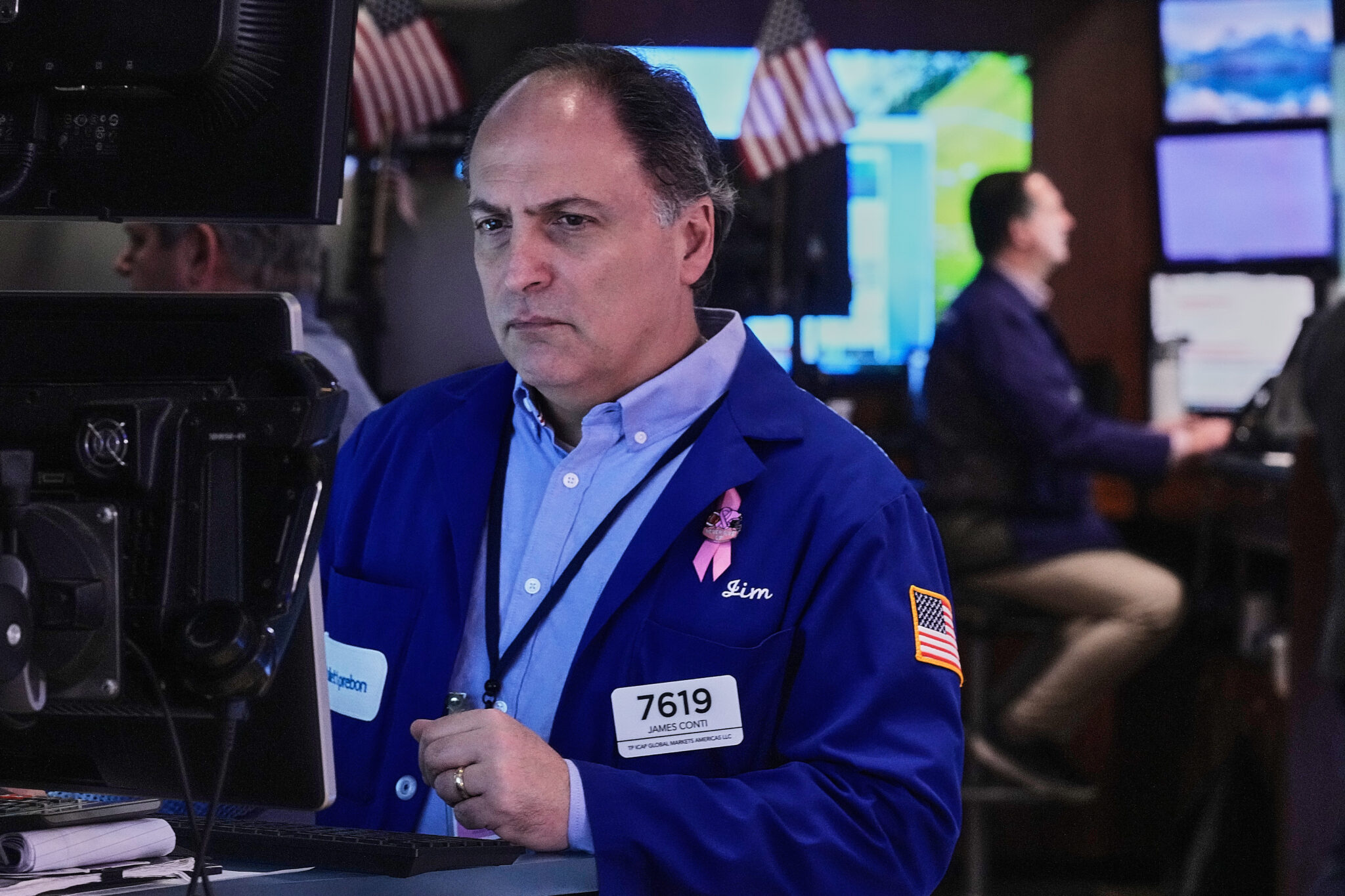
Wall Street Wavers Amid Inflation, Fed Rate Watch/ Newslooks/ WASHINGTON/ J. Mansour/ Morning Edition/ Wall Street stocks hovered near record highs Friday as investors reacted to mixed corporate earnings and ongoing economic uncertainty. Gains in big tech stocks helped offset losses in banking and transportation sectors. Inflation, interest rate expectations, and global trade tensions continue to influence market sentiment.
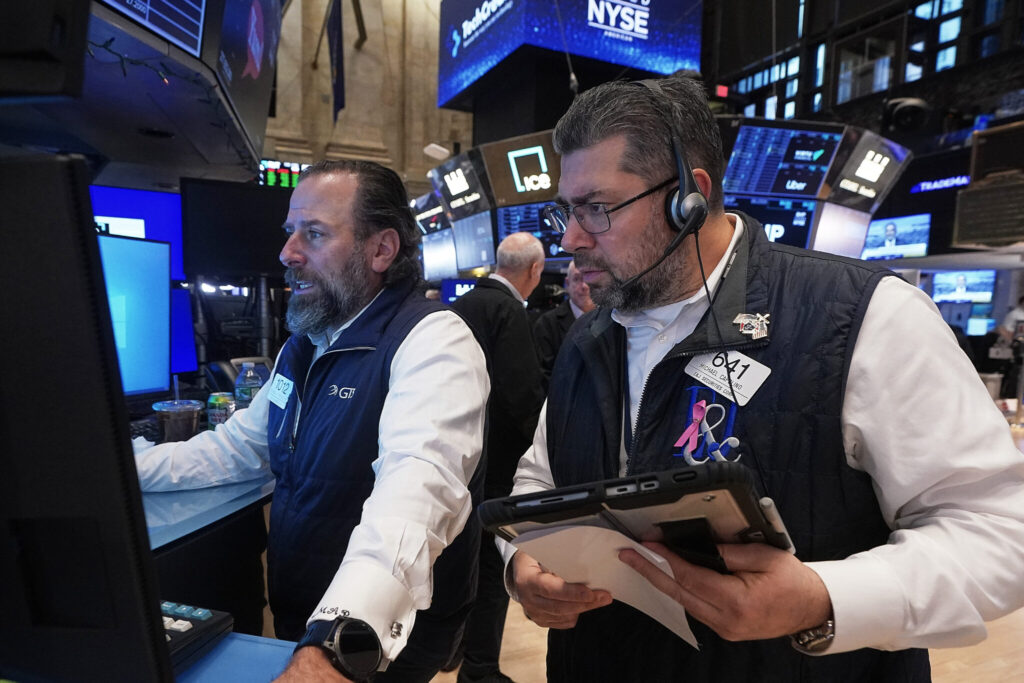
Wall Street Market Trends Quick Looks
- S&P 500 and Nasdaq hovered near flatline, Dow dipped 37 points
- Tech giants like Nvidia and Broadcom posted modest gains
- Regional banks posted mixed earnings; PNC up, Regions Financial down
- Oil prices rebounded slightly after Thursday’s sharp drop
- Gold prices fell 1.1% but remain up in January
- Treasury yields rose ahead of key inflation data
- Fed expected to hold interest rates steady at next meeting
- Taiwan-U.S. trade deal boosted Taiwan’s stock index
- Canada eased Chinese EV tariffs amid shifting global trade dynamics
Deep Look: Wall Street Wavers Amid Inflation, Fed Rate Watch
Stocks on Wall Street traded mostly flat Friday as the first major week of the 2026 earnings season wrapped up, with the broader market continuing to hover near all-time highs. While several tech stocks extended gains, uneven results in the banking and transport sectors added pressure, reflecting investor caution amid persistent inflation and uncertainty about Federal Reserve policy.
As of mid-morning trading, the S&P 500 remained virtually unchanged after fluctuating between minor gains and losses. The Dow Jones Industrial Average fell by 37 points, or 0.1%, and the Nasdaq composite was also little changed.
Tech Stocks Offset Broader Declines
Large-cap technology stocks once again served as a stabilizing force. Nvidia rose 0.4% and Broadcom climbed 1.3%, helping to offset broader weakness across the S&P 500. These companies, part of the high-valuation tech segment, continue to play an outsized role in market momentum, particularly as enthusiasm around artificial intelligence keeps valuations high.
Regional Banks Post Mixed Results
Earnings season continued with several regional banks releasing fourth-quarter results. PNC Financial, based in Pittsburgh, beat analyst expectations and rose 2.6%. In contrast, Regions Financial dropped 3.2% after reporting results that missed forecasts. The mixed signals followed earlier earnings from major banks, which have also reflected cautious optimism amid changing economic conditions.
Other Corporate Earnings Highlights
J.B. Hunt Transport Services, a key barometer of shipping and freight activity, declined 1.4% after issuing mixed quarterly results, adding to concerns about consumer demand and business spending.
Investors are closely watching this earnings season for signs of how consumers are navigating inflation and how businesses are adapting to higher costs and ongoing tariff uncertainties. Wall Street will get a clearer picture next week as major companies across sectors report, including United Airlines, 3M, and Intel.
Oil and Gold React to Geopolitical Tensions
Energy markets also saw movement Friday. U.S. crude oil rose 0.9% to $59.71 a barrel, while Brent crude, the international benchmark, also gained 0.9%, reaching $64.31. The uptick follows Thursday’s steep declines and comes amid renewed volatility in the Middle East. Protests in Iran and President Donald Trump’s warnings that the U.S. “will come to their rescue” have added to global uncertainty and speculation around potential disruptions in supply.
Meanwhile, gold prices, which surged earlier in the week, pulled back 1.1% as investor appetite for safe-haven assets cooled slightly. Still, the precious metal remains up more than 5% for the month of January, reflecting lingering concerns about global instability.
Bond Yields Edge Higher Ahead of Fed Meeting
In the bond market, Treasury yields ticked upward. The yield on the 10-year Treasury rose to 4.21% from 4.17% the previous day. The 2-year Treasury, more sensitive to Fed policy expectations, inched up to 3.59% from 3.57%.
Wall Street anticipates that the Federal Reserve will maintain current interest rates during its upcoming policy meeting in two weeks. The central bank is caught between a slowing job market and inflation rates that remain above its 2% target. Investors will be watching closely for next week’s release of the Personal Consumption Expenditures (PCE) price index, the Fed’s preferred inflation gauge.
Global Markets React to Trade Developments
Overseas, market performance was mixed. European indices declined, while Asian markets showed varied results. Notably, Taiwan’s benchmark stock index jumped 1.9% following the announcement of a new trade agreement with the United States. China, which claims Taiwan as part of its territory, issued formal objections to the deal.
The Taiwan-U.S. agreement is the latest development in an increasingly fragmented global trade landscape. Ongoing tariff disputes between the U.S. and multiple countries have stoked fears of inflation and economic disruption.
Canada, for instance, has responded by striking new trade terms with China. The country agreed to reduce its 100% tariff on Chinese electric vehicles in exchange for lower tariffs on Canadian agricultural products. The shift could pressure U.S. automakers like Tesla, which fell 0.6%, and Rivian, down 1.8%, on the news.
Outlook Remains Cautious
Despite markets holding near record highs, Friday’s wavering performance reflects an undercurrent of uncertainty. With earnings season gaining steam and key inflation data looming, investors are preparing for possible shifts in both policy and market direction.