

War Widens to Include Iranian-Backed Militias, Israeli & American Planes Pound Iran/ Newslooks/ WASHINGTON/ J. Mansour/ Morning Edition/ Iran and allied militias launched missile and drone attacks across Israel, Gulf states, and U.S. military bases as Israeli and American forces intensified airstrikes on Iran. Regional oil infrastructure and shipping routes were targeted, sending global energy markets surging. The escalating war now spans multiple countries, raising fears of prolonged regional instability.
Iran War Widens as Militias Join Attacks Quick Looks
- Iran and proxy militias expand missile strikes
- Israeli and U.S. forces bomb Iranian military sites
- Kuwait mistakenly downs three U.S. F-15E jets
- Oil infrastructure targeted in Saudi Arabia and Oman
- Hezbollah fires rockets from Lebanon
- Iraqi militias claim drone strikes on U.S. forces
- UAE, Bahrain, and Kuwait report civilian casualties
- Global oil prices spike amid supply fears
- WHO urges protection of civilians and hospitals
Deep Look: Iran War Widens as Militias Join Attacks Across Middle East
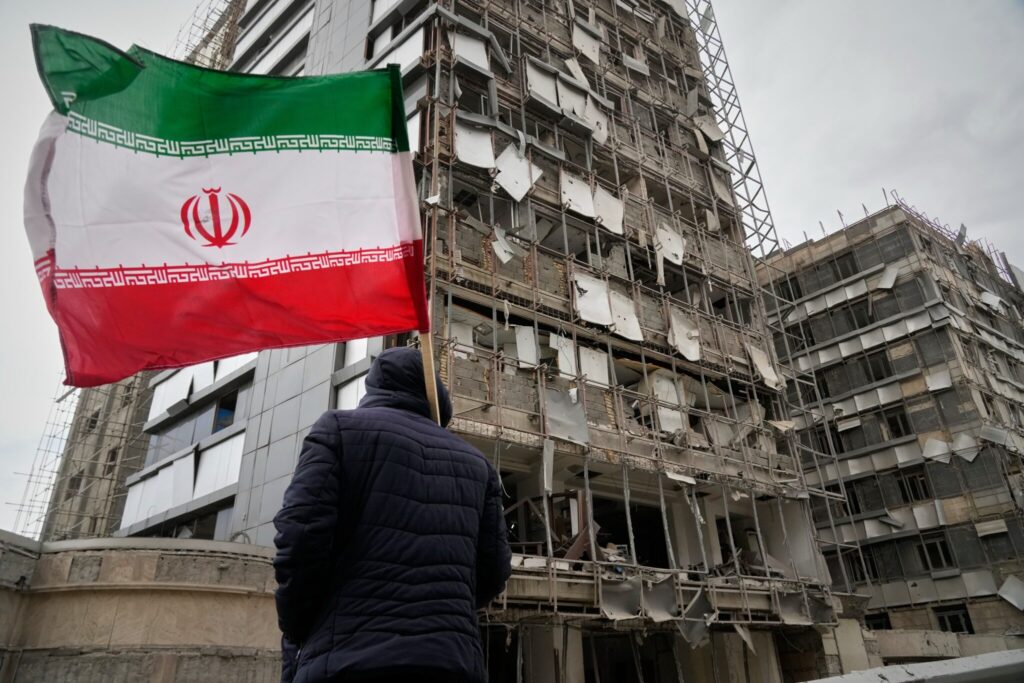
DUBAI, United Arab Emirates — The war between Iran, Israel, and the United States dramatically expanded Monday, pulling in Iranian-backed militias and widening the battlefield across multiple Middle Eastern nations. Missile and drone strikes targeted Israel, Gulf Arab states, U.S. military facilities, and key oil infrastructure, while Israeli and American warplanes intensified bombardments deep inside Iran.
The escalating conflict now stretches from Tehran to Beirut, Baghdad, Kuwait, Bahrain, and beyond, threatening global energy supplies and heightening fears of a prolonged regional war.
Kuwait Accidentally Shoots Down U.S. Warplanes
Amid the chaos of simultaneous missile launches and airstrikes, Kuwait mistakenly shot down three American F-15E Strike Eagle fighter jets operating over its territory. The U.S. military said all six pilots ejected safely and were in stable condition.
The incident unfolded as Iranian aircraft, ballistic missiles, and drones filled regional airspace, underscoring the complexity and volatility of the rapidly expanding war.
Casualties Mount Across the Region
According to Iranian authorities, at least 555 people have been killed across more than 130 Iranian cities since joint U.S.-Israeli strikes began. Israel reported 11 fatalities, including nine killed in a missile strike on a synagogue in Beit Shemesh. Lebanon’s Health Ministry said Israeli retaliatory airstrikes killed at least 31 people and wounded nearly 150.
In Gulf states previously considered safe havens — including the United Arab Emirates, Bahrain, and Kuwait — missile debris and drone strikes caused civilian casualties and infrastructure damage.
The World Health Organization (WHO) urged all sides to protect civilians and medical facilities, warning that healthcare systems are at risk of collapse if attacks continue.
Oil Infrastructure and Energy Markets in Crosshairs
A major new escalation came as Iran and allied groups targeted energy infrastructure critical to global markets.
Saudi Arabia’s Ras Tanura oil refinery — one of the world’s largest — was hit by a drone attack. While air defenses intercepted incoming aircraft, debris caused fires and forced a temporary shutdown. The refinery processes more than 500,000 barrels of crude oil daily.
In Oman, a bomb-laden drone boat struck a Marshall Islands-flagged oil tanker in the Gulf of Oman, killing one crew member. Kuwait’s Ahmadi refinery also reported injuries after falling debris from intercepted drones.
Meanwhile, QatarEnergy announced it would halt liquefied natural gas production due to security concerns, removing a key global supplier from the market indefinitely.
Oil prices surged as fears mounted over possible disruptions to the Strait of Hormuz — the narrow maritime chokepoint through which roughly 20% of globally traded oil passes.
Hezbollah and Iraqi Militias Enter the Fight
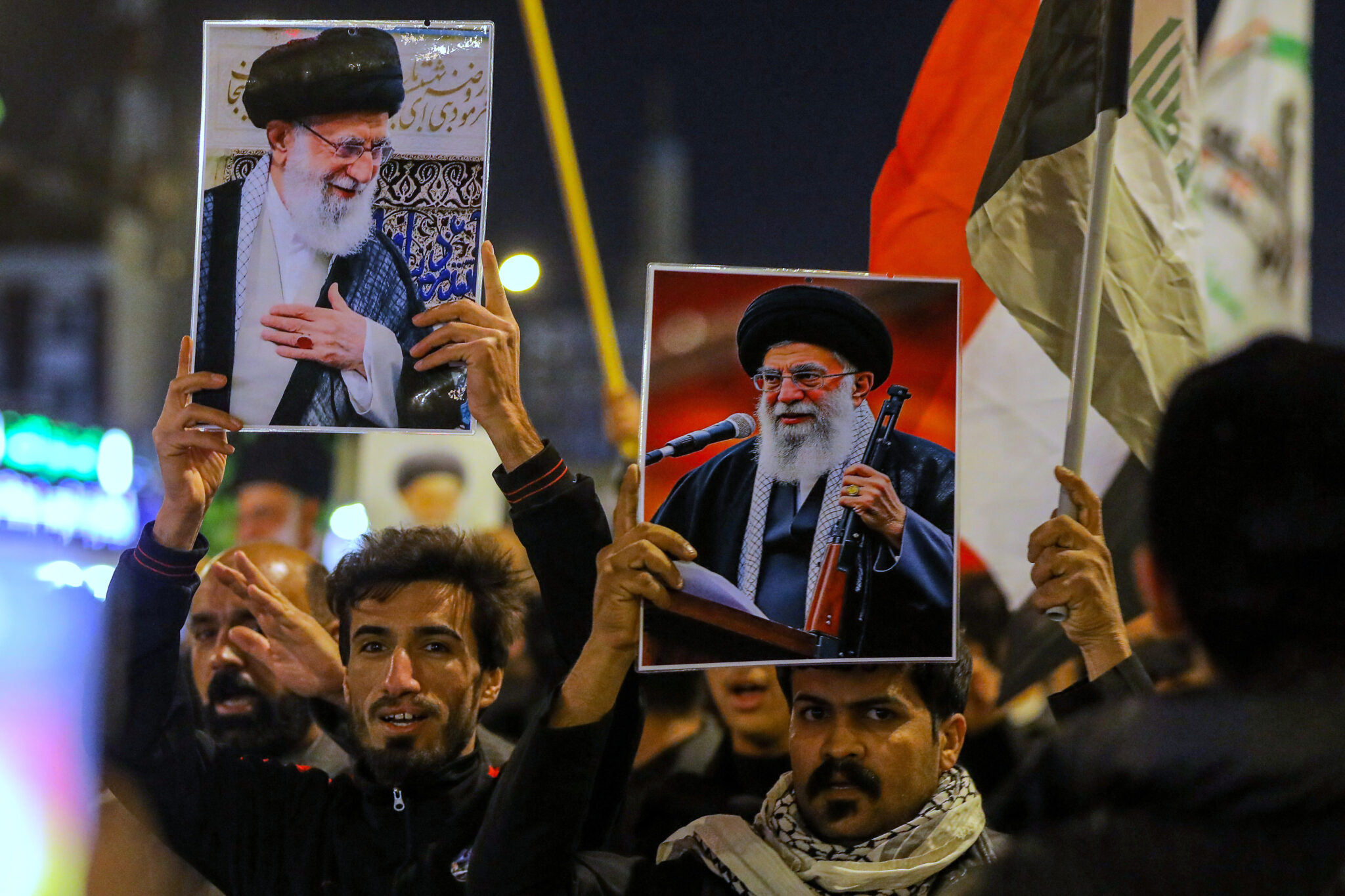
The conflict widened further as Hezbollah launched missiles from Lebanon into Israel for the first time in more than a year. The group said the attack was retaliation for the killing of Iranian Supreme Leader Ayatollah Ali Khamenei.
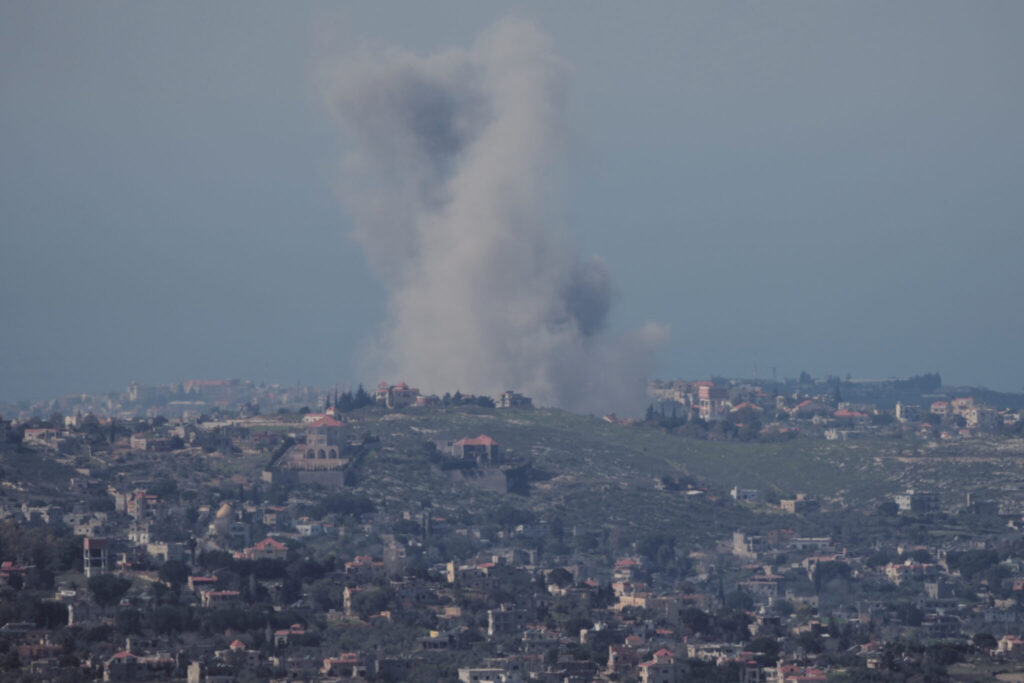
Israel responded with heavy airstrikes on Beirut and southern Lebanon. Explosions shook residential neighborhoods as Israeli warplanes flew low overhead.
In Iraq, the Shiite militia Saraya Awliya al-Dam claimed responsibility for drone attacks targeting U.S. forces at Baghdad International Airport and at a base in Irbil. These strikes represent a dangerous expansion of Iranian proxy involvement.
U.S. and Israel Intensify Bombardment of Iran
Israeli and U.S. forces continued coordinated attacks on Iranian military infrastructure, including missile facilities and naval assets.
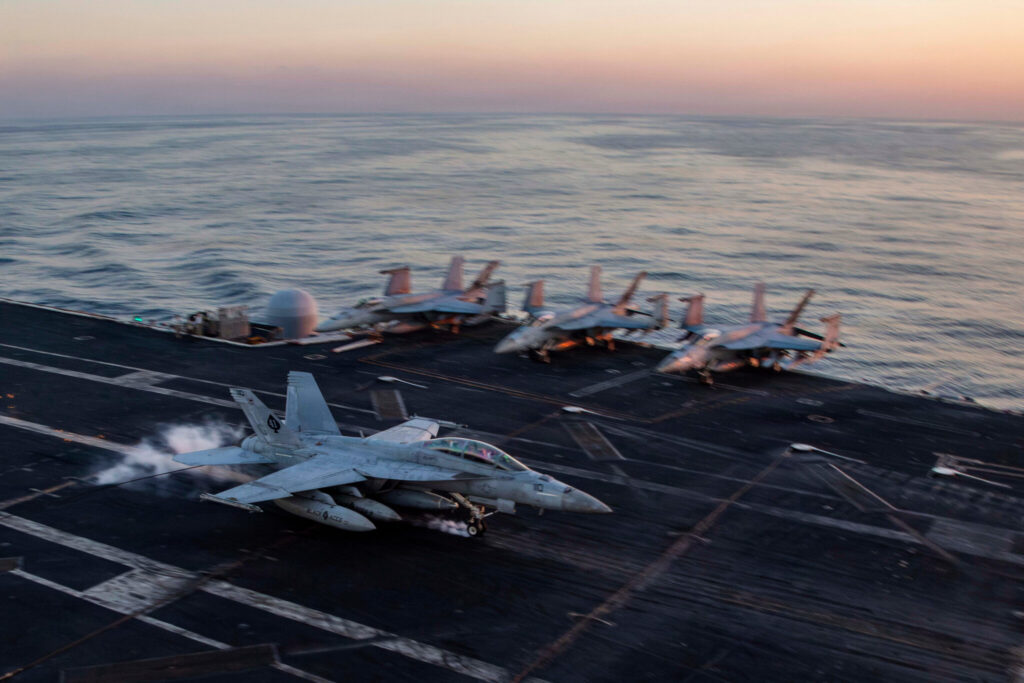
The U.S. military confirmed B-2 stealth bombers deployed 2,000-pound bombs against Iranian ballistic missile sites. President Donald Trump said on social media that nine Iranian warships had been sunk and that Iran’s naval headquarters had been “largely destroyed.”
Iran’s ambassador to the International Atomic Energy Agency (IAEA) accused the U.S. and Israel of targeting the Natanz nuclear enrichment facility, though Washington and Jerusalem have not publicly confirmed strikes on the site.
Israel has stated it is focusing on “leadership and nuclear infrastructure” as strategic objectives.
Gulf States and Europe Signal Involvement
Gulf Arab nations warned they may retaliate if Iranian attacks continue targeting their territories. Meanwhile, Britain, France, and Germany signaled readiness to cooperate with Washington to intercept Iranian missiles and drones.
Cyprus reported limited damage to a British air base following a drone strike, shortly after British Prime Minister Keir Starmer pledged support for U.S. operations.
The war’s geographic footprint now spans Iran, Israel, Lebanon, Iraq, Saudi Arabia, Kuwait, Bahrain, the UAE, Oman, and Cyprus.
Political Fallout and Leadership Vacuum
The killing of Ayatollah Ali Khamenei — who ruled Iran for more than three decades — has created a leadership vacuum in Tehran. Analysts warn that the power struggle could further destabilize the region.
Inside Iran, security forces have established checkpoints in Tehran and other cities amid fears of unrest. Residents described deserted streets and heightened security patrols.
President Trump has called on Iranians to “take over” their government, while also suggesting dialogue could be possible with new leadership. However, he emphasized that military operations will continue until U.S. objectives are achieved.
“Combat operations continue at full force,” Trump said. “They will continue until all of our objectives are achieved.”
No Clear Exit Strategy
The scale of the attacks, involvement of proxy militias, and strikes on global energy infrastructure suggest that the conflict may endure.
Regional analysts warn that Iran’s strategy appears aimed at imposing heavy economic costs by threatening oil flows, shipping lanes, and allied security partnerships.
With civilian casualties rising and markets shaken, diplomatic pressure is mounting — but for now, the war shows no signs of de-escalation.




You must Register or Login to post a comment.